Stage 3 Kidney Disease: What to Expect and How It Is Managed

Stage 3 kidney disease is a moderate reduction in kidney function and is often divided into stage 3a and 3b. Common causes include diabetes, high blood pressure, and long-term kidney conditions.
Key Takeaways
- Stage 3 kidney disease is a moderate reduction in kidney function and is often divided into stage 3a and 3b.
- Common causes include diabetes, high blood pressure, and long-term kidney conditions.
- Treatment focuses on slowing progression, managing symptoms, and reducing complications.
- Lifestyle changes, medication review, and regular blood and urine tests are important parts of care.
- Early medical follow-up can help lower the risk of progression to more advanced kidney disease.
Stage 3 kidney disease means the kidneys are working less effectively than normal, but many people can stay well with early treatment and regular follow-up. Understanding symptoms, causes, and care options can help protect kidney function and overall health.
Overview
Stage 3 kidney disease, also called stage 3 chronic kidney disease or CKD, means the kidneys are filtering blood less efficiently than they should. Doctors usually identify this stage when the estimated glomerular filtration rate, known as eGFR, falls into a moderate range of reduced kidney function. It does not mean the kidneys have stopped working, and many people live for years at this stage with careful monitoring and treatment.
Stage 3 is commonly divided into two parts. Stage 3a reflects a milder decline in kidney function, while stage 3b indicates a more noticeable reduction. This distinction helps doctors plan follow-up and treatment, but both forms can often be managed effectively when the cause is addressed and risk factors are controlled.
One important point is that stage 3 kidney disease may not cause obvious symptoms at first. Many people learn about it after routine blood or urine testing. Because of this, regular health checks are especially important for people with diabetes, high blood pressure, heart disease, or a family history of kidney problems.
Symptoms and Possible Complications

In the early part of stage 3 kidney disease, some people feel completely well. Others may notice general symptoms that can be easy to overlook, such as tiredness, reduced energy, swelling in the ankles or feet, changes in urination, or trouble concentrating. These symptoms are not unique to kidney disease, which is why testing is needed to confirm the diagnosis.
As kidney function declines, the body may have more difficulty balancing fluids, minerals, and waste products. This can lead to issues such as high blood pressure, anemia, changes in bone and mineral health, and fluid retention. Some people also experience dry or itchy skin, muscle cramps, poor appetite, or mild nausea.
Possible symptoms and complications may include:
- Fatigue or weakness
- Swelling in the legs, ankles, feet, or around the eyes
- Urinating more or less often than usual
- Foamy urine, which may suggest protein in the urine
- High blood pressure that is hard to control
- Anemia, which can cause shortness of breath or dizziness
- Changes in calcium, phosphorus, or vitamin D balance
These problems do not affect everyone, and having stage 3 kidney disease does not automatically mean rapid progression. The outlook depends on the underlying cause, overall health, and how well risk factors are managed over time.
Causes and Risk Factors
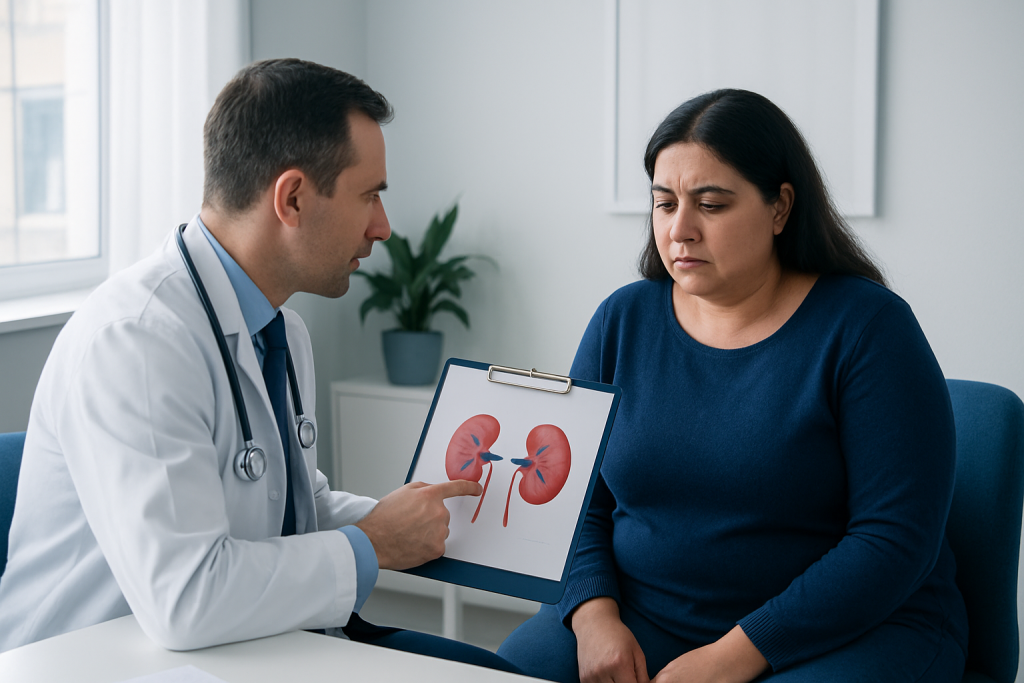
The most common causes of stage 3 kidney disease are diabetes and high blood pressure. Over time, high blood sugar can damage the small blood vessels in the kidneys, while uncontrolled blood pressure can strain and scar kidney tissue. Other causes include inherited conditions, repeated kidney infections, autoimmune diseases, urinary tract blockage, and diseases that affect the filtering units of the kidneys.
Some people develop CKD after episodes of acute kidney injury, especially if the kidneys do not fully recover. Long-term use of certain medications, including some pain relievers, may also contribute in some cases. In addition, structural or inflammatory kidney diseases can gradually reduce kidney function over many years.
Risk factors that make stage 3 kidney disease more likely include:
- Diabetes
- High blood pressure
- Heart and vascular disease
- Older age
- Obesity
- Smoking
- Family history of kidney disease
- History of kidney stones or urinary blockage
Because chronic kidney disease may develop silently, people with these risk factors may benefit from evaluation for chronic kidney disease before symptoms appear. Finding the condition early often makes treatment more effective.
How Stage 3 Kidney Disease Is Diagnosed
Doctors diagnose stage 3 kidney disease using a combination of medical history, physical examination, blood tests, urine tests, and sometimes imaging studies. The key blood test is serum creatinine, which is used to calculate eGFR. To confirm chronic kidney disease, reduced kidney function or markers of kidney damage usually need to be present for at least three months.
Urine testing is also very important. A urine albumin-to-creatinine ratio can show whether protein is leaking into the urine, which may indicate kidney damage and help estimate the risk of progression. Doctors may also check for blood in the urine or signs of infection.
Additional tests may include blood pressure measurement, electrolyte levels, hemoglobin for anemia, and tests related to bone and mineral balance. An ultrasound may be used to look at kidney size, structure, or blockage. If a specific kidney disease is suspected, a nephrologist may recommend further testing, and in selected cases a kidney biopsy.
The goal of diagnosis is not only to label the stage, but also to understand the cause and identify any treatable complications. This helps guide the most appropriate long-term care plan.
Treatment and Ongoing Management
Treatment for stage 3 kidney disease aims to slow further damage, control symptoms, and lower the risk of complications such as heart disease. Management usually includes treating the underlying cause, especially diabetes and high blood pressure. Blood pressure control is one of the most important ways to protect kidney function over time.
Doctors may review all medications carefully, because some drugs need dose adjustment when kidney function is reduced and others should be avoided. Medicines may also be prescribed to help control blood pressure, reduce protein leakage in the urine, manage blood sugar, treat anemia, or correct mineral imbalances. If the condition is related to urinary blockage or another structural problem, urology care may be part of treatment.
Regular follow-up is essential. This often includes repeat blood and urine tests, blood pressure checks, and monitoring for swelling, anemia, or electrolyte changes. Some people are cared for by a primary doctor, while others benefit from seeing a nephrologist, especially if kidney function is declining more quickly or complications are developing.
In more complex cases, a center with specialist support may coordinate testing and treatment, including nephrology evaluation and related internal medicine care. Near the end of the care pathway, patients who need advanced planning may also discuss future options, though stage 3 disease does not mean dialysis is immediately needed. Acibadem International’s multidisciplinary specialists and JCI-accredited hospitals diagnose and treat kidney conditions for international patients when expert assessment is required.
Lifestyle, Diet, and Self-care
Healthy daily habits play a major role in stage 3 kidney disease management. People are often advised to keep blood pressure, blood sugar, and cholesterol under control; stay physically active; stop smoking; and maintain a weight that supports overall health. These steps can help protect both the kidneys and the heart.
Dietary advice should be individualized, because nutritional needs vary depending on blood test results, medications, and other medical conditions. Some people may need to watch sodium intake to help manage blood pressure and swelling. Others may need guidance on protein, potassium, or phosphorus. It is usually best not to make major dietary restrictions without professional advice, since unnecessary limits can lead to poor nutrition.
Self-care measures often include:
- Taking medicines exactly as prescribed
- Checking with a doctor before using over-the-counter pain relievers or supplements
- Limiting salt in processed and packaged foods
- Staying active with regular, appropriate exercise
- Attending scheduled blood and urine testing
- Keeping diabetes and blood pressure well monitored
Some people also need help managing related problems such as kidney stones or repeated urinary issues. In those situations, assessment for kidney stones or other urinary tract conditions may be relevant as part of a broader kidney health plan.
When to See a Doctor
Anyone who has risk factors for kidney disease should speak with a doctor about screening, even if they feel well. Early testing is especially important for people with diabetes, high blood pressure, cardiovascular disease, obesity, or a strong family history of kidney problems. A doctor can decide which blood and urine tests are appropriate.
People already diagnosed with stage 3 kidney disease should seek medical advice if they notice worsening swelling, increasing fatigue, shortness of breath, a marked change in urination, or rising blood pressure. These changes do not always mean a serious problem, but they should be assessed promptly. Symptoms of a possible urinary tract infection or severe flank pain also deserve attention.
Urgent care may be needed for chest pain, severe shortness of breath, confusion, inability to pass urine, or sudden major swelling. These symptoms can have different causes, but they should never be ignored. Timely medical evaluation helps prevent complications and supports safer long-term kidney care.
Frequently asked questions
Is stage 3 kidney disease serious?
Stage 3 kidney disease is a moderate reduction in kidney function, so it should be taken seriously and monitored carefully. However, many people remain stable for a long time with proper treatment, healthy habits, and regular follow-up.
Can stage 3 kidney disease be reversed?
Chronic kidney damage is usually not fully reversible, but progression can often be slowed significantly. Treating the cause, controlling blood pressure and blood sugar, and avoiding kidney strain are key steps.
Will someone with stage 3 kidney disease need dialysis?
Most people with stage 3 kidney disease do not need dialysis. Dialysis is usually considered only in much more advanced kidney failure, and many patients with stage 3 disease never progress to that stage.
What foods should be avoided in stage 3 kidney disease?
There is no single diet that fits everyone with stage 3 kidney disease. Many people are advised to limit salt, and some may need to adjust protein, potassium, or phosphorus depending on their blood tests and medical history.
What is the difference between stage 3a and stage 3b kidney disease?
Stage 3a means a milder reduction in kidney function, while stage 3b means the reduction is more pronounced. Both are still considered stage 3 CKD, but stage 3b may require closer monitoring and more active management of complications.
Can stage 3 kidney disease cause symptoms?
Yes, but some people have no symptoms at all. When symptoms occur, they may include fatigue, swelling, changes in urination, high blood pressure, or signs of anemia.
References
- National Kidney Foundation
- Kidney Disease: Improving Global Outcomes
- National Institute of Diabetes and Digestive and Kidney Diseases
- Mayo Clinic
- National Health Service
This article is for general information only and is not a substitute for professional medical advice. Please consult a qualified doctor about your individual situation.
Kidney Disease in Turkey — costs, top hospitals & a free quote
JCI-accredited · board-certified surgeons · reply within 24h
Add us as a Preferred Source to see more of our trusted health content across Google Search, AI Overviews and Discover.
Check your numbers in seconds
BMI, calories, due date, blood pressure and 30+ more clinical calculators — free, instant, doctor-reviewed ranges.

Organ Transplantation
Kidney, liver and bone-marrow transplantation programs with dedicated coordination.
4 specialists in this unit