Stanford Thoracic Surgery: Procedure, Recovery and Results

Thoracic surgery includes operations on organs and structures in the chest, excluding most heart surgery. Minimally invasive approaches such as VATS or robotic surgery may reduce incision size and support earlier recovery for suitable patients.
Key Takeaways
- Thoracic surgery includes operations on organs and structures in the chest, excluding most heart surgery.
- Minimally invasive approaches such as VATS or robotic surgery may reduce incision size and support earlier recovery for suitable patients.
- Recovery varies widely: many people resume light activity within weeks, while full recovery can take several months after major surgery.
- Outcomes depend on the underlying condition, disease stage, procedure type, surgeon experience and general health.
- New or worsening breathlessness, chest pain, fever, wound changes or coughing blood after surgery require prompt medical advice.
Stanford thoracic surgery is a search term commonly used for specialist surgical care for conditions affecting the lungs, esophagus, chest wall, mediastinum and pleura. Thoracic surgery may be performed through open or minimally invasive techniques, and the right approach, recovery plan and expected result depend on the diagnosis and a person’s overall health.
Stanford Thoracic Surgery: What Does It Mean?
Stanford thoracic surgery is a phrase people may use when looking for evaluation or treatment of diseases involving the chest. Thoracic surgeons manage conditions affecting the lungs, esophagus, pleura (the lining around the lungs), mediastinum (the space between the lungs), chest wall and diaphragm. The term does not describe one single operation; rather, it covers a range of procedures chosen for an individual diagnosis.
Thoracic surgery can be used to diagnose a suspicious finding, remove a tumor, treat an infection or fluid collection, repair an esophageal problem, or address selected chest-wall conditions. A thoracic surgery clinic typically works alongside pulmonologists, oncologists, radiologists, anesthesiologists, pathologists, gastroenterologists and rehabilitation professionals. This multidisciplinary planning helps ensure that surgery is recommended only when it is likely to offer a meaningful benefit.
People researching stanford thoracic surgery research or a stanford thoracic surgery residency may be seeking information about specialist training and innovation. For patients, the most important practical questions are whether surgery is appropriate, which technique is safest, what recovery will involve and what outcomes are realistic for their particular condition.
How Thoracic Surgery Works and Who May Be a Candidate
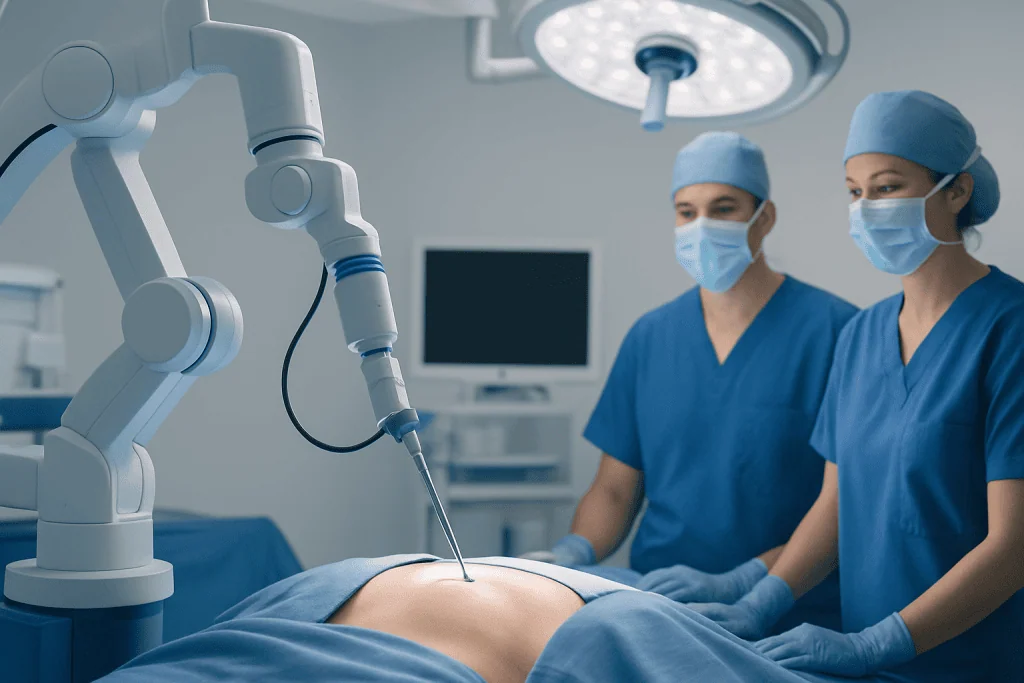
Thoracic surgery aims to treat a chest condition while preserving as much healthy function as possible. Procedures may remove a small tissue sample, a section of lung, an entire lung lobe, an esophageal lesion, lymph nodes or another affected structure. Some operations also drain infection, control persistent air leaks, remove fluid or treat traumatic injuries.
A person may be considered for surgery after imaging, biopsies or other tests identify a condition that can be safely treated surgically. Common reasons include suspected or confirmed lung cancer, lung nodules, pleural disease, selected esophageal disorders, mediastinal masses and certain chest-wall tumors. In some cases, surgery is combined with chemotherapy, radiation therapy, targeted therapy or immunotherapy.
Candidacy is individualized. The team considers the diagnosis, extent of disease, lung and heart function, age, nutritional status, previous chest surgery, smoking history and other medical conditions. Pulmonary function tests, blood tests, imaging and sometimes cardiac assessment help estimate whether a person can tolerate anesthesia and the planned procedure. Surgery may not be the best option when another treatment can provide similar benefit with less risk.
- VATS: video-assisted thoracoscopic surgery, using small incisions and a camera.
- Robotic thoracic surgery: a minimally invasive technique in which the surgeon controls robotic instruments.
- Thoracotomy: an open operation using a larger chest incision, sometimes needed for complex disease or urgent situations.
What Happens During a Thoracic Surgery Procedure?

Before surgery, the care team reviews medications, allergies, test results and the planned operation. Patients are usually asked to stop smoking, follow instructions about eating and drinking, and discuss blood-thinning medicines or supplements. The anesthesiology team explains general anesthesia, pain-control options and monitoring during the procedure.
During the operation, the patient is asleep under general anesthesia. For many lung procedures, a specialized breathing tube allows the surgical team to work on one side of the chest while the other lung continues to provide oxygen. With VATS or robotic surgery, the surgeon makes several small incisions, inserts a camera and instruments, and removes or repairs the necessary tissue. During open surgery, a thoracotomy gives direct access through a larger incision between the ribs.
A chest drain may be placed at the end of surgery to remove air or fluid and help the lung re-expand. Removed tissue is examined by a pathologist, which can confirm a diagnosis and guide any further care. For people requiring surgery for a lung condition, lung cancer treatment may include surgery alongside other therapies, depending on the pathology report and stage.
After the operation, patients are monitored in a recovery area or higher-level care unit when needed. Pain management, breathing exercises, early movement and prevention of blood clots are central parts of safe postoperative care.
Is Thoracic Surgery a Major Surgery?
Yes, many thoracic operations are considered major surgery because they involve the chest, general anesthesia and important organs that affect breathing and circulation. The degree of complexity varies substantially. A small diagnostic biopsy may have a shorter recovery than removal of a lung lobe, an esophageal operation or a procedure performed through an open thoracotomy.
Minimally invasive surgery can reduce the size of incisions and may lead to less postoperative pain, a shorter hospital stay and a faster return to everyday activities for appropriately selected patients. However, minimally invasive does not mean risk-free. It still requires careful preparation, anesthesia and follow-up.
Major surgery can feel physically and emotionally demanding. Patients benefit from understanding the expected hospital course, arranging support at home and discussing pain control, nutrition, activity and work plans before the procedure. The surgical team can explain whether conversion from a minimally invasive operation to an open procedure might be necessary for safety.
Recovery Timeline and What Not to Do After Thoracic Surgery
Recovery begins immediately after surgery with supported coughing, deep-breathing exercises, pain control and gradual walking. These measures help clear mucus, expand the lungs and lower the risk of complications such as pneumonia or blood clots. A chest drain is often removed when the team confirms that air leakage and fluid drainage are at a safe level.
Hospital stay varies by operation, overall health and recovery progress. After discharge, fatigue, reduced appetite, soreness around the incision and altered sleep are common for a time. Follow-up appointments allow the team to check wound healing, review pathology findings and monitor breathing and activity. Some people benefit from respiratory rehabilitation or structured exercise support.
What not to do after thoracic surgery? Patients should not smoke or vape, as this can slow healing and harm lung function. They should avoid heavy lifting, strenuous exercise, driving while taking sedating pain medicines, and soaking incisions in a bath or pool until the surgical team says it is safe. It is also important not to stop prescribed pain medicines, breathing exercises or follow-up care without discussing this with a clinician.
How long does it take to fully recover from thoracic surgery? Light daily activity may be possible within a few weeks, particularly after minimally invasive surgery, but full recovery often takes several weeks to a few months. Recovery after an open procedure, a larger lung resection or esophageal surgery may take longer. The most reliable timeline comes from the treating surgeon because healing depends on the procedure, complications, baseline fitness and any additional cancer treatment.
Benefits, Risks and Expected Results
The potential benefit of thoracic surgery depends on its purpose. It may provide a definitive diagnosis, remove localized disease, improve symptoms, treat infection or prevent further complications. For some cancers, complete surgical removal of a tumor can be an important part of treatment with curative intent. In other situations, surgery may be designed to improve comfort, breathing or quality of life.
What is the success rate of thoracic surgery? There is no single success rate because thoracic surgery includes very different procedures and conditions. A successful result may mean obtaining an accurate diagnosis, fully removing a lesion, controlling infection, improving swallowing or relieving symptoms. For cancer surgery, expected results are influenced by cancer type and stage, whether complete removal is possible, lymph-node findings and the need for additional treatments.
Possible complications include bleeding, infection, pneumonia, prolonged air leak, irregular heartbeat, blood clots, pain or numbness around the incision, reactions to anesthesia and, rarely, injury to nearby structures. Lung surgery can reduce breathing reserve, especially when more tissue is removed or a person has existing lung disease. The surgical team discusses risks in relation to the proposed procedure and explains how they are reduced.
For patients considering chest surgery as part of cancer care, coordinated assessment can also be relevant to esophageal cancer treatment and other thoracic oncology pathways. A clear discussion of goals, alternatives and expected recovery supports informed decision-making.
When to Seek Medical Care
Medical assessment is important for persistent or unexplained chest symptoms, particularly a cough lasting several weeks, coughing blood, worsening shortness of breath, chest pain, repeated chest infections, unexplained weight loss, trouble swallowing or a newly identified lung nodule. These symptoms often have causes other than cancer, but timely evaluation helps identify the cause and appropriate next steps.
After thoracic surgery, patients should contact their surgical team promptly for fever, increasing redness or drainage from an incision, worsening pain that is not controlled by the prescribed plan, persistent vomiting, new swelling in a leg or sudden changes in breathing. Emergency care is appropriate for severe shortness of breath, fainting, severe chest pain or coughing a significant amount of blood.
At Acibadem International, multidisciplinary specialists at JCI-accredited hospitals evaluate and treat thoracic conditions for international patients, with care plans tailored to the diagnosis and individual needs. A qualified thoracic surgeon can explain whether observation, medication, a minimally invasive procedure or open surgery is the most appropriate next step.
Frequently asked questions
What conditions do thoracic surgeons treat?
Thoracic surgeons treat conditions involving the lungs, esophagus, pleura, mediastinum, chest wall and diaphragm. This can include lung nodules, lung cancer, pleural fluid or infection, mediastinal masses, selected esophageal diseases and chest-wall tumors. The exact scope may vary between hospitals and individual specialists.
Is minimally invasive thoracic surgery always possible?
No. VATS and robotic techniques are suitable for many procedures, but not every patient or condition. The choice depends on the location and size of the problem, prior surgery, anatomy, urgency and the need for safe surgical access. An open thoracotomy may be recommended when it offers the safest or most effective approach.
How painful is recovery after thoracic surgery?
Pain and discomfort are expected after chest surgery, but the care team uses a tailored pain-control plan to make breathing, coughing and walking more manageable. Pain is often greater after open surgery than after small-incision techniques, although experiences differ. Patients should tell their team if pain prevents deep breathing, sleep or movement.
Can a person live normally after part of a lung is removed?
Many people can return to active daily lives after removal of part of a lung, especially when remaining lung function is healthy. Some experience temporary or persistent shortness of breath with exertion. Preoperative lung tests and rehabilitation advice help clinicians estimate and support recovery.
How soon can someone travel after thoracic surgery?
Travel timing should be approved by the surgeon because it depends on the operation, healing progress, risk of blood clots and whether a chest drain or other follow-up is still needed. Long journeys soon after surgery may require extra precautions. Patients planning international travel should discuss this before the procedure whenever possible.
What follow-up is needed after thoracic surgery?
Follow-up commonly includes incision checks, symptom review, pathology discussion when tissue was removed and imaging when clinically appropriate. Patients may also need oncology, respiratory or rehabilitation appointments depending on the diagnosis. Keeping these visits is important for monitoring healing and planning any additional treatment.
References
- American College of Surgeons
- Society of Thoracic Surgeons
- National Cancer Institute
- American Lung Association
- National Health Service
This article is for general information only and is not a substitute for professional medical advice. Please consult a qualified doctor about your individual situation.
Explore treatments in Turkey — costs, top hospitals & a free quote
JCI-accredited · board-certified surgeons · reply within 24h
Add us as a Preferred Source to see more of our trusted health content across Google Search, AI Overviews and Discover.

More from the Health Library



Related Specialists
Dr. İlker Altundağ
Aesthetic Plastic and Reconstructive Surgery
Assoc. Prof. Dr. Elif Meşeci
Gynecology & Obstetrics
Dr. Sema Tekin Koşargelir
Cosmetic Dermatology
Dr. Necdet Yetim
Internal Medicine