Stealthed: An Evidence-Based Guide for Patients

Stealthing is the non-consensual removal, damage, or failure to use a condom when condom use was agreed. It can affect consent, emotional wellbeing, and physical health, including STI and pregnancy risk.
Key Takeaways
- Stealthing is the non-consensual removal, damage, or failure to use a condom when condom use was agreed.
- It can affect consent, emotional wellbeing, and physical health, including STI and pregnancy risk.
- Prompt medical care can provide time-sensitive options such as HIV post-exposure prophylaxis and emergency contraception when appropriate.
- Testing needs depend on the type of exposure, timing, symptoms, and a person’s health history.
- Support is available through healthcare professionals, sexual assault services, trusted advocates, and local support organizations.
“Stealthed” usually means that a person’s agreed condom use was changed without their knowledge or consent during sex, such as by removing or intentionally damaging a condom. This is a breach of sexual consent and can raise concerns about sexually transmitted infections (STIs), HIV exposure, and unintended pregnancy.
What Does “Stealthed” Mean?
“Stealthed” is commonly used to describe an experience in which one person removes a condom, deliberately damages it, or does not use it as agreed during sexual activity without the other person’s knowledge or permission. The term is often linked with “stealthing” or non-consensual condom removal. It is not a formal medical diagnosis, but it describes an important consent and sexual-health concern.
Consent to sex with a condom is not automatically consent to sex without one. Similarly, agreeing to one type of sexual activity does not mean agreeing to every activity or change in protection. Consent should be voluntary, informed, specific to the activity, and ongoing; it can be withdrawn at any time.
People may have different reactions after being stealthed. Some feel shocked, angry, confused, numb, ashamed, or uncertain about whether what happened “counts.” These responses are valid. Responsibility rests with the person who changed the agreed protection, not with the person whose consent was ignored.
Why Stealthing Can Affect Health and Wellbeing
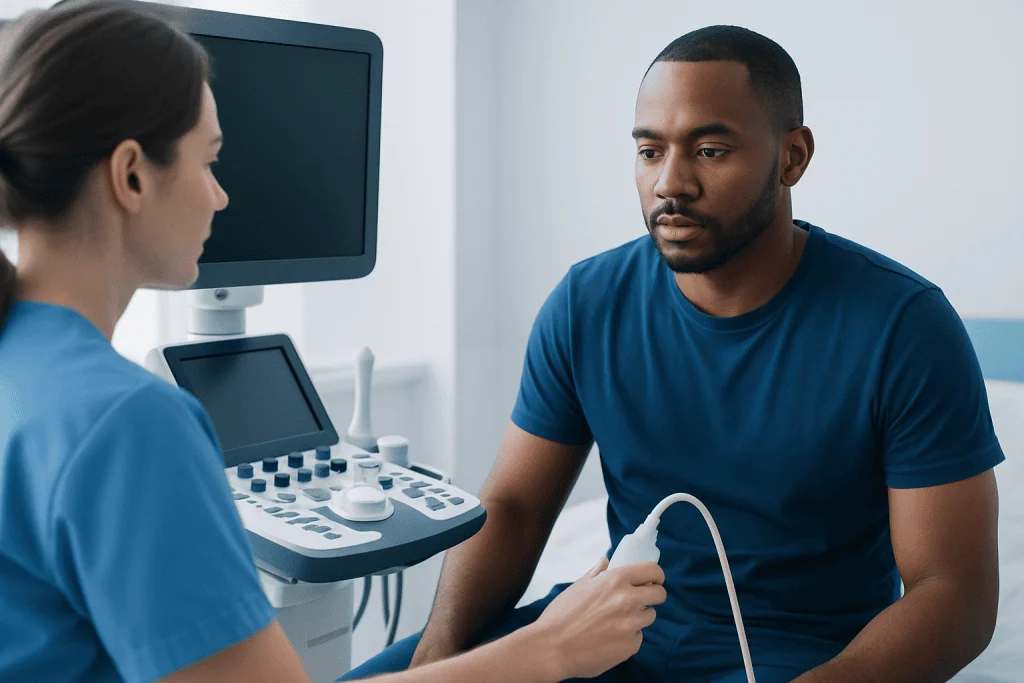
Condoms can reduce the chance of pregnancy and lower the risk of many sexually transmitted infections when used correctly and consistently. If a condom is removed or damaged without consent, the level of protection may change. The actual risk depends on several factors, including the type of sexual contact, whether there was ejaculation, the STI status of either person, and whether other prevention methods were used.
Possible health concerns include exposure to chlamydia, gonorrhea, syphilis, trichomoniasis, hepatitis B, HIV, and other infections. Some infections can be present without symptoms, so feeling well does not always rule out infection. Pregnancy can also be possible after penis-in-vagina sex if sperm entered or came close to the vagina, even if ejaculation did not occur.
The emotional effects may be just as important as the physical ones. A person may experience anxiety, difficulty sleeping, changes in mood, intrusive thoughts, or distress around intimacy. Supportive medical care should address both physical health and emotional safety without judgment.
What to Do After Being Stealthed

After an experience of stealthing, a person can take a moment to get to a safer place and contact someone they trust if that feels helpful. There is no single “right” response. Some people want immediate medical care, while others first need emotional support, privacy, or time to decide what they want to do.
It can be useful to note practical details while they are still clear, such as the date and time, the type of sexual contact, whether a condom was initially used, and any information known about the other person’s sexual health. This information may help a clinician assess pregnancy and infection risks. A person does not need proof, photographs, or complete details to seek healthcare.
For those considering a medical or forensic examination, it may be helpful to contact a local sexual assault service or healthcare facility for guidance before showering, changing clothes, or cleaning up. However, personal comfort and safety come first. Medical care remains available even if a person has already washed, changed clothes, or waited some time.
Time-Sensitive Medical Options
Some care options work best when started promptly. HIV post-exposure prophylaxis, often called PEP, is a course of medication that may reduce the chance of HIV infection after a possible exposure. It must be started as soon as possible and no later than 72 hours after the exposure. A clinician or emergency service can assess whether PEP is appropriate based on the circumstances.
Emergency contraception may help prevent pregnancy after unprotected penis-in-vagina sex or contraceptive failure. Depending on the method, it may be used within three to five days after sex, and some options are more effective than others at different time points. A pharmacist, sexual health clinic, gynecologist, or doctor can explain the available options and any relevant health considerations.
A healthcare professional may also discuss hepatitis B vaccination, testing for STIs, and follow-up testing. Antibiotics are not routinely appropriate for every exposure, but preventive treatment may be considered in selected circumstances. The plan should be individualized rather than based only on assumptions about another person’s health.
Testing, Symptoms and Follow-Up
STI testing after stealthing is often recommended, but the timing matters. Tests may not detect every infection immediately after exposure, and a clinician may recommend an initial assessment followed by repeat testing after a specific interval. The appropriate tests can include urine, blood, vaginal, cervical, throat, or rectal samples depending on the types of contact involved.
Possible STI symptoms include unusual vaginal or penile discharge, pain or burning when urinating, genital sores or blisters, itching, pelvic pain, testicular pain, rash, fever, or bleeding between periods. Many STIs cause no noticeable symptoms, so testing can still be important when a person feels physically well.
Pregnancy testing may be advised if a period is late or if pregnancy is possible. Home tests can be useful, but timing affects accuracy. A clinician can advise when to test and what to do if a result is positive, negative, or unclear. Until concerns have been assessed, using condoms or avoiding sexual contact may help reduce the possibility of passing on an undiagnosed infection.
Consent, Support and Personal Choices
Stealthing may be experienced as sexual violence or abuse. Laws and legal definitions differ by country, state, and jurisdiction, and whether a person reports an incident is entirely their decision. Medical care does not require making a police report, and a person can ask healthcare staff about confidentiality, documentation, and available support before deciding what to do next.
Speaking with a trusted friend, counselor, sexual assault advocate, or mental health professional may help a person process what happened. Trauma-informed support focuses on listening, restoring choice, and avoiding blame. If the person involved is a partner or someone in the household, creating a personal safety plan may also be useful.
Future conversations about condoms can include clear agreements about using a new condom for each act of sex, stopping if a condom breaks or slips, and checking in before changing protection. These conversations can support safer sex, but they do not make someone responsible for another person’s decision to disregard consent.
When to Seek Medical Care
Medical care should be sought urgently, ideally the same day, if a possible HIV exposure occurred within the past 72 hours, if emergency contraception may be needed, or if there is concern about injury. Urgent evaluation is also important for severe pelvic or abdominal pain, heavy bleeding, fainting, fever, severe genital pain, or symptoms that may suggest an infection.
A sexual health clinic, primary care doctor, gynecologist, urologist, emergency department, or sexual assault service can provide confidential assessment and follow-up. Care can be helpful even when the event happened days, weeks, or months ago, because testing, treatment, emotional support, and discussion of preventive options may still be appropriate.
Acibadem International’s multidisciplinary specialists and JCI-accredited hospitals support international patients with confidential sexual health assessment, testing, and follow-up care. Anyone who feels in immediate danger or is at risk of harm should contact local emergency services or a trusted crisis resource as soon as possible.
Frequently asked questions
Is being stealthed the same as a condom breaking?
Not necessarily. A condom can break accidentally, and partners should communicate promptly if that happens. Stealthing refers to changing agreed condom use intentionally or without the other person’s knowledge and consent.
Can someone get an STI after being stealthed?
It is possible, but the likelihood varies with the type of sexual contact, the infections involved, and whether either person has an STI. Because many STIs have no symptoms, a healthcare professional can advise on appropriate testing and follow-up.
How soon should someone seek care after stealthing?
It is best to seek care as soon as possible if pregnancy prevention or HIV PEP may be needed. HIV PEP must begin within 72 hours, while some emergency contraception options can be used up to five days after sex.
Does someone need to report stealthing to receive medical care?
No. A person can seek medical assessment, STI testing, emergency contraception, and emotional support without reporting the incident to police. Reporting decisions are personal and may depend on local laws and the person’s safety needs.
Should someone test for pregnancy after being stealthed?
Pregnancy testing may be appropriate when penis-in-vagina sex occurred and pregnancy is possible. A clinician can advise on the best timing, especially if emergency contraception was used or a period is delayed.
What if the person feels upset but has no physical symptoms?
Emotional distress after a breach of consent is common and deserves support, even without physical symptoms. A doctor, counselor, sexual assault advocate, or trusted support person can help the individual consider next steps at their own pace.
References
- Centers for Disease Control and Prevention
- World Health Organization
- American College of Obstetricians and Gynecologists
- RAINN
- United Nations Population Fund
This article is for general information only and is not a substitute for professional medical advice. Please consult a qualified doctor about your individual situation.
Explore treatments in Turkey — costs, top hospitals & a free quote
JCI-accredited · board-certified surgeons · reply within 24h
Add us as a Preferred Source to see more of our trusted health content across Google Search, AI Overviews and Discover.

More from the Health Library


Related Specialists

Assoc. Prof. Dr. Mehmet Ferdi Kıncı
Gynecology & Obstetrics
Prof. Dr. Yaman Sarpel
Orthopedic Surgery & Traumatology
Dr. Feyzi Kılıç
Orthopedic Surgery & Traumatology
Dr. Mutlu Duran
Otorhinolaryngology