Stenosis: Early Signs, Risk Factors, and How It Is Treated

Stenosis means abnormal narrowing of a body passage or opening. Symptoms vary by location and may include pain, numbness, shortness of breath, chest symptoms, or dizziness.
Key Takeaways
- Stenosis means abnormal narrowing of a body passage or opening.
- Symptoms vary by location and may include pain, numbness, shortness of breath, chest symptoms, or dizziness.
- Common causes include aging-related changes, calcium buildup, inflammation, congenital differences, and atherosclerosis.
- Diagnosis usually combines a medical history, physical examination, and imaging or functional tests.
- Treatment ranges from monitoring and medicines to minimally invasive procedures or surgery.
- Prompt medical assessment is important if stenosis causes sudden weakness, severe pain, chest symptoms, or trouble breathing.
Stenosis meaning is a narrowing of a passage in the body, such as a blood vessel, heart valve, spinal canal, or airway. This narrowing can limit normal flow or put pressure on nearby structures, so symptoms and treatment depend on where the stenosis occurs and how severe it is.
Overview: What stenosis means
Stenosis meaning is a narrowing of a natural passage in the body. The narrowed area may be in a blood vessel, a heart valve, the spinal canal, or an airway. When the space becomes too tight, blood, air, fluid, or nerve signals may not move as they should.
This is a broad medical term rather than a single disease. For example, spinal stenosis affects the spaces around the spinal cord or nerves, while aortic stenosis affects the aortic valve in the heart. Carotid artery stenosis narrows an artery that supplies blood to the brain. Because the body systems involved are different, symptoms can vary widely from one person to another.
Some cases develop slowly and cause no symptoms at first. Others become noticeable when a person starts to feel pain, weakness, dizziness, breathing difficulty, or reduced exercise tolerance. In many people, the condition can be monitored and treated effectively once the cause and location are identified.
How stenosis affects the body
The main problem in stenosis is reduced space. In blood vessels, narrowing can limit blood flow to organs and tissues. In the spine, it can compress nerves. In heart valves, it can force the heart to work harder to pump blood. In the airways, it can make breathing more difficult.
The body often adapts for a time, which is why early stenosis may be silent. Over time, however, the narrowed area may lead to strain, irritation, inflammation, or reduced function. This is why doctors consider both the degree of narrowing and the person’s symptoms when deciding what to do next.
Common examples include spinal stenosis, which may cause back or leg symptoms, and carotid artery disease, which can raise stroke risk if blood flow to the brain is affected. In the heart, valve narrowing may eventually require close follow-up by a cardiology team.
Early signs and symptoms

Early symptoms depend on where the stenosis is located. A person with spinal narrowing may notice low back pain, neck pain, numbness, tingling, weakness, or cramping in the legs when walking. Symptoms may improve with rest or changes in posture. In contrast, narrowing of a heart valve may cause shortness of breath, fatigue, chest discomfort, palpitations, or feeling faint during activity.
When stenosis affects an artery, signs may reflect reduced blood flow. Carotid artery narrowing can sometimes cause no warning symptoms, but it may also be linked to brief neurologic symptoms such as sudden weakness, trouble speaking, or vision changes. Narrowing in other vessels may cause leg pain with walking or poor circulation.
Airway stenosis can cause noisy breathing, wheezing that does not respond as expected, chronic cough, or a sensation of tightness in the throat. Because these symptoms overlap with other conditions, a proper evaluation is important rather than assuming a single cause.
- Pain, heaviness, or cramping with activity
- Numbness, tingling, or weakness
- Shortness of breath or reduced stamina
- Dizziness, fainting, or chest discomfort
- Speech, vision, or balance changes in artery-related cases
Causes and risk factors
Stenosis can develop for several reasons. Age-related wear and tear is one of the most common. In the spine, discs, joints, ligaments, and bone may thicken or enlarge over time, reducing available space. In blood vessels, atherosclerosis can cause plaque buildup that narrows the vessel. In heart valves, calcium deposits may gradually stiffen and narrow the valve opening.
Some people are born with anatomical differences that make stenosis more likely later, while others develop it after inflammation, infection, injury, surgery, or radiation treatment. Less commonly, tumors or scar tissue can narrow a passage. Autoimmune and inflammatory conditions may also contribute in selected cases.
Risk factors vary by type but often include older age, smoking, high blood pressure, diabetes, high cholesterol, obesity, physical strain, prior trauma, and family history. A person may also have more than one narrowing problem at the same time, especially if underlying vascular disease is present.
How doctors diagnose stenosis
Diagnosis starts with a detailed history and physical examination. The doctor asks what symptoms occur, when they began, what makes them better or worse, and whether there are warning signs such as weakness, falls, fainting, or reduced exercise tolerance. During the examination, they may listen for heart murmurs or vascular bruits, check pulses, assess strength and reflexes, or evaluate breathing.
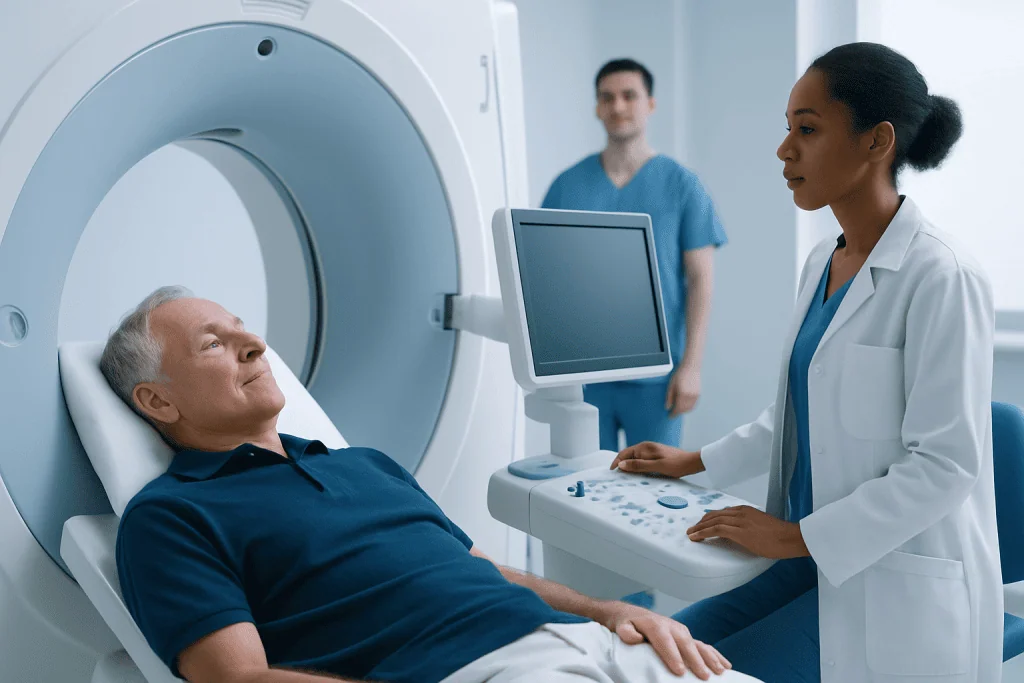
Tests are chosen based on the suspected location of narrowing. Imaging may include X-rays, ultrasound, CT, MRI, or echocardiography. Vascular narrowing is often assessed with Doppler ultrasound or CT/MR angiography, while spinal stenosis is commonly evaluated with MRI. Heart valve stenosis is usually diagnosed and monitored with echocardiography.
Functional tests may also help show how the body is coping. These can include electrocardiography, exercise testing, pulmonary function testing, or neurologic assessment. The goal is not only to confirm that stenosis is present, but also to determine how severe it is and whether it is responsible for the person’s symptoms.
Treatment options
Treatment depends on the type of stenosis, its severity, and whether it is causing symptoms or complications. Mild cases may only need regular monitoring, lifestyle changes, and treatment of contributing conditions such as high blood pressure, diabetes, or high cholesterol. Medicines may be used to manage pain, reduce inflammation, improve cardiovascular risk factors, or help control related symptoms.
When narrowing significantly limits function or raises the risk of serious complications, procedures may be recommended. For blood vessel narrowing, a doctor may consider angiography and interventional radiology techniques to evaluate and sometimes widen the affected vessel. Certain cardiac causes may require catheter-based procedures or surgery, including heart valve surgery for advanced valve stenosis.
Spinal stenosis may improve with physical therapy, posture and activity modification, pain management, or injections in selected cases. If nerve compression becomes severe or symptoms continue despite conservative care, surgery can create more space for the nerves. Some patients may be evaluated for spine surgery when non-surgical options are not enough.
The right treatment plan is individualized. Doctors weigh symptom burden, imaging findings, overall health, and the likely benefits and risks of each option. Near the end of the care pathway, patients may seek opinion from centers such as Acibadem International, where multidisciplinary specialists in JCI-accredited hospitals evaluate and treat international patients with complex stenosis conditions.
Prevention and self-care
Not all stenosis can be prevented, especially when it is related to congenital anatomy or aging. Still, healthy habits can lower the risk of certain forms, particularly those involving the heart and blood vessels. Avoiding smoking, controlling blood pressure, managing cholesterol and diabetes, staying physically active, and eating a balanced diet all support vascular health.
For spinal health, regular movement, strength training, flexibility work, and safe lifting techniques may help reduce strain on the back and neck. Maintaining a healthy weight can also lessen pressure on the spine and joints. If symptoms begin, pacing activities and using doctor-guided exercise plans may help keep a person active without worsening discomfort.
Self-care should not replace medical assessment when symptoms are persistent, progressive, or affecting daily life. Any new treatment, supplement, or exercise program is best discussed with a qualified clinician, especially for people with heart disease, neurologic symptoms, or multiple medical conditions.
When to seek medical care
Medical care is appropriate when symptoms suggest a possible narrowing problem or when a known stenosis seems to be getting worse. A person should arrange a medical evaluation for ongoing back or neck pain with leg weakness, exertional chest symptoms, unexplained dizziness, reduced walking tolerance, or repeated episodes of shortness of breath. Early assessment can help identify the cause before complications develop.
Urgent care is important for red-flag symptoms. These include sudden chest pain, fainting, severe breathing difficulty, sudden weakness or numbness on one side of the body, facial drooping, trouble speaking, new loss of bladder or bowel control, or rapidly worsening leg weakness. These symptoms can signal serious complications and should not be ignored.
Because stenosis can involve several body systems, a coordinated evaluation may be useful. Depending on the suspected location, care may involve primary care doctors, cardiologists, neurologists, vascular specialists, spine specialists, or surgeons. A clear diagnosis helps guide whether monitoring, medication, rehabilitation, or a procedure is the best next step.
Frequently asked questions
What does stenosis mean in simple terms?
Stenosis means that a passage in the body has become narrower than normal. This can affect blood vessels, heart valves, the spinal canal, or the airways, and it may interfere with normal flow or put pressure on nearby structures.
Is stenosis always serious?
Not always. Some cases are mild and found incidentally, while others cause symptoms or increase the risk of complications. The seriousness depends on where the narrowing is, how severe it is, and whether it is affecting the body's function.
Can stenosis go away on its own?
In most cases, structural narrowing does not fully go away on its own. However, symptoms may improve with rest, physical therapy, medicines, or treatment of contributing conditions. A doctor can advise whether monitoring is enough or whether a procedure is needed.
What are the most common symptoms of stenosis?
Symptoms vary by location. They may include pain, numbness, weakness, shortness of breath, chest discomfort, dizziness, or reduced exercise tolerance. Some people have no symptoms at first, which is why follow-up testing may be important when stenosis is suspected.
How is stenosis diagnosed?
Doctors diagnose stenosis with a combination of medical history, physical examination, and tests. Depending on the body area involved, these may include ultrasound, echocardiography, CT, MRI, or other imaging and functional assessments.
What treatments are available for stenosis?
Treatment may include lifestyle measures, medicines, physical therapy, monitoring, minimally invasive procedures, or surgery. The best option depends on the type of stenosis, the severity of narrowing, the symptoms, and the person's overall health.
References
- National Heart, Lung, and Blood Institute
- American Heart Association
- National Institute of Neurological Disorders and Stroke
- American Academy of Orthopaedic Surgeons
- Mayo Clinic
This article is for general information only and is not a substitute for professional medical advice. Please consult a qualified doctor about your individual situation.
Joint and spine care in Turkey — expert assessment & treatment
JCI-accredited · board-certified surgeons · reply within 24h
Add us as a Preferred Source to see more of our trusted health content across Google Search, AI Overviews and Discover.
Check your numbers in seconds
BMI, calories, due date, blood pressure and 30+ more clinical calculators — free, instant, doctor-reviewed ranges.