Steri Strips: An Evidence-Based Guide for Patients

Steri strips help keep the edges of a small wound or incision together while it heals. They are commonly used after minor procedures or for shallow, low-tension cuts.
Key Takeaways
- Steri strips help keep the edges of a small wound or incision together while it heals.
- They are commonly used after minor procedures or for shallow, low-tension cuts.
- Most steri strips should be kept clean and dry and allowed to fall off on their own.
- Redness that spreads, pus, fever, or a wound that opens wider should be assessed by a clinician.
- Deep, dirty, heavily bleeding, or bite-related wounds usually need medical evaluation rather than home closure.
Steri strips are thin adhesive strips used to help close small cuts or support healing surgical incisions. They are simple and effective when used correctly, but they are not right for every wound and should be monitored for signs of infection or reopening.
What are steri strips and what are they used for?
Steri strips are narrow adhesive tapes placed across a wound to gently pull the skin edges together. They are often used for small, straight cuts and to support healing after a minor procedure or surgical incision. In many cases, they are an alternative to stitches or staples for superficial wounds, or they are used alongside them to reduce tension on the skin.
For patients, the main purpose of steri strips is simple: they help the wound stay closed long enough for the body to form early healing tissue. This can improve comfort, protect the area from minor pulling, and sometimes support a neater scar. They are especially useful when the wound edges come together easily and bleeding is already controlled.
Steri strips are not the same as ordinary adhesive bandages. A bandage mainly covers a wound, while steri strips actively help hold it closed. They are also different from skin glue, stitches, and staples, which may be chosen for deeper wounds, areas under higher tension, or injuries that need layered closure.
When steri strips are appropriate—and when they are not
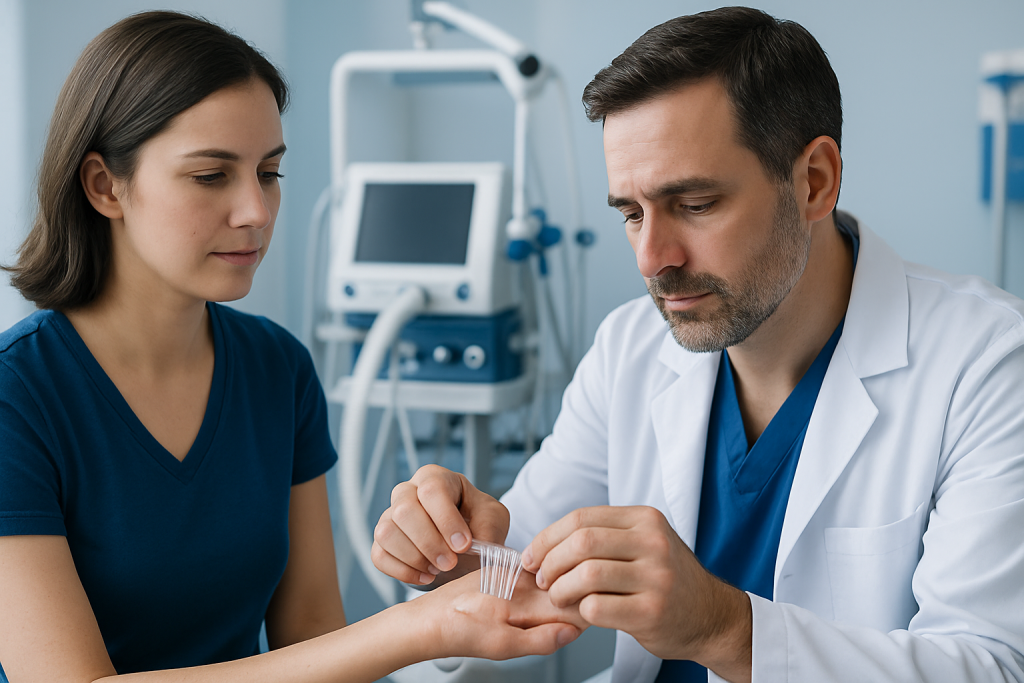
Steri strips are generally appropriate for clean, shallow wounds with edges that line up well. They are commonly used after small outpatient procedures and on healing incisions once a clinician decides that extra skin support is helpful. They may also be used for minor cuts in low-movement areas where the skin is not being pulled apart with every step or stretch.
They are less suitable for wounds that are deep, jagged, contaminated, actively bleeding, or under significant tension. For example, a cut over a joint may reopen more easily if the area bends often. Wounds caused by animal or human bites, punctures, or dirty objects also need special assessment because infection risk is higher.
If there is concern that a wound may need professional closure, doctors may evaluate it as part of general emergency care or arrange more specific treatment such as wound care. Surgical wounds may also be supported with steri strips after an operation as part of standard incision management, including after selected general surgery procedures.
- Often suitable: small, straight, superficial cuts; low-tension wounds; support for healing incisions
- Usually not suitable alone: deep wounds, gaping wounds, contaminated wounds, bites, punctures, and uncontrolled bleeding
- Best confirmed by a clinician when there is any uncertainty
How steri strips are applied
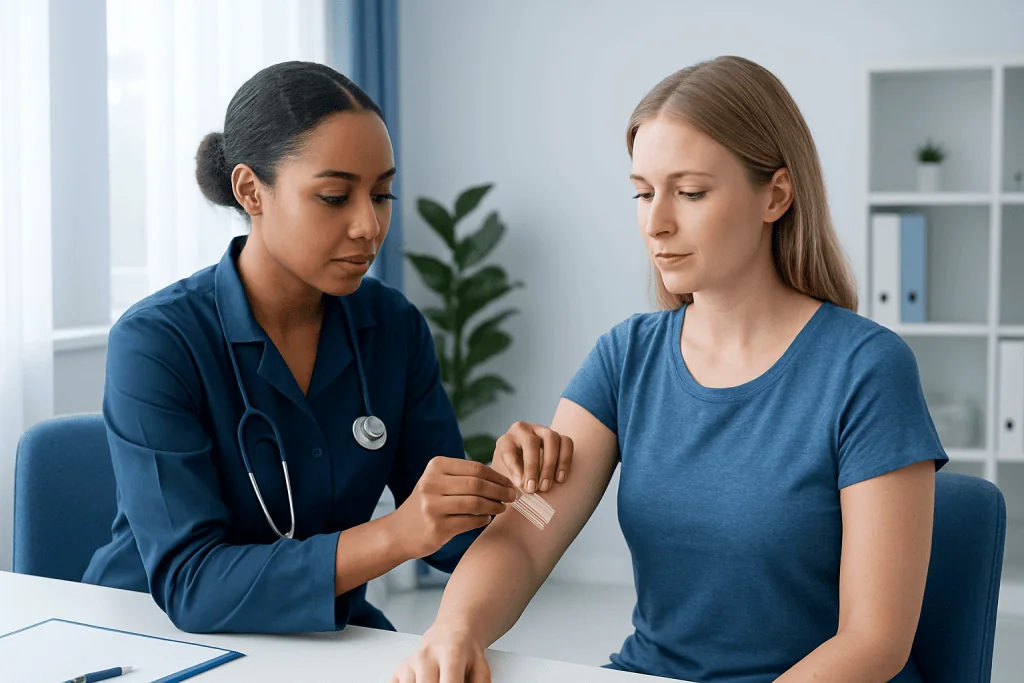
In clinical practice, the skin is first cleaned and dried. The wound edges are then gently brought together, and each strip is placed across the wound rather than along it. This helps hold the two sides of the skin in contact. The strips are usually spaced a small distance apart, and a healthcare professional may add a protective dressing over them if needed.
Application matters because a strip placed on damp, oily, or bleeding skin may not stick well. Pulling too tightly can also irritate the skin or affect circulation in very delicate areas. For this reason, patients should avoid trying to close a significant wound at home if they are unsure whether the edges are aligned properly or whether the wound is deeper than it appears.
Some patients are discharged after surgery with steri strips already in place. In that situation, the patient usually does not need to replace them unless specifically advised. If a strip begins to curl at the edges but the wound remains closed, it often can simply be left alone rather than removed too early.
How to care for steri strips at home
Home care is usually straightforward. In most cases, steri strips should be kept clean and as dry as possible for the first phase of healing. Patients may often shower after a clinician-approved period, but they should avoid soaking the area in a bath, pool, or hot tub until advised it is safe. After washing, the area should be patted dry rather than rubbed.
Steri strips are designed to loosen and fall off on their own over time. Patients are generally advised not to pull them off early unless a clinician has given specific instructions. Early removal can disturb the wound and increase the chance that it will reopen. If a strip becomes very loose at one end, trimming the lifted edge may be safer than tugging the whole strip away.
It is also important to reduce strain on the healing skin. Depending on the wound location, this may mean limiting stretching, heavy lifting, or repetitive motion for a short period. Once the wound has closed, a doctor may recommend scar care measures such as sun protection and gentle moisturization. If the wound is related to a skin condition or healing problem, broader assessment may be needed, including for skin cancer when an excised lesion is being followed after treatment.
- Keep the area clean and dry as instructed
- Do not pick at, peel, or forcibly remove the strips
- Avoid soaking the wound until healing is more advanced
- Watch daily for separation, increasing redness, drainage, or odor
What to expect during healing
Many steri strips begin to loosen after several days and may fall off within about one to two weeks, although timing varies by wound location, skin type, and activity level. A wound on the trunk may behave differently from one on the hand or knee, where movement is greater. Patients should follow the instructions given for their specific procedure or injury.
Some mild tenderness, slight redness right at the wound edge, and a sensation of tightness can be normal early on. A small amount of dried blood on the strips may also be seen at first. As healing progresses, the skin usually becomes more comfortable and the wound edges appear sealed.
Scarring depends on many factors, including wound depth, tension, genetics, infection, and sun exposure. Steri strips can help support a cleaner skin closure in suitable wounds, but they cannot guarantee a scar-free result. If a wound heals with thickening, persistent redness, or widening, a clinician can advise whether that is expected or needs further review.
Possible problems and warning signs
The most common problems with steri strips are simple ones: they may come off too soon, the skin may become irritated by the adhesive, or the wound may reopen if the area is stressed. Some patients have sensitive skin and develop itching, a rash, or blistering where the adhesive touches. If this happens, medical advice is helpful, especially if the strips are still needed to support closure.
Infection is an important concern with any wound. Warning signs include redness that spreads outward, warmth, increasing pain, swelling, pus-like drainage, a bad smell, or fever. These signs do not always mean a serious problem, but they should not be ignored. A wound that suddenly separates, bleeds again, or exposes deeper tissue also needs prompt assessment.
Patients with diabetes, poor circulation, weakened immunity, or a history of difficult wound healing may need closer follow-up. In some situations, delayed healing may relate to broader vascular or skin issues rather than the strips themselves. If there are recurring ulcers or poor blood supply concerns, clinicians may investigate underlying causes and, when appropriate, arrange specialized care.
When to seek medical care
Medical care should be sought if a wound is deep, gaping, caused by a bite, contaminated with dirt or debris, or continues bleeding despite firm pressure. It is also important to get help if the wound is on the face, near the eyes, over a joint, or in an area where function could be affected. Tetanus status may need review for certain injuries.
After steri strips are placed, patients should contact a doctor if the strips fall off very early and the wound edges separate, if pain is worsening instead of improving, or if there are signs of infection. New numbness, severe swelling, or reduced movement near the wound are also reasons for evaluation. If symptoms are urgent, emergency assessment may be the safest choice.
For international patients who need further assessment, Acibadem International’s multidisciplinary specialists and JCI-accredited hospitals diagnose and treat wound-related concerns, postoperative recovery issues, and related conditions. When a healing problem appears connected to another diagnosis, doctors may also assess associated conditions such as diabetes, which can affect wound repair.
Frequently asked questions
How long should steri strips stay on?
Steri strips are usually left in place until they loosen and fall off on their own, often within about 5 to 14 days. The exact timing depends on the wound, the body area, and the instructions from the treating clinician.
Can steri strips get wet in the shower?
Many patients can shower after a short period if their doctor allows it, but the strips should not be soaked. The area should be patted dry gently, because rubbing can loosen the strips or irritate the wound.
Should a patient remove steri strips at home?
In most cases, no. They are usually meant to come off naturally, and pulling them off too soon can reopen the wound or disturb early healing.
Are steri strips as good as stitches?
They can be very effective for the right type of wound, especially small, superficial cuts with well-aligned edges. They are not a replacement for stitches in deeper, wider, or higher-tension wounds.
What if a steri strip falls off early?
If the wound remains fully closed, the area can often just be kept clean and observed. If the skin edges separate, bleed, or look deeper than expected, a clinician should assess whether the wound needs re-closure.
Can steri strips cause a skin reaction?
Yes, some people develop redness, itching, or blistering from the adhesive. Mild irritation may settle after removal, but a significant rash or persistent discomfort should be reviewed by a healthcare professional.
References
- American Academy of Dermatology
- Centers for Disease Control and Prevention
- MedlinePlus
- National Health Service
- Merck Manual Consumer Version
This article is for general information only and is not a substitute for professional medical advice. Please consult a qualified doctor about your individual situation.
Explore treatments in Turkey — costs, top hospitals & a free quote
JCI-accredited · board-certified surgeons · reply within 24h
Add us as a Preferred Source to see more of our trusted health content across Google Search, AI Overviews and Discover.

More from the Health Library

Genital Psoriasis — Explained by Medical Evidence, Not Myths

Perrla — Explained by Medical Evidence, Not Myths
Repatha Injection: An Evidence-Based Guide for Patients

Herbs for Anxiety: An Evidence-Based Guide for Patients

Genital Herpes: A Complete Medical Overview