Perrla — Explained by Medical Evidence, Not Myths

PERRLA is a common medical abbreviation describing normal pupil size, shape, and response. Doctors use it during routine physical, eye, emergency, and neurologic examinations.
Key Takeaways
- PERRLA is a common medical abbreviation describing normal pupil size, shape, and response.
- Doctors use it during routine physical, eye, emergency, and neurologic examinations.
- An abnormal pupil exam does not always mean a serious problem, but it can point to eye, nerve, brain, or medication-related causes.
- PERRLA is one part of a broader assessment and is interpreted together with symptoms and other exam findings.
- Sudden vision changes, severe headache, head injury, or unequal pupils with new symptoms should be assessed promptly.
PERRLA means the pupils are equal, round, and reactive to light and accommodation. It is a quick clinical shorthand used during eye and neurologic exams to describe a normal pupil response, not a diagnosis by itself.
Overview: what PERRLA means
PERRLA is a medical abbreviation that stands for Pupils Equal, Round, Reactive to Light and Accommodation. In simple terms, it means both pupils look similar in size, are circular, become smaller when exposed to light, and adjust normally when a person shifts focus from a distant object to a near one.
This shorthand is commonly written in exam notes after a clinician checks the eyes with a light and asks the patient to focus on different targets. It usually indicates a normal finding. On its own, PERRLA is not a disease, diagnosis, or treatment plan; it is a brief description of how the pupils behaved during the examination.
The term is often seen in primary care, emergency medicine, neurology, and eye care. Although it sounds highly technical, it reflects a very basic body function: the pupils help regulate how much light enters the eye, and their reactions also offer clues about the nervous system.
How clinicians check PERRLA during an exam
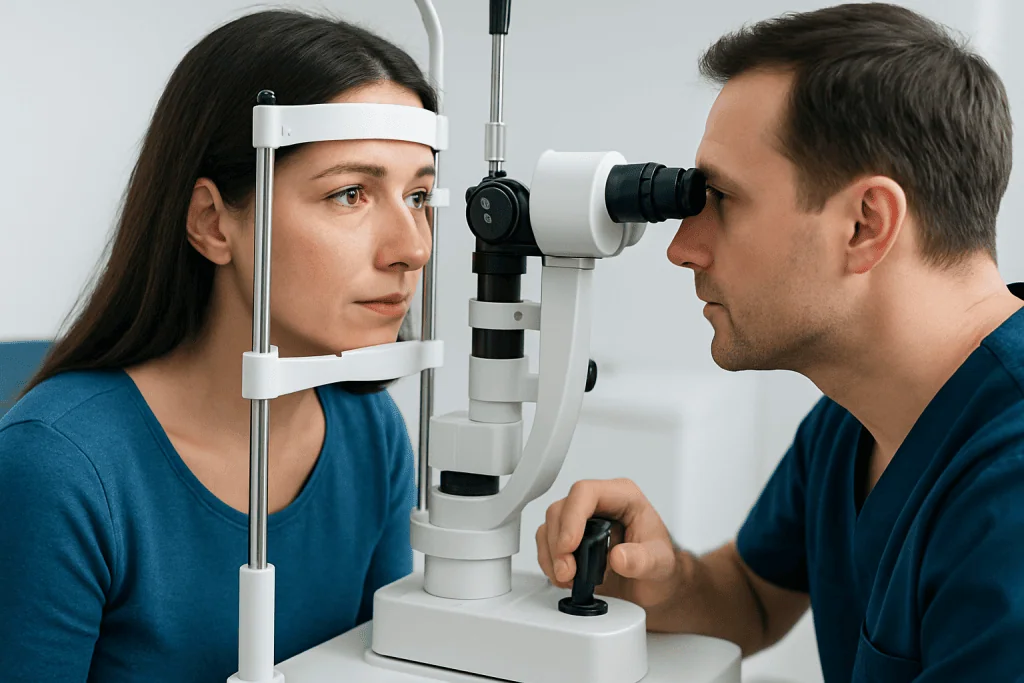
A PERRLA assessment is quick, painless, and usually done in less than a minute. A clinician first observes whether the pupils look equal in size and whether each one is round. Small differences can occur naturally in some people, but the pupils should generally appear symmetrical and regular.
Next, a light is shone into each eye to see whether the pupil constricts as expected. The clinician may check both the direct response in the eye being tested and the consensual response in the opposite eye. This helps show whether the pathways between the eyes and brain are functioning normally.
Finally, accommodation is assessed. The person may be asked to look at a distant point and then at a nearer object, such as a finger or penlight. Normal accommodation causes the pupils to constrict as focus shifts to the near object. This part of the exam complements, rather than replaces, a complete eye or neurologic assessment.
Because pupil findings can reflect both eye and brain function, PERRLA may be documented alongside a broader neurologic evaluation or an ophthalmic assessment such as a comprehensive eye examination.
Why pupil reactions matter medically

The pupils are controlled by a balance of muscles, nerves, and brain pathways. That is why a simple light test can provide useful information beyond the eyes themselves. A normal PERRLA finding supports the idea that these pathways are working appropriately at that moment.
Abnormal findings may suggest a range of issues, from medication effects and migraine to eye injury, optic nerve problems, or disorders affecting the brain. However, clinicians do not rely on pupil responses alone. They compare the pupil findings with symptoms such as pain, vision loss, dizziness, headache, confusion, eyelid drooping, or weakness.
In emergency settings, pupil checks can help monitor a person after head trauma or when there are concerns about changes in consciousness. In routine care, the same exam may simply confirm that no concerning pupil abnormality is present. This is why the same abbreviation can appear in both urgent and non-urgent medical records.
When PERRLA is normal and when it may be abnormal
A normal PERRLA finding means the pupils are similar in size, round, and responsive. Even so, normal pupils do not rule out every eye or neurologic condition. Some disorders can be present despite a normal pupil exam, which is why clinicians consider the whole clinical picture.
An abnormal result may be documented in several ways. The pupils may be unequal in size, sluggish to react, fixed, irregularly shaped, or less responsive when focusing on a near object. A clinician may also note that one eye reacts differently from the other.
Possible reasons for abnormal pupil findings include:
- Eye conditions such as inflammation, glaucoma, or trauma
- Neurologic problems affecting the brain, optic nerve, or other cranial nerves
- Medication or substance effects, including some eye drops
- Prior eye surgery or a naturally occurring stable difference in pupil size
- Migraine, infection, or other systemic illness
Some causes are benign, while others need urgent assessment. For example, new unequal pupils with eye pain, double vision, drooping eyelid, confusion, or severe headache deserve prompt medical attention. A fuller workup may include a neurological examination or targeted eye testing depending on the symptoms.
Common myths about PERRLA
One common myth is that PERRLA is a diagnosis. It is not. It is simply a documented exam finding, much like noting that heart sounds are regular or that blood pressure is within a certain range.
Another misconception is that if someone is “not PERRLA,” they must have a dangerous brain problem. In reality, there are many possible explanations, including medication effects, prior surgery, mild physiologic anisocoria, or local eye conditions. The significance depends on the person’s symptoms, history, and the rest of the examination.
It is also sometimes assumed that a normal PERRLA result means vision is fully normal. This is not correct. Someone can have refractive error, cataract, retinal disease, or other vision problems while still having pupils that are equal and reactive. If symptoms suggest an underlying eye disorder, clinicians may investigate for problems such as glaucoma or other ocular conditions even when PERRLA is documented as normal.
Finally, online sources may present PERRLA as a specialized test only used in emergencies. In fact, it is part of many standard clinical exams and is commonly checked in routine, outpatient, and hospital settings.
What happens if the pupil exam is not normal
If a clinician finds that the pupils are not behaving normally, the next step is usually to clarify whether this is new, long-standing, or related to another known condition. The medical history matters. Questions may cover recent eye drops, headache, trauma, surgery, contact lens use, vision changes, or neurologic symptoms.
The physical exam may then be expanded. Depending on the situation, the clinician may assess visual acuity, eye movements, eyelids, eye pressure, visual fields, or other parts of the neurologic exam. In some cases, imaging or specialist referral is recommended.
Testing is guided by the likely cause. For example, eye pain or halos around lights may lead to an urgent eye evaluation, while a sudden pupil change after head injury may prompt emergency neurologic assessment. If symptoms suggest a broader brain or nerve issue, a doctor may investigate conditions such as brain tumors among many other possible causes, though this is only one consideration and not the most common explanation.
Treatment depends entirely on the underlying problem. There is no treatment for “PERRLA” itself; care may range from observation and medication review to eye treatment, emergency care, or referral to a neurologist or ophthalmologist.
When to seek medical care
Medical care is appropriate any time there is a new or unexplained change in the pupils, especially if it happens suddenly. The need becomes more urgent if pupil changes are accompanied by other symptoms such as reduced vision, eye pain, severe headache, confusion, fainting, weakness, numbness, or difficulty speaking.
Prompt assessment is also important after a head injury, chemical exposure to the eye, or if one eyelid suddenly droops. These symptoms do not always indicate a serious emergency, but they should not be ignored because some causes need timely treatment to protect vision or neurologic function.
For non-urgent concerns, a person can start with a primary care doctor, ophthalmologist, or neurologist depending on the symptoms. If there is sudden vision loss, major trauma, or signs of stroke, emergency evaluation is the safest choice.
Practical takeaways for patients
For most people, seeing “PERRLA” in a medical note is reassuring because it usually means the pupils responded normally during the exam. It is best understood as one piece of objective clinical information rather than a complete statement about overall eye or brain health.
Patients do not need to memorize the term, but it can be useful to recognize it when reviewing test results or consultation notes. If a note mentions pupil asymmetry, sluggish reaction, or another abnormality, asking what it means in the context of the full exam can provide clarity and reduce unnecessary worry.
Regular health visits, routine eye care when recommended, and prompt attention to sudden neurologic or visual symptoms all support early detection of problems. Near the end of the care pathway, if specialist evaluation is needed, Acibadem International’s multidisciplinary specialists and JCI-accredited hospitals diagnose and treat eye and neurologic conditions for international patients.
Frequently asked questions
What does PERRLA mean in medical terms?
PERRLA stands for Pupils Equal, Round, Reactive to Light and Accommodation. It is a shorthand used by clinicians to record that the pupils looked normal and responded appropriately during an eye or neurologic exam.
Is PERRLA a diagnosis?
No. PERRLA is an examination finding, not a diagnosis. It describes how the pupils appeared and reacted at the time of the assessment.
Can someone have vision problems even if the chart says PERRLA?
Yes. PERRLA only describes pupil findings, not overall visual health. A person may still have refractive error, cataracts, retinal disease, or other eye conditions despite normal pupil reactions.
What if one pupil is naturally a little bigger than the other?
Some people have a small, stable difference in pupil size called physiologic anisocoria. It is often harmless, especially if it has been present for a long time and there are no other symptoms. A clinician can help determine whether it appears benign or needs further evaluation.
Does an abnormal pupil exam always mean a brain problem?
No. Abnormal pupil findings can result from many causes, including eye drops, medication effects, migraine, previous surgery, local eye disease, or nerve and brain conditions. The meaning depends on the full history, symptoms, and exam.
When should a person seek urgent help for pupil changes?
Urgent medical care is important if a pupil change is sudden or comes with severe headache, eye pain, vision loss, confusion, weakness, drooping eyelid, or head injury. These symptoms can have several causes, and some need prompt treatment.
References
- American Academy of Ophthalmology
- National Eye Institute
- Merck Manual Professional Edition
- MedlinePlus
- National Institute of Neurological Disorders and Stroke
This article is for general information only and is not a substitute for professional medical advice. Please consult a qualified doctor about your individual situation.
Explore treatments in Turkey — costs, top hospitals & a free quote
JCI-accredited · board-certified surgeons · reply within 24h
Add us as a Preferred Source to see more of our trusted health content across Google Search, AI Overviews and Discover.

More from the Health Library

Scabs in Hair on Head: A Complete Medical Overview

What is glutathione? A Doctor-Reviewed Answer

African Black Soap Benefits: A Complete Medical Overview

Pepcid Ac — Explained by Medical Evidence, Not Myths

IUD Brands: A Complete Medical Overview