Stool Bleeding Treatment: How It Works, Results and What to Expect

Blood in stool can come from hemorrhoids or fissures, but it may also signal inflammation, polyps, diverticular bleeding, ulcers, or cancer. The color, amount, and pattern of bleeding help guide testing, but they cannot reliably diagnose the cause alone.
Key Takeaways
- Blood in stool can come from hemorrhoids or fissures, but it may also signal inflammation, polyps, diverticular bleeding, ulcers, or cancer.
- The color, amount, and pattern of bleeding help guide testing, but they cannot reliably diagnose the cause alone.
- Treatment may involve diet and medicines, outpatient procedures, endoscopic bleeding control, or surgery depending on the diagnosis.
- Heavy bleeding, black tarry stools, fainting, severe pain, or weakness require urgent medical attention.
- Recovery time varies widely: minor anal causes may improve in days to weeks, while treatment for intestinal conditions depends on the diagnosis and procedure.
Stool bleeding treatment is not one single procedure: clinicians first identify where the blood is coming from, then treat the underlying cause. Many causes are manageable, but new, recurrent, dark, heavy, or painful bleeding should be assessed by a qualified clinician.
Overview: how stool bleeding treatment works
Stool bleeding treatment works by finding the source of bleeding and addressing that cause rather than treating the blood itself. A small streak of bright-red blood on toilet paper may come from hemorrhoids or a tiny anal tear, while darker blood or black, tar-like stool can suggest bleeding higher in the digestive tract. Because different causes need different care, a medical assessment is important when bleeding is new, persistent, recurrent, or unexplained.
Doctors consider the color and quantity of blood, bowel habits, pain, medications, age, and personal or family history. They may recommend conservative care for a clear minor cause, such as constipation-related hemorrhoids, or further tests when the cause is uncertain. Treatment can range from fiber and topical medicines to endoscopic treatment that controls active bleeding, removal of polyps, management of bowel inflammation, or surgery in selected cases.
Bleeding should not be self-diagnosed as hemorrhoids without appropriate evaluation. Even when the cause proves to be minor, professional advice can help prevent recurrence and ensure that more important conditions are not missed.
What the blood may mean: common causes and risk factors
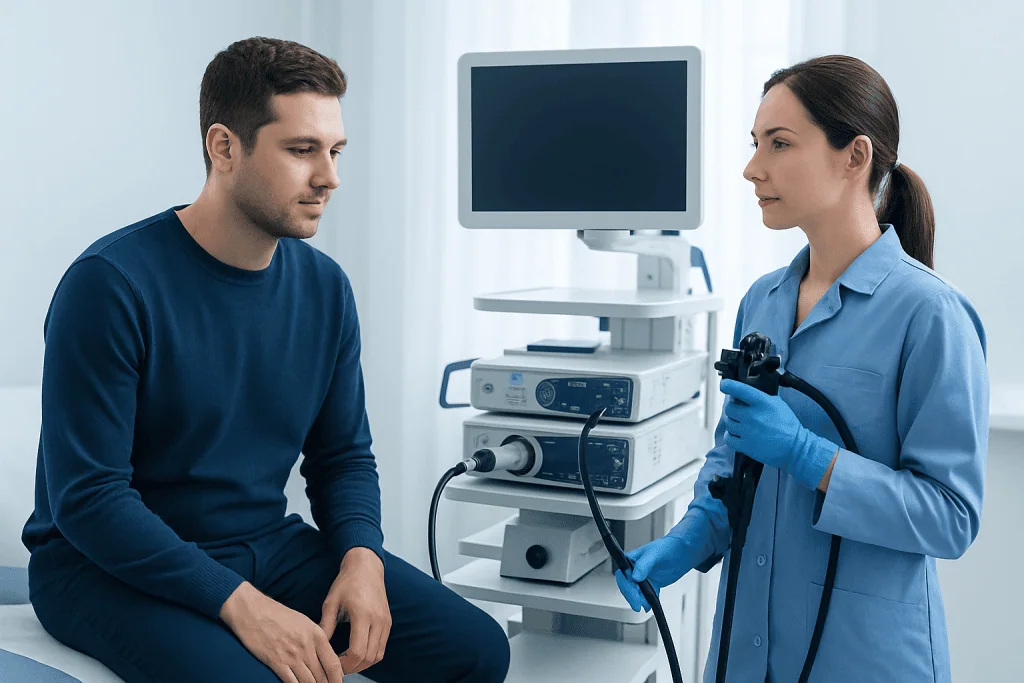
Bright-red blood may be seen with hemorrhoids, anal fissures, rectal inflammation, or bleeding from the lower bowel. Hemorrhoids are swollen veins in or around the anus and may bleed during bowel movements, especially when stool is hard or straining is frequent. An anal fissure is a small tear that commonly causes pain or burning during and after passing stool.
Other potential causes include diverticular disease, inflammatory bowel disease, intestinal infections, polyps, and colorectal cancer. Blood that is mixed through stool, bleeding accompanied by a change in bowel habits, or unexplained weight loss deserves timely assessment. Black, sticky, tar-like stool may result from bleeding in the stomach or upper intestine, although iron supplements and some foods can also darken stool.
Risk factors include constipation, prolonged sitting on the toilet, pregnancy, chronic diarrhea, use of medicines that affect bleeding such as anticoagulants or anti-inflammatory drugs, liver disease, and a personal or family history of bowel polyps or colorectal cancer. A clinician can review medicines safely; people should not stop prescribed blood thinners without medical guidance.
How doctors diagnose the source of bleeding

Diagnosis begins with a focused history and physical examination. A clinician may ask about the blood’s appearance, how often it occurs, whether it is on toilet paper or mixed with stool, abdominal or anal pain, fever, dizziness, and changes in appetite or weight. They will also ask about previous bowel conditions, screening history, and medicines or supplements.
An examination may include inspection of the anal area and a digital rectal examination. Depending on the situation, tests can include blood tests to check for anemia or inflammation, stool tests, anoscopy, flexible sigmoidoscopy, or colonoscopy. A colonoscopy allows the doctor to inspect the large bowel directly, take tissue samples if needed, and sometimes treat a bleeding site during the same procedure.
When bleeding is significant or the source is not found on routine endoscopy, imaging tests or specialized procedures may be needed. The testing plan is individualized: a young person with a painful fissure may need a different approach from an older adult with painless recurrent bleeding or symptoms of anemia.
How do doctors treat bloody stool?
Doctors treat bloody stool by treating its cause. For hemorrhoids or fissures, first-line care often includes increasing dietary fiber, drinking adequate fluids, avoiding straining, responding to the urge to pass stool, and using clinician-recommended local treatments. Warm sitz baths may ease discomfort from fissures or external hemorrhoids. Persistent hemorrhoid bleeding may be managed with office-based procedures such as rubber-band ligation, injection treatment, or heat-based therapy.
If a colonoscopy identifies a bleeding polyp, it can often be removed during the examination. Active gastrointestinal bleeding may be controlled with endoscopic techniques, including injection, clips, or thermal therapy. For conditions such as inflammatory bowel disease, treatment may include medicines to reduce intestinal inflammation. Infection-related bleeding is treated according to the specific infection and its severity.
Surgery is generally reserved for causes that do not respond to less invasive options, for certain complications, or when a condition such as cancer requires removal of affected tissue. The best plan is based on the bleeding source, overall health, severity of blood loss, and whether bleeding is ongoing.
What is the most common reason for bloody stools?
Common reasons for small amounts of bright-red blood include hemorrhoids and anal fissures. Hemorrhoids often cause painless bleeding noticed on toilet paper or in the toilet bowl, while fissures more often cause sharp pain with bowel movements. Constipation and straining can contribute to both conditions.
However, the most likely cause varies by age, symptoms, medical history, and the appearance of the stool. Blood should not automatically be attributed to hemorrhoids, particularly if it continues, is mixed with stool, occurs with abdominal symptoms, or appears alongside fatigue, weight loss, or a lasting change in bowel habits.
A doctor can determine whether a simple anal cause is present and advise whether bowel investigations are appropriate. This is particularly important for people who are due for colorectal cancer screening or have a family history of bowel cancer or polyps.
Procedure pathway: candidacy, steps, benefits and risks
Endoscopic treatment is considered when a doctor needs to inspect the bowel, identify a bleeding source, remove polyps, obtain biopsies, or stop active bleeding. People may be candidates when bleeding is persistent, unexplained, recurrent, associated with anemia, or concerning because of their age, risk factors, or other symptoms. In an emergency, the priority is to stabilize the person and locate significant ongoing bleeding promptly.
For a planned colonoscopy, patients usually follow a temporary dietary plan and take a bowel-cleansing preparation as instructed. At the appointment, sedation may be used, and a flexible camera is passed gently through the rectum to examine the colon. If appropriate, the specialist can remove polyps or use clips, injection, or heat to control a bleeding point. The procedure itself commonly takes less than an hour, but the total visit is longer because of preparation and recovery.
Benefits include a more accurate diagnosis and the possibility of treatment during the same examination. Risks are uncommon but can include temporary bloating, medication reactions, bleeding after polyp removal, infection, or rarely a tear in the bowel wall. The clinician explains individual risks and benefits before the procedure and provides instructions for when to seek help afterward.
How long does it take to get rid of bloody stool?
The time needed for bloody stool to stop depends entirely on the cause. Bleeding from a mild fissure or hemorrhoids may improve within days to a few weeks when constipation and straining are addressed. Some people need an office procedure, and healing may then continue over the following days or weeks.
Bleeding related to bowel inflammation, infection, ulcers, diverticular disease, polyps, or cancer follows a different timeline. It may stop quickly after targeted endoscopic treatment, but ongoing medical therapy, follow-up testing, or surgery can be needed. Treatment response should be monitored by the treating clinician, particularly if blood loss has led to anemia.
It is important to report bleeding that persists beyond a short period, returns after improving, or becomes heavier. A person should also contact their healthcare team if they develop dizziness, shortness of breath, worsening weakness, fever, severe abdominal pain, or black stools.
Can blood in stool ever be harmless?
A small amount of blood can result from a minor and treatable issue, such as hemorrhoids or an anal fissure. In this sense, it may not indicate a serious disease, especially when a clinician has confirmed the cause. Nevertheless, blood in stool is not considered normal and should be evaluated if it is new, recurrent, or not clearly explained.
Some stool color changes are not actually due to bleeding. Iron supplements, bismuth-containing medicines, and certain foods can make stool appear dark or red. A clinician can help distinguish these changes from true bleeding, especially when there is uncertainty.
People should seek urgent care for a large amount of blood, clots, black tar-like stool, vomiting blood, fainting, confusion, chest discomfort, marked weakness, or severe abdominal pain. These signs may indicate substantial blood loss or another urgent digestive condition.
When to seek medical care
Prompt medical advice is appropriate for any unexplained rectal bleeding, especially if it recurs or lasts more than a brief period. An appointment should be arranged sooner when bleeding occurs with a persistent change in bowel habits, abdominal pain, diarrhea, fever, fatigue, anemia, reduced appetite, or unintentional weight loss. People taking anticoagulants or antiplatelet medicines should report bleeding to their prescribing clinician.
Emergency assessment is needed for heavy or continuous bleeding, black tarry stools, fainting, dizziness, rapid heartbeat, severe weakness, severe abdominal pain, or signs of shock. These symptoms may require urgent tests and treatment in hospital.
For international patients, Acibadem International’s multidisciplinary specialists and JCI-accredited hospitals can assess digestive bleeding and coordinate diagnostic and treatment planning. Follow-up remains important after treatment, since it confirms healing, reviews test findings, and supports prevention of recurrence through bowel-health habits and condition-specific care.
Frequently asked questions
Is bright-red blood in stool always caused by hemorrhoids?
No. Hemorrhoids are a common cause of bright-red rectal bleeding, but fissures, inflammation, polyps, diverticular disease, and other bowel conditions can also cause it. A clinician should assess new or persistent bleeding rather than assuming the cause.
What tests are used for blood in stool?
Testing may include an anal and rectal examination, blood tests, stool tests, anoscopy, sigmoidoscopy, or colonoscopy. The choice depends on the bleeding pattern, age, symptoms, medical history, and findings from the initial assessment.
Can constipation cause blood in stool?
Yes. Hard stools and straining can cause anal fissures or worsen hemorrhoids, both of which may lead to bright-red blood. Improving stool consistency with fluids, fiber, regular activity, and clinician-guided treatment may help, but recurrent bleeding still needs evaluation.
Should a person stop blood thinners if they notice blood in stool?
No. Blood-thinning medicines should not be stopped without advice from the clinician who prescribed them, because sudden discontinuation can increase the risk of serious clots. The person should contact their healthcare team promptly to report the bleeding and receive individualized instructions.
What does black, tarry stool mean?
Black, sticky, tar-like stool can be a sign of bleeding from the upper digestive tract and should be assessed urgently, particularly if it is accompanied by weakness, dizziness, or abdominal discomfort. Iron and some medicines can darken stool, but a clinician should help determine the cause.
Can a colonoscopy treat bleeding as well as diagnose it?
Yes. During colonoscopy, a specialist may be able to remove a bleeding polyp or control certain bleeding areas using clips, injection, or heat-based techniques. Not every cause can be treated during the procedure, but colonoscopy often provides important information for planning next steps.
References
- National Institute of Diabetes and Digestive and Kidney Diseases
- American College of Gastroenterology
- American Society for Gastrointestinal Endoscopy
- National Health Service
- World Health Organization
This article is for general information only and is not a substitute for professional medical advice. Please consult a qualified doctor about your individual situation.
Explore treatments in Turkey — costs, top hospitals & a free quote
JCI-accredited · board-certified surgeons · reply within 24h
Add us as a Preferred Source to see more of our trusted health content across Google Search, AI Overviews and Discover.