Strength Training for Loose Skin: An Evidence-Based Guide for Patients

Strength training may improve the appearance of loose skin by increasing muscle mass and body firmness. Exercise cannot fully shrink or remove substantial excess skin.
Key Takeaways
- Strength training may improve the appearance of loose skin by increasing muscle mass and body firmness.
- Exercise cannot fully shrink or remove substantial excess skin.
- Skin elasticity depends on age, genetics, sun exposure, smoking, nutrition, and how quickly weight was lost.
- A balanced plan often includes resistance exercise, gradual weight management, skin care, and medical advice when needed.
- Persistent rashes, discomfort, or large skin folds may need evaluation by a doctor.
Strength training for loose skin can help by building muscle under the skin, improving body contour, and supporting overall skin health. However, it usually does not eliminate significant excess skin, especially after major weight loss, pregnancy, or aging-related changes.
Overview: Can strength training help loose skin?
Yes—strength training for loose skin can help improve how the body looks and feels, but it has limits. By increasing muscle size and tone beneath the skin, resistance exercise may make some areas appear firmer and less deflated. This is often most noticeable after mild to moderate weight loss or when loose skin is relatively limited.
At the same time, strength training does not directly “tighten” skin fibers in the way many people hope. When skin has been stretched for a long time, such as after significant weight loss, pregnancy, or with age-related collagen loss, it may not fully retract. In these situations, exercise can improve body composition and confidence, but extra skin may still remain.
This distinction matters because patients often receive mixed messages. A realistic, evidence-based approach is to view strength training as one useful part of care rather than a complete cure. It can support muscle mass, metabolic health, posture, and physical function while also improving the overall silhouette.
Why loose skin happens
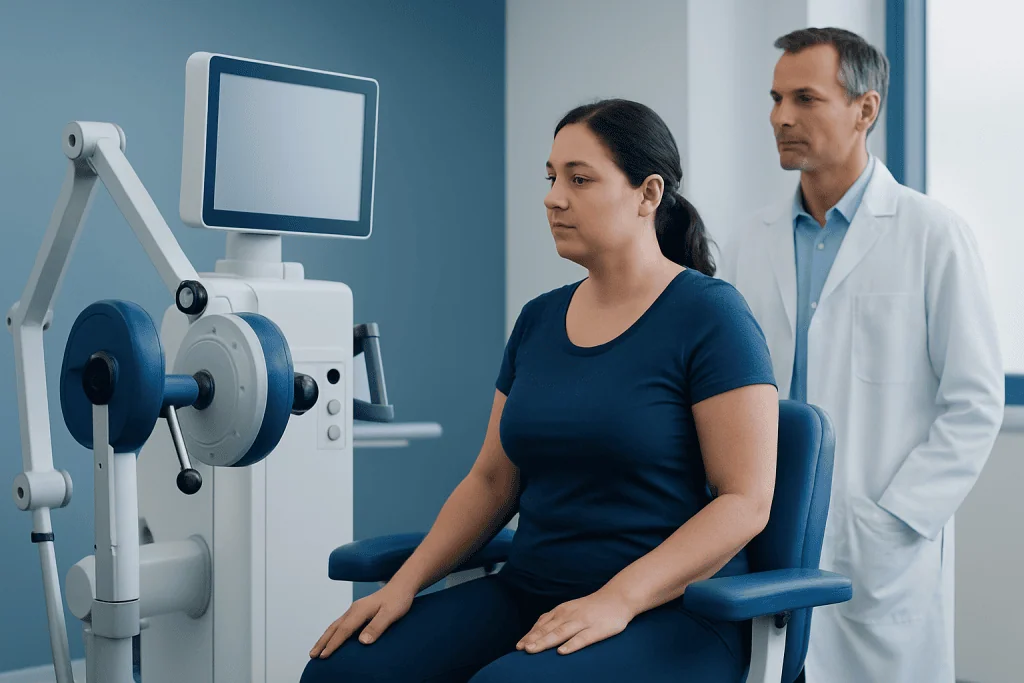
Loose skin develops when the skin stretches beyond its ability to spring back. The skin relies on collagen and elastin to stay firm and elastic. Over time, these structural proteins can weaken due to aging, repeated stretching, sun exposure, smoking, and other lifestyle or health factors.
One of the most common causes is major weight loss. When body fat decreases quickly or substantially, the skin may not contract at the same rate. This is especially common after obesity, bariatric surgery, or long periods of weight fluctuation. Some people also notice lax skin after pregnancy or after building and then losing muscle.
Loose skin can appear almost anywhere, but often affects the abdomen, upper arms, thighs, chest, buttocks, and neck. The amount varies widely between individuals. Important influences include age, genetics, starting weight, how long the skin was stretched, and how much sun damage the skin has accumulated over the years.
In some cases, the issue is mainly cosmetic. In others, extra skin can cause friction, irritation, sweating, fungal infections, and difficulty with exercise or clothing. When this occurs after major weight loss, it may overlap with concerns discussed on obesity care pathways, where long-term body changes are addressed as part of overall health management.
How strength training changes body contour
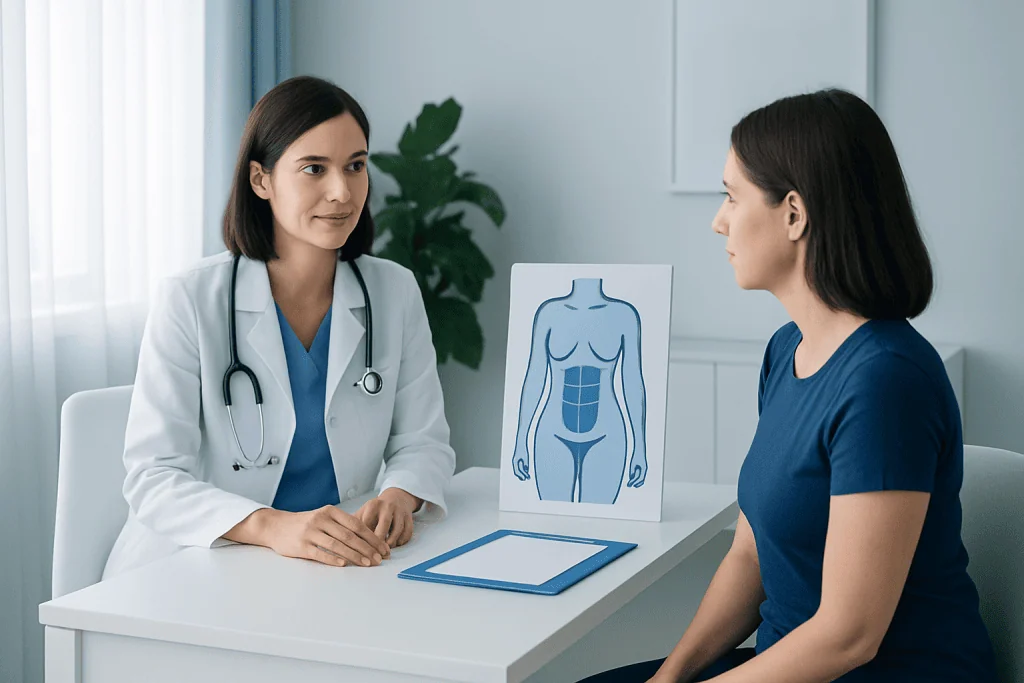
Strength training works by challenging muscles so they adapt over time. As muscles grow stronger and slightly larger, they can fill out some of the space beneath the skin. This may reduce the “empty” or sagging appearance in certain areas, particularly the arms, shoulders, glutes, thighs, and chest.
Resistance exercise also helps preserve lean mass during weight loss. This is important because losing too much muscle along with fat can make loose skin look more noticeable. A program that includes progressive resistance training can support a more balanced body composition and help the body look firmer even if the skin itself has not changed much.
There are also indirect benefits. Strength training improves posture, movement quality, insulin sensitivity, and daily function. Better posture alone can change how the abdomen, chest, and upper body appear. Combined with adequate protein intake and stable weight maintenance, these changes often create a more toned overall look.
That said, the amount of visible improvement depends on the starting point. Mild laxity may respond well to muscle-building efforts, while severe redundant skin usually cannot be “filled in” enough through exercise alone. Patients should think of resistance training as a body-composition strategy rather than a skin-removal treatment.
What strength training can and cannot do
Strength training can improve muscle tone, support healthy weight maintenance, and make some loose skin less obvious. It may be especially helpful after gradual weight loss, in younger patients, and in those with better baseline skin elasticity. In these situations, consistent exercise can contribute to meaningful visual improvement over time.
However, strength training cannot repair deeply stretched collagen and elastin or remove hanging folds of skin. It also does not target one area for skin tightening. So-called spot reduction is not supported by evidence; for example, doing many abdominal exercises will strengthen the core but will not specifically tighten loose abdominal skin.
Patients should also be cautious about unrealistic timelines. Muscle gain is gradual, and noticeable body-composition change typically takes weeks to months of regular training. Rapid transformations promoted online are often overstated, heavily edited, or influenced by lighting, posture, hydration, and temporary muscle “pump.”
If excess skin remains substantial, a doctor may discuss whether non-surgical skin-tightening methods or surgery are more appropriate. In selected cases, body contouring procedures such as body lift surgery or abdominoplasty may be considered after weight has been stable and overall health has been assessed.
Building an effective exercise plan
The most effective approach is a structured, progressive program rather than random workouts. Many patients benefit from full-body strength training two to four times per week, focusing on major movement patterns such as squats, hinges, pushes, pulls, and core stabilization. Examples include bodyweight exercises, resistance bands, machines, and free weights, adjusted to fitness level and medical history.
Progressive overload is important. This means gradually increasing resistance, repetitions, or training complexity so the muscles continue to adapt. Recovery also matters: muscles need time, sleep, and adequate nutrition to grow. For beginners, working with a qualified trainer or physical therapist can improve safety and technique, especially after major weight loss, surgery, or long periods of inactivity.
Nutrition supports the process. Adequate protein intake, hydration, and a balanced eating pattern help maintain lean tissue and overall skin health. Crash dieting should be avoided because repeated cycles of rapid loss and regain can worsen body composition and potentially make skin laxity more noticeable. If weight management remains part of the plan, a steady, sustainable pace is usually preferable.
Aerobic exercise can also be included for heart health and weight maintenance, but it should not replace resistance training when the goal is improving firmness. Patients who have undergone bariatric surgery may especially benefit from supervised exercise and nutrition follow-up while their body weight and shape continue to change.
Other options that may help loose skin
Some patients ask whether creams, supplements, or massage can tighten skin. Moisturizers may improve skin texture and comfort, but they do not remove significant excess skin. Oral collagen supplements are widely marketed, yet evidence for meaningful tightening of established loose skin remains limited and variable.
Healthy habits can still support skin quality. Sun protection helps preserve collagen, smoking cessation reduces ongoing damage to connective tissue, and good nutrition supports normal tissue repair. These steps are worthwhile for overall skin health even if they do not dramatically reverse laxity.
For people with mild to moderate laxity, doctors may discuss selected non-surgical options designed to stimulate collagen production, such as radiofrequency, ultrasound-based treatments, or other energy-based skin-tightening procedures. Results vary, and these options are generally more modest than surgery. They are best assessed by a qualified specialist who can determine whether the degree of laxity is suitable.
When loose skin is pronounced, surgery is often the most definitive option. This may involve localized procedures or more extensive contouring, depending on the area affected. Patients considering surgical treatment often benefit from consultation with specialists familiar with post-bariatric surgery body contouring and long-term weight-stability planning.
When to seek medical care
Medical care is advisable if loose skin causes repeated rashes, skin breakdown, odor, fungal infections, pain, or difficulty with mobility and exercise. These symptoms may suggest that the issue is affecting health and quality of life, not just appearance. A doctor can evaluate whether topical treatment, preventive skin care, or a procedural option is needed.
It is also reasonable to seek advice if body image concerns are affecting mental well-being, if weight has changed rapidly without explanation, or if a patient is unsure whether a bulge is loose skin, a hernia, or another medical problem. New swelling, asymmetry, or persistent discomfort should not be self-diagnosed.
Patients who have recently had major weight loss should ideally wait until weight has stabilized before pursuing procedural treatment, unless symptoms require earlier attention. A personalized assessment can clarify which options are realistic and safe. Near the end of the care journey, some international patients choose to consult Acibadem International, where multidisciplinary specialists in JCI-accredited hospitals evaluate and treat loose skin concerns in the context of overall health.
Frequently asked questions
Can strength training tighten loose skin after weight loss?
Strength training can improve the appearance of loose skin by building muscle underneath it and making body contours look firmer. However, it usually does not remove substantial excess skin, especially after major or rapid weight loss.
How long does it take to see results from strength training for loose skin?
Visible changes usually take weeks to months, not days. The timeline depends on training consistency, nutrition, age, starting muscle mass, and the degree of skin laxity.
Which areas respond best to strength training?
Areas where muscle can be developed effectively, such as the arms, shoulders, chest, glutes, and thighs, may show the most visible contour improvement. The abdomen can also look firmer with stronger core and trunk muscles, but extra abdominal skin often remains if it is significant.
Can creams or collagen supplements fix loose skin?
Creams may improve moisture and skin texture, but they do not remove large amounts of excess skin. Collagen supplements may support general skin health in some people, but evidence for reversing established loose skin is limited.
Is cardio or weight training better for loose skin?
Weight training is generally more helpful for improving firmness because it builds or preserves muscle mass. Cardio supports heart health and weight maintenance, but on its own it is less likely to improve the appearance of loose skin.
When is surgery considered for loose skin?
Surgery may be considered when loose skin is severe, causes physical symptoms, or remains bothersome after weight has stabilized and non-surgical measures have been tried. A specialist can explain whether body contouring or skin-removal surgery is appropriate for the specific area involved.
This article is for general information only and is not a substitute for professional medical advice. Please consult a qualified doctor about your individual situation.
Medical weight-loss options in Turkey — costs & eligibility
JCI-accredited · board-certified surgeons · reply within 24h
Add us as a Preferred Source to see more of our trusted health content across Google Search, AI Overviews and Discover.
Check your numbers in seconds
BMI, calories, due date, blood pressure and 30+ more clinical calculators — free, instant, doctor-reviewed ranges.

More from the Health Library

Heart Location — Explained by Medical Evidence, Not Myths
B12 Deficiency: An Evidence-Based Guide for Patients

Why Your Cervix May Hurt After Intercourse

Erythroplakia — Explained by Medical Evidence, Not Myths

Uterine Lining: A Complete Medical Overview