Strep B Bacteria Pregnancy: What Is Normal, What Is Not, and When to Seek Care

Group B strep is common and usually does not cause symptoms in pregnant adults. Testing late in pregnancy helps identify who may need antibiotics during labor.
Key Takeaways
- Group B strep is common and usually does not cause symptoms in pregnant adults.
- Testing late in pregnancy helps identify who may need antibiotics during labor.
- A positive GBS test does not usually mean an infection or a problem with the pregnancy itself.
- Prompt medical care is important for fever, labor, ruptured membranes, or signs of infection.
- Most babies stay well when recommended screening and labor care are followed.
Strep b bacteria pregnancy usually refers to Group B Streptococcus (GBS), a common bacterium that many healthy adults carry without symptoms. In pregnancy, carrying GBS is often normal, but it matters because the bacteria can pass to the baby during labor, so screening and timely treatment are important.
Overview: what strep B means in pregnancy
Strep B bacteria pregnancy refers to Group B Streptococcus, often called GBS. This bacterium can live naturally in the intestines, rectum, vagina, or urinary tract without causing illness. For many adults, this is a normal finding rather than a disease.
During pregnancy, the main concern is not usually the pregnant person’s health but the baby’s exposure to GBS during labor and birth. In some cases, a newborn who comes into contact with GBS can develop a serious infection. Because of this, routine screening in late pregnancy is a standard part of prenatal care in many settings.
A positive test for GBS does not mean someone has done anything wrong, has a sexually transmitted infection, or will definitely have complications. It simply helps the care team decide whether antibiotics during labor are recommended to reduce the baby’s risk.
What is normal and what is not
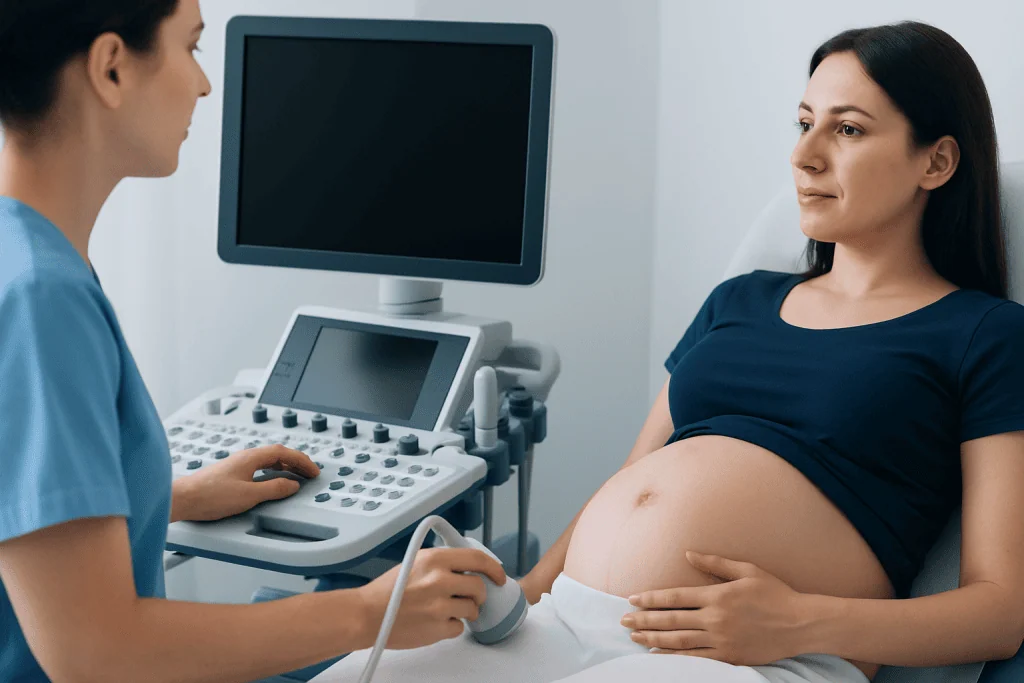
It is normal for some pregnant people to carry GBS without any symptoms. The bacteria may come and go over time, which is why testing is usually done later in pregnancy rather than early on. A positive screening result by itself often means colonization, not active infection.
What is not considered normal is when GBS causes a urinary tract infection, appears in urine in significant amounts, or is linked to symptoms such as fever or pelvic pain. These situations may need treatment during pregnancy as well as special planning for labor.
It is also not normal to ignore symptoms of infection, early labor, or ruptured membranes. Even though GBS is common, a person should contact a healthcare professional if there are concerning symptoms rather than assuming everything is routine.
- Usually normal: carrying GBS with no symptoms
- Needs medical attention: painful urination, fever, contractions, leaking fluid, or reduced fetal movement
- Important in labor: a history of positive GBS screening or GBS found in urine during pregnancy
Symptoms and possible effects

Most pregnant people with GBS have no symptoms at all. That is why screening is so important. Without testing, there is usually no reliable way to know whether GBS is present.
When symptoms do occur, they are often related to a urinary tract infection. A person may notice burning with urination, urinary urgency, lower abdominal discomfort, cloudy urine, or fever. Less commonly, GBS can be associated with infections of the uterus or surrounding tissues.
For babies, the main concern is newborn infection after exposure around the time of birth. Signs in a newborn can include poor feeding, unusual sleepiness, breathing problems, fever, or low temperature. These symptoms need urgent medical evaluation because newborn infections can worsen quickly.
Causes and risk factors
GBS is caused by naturally occurring bacteria that can colonize the digestive and genital tracts. It is not usually considered a sexually transmitted infection, and it does not reflect poor hygiene. Many healthy adults carry it at some point.
The reason GBS matters in pregnancy is timing. If the bacteria are present in the vagina or rectum when labor begins, the baby may be exposed while passing through the birth canal. This is why prevention focuses on identifying carriers near the due date and giving antibiotics during labor when indicated.
Certain factors can increase the chance that a baby could be affected. These include GBS found in the urine during pregnancy, a previous baby with GBS disease, fever during labor, labor starting too early, or membranes being ruptured for an extended time before birth. Some of these situations may lead doctors to recommend antibiotics in labor even if screening results are unavailable.
People who have other pregnancy-related infections may also need careful assessment. Depending on symptoms and findings, a doctor may evaluate for conditions such as urinary tract infection or other causes of pelvic discomfort and fever.
How GBS is diagnosed during pregnancy
GBS is usually diagnosed with a routine screening test done late in pregnancy, often between 36 and 37 weeks in many care settings. The test uses a swab from the lower vagina and rectal area. It is quick, generally well tolerated, and does not harm the baby.
Sometimes GBS is found earlier through a urine test. If GBS grows in urine during pregnancy, that can suggest heavier colonization and may influence management during labor. Symptomatic urinary infection is treated during pregnancy, while labor antibiotics are still considered separately based on obstetric guidance.
If labor begins before screening has been done, the care team may assess known risk factors and decide whether antibiotics are needed. In some hospitals, additional lab methods may be available, but routine late-pregnancy screening remains the main approach in many countries.
Pregnancy care may also include other checks to understand symptoms and protect both parent and baby. When concerns arise, doctors may combine examination with check-up and diagnosis and, if needed, ultrasonography to assess overall pregnancy well-being.
Treatment and birth planning
The most important treatment for GBS colonization is usually antibiotics during labor, not earlier in pregnancy. This helps lower the amount of bacteria present at the time the baby is born, which reduces the baby’s risk of infection. The antibiotics are given through a vein after labor starts or when membranes rupture, according to the care team’s plan.
If GBS is causing an actual urinary infection during pregnancy, that infection is treated at the time it is diagnosed. A positive GBS urine culture or a previous baby affected by GBS disease often means labor antibiotics will still be recommended later, even if a repeat swab is not done.
A cesarean birth before labor begins and before the membranes rupture may change whether GBS-specific labor antibiotics are needed. However, this decision depends on the overall obstetric situation, and any surgery has its own considerations. Discussions about delivery planning may involve routine prenatal care and, when necessary, pregnancy follow-up.
After birth, the baby is observed based on factors such as the timing of antibiotics, signs of illness, gestational age, and the length of time since the water broke. Most babies remain well, but some may need monitoring or tests if concerns arise.
Prevention, self-care, and practical questions
There is no reliable home remedy or hygiene method that can eliminate GBS colonization before birth. Douching, vaginal products, or self-prescribed treatments are not recommended and may cause irritation or disrupt healthy vaginal balance. The safest approach is routine prenatal care and following the testing plan recommended by a qualified clinician.
Good self-care in pregnancy still matters. Drinking enough fluids, reporting urinary symptoms early, attending prenatal visits, and going to the hospital or birthing unit promptly when labor starts can all help the care team act quickly if GBS antibiotics are needed.
It can also help to keep a record of test results and share them with the birth team, especially if traveling late in pregnancy or changing hospitals. If a person has questions about whether symptoms are related to GBS or another issue, it is reasonable to ask for medical advice rather than waiting.
For international patients who need coordinated pregnancy assessment or delivery planning, Acibadem International’s multidisciplinary specialists in JCI-accredited hospitals provide diagnosis and treatment support tailored to the individual clinical situation.
When to seek medical care
A pregnant person should seek medical care promptly if there is fever, chills, painful urination, contractions, vaginal bleeding, leaking of amniotic fluid, severe abdominal pain, or decreased fetal movement. These symptoms are not specific to GBS, but they need assessment because they can signal infection, labor, or another pregnancy complication.
Urgent medical attention is especially important if labor starts before GBS screening has been completed, if the water breaks, or if there is a history of GBS in urine or a previous baby with GBS disease. The care team can decide whether antibiotics should begin and what monitoring is needed.
After delivery, parents should seek immediate care for a newborn with poor feeding, breathing difficulty, unusual sleepiness, fever, low temperature, or a weak cry. Newborn symptoms can have many causes, but early evaluation is the safest step.
Frequently asked questions
Is strep B bacteria in pregnancy normal?
Yes. Many healthy adults carry Group B strep without symptoms, and this can be a normal finding in pregnancy. It becomes important because the bacteria can pass to the baby during labor, which is why screening and labor planning are recommended.
Does a positive GBS test mean there is an infection?
Not usually. A positive swab most often means colonization, which means the bacteria are present but not causing illness. It is different from an active infection such as a urinary tract infection, which may cause symptoms and need treatment during pregnancy.
When are pregnant people usually tested for GBS?
Testing is commonly done late in pregnancy, often between 36 and 37 weeks. This timing helps predict whether GBS is likely to be present at delivery, since colonization can change over time.
If GBS is positive, will antibiotics be needed before labor?
In most cases, antibiotics are given during labor rather than earlier in pregnancy. This timing is most effective for reducing the baby’s exposure during birth. If GBS is causing a urinary infection, that infection may be treated sooner.
Can GBS hurt the baby during pregnancy?
The main risk is usually around the time of labor and delivery, when the baby may be exposed to the bacteria. Most babies do well, especially when recommended screening and labor antibiotics are used. Ongoing prenatal care helps identify the situations that need extra attention.
Can anything be done at home to get rid of GBS?
There is no proven home treatment that safely clears GBS colonization before birth. Home remedies, douching, or using unapproved products are not recommended. The safest plan is to follow medical guidance, attend prenatal visits, and inform the birth team about test results.
References
- Centers for Disease Control and Prevention
- American College of Obstetricians and Gynecologists
- World Health Organization
- National Institute for Health and Care Excellence
- March of Dimes
This article is for general information only and is not a substitute for professional medical advice. Please consult a qualified doctor about your individual situation.
Persistent digestive symptoms? Get evaluated in Turkey
JCI-accredited · board-certified surgeons · reply within 24h
Add us as a Preferred Source to see more of our trusted health content across Google Search, AI Overviews and Discover.
Check your numbers in seconds
BMI, calories, due date, blood pressure and 30+ more clinical calculators — free, instant, doctor-reviewed ranges.