Stress Headache Relief: How to Ease Tension and Stress-Related Pain

Stress headaches are commonly linked to tension-type headaches and may feel like a tight band around the head. Common triggers include emotional stress, poor sleep, muscle tension, dehydration, skipped meals, and long periods of screen use.
Key Takeaways
- Stress headaches are commonly linked to tension-type headaches and may feel like a tight band around the head.
- Common triggers include emotional stress, poor sleep, muscle tension, dehydration, skipped meals, and long periods of screen use.
- Most stress headaches improve with rest, hydration, relaxation techniques, posture changes, and appropriate over-the-counter medicines when suitable.
- Frequent headaches, sudden severe pain, neurological symptoms, or a change in headache pattern should be assessed by a doctor.
- Keeping a headache diary can help identify triggers and guide treatment.
Stress headaches, often called tension headaches, commonly cause a dull, pressure-like pain around the head or neck. Relief usually involves a combination of stress management, healthy daily habits, and medical assessment when headaches are frequent, severe, or unusual.
Overview
Stress headaches are a common reason people seek headache relief. In many cases, the term refers to a tension-type headache, which typically causes a dull, aching pain or a feeling of pressure across the forehead, temples, or back of the head and neck. These headaches can happen occasionally or become more frequent over time.
Although they can be uncomfortable and tiring, stress headaches are usually not dangerous. They are often linked to emotional strain, muscle tension, poor sleep, dehydration, or daily habits that put stress on the body. The pain is often mild to moderate rather than severe, and many people remain able to continue daily activities, even if they feel less productive or comfortable.
Headache relief is most effective when it addresses both the immediate pain and the underlying triggers. For some people, simple measures such as hydration, rest, stretching, or stress reduction help significantly. Others may need medical advice to confirm the diagnosis, especially if headaches are frequent, changing, or interfering with work, school, or sleep.
Symptoms of a Stress Headache
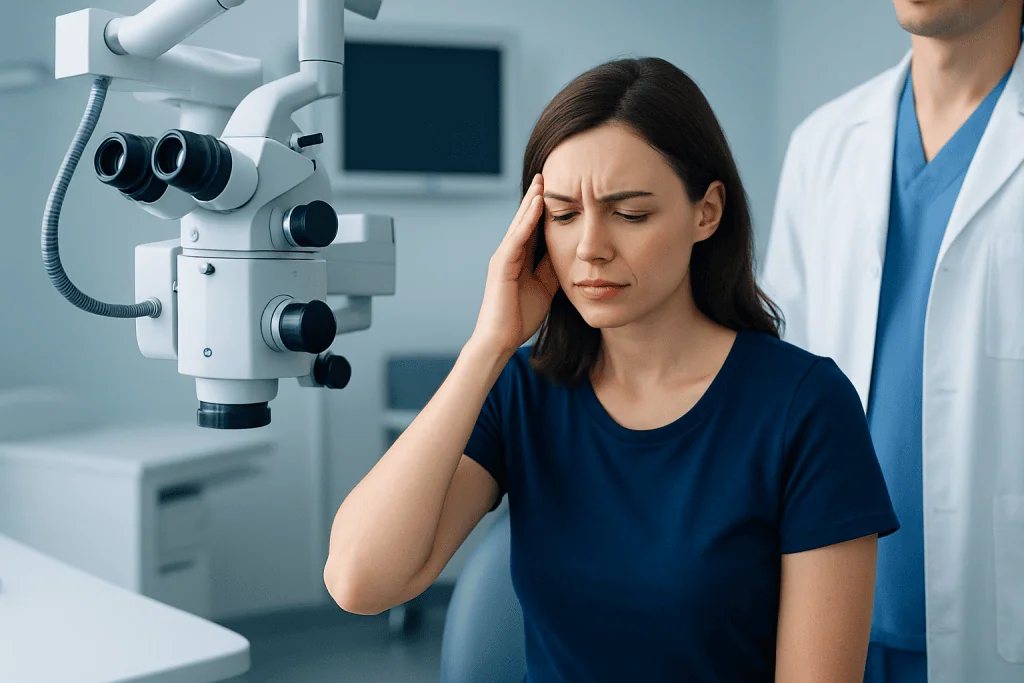
The classic symptom of a stress headache is a steady, pressure-like pain rather than a throbbing sensation. Many people describe it as a tight band around the head, heaviness in the forehead, or soreness at the temples. The neck, shoulders, and scalp may also feel tender or tight.
Stress headaches can vary in duration. Some last 30 minutes, while others continue for several hours. In people with more frequent episodes, the headache may come and go across days or weeks. The pain is often present on both sides of the head, which can help distinguish it from some other headache types.
Common features may include:
- Dull, aching head pain
- Pressure or tightness across the forehead or around the head
- Tenderness in the scalp, neck, or shoulder muscles
- Mild sensitivity to light or noise in some cases
- A sense of fatigue, irritability, or difficulty concentrating
Unlike migraine, stress headaches usually do not cause strong nausea, vomiting, or severe sensitivity to light and sound. Still, headaches can overlap, and some people may have both tension headaches and migraine at different times. A doctor can help clarify the type if symptoms are confusing or persistent.
Causes and Risk Factors

Stress headaches do not have a single cause. They are often the result of several factors working together. Emotional stress can lead to tightening of muscles in the neck, shoulders, jaw, and scalp. This muscle tension may contribute to the pain and pressure people feel during a headache.
Everyday habits and physical strain also play a role. Long hours at a computer, poor posture, eye strain, skipped meals, not drinking enough water, and inadequate sleep can all make tension headaches more likely. Some people notice headaches after intense concentration, travel, or periods of anxiety. Others develop symptoms when they clench their jaw or grind their teeth, especially during sleep.
Risk factors and triggers often include:
- Emotional stress, anxiety, or mental overload
- Poor sleep quality or irregular sleep schedules
- Muscle tension in the neck, shoulders, and scalp
- Dehydration or missed meals
- Excess caffeine or caffeine withdrawal
- Prolonged screen time and poor posture
- Lack of physical activity
Headaches can also be related to other medical conditions. Sinus problems, medication overuse, dental clenching, and some neurological conditions may cause similar symptoms. If headaches become frequent or hard to explain, proper evaluation is important to rule out other causes, including cluster headache or other primary headache disorders.
How Stress Headaches Are Diagnosed
Diagnosis usually begins with a detailed history. A doctor will ask when the headaches started, how often they happen, where the pain is located, how long it lasts, and what seems to trigger or relieve it. They may also ask about sleep, stress, work habits, hydration, caffeine, medications, and family history of headache disorders.
A physical and neurological examination may be performed to look for muscle tenderness, posture-related strain, and signs that point to another cause. In many cases, stress headaches can be diagnosed clinically, which means the diagnosis is based on symptoms and examination rather than a specific test.
Tests such as imaging are not always needed for a typical tension headache pattern. However, a doctor may recommend further assessment if there are warning signs, such as a sudden severe headache, weakness, numbness, confusion, fever, seizures, vision changes, or a major change in the usual pattern. In those situations, evaluation may include blood tests or imaging such as MRI or CT scan to look for other causes.
Keeping a headache diary before the appointment can be very helpful. Writing down the timing, duration, triggers, foods, sleep pattern, stress level, and any medicines taken may make it easier to identify patterns and choose the right treatment plan.
Treatment Options for Stress Headache Relief
Treatment depends on how often the headaches occur and how much they affect daily life. For occasional headaches, many people improve with self-care measures such as resting in a quiet room, drinking water, using a warm compress on the neck or shoulders, or doing gentle stretching. Over-the-counter pain relievers may also help when used appropriately and only as advised on the label or by a doctor.
When headaches are frequent, treatment often focuses on reducing triggers and preventing recurrence. Stress management can be a key part of relief. This may include relaxation techniques, breathing exercises, regular exercise, improved sleep habits, or counseling when stress, anxiety, or burnout are contributing factors. Some people also benefit from physical therapy if poor posture or chronic neck and shoulder tension are involved.
If headaches happen often, a doctor may look for medication overuse, which can happen when pain relievers are taken too frequently. In such cases, reducing overuse safely is an important part of treatment. Depending on the pattern of symptoms, medical care may also involve referral to neurology or a headache specialist for a personalized plan.
For people with persistent headaches, a broader evaluation may be helpful to identify related issues such as sleep problems, jaw clenching, vision strain, or coexisting sinusitis. Treating these contributing factors can reduce the burden of headaches over time.
Prevention and Self-Care
Preventing stress headaches often starts with healthy daily routines. Regular sleep, balanced meals, good hydration, and movement breaks during the day can make a meaningful difference. Many people find that headaches become less frequent when they avoid staying in one position too long, especially during desk work or travel.
Simple stress-reduction practices can also help. Slow breathing, stretching, mindfulness, yoga, and regular physical activity may reduce muscle tension and improve resilience to stress. It is also useful to pay attention to work ergonomics, including screen height, chair support, and shoulder position, as poor posture can contribute to both neck strain and headaches.
Helpful self-care strategies include:
- Drink enough water throughout the day
- Do not skip meals
- Maintain a regular sleep schedule
- Take short breaks from screens and desk work
- Stretch the neck and shoulders gently
- Limit excessive caffeine and avoid abrupt withdrawal
- Track headache triggers in a diary
If headaches are recurrent, professional support may help prevent them from becoming chronic. Near the end of the care pathway, some patients may be assessed by multidisciplinary specialists. Acibadem International’s JCI-accredited hospitals provide diagnosis and treatment for international patients with headache disorders when specialist evaluation is needed.
When to See a Doctor
Most stress headaches are manageable, but some situations deserve medical advice. A doctor should assess headaches that are happening often, lasting longer than usual, getting worse over time, or reducing quality of life. Medical review is also important if someone is using pain relievers frequently or if headaches are interfering with work, sleep, or normal activities.
Urgent medical attention is needed for warning signs that suggest a possible serious condition rather than a routine stress headache. These include a sudden, explosive headache; headache after a head injury; headache with fever or neck stiffness; or headache with weakness, confusion, fainting, seizures, speech difficulty, or new vision loss.
It is also wise to seek care if a person is over age 50 and develops a new type of headache, has a history of cancer or immune system problems, or notices that the usual headache pattern has changed. These situations do not always mean something serious is wrong, but they do require timely evaluation to ensure safe and appropriate care.
Frequently asked questions
What does a stress headache feel like?
A stress headache often feels like a dull, steady pressure or tightness around the forehead, temples, or back of the head. Many people describe it as a band-like sensation, sometimes with neck or shoulder tightness.
How long can a stress headache last?
A stress headache may last from about 30 minutes to several hours. In some people, especially when triggers continue, the discomfort can come and go over a longer period.
What helps stress headache relief at home?
Common home measures include resting, drinking water, eating regularly, reducing screen time, and stretching the neck and shoulders. Relaxation techniques such as deep breathing or a warm compress may also help ease muscle tension.
Can stress headaches be prevented?
Yes, many stress headaches can be reduced by maintaining regular sleep, hydration, meals, and physical activity. Managing stress, improving posture, and taking breaks during desk work are also useful prevention steps.
When should someone worry about a stress headache?
A doctor should evaluate headaches that are new, frequent, worsening, or different from the usual pattern. Urgent care is important for sudden severe headache or headache with weakness, confusion, fever, seizures, or vision changes.
Are stress headaches the same as migraines?
No, they are different headache types, though symptoms can sometimes overlap. Stress headaches are usually pressure-like and milder, while migraines often cause throbbing pain and may include nausea or strong sensitivity to light and sound.
References
- World Health Organization
- International Headache Society
- National Institute of Neurological Disorders and Stroke
- American Migraine Foundation
- Mayo Clinic
This article is for general information only and is not a substitute for professional medical advice. Please consult a qualified doctor about your individual situation.
Explore treatments in Turkey — costs, top hospitals & a free quote
JCI-accredited · board-certified surgeons · reply within 24h
Add us as a Preferred Source to see more of our trusted health content across Google Search, AI Overviews and Discover.

More from the Health Library



Related Specialists

Dr. Aydoğan Barut
Anesthesiology
Dt. Gülçin Doğusal İşgüder
Dentistry
Assoc. Prof. Dr. Ahmet Küçükçelebi
Aesthetic Plastic & Reconstructive Surgery
Dr. Ali Recai Bitkay
Emergency Service