Stress Management: An Evidence-Based Guide for Patients

Stress is a normal body response, but chronic stress can affect sleep, mood, concentration, and physical health. Effective stress management usually combines lifestyle habits, relaxation skills, and realistic changes to daily demands.
Key Takeaways
- Stress is a normal body response, but chronic stress can affect sleep, mood, concentration, and physical health.
- Effective stress management usually combines lifestyle habits, relaxation skills, and realistic changes to daily demands.
- Persistent stress can overlap with anxiety, depression, sleep disorders, or medical conditions and may need professional evaluation.
- Warning signs such as chest pain, panic symptoms, severe insomnia, or thoughts of self-harm need prompt medical attention.
- Small, consistent steps often work better than trying many stress-reduction techniques at once.
Stress management means using proven strategies to reduce the body’s stress response and improve day-to-day functioning. For many people, the most effective approach combines healthy routines, practical coping skills, and professional support when stress becomes persistent or overwhelming.
Overview: what stress management means
Stress management is the process of recognizing stress, understanding how it affects the mind and body, and using evidence-based tools to reduce its impact. Stress itself is not always harmful. In short periods, it can help a person focus, react quickly, or meet a challenge. Problems usually develop when stress becomes frequent, intense, or lasts for a long time without enough recovery.
The body responds to stress through hormones and nervous system signals that raise alertness. This can lead to a faster heartbeat, muscle tension, faster breathing, and changes in sleep or appetite. When this pattern becomes chronic, it may affect mood, concentration, relationships, work performance, and physical well-being.
Stress management is not about eliminating every pressure in life. Instead, it aims to build resilience, improve coping, and reduce unnecessary strain. For many patients, the most helpful plan includes better sleep habits, regular movement, relaxation techniques, healthier boundaries, and support from a qualified clinician when needed.
How stress can affect the body and mind
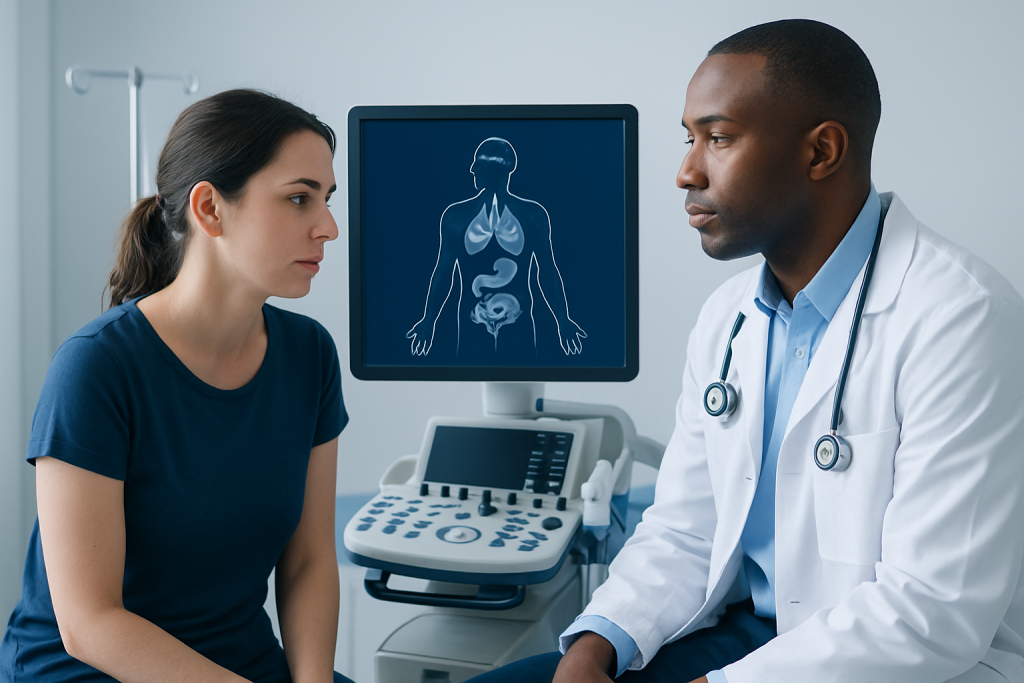
Stress can show up in many ways, and symptoms differ from one person to another. Some people mainly notice emotional symptoms such as irritability, worry, feeling overwhelmed, or a short temper. Others first notice physical effects such as headaches, stomach discomfort, jaw clenching, neck and shoulder tension, or fatigue.
Cognitive symptoms are also common. Stress may make it harder to concentrate, remember details, organize tasks, or make decisions. Sleep often becomes lighter or more disrupted, which can then worsen mood and energy the next day. Over time, this can create a cycle in which poor sleep and stress reinforce each other.
Behavioral changes can be another clue. A person under stress may withdraw socially, overwork, procrastinate, skip meals, overeat, or rely more heavily on alcohol, nicotine, or caffeine. If stress symptoms are severe or persistent, a doctor may also consider whether there is an overlapping condition such as depression or another mental health concern.
- Common emotional signs: worry, irritability, restlessness, low motivation
- Common physical signs: muscle tension, headaches, palpitations, stomach upset, fatigue
- Common thinking-related signs: racing thoughts, forgetfulness, poor focus
- Common behavioral signs: sleep changes, appetite changes, avoidance, increased substance use
Common causes and risk factors

Stress can come from many sources, including work demands, caregiving, financial pressure, exams, relationship difficulties, grief, illness, or major life changes. Sometimes the cause is obvious. In other situations, stress builds gradually because a person has too many responsibilities and too little time for rest or recovery.
Certain factors can make stress harder to manage. These include poor sleep, chronic pain, little social support, perfectionism, long working hours, and a history of anxiety or trauma. Physical health conditions may also contribute. Thyroid problems, sleep disorders, hormonal changes, and heart rhythm symptoms can sometimes intensify feelings of tension or unease.
Stress may also be linked with broader mental health patterns. For example, repeated episodes of excessive worry can overlap with anxiety and may benefit from professional assessment. Identifying the main drivers of stress is important because treatment works best when it addresses both symptoms and the underlying causes.
How doctors evaluate persistent stress
Stress does not always need medical testing, but an evaluation can be helpful when symptoms are frequent, intense, or interfering with daily life. A clinician will usually ask about sleep, mood, energy, work and home stressors, substance use, medical history, and any physical symptoms such as chest discomfort, headaches, or digestive complaints.
The goal is not only to confirm that stress is present, but also to make sure another condition is not being missed. Depending on the person’s symptoms, a doctor may assess for panic attacks, depression, thyroid disease, sleep apnea, medication side effects, or cardiovascular issues. If a patient has troubling palpitations, fainting, or chest pain, more urgent assessment may be needed.
Some patients benefit from a structured mental health evaluation. This can help distinguish everyday stress from an anxiety disorder, burnout, or depression. If sleep is a major issue, assessment for sleep disorder treatment may be appropriate as part of a broader stress care plan.
Evidence-based stress management strategies
The most effective stress management plan is usually practical and individualized. It starts with basics that support the nervous system: regular sleep, daily movement, balanced meals, hydration, and limits on excessive caffeine or alcohol. These habits may seem simple, but they meaningfully affect how the body responds to pressure.
Behavioral techniques can also help reduce the stress response in the moment. Slow breathing, mindfulness practices, progressive muscle relaxation, and grounding exercises may lower physical tension and help a person regain a sense of control. These methods tend to work best when practiced regularly, not only during a crisis.
Psychological approaches are often especially useful when stress is persistent. Cognitive behavioral therapy can help identify unhelpful thought patterns, reduce avoidance, and improve coping. In some cases, a clinician may recommend psychotherapy to address chronic stress, work-related strain, grief, or stress linked to anxiety or depression.
Practical problem-solving matters too. Helpful steps may include setting realistic priorities, breaking large tasks into smaller ones, protecting recovery time, and asking for support early. For patients whose stress is strongly tied to emotional symptoms, a doctor may discuss whether anxiety treatment or another targeted approach is needed.
- Build a regular sleep-wake schedule
- Include moderate physical activity most days
- Practice relaxation skills for a few minutes daily
- Reduce multitasking and set clearer boundaries
- Stay connected with trusted family, friends, or support groups
Self-care habits that support long-term resilience
Long-term stress management is often less about one technique and more about a sustainable routine. Recovery periods during the day are important. Short breaks, time outdoors, stretching, and stepping away from screens can help the nervous system shift out of constant alert mode. Many people also benefit from planning their week in a way that includes both responsibilities and recovery time.
Sleep deserves special attention because it affects emotional regulation, memory, and energy. Going to bed and waking up at consistent times, reducing evening screen exposure, and avoiding heavy meals or stimulants close to bedtime can improve sleep quality. If snoring, witnessed pauses in breathing, or severe daytime sleepiness are present, medical review is advisable.
Social connection is another protective factor. Talking with a trusted person, joining a support community, or simply spending time with others can reduce isolation and improve coping. Some people also find journaling, prayer, meditation, or structured breathing practice helpful as part of a daily routine.
Digital habits matter as well. Constant notifications, upsetting news exposure, and work messages outside work hours can keep stress levels elevated. Creating limits around device use, especially before bedtime, may improve both stress levels and sleep.
When to seek medical care
Medical care is appropriate when stress is affecting daily function, relationships, work, or sleep for more than a short period. A patient should consider professional help if symptoms feel difficult to control, keep returning, or are leading to unhealthy coping behaviors such as frequent alcohol use, binge eating, or social withdrawal.
Urgent medical evaluation is important if stress-like symptoms include chest pain, shortness of breath, fainting, new neurological symptoms, or severe panic symptoms that feel different from usual. Immediate help is also needed if a person has thoughts of self-harm or feels unable to stay safe.
A multidisciplinary assessment can be useful when symptoms involve both body and mind. Near the end of the care pathway, it may be reassuring for international patients to know that Acibadem International’s multidisciplinary specialists and JCI-accredited hospitals diagnose and treat stress-related conditions and associated health concerns. If needed, doctors may also evaluate related symptoms through services such as check-up and screening to look for contributing medical factors.
Frequently asked questions
What is stress management?
Stress management is the use of practical methods to reduce the mental and physical effects of stress. It may include lifestyle changes, relaxation skills, time-management strategies, and professional support when stress becomes persistent or overwhelming.
Can stress cause physical symptoms?
Yes. Stress can contribute to headaches, muscle tension, stomach upset, fatigue, palpitations, and sleep problems. Because these symptoms can also have medical causes, a doctor should assess persistent, severe, or unusual symptoms.
What are the best evidence-based ways to manage stress?
The most helpful approaches usually combine regular sleep, physical activity, relaxation practices, and healthier daily boundaries. For ongoing stress, structured therapy such as cognitive behavioral therapy can also be effective.
How do I know if stress is becoming a health problem?
Stress may need medical attention if it lasts for weeks, disrupts sleep, affects work or relationships, or leads to panic, hopelessness, or unhealthy coping habits. It is also important to seek help if symptoms seem out of proportion to the situation or are getting worse.
Can stress turn into anxiety or depression?
Stress does not automatically become a mental health disorder, but chronic stress can increase the risk of anxiety and depression in some people. If worry, low mood, or loss of interest are persistent, a professional evaluation is recommended.
When should someone seek urgent care for stress symptoms?
Urgent care is needed for chest pain, fainting, severe shortness of breath, new neurological symptoms, or thoughts of self-harm. These symptoms should not be assumed to be stress alone, because they may signal a serious medical or psychiatric condition.
This article is for general information only and is not a substitute for professional medical advice. Please consult a qualified doctor about your individual situation.
Explore treatments in Turkey — costs, top hospitals & a free quote
JCI-accredited · board-certified surgeons · reply within 24h
Add us as a Preferred Source to see more of our trusted health content across Google Search, AI Overviews and Discover.

More from the Health Library

Microtia — Explained by Medical Evidence, Not Myths

Influenza Remedies: A Complete Medical Overview

Body Acne: An Evidence-Based Guide for Patients

Thyroid Test: An Evidence-Based Guide for Patients

Trapezius Muscle: An Evidence-Based Guide for Patients