Stroke Clot Retrieval: Who Can Benefit From Thrombectomy?

Stroke clot retrieval is used for ischemic stroke, not for all types of stroke. It is most often considered when a large artery in the brain is blocked.
Key Takeaways
- Stroke clot retrieval is used for ischemic stroke, not for all types of stroke.
- It is most often considered when a large artery in the brain is blocked.
- Fast evaluation is essential because treatment works best within a limited time window.
- Brain imaging helps doctors decide who is likely to benefit from thrombectomy.
- Thrombectomy is often combined with standard clot-busting treatment when appropriate.
- Recognizing stroke symptoms and calling emergency services immediately can save brain function.
Stroke clot retrieval, also called mechanical thrombectomy, is a procedure used to remove a blood clot from a blocked brain artery in certain cases of ischemic stroke. It is most helpful for selected patients with a large vessel blockage, especially when treatment begins quickly after symptoms start.
Overview
Stroke clot retrieval is a minimally invasive procedure used to remove a blood clot from an artery supplying the brain. The medical term is mechanical thrombectomy. It is performed for certain people with ischemic stroke, which happens when blood flow to part of the brain is blocked. By reopening the artery, doctors aim to restore circulation, limit brain injury, and improve the chances of recovery.
Not every stroke is treated this way. Thrombectomy is mainly used when imaging shows a large vessel occlusion, meaning a major brain artery is blocked. It is also important that the person arrives at the hospital within a time window in which treatment is likely to help, although that window may be longer for carefully selected patients based on advanced scans.
This treatment has changed modern stroke care because some patients who might otherwise have severe disability can do much better when the clot is removed promptly. Even so, the decision is individualized. Doctors consider the person’s symptoms, the location of the blockage, the amount of brain tissue still at risk, and overall medical condition before recommending the procedure.
Who Can Benefit From Thrombectomy?
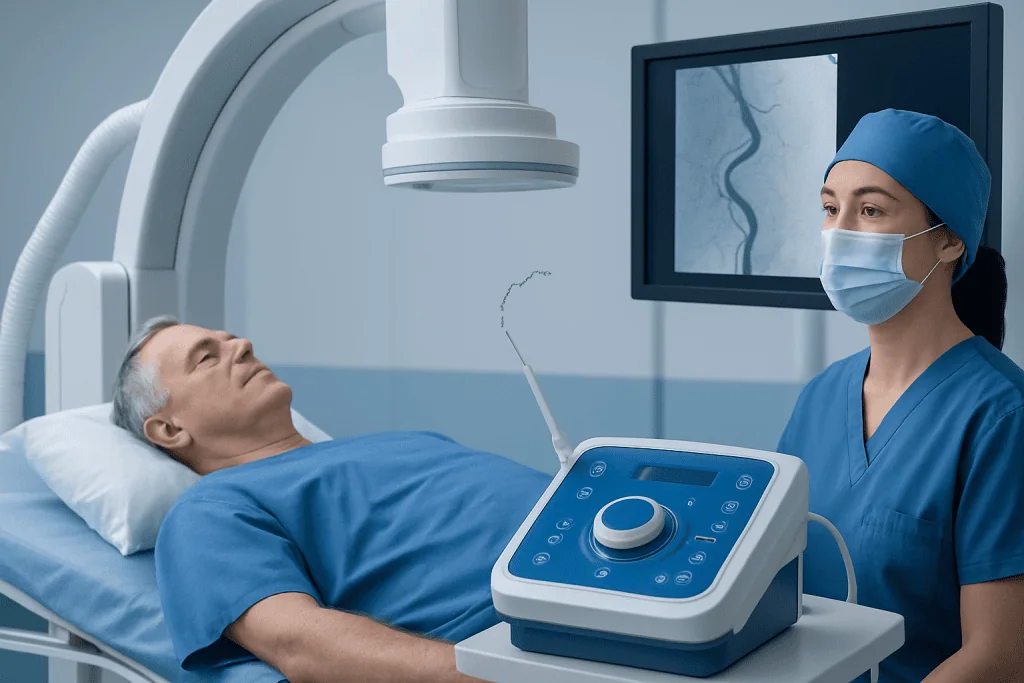
The people most likely to benefit from stroke clot retrieval are those with an acute ischemic stroke caused by blockage of a large artery, such as the internal carotid artery or the first part of the middle cerebral artery. These blockages often cause sudden, significant symptoms, including weakness on one side, difficulty speaking, facial droop, or trouble understanding language.
Time matters, but treatment decisions are no longer based only on the clock. Many patients are evaluated for thrombectomy within the first 6 hours after symptoms begin. Some may still benefit up to 24 hours after they were last known well if advanced imaging shows that brain tissue can still be saved. This is why urgent transport to a stroke-capable hospital is so important, even if symptoms started several hours earlier.
Doctors also look at the severity of symptoms, the person’s level of independence before the stroke, and whether there is evidence of salvageable brain tissue. In general, thrombectomy is not used for every small stroke or for bleeding in the brain. It is one part of a broader approach to stroke care, and many patients also need emergency medicines, intensive monitoring, and rehabilitation.
- Best candidates usually have an ischemic stroke with a confirmed large vessel blockage.
- Imaging should suggest that enough brain tissue can still be preserved.
- Symptoms are often disabling rather than very mild.
- The procedure is usually performed in specialized stroke centers by trained teams.
Symptoms That Need Emergency Attention

A stroke often begins suddenly. Common warning signs include weakness or numbness of the face, arm, or leg, especially on one side of the body; slurred speech; difficulty speaking or understanding; sudden vision loss; severe imbalance; dizziness; or confusion. Some people also develop a sudden severe headache, although this is more common in some other stroke types.
These symptoms should always be treated as a medical emergency. A simple way to remember the most common signs is FAST: Face drooping, Arm weakness, Speech difficulty, Time to call emergency services. Quick action allows the stroke team to perform imaging, confirm whether the stroke is caused by a clot or bleeding, and decide whether treatments such as clot-busting medication or mechanical thrombectomy are appropriate.
It is safer not to wait for symptoms to improve on their own. In some cases, stroke symptoms come and go briefly, but this can still signal a serious blockage. Even if a person is unsure whether the symptoms are caused by a stroke, urgent medical assessment is the right step. Early treatment can protect brain tissue and may improve long-term recovery.
How Doctors Decide: Tests and Diagnosis
The first priority in suspected stroke is to confirm the type of stroke quickly. A brain CT scan is commonly used right away to rule out bleeding. If there is no bleeding and stroke is suspected, additional imaging such as CT angiography or MR angiography may be used to identify whether a major artery is blocked. Some centers also use CT perfusion or MRI techniques to estimate how much brain tissue is already damaged and how much may still be saved.
These imaging tests are central to deciding who can benefit from thrombectomy. A person may have stroke symptoms but not have a large vessel blockage, in which case clot retrieval may not help. Another person may arrive later after symptom onset but still have a pattern on imaging that suggests useful brain tissue remains, making thrombectomy a reasonable option.
Doctors also review general health factors such as blood pressure, blood sugar, medications, bleeding risk, and any recent surgery or medical conditions. A neurological examination helps measure stroke severity and identify which functions are affected. This careful but rapid process helps the stroke team balance the possible benefits and risks of treatment.
How Stroke Clot Retrieval Is Performed
Mechanical thrombectomy is usually carried out in a specialized angiography suite by an interventional neuroradiologist, interventional neurologist, or similarly trained specialist. A thin tube called a catheter is inserted, often through an artery in the groin or wrist, and guided through the blood vessels to the blocked artery in the brain. Using imaging guidance, the doctor then uses a device such as a stent retriever or aspiration catheter to remove the clot and restore blood flow.
The procedure is designed to be as fast and safe as possible. Some patients receive sedation, while others may need general anesthesia, depending on their condition and the stroke center’s approach. During and after the procedure, the team closely monitors breathing, blood pressure, and neurological status.
Thrombectomy is often used together with intravenous clot-dissolving medicine when the patient arrives early and meets criteria for that treatment. The two approaches are not competitors; they can complement each other. In comprehensive stroke centers, treatment planning may involve interventional neuroradiology alongside emergency physicians, neurologists, anesthesiologists, and intensive care teams.
Benefits, Risks, and Recovery
The main benefit of stroke clot retrieval is the possibility of reopening a blocked artery quickly and reducing long-term disability. For selected patients, this can mean better movement, speech, independence, and quality of life than would be expected without treatment. The benefit is usually greatest when the blockage is in a large artery and the procedure is performed without delay.
Like any invasive procedure, thrombectomy has risks. These may include bleeding in the brain, damage to the blood vessel, movement of clot fragments, reactions related to contrast dye, or failure to fully reopen the artery. Even when the procedure is technically successful, recovery can vary because outcomes also depend on how much brain tissue was affected before blood flow was restored.
Recovery does not end when the clot is removed. Many people need monitoring in a stroke unit or intensive care setting, followed by rehabilitation to improve strength, speech, swallowing, balance, or daily activities. Supportive care may include stroke rehabilitation as well as treatment of risk factors such as high blood pressure, diabetes, irregular heartbeat, or high cholesterol to reduce the chance of another stroke.
Prevention, Follow-Up, and When to Seek Help
Preventing stroke remains just as important as treating it. Many ischemic strokes are linked to risk factors such as high blood pressure, atrial fibrillation, diabetes, smoking, high cholesterol, obesity, and lack of physical activity. Managing these conditions, taking prescribed medicines as directed, and keeping regular follow-up appointments can lower future risk. Doctors may also recommend dietary changes, exercise, and help with quitting smoking.
After a thrombectomy or any ischemic stroke, follow-up care helps clarify why the stroke happened and how to prevent another one. Depending on the cause, treatment may include blood-thinning medicines, antiplatelet therapy, cholesterol-lowering treatment, or management of carotid artery disease. Some patients may need further evaluation for heart rhythm problems, especially atrial fibrillation, which is a common cause of blood clots traveling to the brain.
Anyone with sudden stroke symptoms should seek emergency care immediately, even if the symptoms improve. There should be no attempt to drive oneself if emergency services are available, because pre-hospital stroke systems can speed transport to the right center. For international patients needing advanced evaluation and treatment, Acibadem International’s multidisciplinary specialists in JCI-accredited hospitals provide diagnosis, emergency stroke care, and coordinated recovery planning.
Frequently asked questions
What is the difference between thrombectomy and clot-busting medicine?
Clot-busting medicine is given through a vein to dissolve certain clots, usually early after an ischemic stroke begins. Thrombectomy is a procedure that physically removes a clot from a blocked brain artery. In some patients, both treatments are used together.
Can every person with a stroke have clot retrieval?
No. Thrombectomy is mainly used for people with ischemic stroke caused by a blockage in a large brain artery. Imaging, symptom severity, timing, and overall health all help determine whether it is likely to help.
How soon must thrombectomy be done?
The procedure is usually considered as quickly as possible after symptoms start. Many patients are treated within 6 hours, but some can still benefit up to 24 hours after they were last known well if brain imaging shows salvageable tissue.
Is stroke clot retrieval a surgery?
It is an invasive procedure, but it is not open brain surgery. Doctors guide a catheter through a blood vessel, usually from the groin or wrist, to reach the clot inside the brain’s circulation.
What are the signs that should make someone call emergency services?
Sudden facial drooping, arm weakness, speech difficulty, confusion, vision loss, severe imbalance, or numbness on one side all need urgent attention. Even if symptoms improve after a few minutes, emergency evaluation is still important.
What happens after thrombectomy?
After the procedure, the patient is monitored closely in the hospital for neurological changes, blood pressure control, and possible complications. Many people also need rehabilitation and long-term treatment to reduce the risk of another stroke.
References
- World Stroke Organization
- American Stroke Association
- National Institute of Neurological Disorders and Stroke
- European Stroke Organisation
- World Health Organization
This article is for general information only and is not a substitute for professional medical advice. Please consult a qualified doctor about your individual situation.
Explore treatments in Turkey — costs, top hospitals & a free quote
JCI-accredited · board-certified surgeons · reply within 24h
Add us as a Preferred Source to see more of our trusted health content across Google Search, AI Overviews and Discover.

More from the Health Library



Related Specialists

Dt. Müge Tiralı Türkkan
Oral & Dental Health
Dr. Volkan Fürüzan
Emergency Service
Prof. Dr. Tuluhan Yunus Emre
Orthopedic Surgery & Traumatology
Dr. M. Tanzer Ölçer
Internal Medicine