Stroke Prevention: Risk Factors, Warning Signs, and Daily Habits

High blood pressure is one of the most important treatable stroke risk factors. Sudden face drooping, arm weakness, speech trouble, or vision changes need emergency medical attention.
Key Takeaways
- High blood pressure is one of the most important treatable stroke risk factors.
- Sudden face drooping, arm weakness, speech trouble, or vision changes need emergency medical attention.
- Not smoking, staying active, eating a balanced diet, and managing diabetes and cholesterol can lower stroke risk.
- Atrial fibrillation and other heart conditions can raise stroke risk and may need medical treatment.
- Regular checkups help identify silent risk factors before they lead to stroke.
Stroke prevention starts with understanding personal risk factors, recognizing urgent warning signs, and building daily habits that support brain and blood vessel health. Many strokes can be prevented through regular medical care and practical lifestyle changes.
Overview: What stroke prevention means
Stroke prevention means lowering the chance that blood flow to part of the brain will be blocked or that a blood vessel in the brain will bleed. A stroke can affect movement, speech, memory, and daily independence. Because brain tissue is very sensitive to oxygen loss, prevention is an important part of lifelong health.
There are two main types of stroke. Ischemic stroke happens when a clot or narrowed artery blocks blood flow to the brain. Hemorrhagic stroke happens when a blood vessel ruptures and causes bleeding in or around the brain. Prevention focuses on reducing the conditions that lead to both types, especially high blood pressure, smoking, diabetes, unhealthy cholesterol levels, and some heart rhythm disorders.
Stroke prevention is not only for older adults or people already diagnosed with heart disease. Risk can build gradually over many years, sometimes without obvious symptoms. Regular checkups, healthy routines, and prompt treatment of medical problems can make a meaningful difference.
Warning signs that need urgent attention
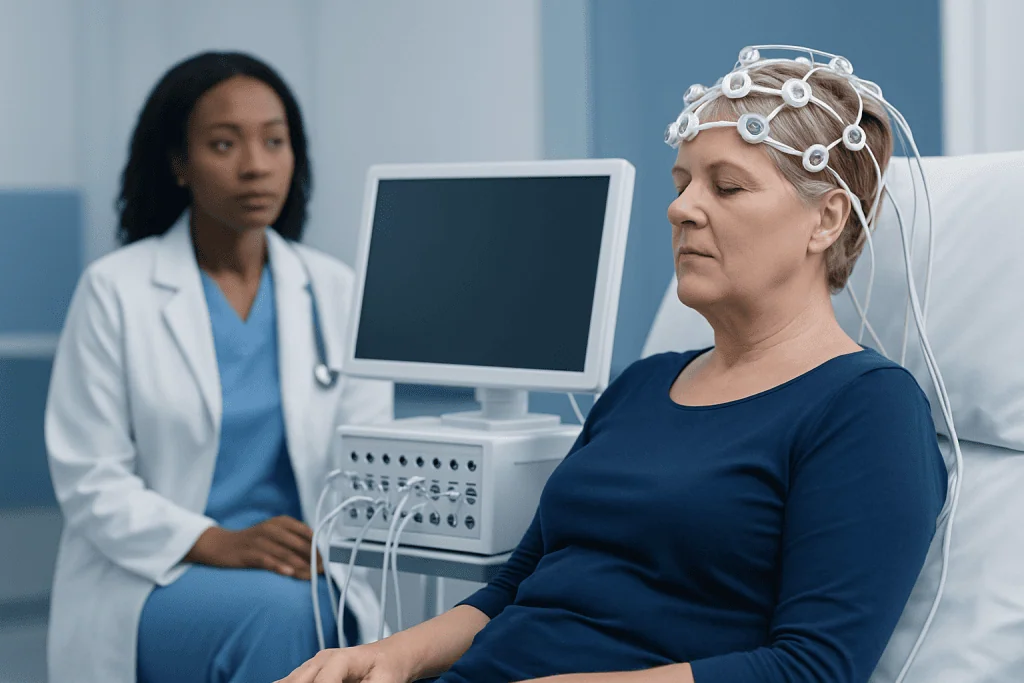
Knowing the warning signs of stroke is essential because fast treatment can reduce brain damage and improve recovery. Symptoms usually begin suddenly. Common signs include one side of the face drooping, weakness or numbness in an arm or leg, trouble speaking or understanding speech, sudden confusion, difficulty walking, severe dizziness, sudden vision loss or double vision, and a sudden severe headache with no clear cause.
A simple way to remember the most common signs is FAST: Face drooping, Arm weakness, Speech difficulty, Time to call emergency services. Even if symptoms improve quickly, urgent medical care is still needed. A temporary blockage can cause a transient ischemic attack, sometimes called a mini-stroke, which is an important warning sign for future stroke.
Someone should not drive themselves to the hospital if stroke symptoms appear. Emergency teams can begin assessment early and help the person reach the right care quickly. Time-sensitive treatment may be possible only within a limited window, so acting without delay is important.
Main stroke risk factors
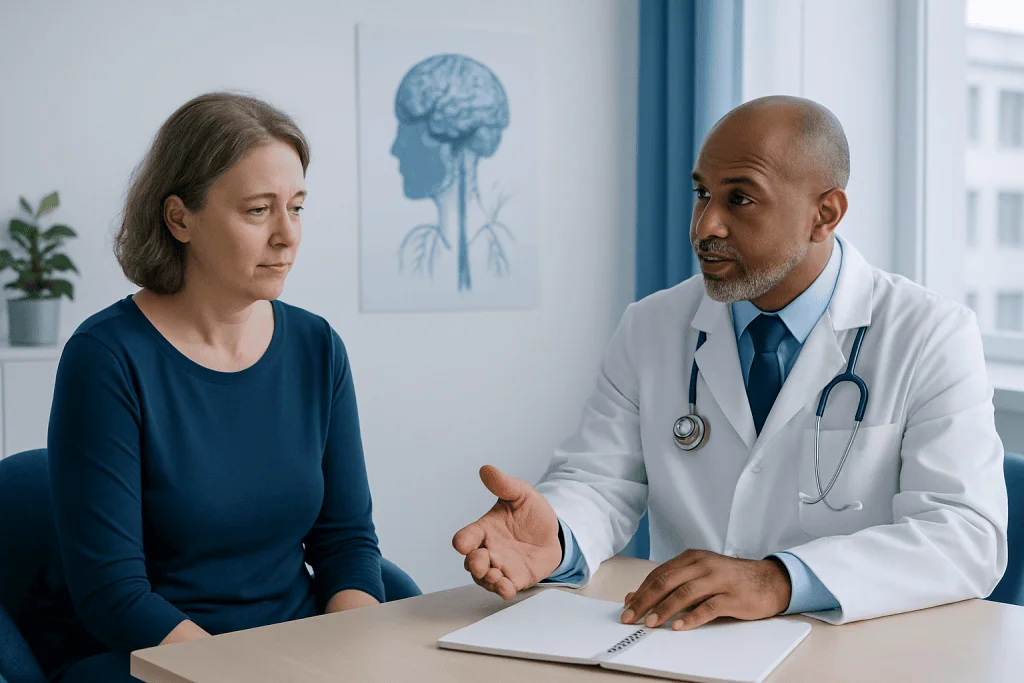
Some stroke risk factors cannot be changed, including age, family history, and a past stroke or transient ischemic attack. However, many of the most important risks can be managed. High blood pressure is a leading example because it can damage arteries over time and increase the chance of both clotting and bleeding in the brain.
Other major risk factors include smoking, diabetes, high cholesterol, obesity, physical inactivity, excess alcohol use, and an unhealthy diet high in salt, sugar, and saturated fats. Sleep problems such as sleep apnea may also contribute by affecting blood pressure and heart health. Stress does not directly cause every stroke, but long-term stress can make healthy habits harder to maintain and may worsen blood pressure or sleep.
Heart conditions also matter. Atrial fibrillation, for example, can allow blood clots to form in the heart and travel to the brain. Carotid artery disease, in which neck arteries become narrowed, may also raise stroke risk. For some people, treating related conditions such as carotid artery disease is part of a broader stroke prevention plan.
- High blood pressure
- Smoking or tobacco exposure
- Diabetes
- High LDL cholesterol
- Atrial fibrillation and other heart disease
- Obesity and lack of exercise
- Excess alcohol and recreational drug use
- Previous stroke or transient ischemic attack
Daily habits that support stroke prevention
Everyday choices can help protect the brain and blood vessels. One of the most effective steps is keeping blood pressure in a healthy range through diet, activity, stress management, and prescribed treatment when needed. Reducing salt intake, choosing more vegetables, fruit, whole grains, beans, nuts, and lean protein, and limiting heavily processed foods can support heart and brain health.
Regular physical activity is another key habit. Many adults benefit from moderate exercise most days of the week, such as brisk walking, cycling, swimming, or other activities they can continue long term. Exercise can help improve blood pressure, cholesterol, blood sugar control, sleep quality, and weight management.
Not smoking is one of the strongest protective steps a person can take. Quitting lowers the risk of stroke over time, even for people who have smoked for many years. Limiting alcohol, getting enough sleep, and following treatment plans for chronic conditions are also important. For people who have conditions such as high blood pressure or diabetes, daily self-care and regular follow-up can greatly reduce complications.
Medical prevention: screening, checkups, and treatment
Stroke prevention often includes routine medical screening. Blood pressure should be checked regularly, and many people also need monitoring of blood sugar, cholesterol, kidney function, and body weight. A doctor may ask about smoking, alcohol, exercise, sleep, family history, and medicines to build a personalized prevention plan.
Some people need specific tests based on symptoms or risk profile. These may include heart rhythm monitoring to look for atrial fibrillation, blood vessel imaging, or brain imaging after a transient ischemic attack. When needed, treatment may involve medicines to lower blood pressure or cholesterol, control diabetes, or reduce clot risk in people with certain heart conditions.
Procedures may be considered in selected cases. For example, treatment of narrowed neck arteries can help reduce future stroke risk in some patients, including carotid endarterectomy when appropriate. Patients with heart rhythm problems may need evaluation for cardiac ablation or other management strategies if atrial fibrillation contributes to stroke risk. The best approach depends on the individual and should be decided with qualified specialists.
Who may need extra attention to stroke prevention
Stroke prevention deserves special focus in people who already have vascular disease, diabetes, kidney disease, high blood pressure, high cholesterol, or a history of stroke or transient ischemic attack. People with atrial fibrillation, heart valve disease, or other structural heart problems may also need more intensive risk assessment and treatment.
Pregnancy-related conditions, autoimmune diseases, certain inherited clotting disorders, and use of some medications can also affect risk in selected individuals. Younger adults are not immune to stroke, although their overall risk is generally lower. In them, risk may be linked to smoking, uncontrolled blood pressure, diabetes, migraine with certain features, heart abnormalities, or rare blood vessel disorders.
Family members can support prevention by encouraging medication adherence, healthy meals, physical activity, and emergency awareness. If one person in a household has several vascular risk factors, shared lifestyle changes often benefit everyone.
When to seek medical advice
Emergency help is needed right away for any possible stroke symptoms, even if they last only a few minutes. Sudden weakness, speech trouble, severe dizziness, abrupt vision changes, or a severe unexplained headache should never be ignored. Quick evaluation can help identify whether a stroke or transient ischemic attack has occurred and whether urgent treatment is possible.
A routine medical appointment is also important if a person has uncontrolled blood pressure, diabetes, high cholesterol, irregular heartbeat, frequent smoking, obesity, or a strong family history of vascular disease. Preventive care is especially valuable because many major stroke risks do not cause pain early on.
People who want a comprehensive prevention plan may benefit from coordinated care across neurology, cardiology, vascular medicine, and primary care. Acibadem International’s multidisciplinary specialists and JCI-accredited hospitals evaluate stroke risk and provide diagnosis and treatment for international patients, including advanced care when vascular or heart-related causes are involved, such as carotid stenting in carefully selected cases.
Frequently asked questions
What is the best way to lower stroke risk?
The best approach is to control the major treatable risk factors. This usually includes managing blood pressure, not smoking, staying physically active, eating a balanced diet, and following treatment for conditions such as diabetes, high cholesterol, or atrial fibrillation.
Can stroke happen without warning?
Some strokes happen suddenly without prior symptoms, which is why prevention is important even when a person feels well. However, some people have warning events such as a transient ischemic attack, which should always be treated as a medical emergency.
Is high blood pressure really that important for stroke prevention?
Yes. High blood pressure is one of the most important and treatable stroke risk factors because it can damage blood vessels and increase the risk of both blocked and bleeding strokes. Regular monitoring and proper treatment can significantly reduce risk.
Are stroke warning signs always painful?
No. Stroke often causes sudden weakness, numbness, speech problems, confusion, or vision changes rather than pain. A severe headache can occur in some strokes, especially bleeding strokes, but many strokes are not painful.
Does exercise help prevent stroke?
Yes, regular exercise can help lower blood pressure, improve cholesterol and blood sugar control, support a healthy weight, and improve overall vascular health. The most helpful routine is one that is safe, consistent, and matched to the person's abilities and medical condition.
Can younger adults have a stroke?
Yes, although stroke is more common with older age, it can occur in younger adults as well. Smoking, uncontrolled blood pressure, diabetes, some heart conditions, clotting disorders, and certain blood vessel problems can all play a role.
References
- World Health Organization
- American Stroke Association
- Centers for Disease Control and Prevention
- National Institute of Neurological Disorders and Stroke
- European Stroke Organisation
This article is for general information only and is not a substitute for professional medical advice. Please consult a qualified doctor about your individual situation.
Explore treatments in Turkey — costs, top hospitals & a free quote
JCI-accredited · board-certified surgeons · reply within 24h
Add us as a Preferred Source to see more of our trusted health content across Google Search, AI Overviews and Discover.
Check your numbers in seconds
BMI, calories, due date, blood pressure and 30+ more clinical calculators — free, instant, doctor-reviewed ranges.