Stroke Recovery and Life Expectancy: What Influences Long-Term Outlook?
Many people live for years after a stroke, especially with early treatment and ongoing rehabilitation. Long-term outlook depends on factors such as age, stroke severity, stroke type, and other medical conditions.
Key Takeaways
- Many people live for years after a stroke, especially with early treatment and ongoing rehabilitation.
- Long-term outlook depends on factors such as age, stroke severity, stroke type, and other medical conditions.
- Rehabilitation can improve movement, speech, thinking, and independence over time.
- Preventing another stroke is one of the most important ways to support life expectancy and quality of life.
- Regular follow-up care helps manage blood pressure, diabetes, cholesterol, heart rhythm problems, and other risks.
Stroke recovery and life expectancy vary widely from person to person. Long-term outlook is influenced by the type and severity of stroke, speed of treatment, overall health, rehabilitation, and how well future stroke risks are managed.
Overview
Stroke recovery and life expectancy are closely linked, but they are not determined by a single factor. A stroke happens when blood flow to part of the brain is blocked or when a blood vessel in the brain ruptures. Because the brain controls movement, speech, memory, swallowing, mood, and many other functions, the effects can range from mild and temporary to severe and long-lasting.
Some people recover well and return to many of their usual activities. Others may need ongoing support with walking, speaking, personal care, or daily tasks. Life expectancy after stroke can be shorter in some people, especially when the stroke is severe or when there are other health problems, but many people live meaningful lives for years after treatment and rehabilitation.
The long-term outlook often depends on what happened during the first hours and days, how much brain tissue was affected, and whether complications can be prevented. Equally important are rehabilitation, lifestyle changes, and medical follow-up. In many cases, steady progress continues for months, and sometimes longer, after the initial event.
What Influences Long-Term Outlook After a Stroke?
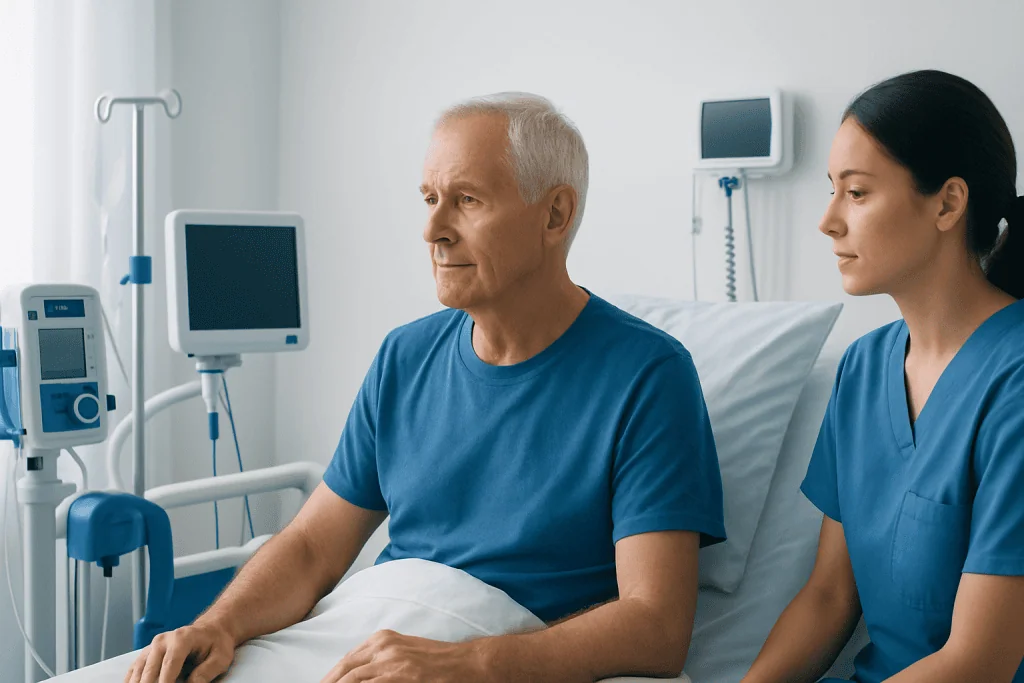
One of the strongest influences on long-term outlook is the severity of the stroke. A small stroke that is treated quickly may cause limited disability, while a large stroke can affect multiple body functions and require prolonged recovery. Whether the stroke was ischemic, caused by a blood clot, or hemorrhagic, caused by bleeding, also matters because each type has different risks and recovery patterns.
Age can affect recovery, but it is not the only factor. Older adults may have a slower recovery or more medical conditions that complicate healing, yet many still make good functional gains with rehabilitation. Younger people may recover more quickly in some cases, but they can also face lasting physical, emotional, or cognitive changes that affect work and family life.
Other important influences include overall health before the stroke, especially high blood pressure, diabetes, high cholesterol, heart disease, obesity, smoking, and kidney disease. Atrial fibrillation and other heart rhythm problems can increase the risk of another stroke, which can have a major impact on life expectancy. Access to prompt emergency care, specialist evaluation, and rehabilitation also plays an important role.
Social support matters as well. People often do better when they have help from family members, caregivers, therapists, and regular medical follow-up. Emotional health, motivation, safe housing, and the ability to attend appointments can all influence recovery and independence over time.
Recovery After Stroke: What to Expect
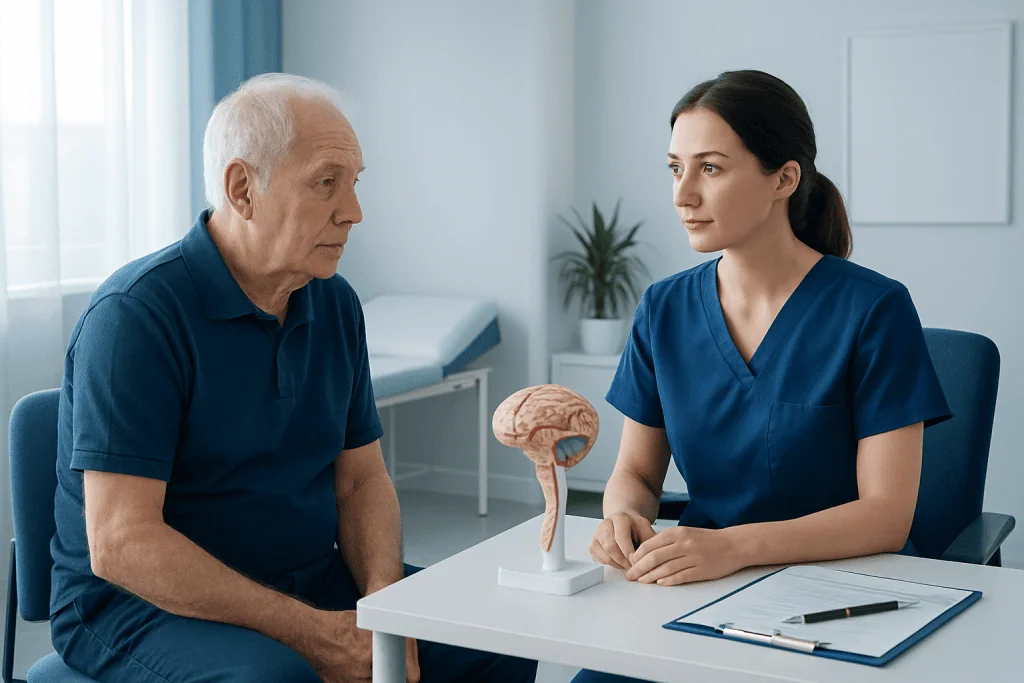
Recovery is often fastest in the early weeks, but progress can continue long after the hospital stay ends. Some people improve steadily over several months, while others recover in smaller steps. Common areas of recovery include strength, balance, walking, speech, swallowing, hand function, memory, attention, and problem-solving. Emotional adjustment is also part of recovery.
Rehabilitation is usually tailored to the person’s symptoms and goals. It may include physical therapy for movement and balance, occupational therapy for daily activities, and speech-language therapy for communication or swallowing. If weakness, difficulty speaking, or other neurological symptoms are present, a specialist may also evaluate related conditions such as hemiplegia that can affect long-term independence.
Some stroke survivors have fatigue, mood changes, anxiety, depression, sleep problems, or reduced concentration even when physical recovery is good. These symptoms are real and treatable. Cognitive rehabilitation, counseling, social support, and medical review can help people cope with changes that are not always visible from the outside.
Recovery does not always mean returning exactly to how life was before. For some, it means regaining independence in personal care and mobility. For others, it means adapting the home, using assistive devices, or learning safer ways to do everyday tasks. A realistic, supportive plan can improve both quality of life and long-term health.
Symptoms and Complications That Can Affect Life Expectancy
The effects of stroke differ depending on which part of the brain was injured. Symptoms can include weakness or paralysis on one side, numbness, speech difficulty, vision changes, dizziness, poor coordination, confusion, memory problems, and trouble swallowing. The more severe and widespread these symptoms are, the more likely they are to influence long-term health and independence.
Certain complications can also affect life expectancy after stroke. These may include aspiration pneumonia from swallowing problems, falls due to balance impairment, blood clots from limited mobility, pressure injuries, urinary infections, seizures, and depression. Careful monitoring and early treatment can reduce the impact of many of these complications.
Another major concern is recurrence. People who have had one stroke are at increased risk of another. Recurrent strokes can add further brain injury and increase disability. This is why long-term prevention is a central part of stroke care, alongside rehabilitation and support for everyday function.
If a stroke survivor develops sudden new symptoms such as facial drooping, arm weakness, trouble speaking, severe headache, or sudden vision loss, urgent assessment is needed because this may signal another stroke or a transient ischemic attack. Understanding the differences between stroke and temporary warning events can help families seek help quickly.
How Doctors Assess Prognosis
Doctors estimate long-term outlook by looking at several factors together rather than relying on a single prediction. They consider the type of stroke, the location in the brain, how severe the symptoms were at the start, how quickly treatment began, and how much recovery has already occurred. Brain imaging, such as CT or MRI, can help show the extent of damage.
The medical team also reviews whether the person can walk, swallow safely, speak clearly, and manage daily tasks. Tests may assess memory, attention, mood, and communication. If the stroke was related to a clot or narrowed artery, doctors may use carotid ultrasound or other vascular studies to look for causes and future risks. Heart rhythm monitoring may also be needed if atrial fibrillation is suspected.
Prognosis is not fixed. It can improve with rehabilitation, careful management of blood pressure and other risks, and prevention of complications. At the same time, doctors remain attentive to signs that a person may need more support, such as persistent swallowing problems, repeated falls, or worsening confusion.
Families often want a clear timeline, but recovery is rarely perfectly predictable. In practice, regular reassessment is more useful than a one-time estimate. This helps the care team adjust therapy goals, equipment, medicines, and support services as needs change.
Treatment, Rehabilitation, and Secondary Prevention
Treatment starts with urgent stroke care, because early intervention can limit brain injury and improve long-term outcome. Depending on the type of stroke, treatment may involve clot-dissolving medicines, procedures to remove a clot, blood pressure management, or treatment of bleeding. After the emergency phase, the focus shifts toward recovery, reducing disability, and preventing another stroke.
Rehabilitation is a cornerstone of care. Structured therapy can help improve strength, coordination, communication, swallowing, and everyday independence. Some people benefit from inpatient rehabilitation, while others continue with outpatient or home-based programs. In selected cases, specialists may consider procedures such as thrombectomy during acute stroke care, followed later by individualized rehabilitation planning.
Secondary prevention usually includes controlling blood pressure, managing diabetes and cholesterol, stopping smoking, staying physically active, and maintaining a healthy weight. Medicines may be prescribed to reduce clot risk, manage cholesterol, or control heart rhythm disorders when appropriate. If significant carotid artery narrowing is found, further vascular treatment may sometimes be discussed.
Near the end of recovery planning, some people and families seek care from centers with broad neurological and rehabilitation expertise. Acibadem International’s multidisciplinary specialists in JCI-accredited hospitals diagnose and treat stroke-related conditions for international patients, including advanced imaging, rehabilitation, and when needed stroke treatment.
Prevention, Self-care, and When to See a Doctor
Healthy daily habits can support both recovery and life expectancy after stroke. These include taking medicines as prescribed, attending follow-up appointments, checking blood pressure regularly if advised, eating a balanced diet, and gradually increasing physical activity based on medical guidance. Good sleep, hydration, and support for mental health also matter.
Caregivers often play an important role in long-term recovery. They may help with medicines, mobility, communication, meals, transport, and emotional support. Home safety changes, such as removing tripping hazards, adding bathroom supports, and using mobility aids, can reduce falls and make daily life easier.
A doctor should be contacted if there are signs of worsening weakness, new speech trouble, repeated choking, unexplained falls, severe low mood, confusion, chest pain, or medication side effects. Immediate emergency care is needed for sudden symptoms that could suggest another stroke, such as facial drooping, arm weakness, sudden numbness, severe headache, difficulty speaking, or sudden loss of balance or vision.
With the right combination of medical care, rehabilitation, and prevention, many people continue to recover and adapt well after stroke. Long-term outlook is often best when treatment is prompt, risk factors are controlled, and support continues beyond the first weeks of recovery.
Frequently asked questions
Can a person live a long life after a stroke?
Yes, many people live for years after a stroke. Long-term survival depends on factors such as stroke severity, age, overall health, rehabilitation progress, and prevention of another stroke.
What is the biggest factor affecting life expectancy after stroke?
There is no single factor, but stroke severity is one of the most important. Quick treatment, control of blood pressure and heart risk factors, and avoiding complications also strongly influence long-term outlook.
How long does stroke recovery usually take?
Recovery often begins quickly in the first days and weeks, but improvement can continue for months and sometimes longer. The timeline is different for each person and depends on the area of the brain affected, the type of stroke, and access to rehabilitation.
Does rehabilitation really improve long-term outcome?
In many cases, yes. Physical, occupational, and speech therapy can improve function, safety, and independence, while also helping reduce complications that may affect quality of life.
What raises the risk of another stroke?
Common risks include high blood pressure, diabetes, high cholesterol, smoking, atrial fibrillation, obesity, and lack of physical activity. Not taking prescribed medicines or missing follow-up care can also increase risk.
Are emotional changes normal after a stroke?
Yes, mood changes, anxiety, depression, and frustration are common after stroke. These symptoms are important to discuss with a doctor because treatment and support can make recovery easier.
References
- World Health Organization
- American Stroke Association
- National Institute of Neurological Disorders and Stroke
- Centers for Disease Control and Prevention
- National Health Service
This article is for general information only and is not a substitute for professional medical advice. Please consult a qualified doctor about your individual situation.
Explore treatments in Turkey — costs, top hospitals & a free quote
JCI-accredited · board-certified surgeons · reply within 24h
Add us as a Preferred Source to see more of our trusted health content across Google Search, AI Overviews and Discover.
Check your numbers in seconds
BMI, calories, due date, blood pressure and 30+ more clinical calculators — free, instant, doctor-reviewed ranges.