Stroke Rehabilitation: Movement, Speech, and Daily Independence
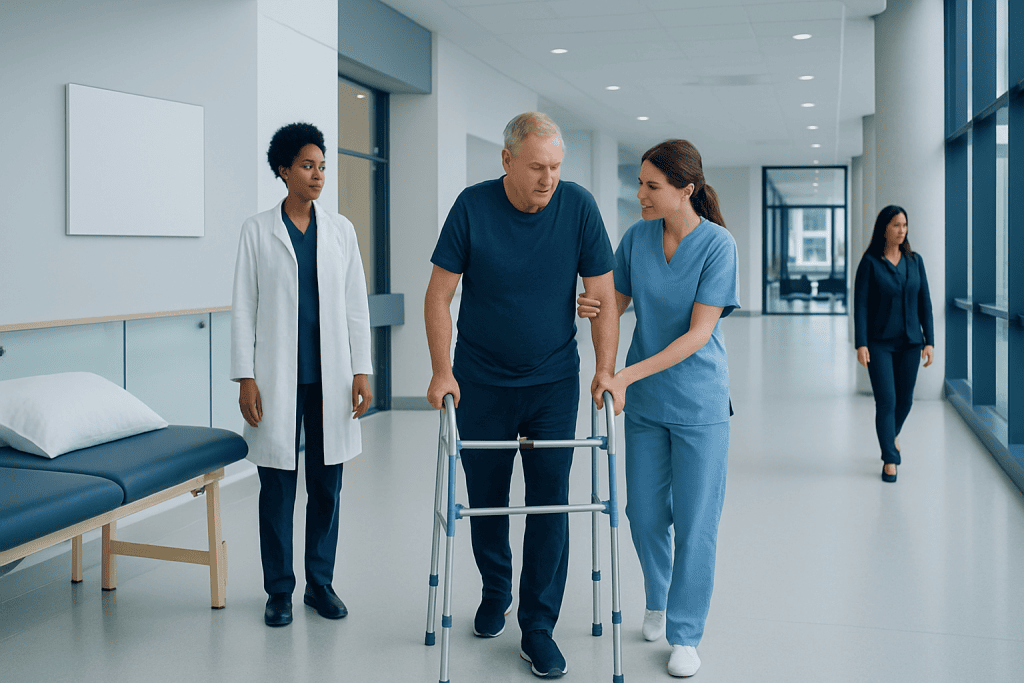
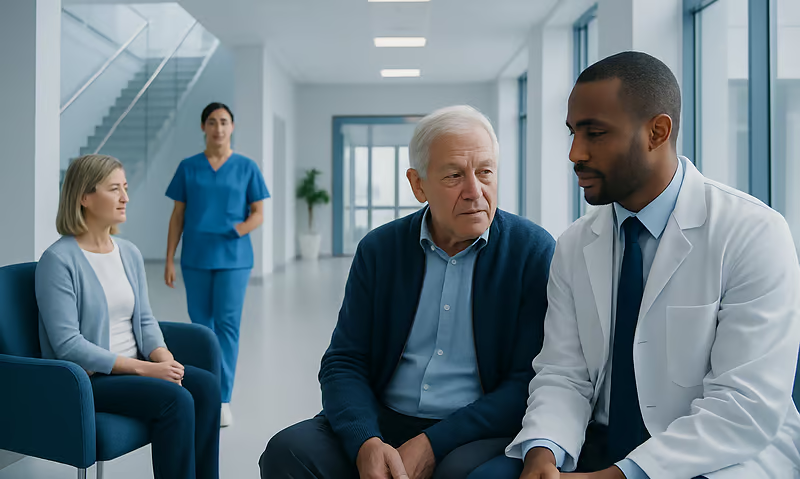
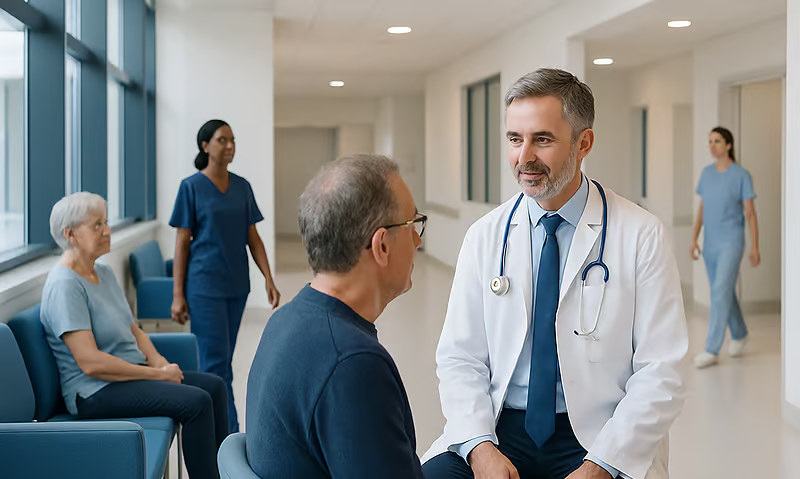
Stroke rehabilitation usually involves a multidisciplinary team, including rehabilitation doctors, physiotherapists, occupational therapists, speech and language therapists, nurses, psychologists, and dietitians. Therapy may focus on walking, balance, arm and hand use, speech, language, swallowing, memory, attention, mood, and self-care tasks.
Key Takeaways
- Stroke rehabilitation usually involves a multidisciplinary team, including rehabilitation doctors, physiotherapists, occupational therapists, speech and language therapists, nurses, psychologists, and dietitians.
- Therapy may focus on walking, balance, arm and hand use, speech, language, swallowing, memory, attention, mood, and self-care tasks.
- Rehabilitation often begins in the hospital and continues in inpatient, outpatient, home-based, or community settings depending on the person’s needs.
- Recovery is usually strongest in the first months after stroke, but many people continue to improve with practice, adaptation, and long-term follow-up.
- Family education, home safety, medication adherence, and prevention of another stroke are essential parts of the rehabilitation plan.
Stroke rehabilitation is a structured recovery program that helps people rebuild movement, communication, thinking skills, swallowing safety, and daily independence after a stroke. Progress is different for every person, but early, consistent, goal-based therapy can support meaningful improvement and confidence.
Overview
Stroke rehabilitation is the process of helping a person recover as much function, independence, and quality of life as possible after a stroke. A stroke can affect movement, sensation, speech, language, swallowing, thinking, vision, emotions, and the ability to perform daily activities. Rehabilitation does not simply mean exercise; it is a coordinated program that supports the brain and body in relearning skills, adapting to changes, and preventing complications.
The goals of stroke rehabilitation are personal and practical. For one person, the priority may be walking safely again. For another, it may be speaking clearly, eating safely, returning to work, managing fatigue, or dressing without assistance. A rehabilitation plan is usually designed after careful assessment of the person’s abilities, medical condition, home environment, and personal priorities.
Rehabilitation may begin as soon as the medical team confirms that the person is stable. It can take place in an acute hospital unit, inpatient rehabilitation center, outpatient clinic, home program, or a combination of these settings. The best setting depends on the severity of the stroke, the level of support needed, and the person’s ability to participate in therapy safely.
Common Challenges After Stroke
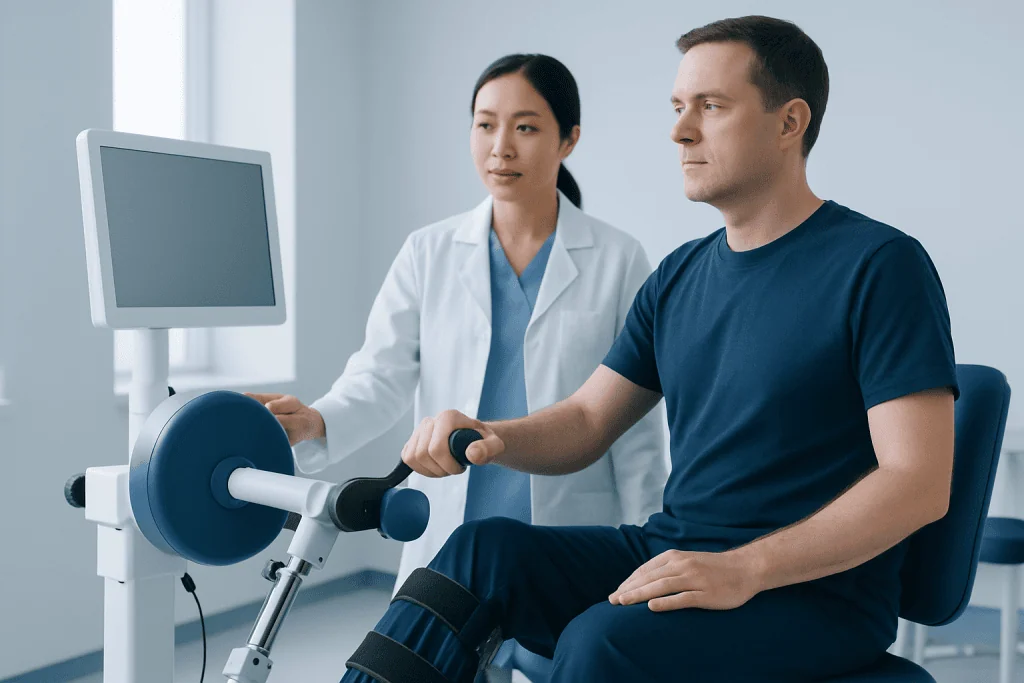
The effects of a stroke vary widely depending on the area of the brain involved, the size of the injury, other health conditions, and how quickly treatment began. Some people have mild symptoms that improve quickly, while others need longer-term support. Rehabilitation focuses on identifying specific challenges and matching them with targeted therapies.
Common post-stroke difficulties may include weakness or paralysis on one side of the body, poor balance, muscle stiffness, pain, reduced coordination, and difficulty walking. Some people experience problems using the arm and hand for reaching, grasping, writing, cooking, or personal care. Others may have changes in sensation, such as numbness, tingling, or reduced awareness of one side of the body.
Stroke can also affect communication and cognition. Aphasia can make it difficult to speak, understand, read, or write, while dysarthria may cause slurred or weak speech. Cognitive changes may involve attention, memory, planning, problem-solving, or awareness of limitations. Swallowing difficulties, fatigue, mood changes, depression, anxiety, and sleep problems are also common and deserve careful attention during recovery.
The Stroke Rehabilitation Team
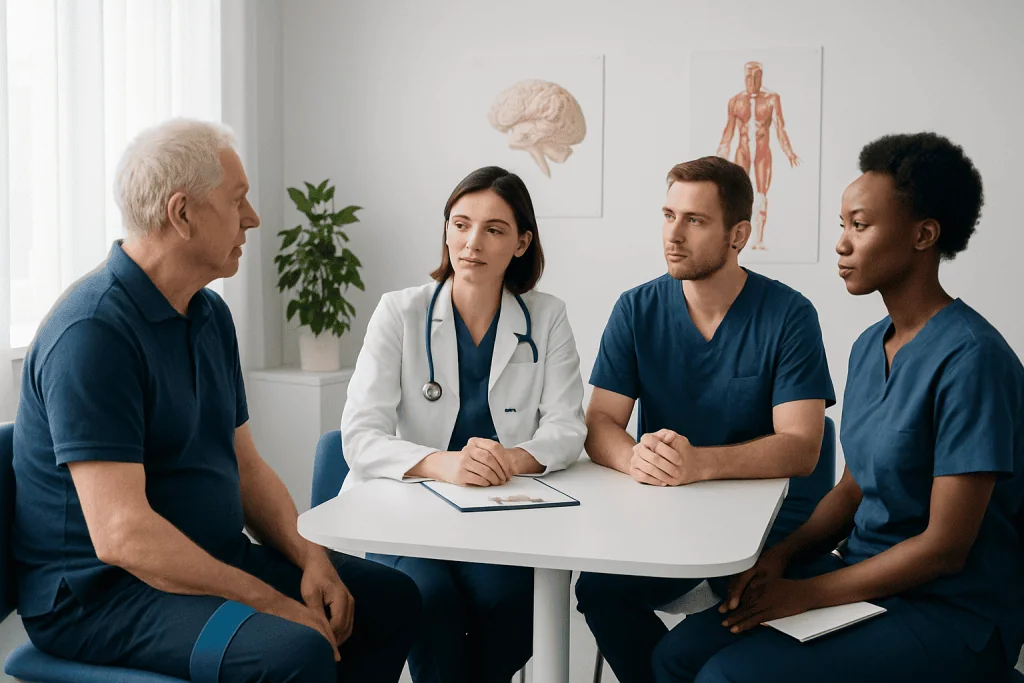
Stroke rehabilitation is usually most effective when it is team-based. A physiatrist or rehabilitation physician may coordinate the program and manage rehabilitation-related medical issues such as spasticity, pain, fatigue, and functional goals. Neurologists, cardiologists, primary care doctors, and other specialists may also be involved in monitoring stroke causes, medications, and prevention of another stroke.
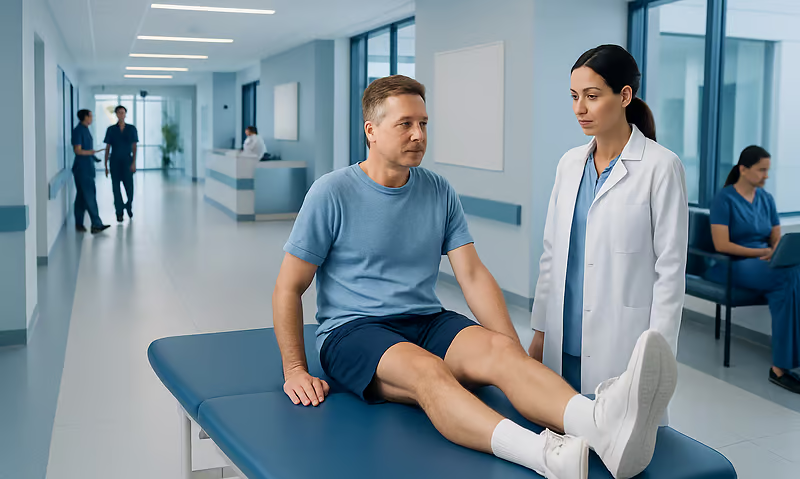
Physiotherapists help with strength, balance, coordination, transfers, walking, stair practice, endurance, and fall prevention. Occupational therapists focus on daily activities such as bathing, dressing, eating, cooking, writing, using the toilet, and returning to home, work, or hobbies. They may also recommend adaptive equipment, splints, or home modifications to improve safety and independence.
Speech and language therapists assess and treat communication, speech clarity, voice, cognitive-communication skills, and swallowing. Rehabilitation nurses support medical care, skin protection, continence, medication routines, mobility practice, and patient education throughout the day. Psychologists, neuropsychologists, dietitians, social workers, and case managers may help with mood, memory, nutrition, family planning, finances, discharge needs, and community resources.
Movement, Balance, and Physical Therapy
Physical therapy after stroke is designed to improve safe movement and functional mobility. Therapy may include exercises for strength, flexibility, balance, coordination, posture, walking, and endurance. Practice is usually task-oriented, meaning that the person repeats meaningful activities such as standing from a chair, stepping, turning, climbing stairs, or walking on different surfaces.
Some people need help learning how to transfer safely between bed, chair, toilet, and car. Others focus on gait training, which may include hands-on guidance, walking aids, ankle-foot orthoses, treadmill practice, or body-weight support systems when appropriate. Balance training is important because reduced strength, vision changes, poor sensation, and slowed reactions can increase the risk of falls.
Rehabilitation may also address spasticity, which is increased muscle tone that can limit movement, cause discomfort, or affect hygiene and positioning. Management can include stretching, positioning, splinting, strengthening of opposing muscles, and medical treatments when needed. The goal is not only to improve movement in therapy sessions but also to help the person move more safely and confidently during everyday life.
Speech, Swallowing, and Cognitive Rehabilitation
Speech therapy after stroke may focus on several different areas. If a person has aphasia, therapy can help rebuild language skills and teach alternative communication strategies. These may include gestures, picture boards, writing, communication apps, or supported conversation techniques for family members. If speech muscles are weak or poorly coordinated, therapy may work on clarity, breath support, pacing, and voice strength.
Swallowing rehabilitation is especially important when stroke affects the muscles used for eating and drinking. A swallowing assessment may include bedside evaluation and, in some cases, imaging tests to see how safely food and liquid move through the throat. Treatment may involve swallowing exercises, posture changes, texture modification, pacing strategies, and education to reduce the risk of choking or aspiration.
Cognitive rehabilitation helps people manage difficulties with memory, attention, planning, organization, judgment, and problem-solving. Therapy may include structured exercises as well as practical strategies, such as calendars, checklists, medication organizers, phone reminders, quiet workspaces, and step-by-step routines. Family involvement is valuable because cognitive and communication changes can affect safety, relationships, and confidence at home.
Daily Independence and Home Adaptation
Regaining daily independence is a central part of stroke rehabilitation. Occupational therapy helps people practice activities of daily living, often called ADLs, such as washing, dressing, grooming, toileting, eating, and moving safely around the home. Therapy may also include instrumental activities of daily living, such as preparing meals, managing money, using transportation, shopping, taking medications, and returning to work or education.
Many people benefit from adaptive techniques that make tasks easier and safer. For example, dressing may be practiced using one-handed methods, grooming tools may be adapted with larger handles, and kitchen tasks may be simplified with stable cutting boards or non-slip surfaces. The therapist may recommend grab bars, shower chairs, raised toilet seats, ramps, improved lighting, or removing loose rugs to reduce fall risk.
Family and caregiver training is often part of the rehabilitation plan. Loved ones may learn how to assist with transfers without injury, encourage communication without taking over, monitor fatigue, and support home exercises. The aim is to provide enough help for safety while also allowing the person to practice independence whenever possible.
Recovery Timeline and Measuring Progress
Stroke recovery does not follow a single timeline. Many people experience the fastest improvement during the first weeks and months, when the brain is adapting and therapy intensity is often highest. However, recovery can continue beyond this period, especially when the person keeps practicing meaningful tasks, manages health conditions, and receives follow-up support when new goals appear.
Progress may be measured in many ways: walking a longer distance, needing less help to transfer, speaking more clearly, eating a wider range of foods safely, improving hand use, or completing personal care with fewer prompts. Small gains can be important because they often add up to greater independence. It is also normal for recovery to vary from day to day, especially when fatigue, sleep, pain, mood, or medical issues are present.
Rehabilitation plans should be reviewed regularly and adjusted as the person improves or as challenges change. If progress slows, the team may modify exercises, increase task practice, introduce assistive technology, manage spasticity or pain, or reassess vision, cognition, mood, or swallowing. Realistic goals, consistent practice, and positive support help maintain motivation throughout the recovery journey.
Prevention, Self-Care, and When to Seek Medical Advice
Preventing another stroke is an essential part of rehabilitation. The medical team may recommend treatments and lifestyle measures to manage blood pressure, cholesterol, diabetes, heart rhythm problems, smoking, weight, physical inactivity, and other stroke risk factors. Medicines should be taken exactly as prescribed, and any side effects or concerns should be discussed with a qualified doctor rather than stopping treatment independently.
Self-care after stroke includes safe physical activity, balanced nutrition, adequate hydration, sleep routines, skin care, fall prevention, and attention to emotional health. Fatigue is common, so pacing activities and taking planned rest breaks may be helpful. People recovering from stroke should also be screened and supported for depression, anxiety, social isolation, and caregiver strain, because emotional wellbeing can strongly influence rehabilitation participation.
Medical advice should be sought if there is new or worsening weakness, speech difficulty, confusion, vision change, severe dizziness, swallowing problems, chest pain, shortness of breath, falls, fever, increasing pain, or sudden change in function. A rehabilitation specialist should also be consulted if the person has persistent spasticity, difficulty walking, unsafe swallowing, memory concerns, or problems returning to daily activities. Acibadem International’s multidisciplinary specialists and JCI-accredited hospitals provide diagnosis, rehabilitation planning, and stroke recovery care for international patients, with treatment tailored to each person’s needs.
Frequently asked questions
When should stroke rehabilitation begin?
Stroke rehabilitation often begins as soon as the person is medically stable and the care team confirms that therapy is safe. Early rehabilitation may start with positioning, sitting balance, gentle movement, swallowing assessment, and basic self-care. The timing and intensity depend on the type of stroke, overall health, and current symptoms.
How long does stroke rehabilitation take?
The length of rehabilitation varies from person to person. Some people need a short period of outpatient therapy, while others require inpatient rehabilitation and longer-term community or home-based support. Recovery is often most rapid in the first months, but improvement can continue with practice and follow-up.
Can speech return after a stroke?
Many people improve their communication after stroke with speech and language therapy, practice, and family support. The amount of recovery depends on the type and severity of the communication problem and the area of the brain affected. Even when speech remains difficult, alternative communication strategies can help the person express needs, choices, and emotions.
What can family members do to support stroke recovery?
Family members can help by attending therapy education sessions, encouraging safe practice, supporting medication routines, and creating a calm home environment. It is helpful to allow the person time to communicate and complete tasks rather than doing everything for them. Caregivers should also look after their own health and ask the rehabilitation team for support when needed.
Is walking again possible after a stroke?
Many people regain walking ability after a stroke, although some may need a cane, walker, brace, or supervision for safety. Physical therapy focuses on strength, balance, coordination, endurance, and confidence with real-life mobility tasks. The rehabilitation team can assess what is realistic and recommend the safest approach.
What is the difference between physical therapy and occupational therapy after stroke?
Physical therapy mainly focuses on movement, balance, transfers, walking, strength, and mobility. Occupational therapy focuses on daily activities such as dressing, bathing, eating, cooking, writing, home safety, and returning to meaningful roles. The two therapies often work closely together because mobility and daily independence are closely connected.
Can stroke rehabilitation help months or years after a stroke?
Yes, rehabilitation may still be helpful months or years after a stroke, especially when there are specific goals such as improving walking, hand use, communication, balance, or daily independence. The brain and body can continue to adapt with targeted practice. A reassessment by a rehabilitation professional can identify new strategies, equipment, or therapy options.
References
- World Health Organization
- American Stroke Association
- National Institute of Neurological Disorders and Stroke
- Royal College of Physicians Stroke Guidelines
- European Stroke Organisation
This article is for general information only and is not a substitute for professional medical advice. Please consult a qualified doctor about your individual situation.
Explore treatments in Turkey — costs, top hospitals & a free quote
JCI-accredited · board-certified surgeons · reply within 24h
Add us as a Preferred Source to see more of our trusted health content across Google Search, AI Overviews and Discover.