Stroke Specialists: How a Multidisciplinary Team Improves Emergency Care

Stroke care is most effective when neurologists, emergency physicians, radiologists, nurses, and rehabilitation experts work together. Rapid brain imaging and early specialist review help distinguish ischemic stroke from hemorrhagic stroke.
Key Takeaways
- Stroke care is most effective when neurologists, emergency physicians, radiologists, nurses, and rehabilitation experts work together.
- Rapid brain imaging and early specialist review help distinguish ischemic stroke from hemorrhagic stroke.
- A team-based approach supports timely treatments such as clot-busting medication or procedures to restore blood flow.
- Coordinated care continues after the emergency, including prevention of another stroke and rehabilitation planning.
- Recognizing stroke warning signs and calling emergency services right away can improve outcomes.
Stroke specialists play a central role in helping people receive fast, coordinated emergency care when every minute matters. A multidisciplinary stroke team can speed diagnosis, guide treatment decisions, and support safer recovery from the hospital through rehabilitation.
Overview: Why Stroke Specialists Matter
A stroke is a medical emergency that happens when part of the brain loses its blood supply or when bleeding occurs in or around the brain. Because brain cells can be injured within minutes, early evaluation by stroke specialists is important. These specialists are trained to recognize subtle symptoms, interpret urgent test results, and choose the most appropriate next steps without delay.
Modern emergency stroke care is rarely delivered by one doctor alone. Instead, it relies on a multidisciplinary team that may include emergency medicine physicians, vascular neurologists, neuroradiologists, neurosurgeons, interventional specialists, intensive care staff, nurses, rehabilitation therapists, and pharmacists. Each professional contributes a different part of the patient’s care, helping treatment move forward quickly and safely.
This team-based model is especially valuable because stroke is not one single condition. Some strokes are caused by a blocked blood vessel, while others are caused by bleeding. Symptoms can also overlap with other urgent neurological conditions. Careful, coordinated assessment helps the team confirm the diagnosis and decide whether the person may benefit from treatments such as stroke treatment in a dedicated stroke center.
What the Multidisciplinary Stroke Team Does in the First Hours
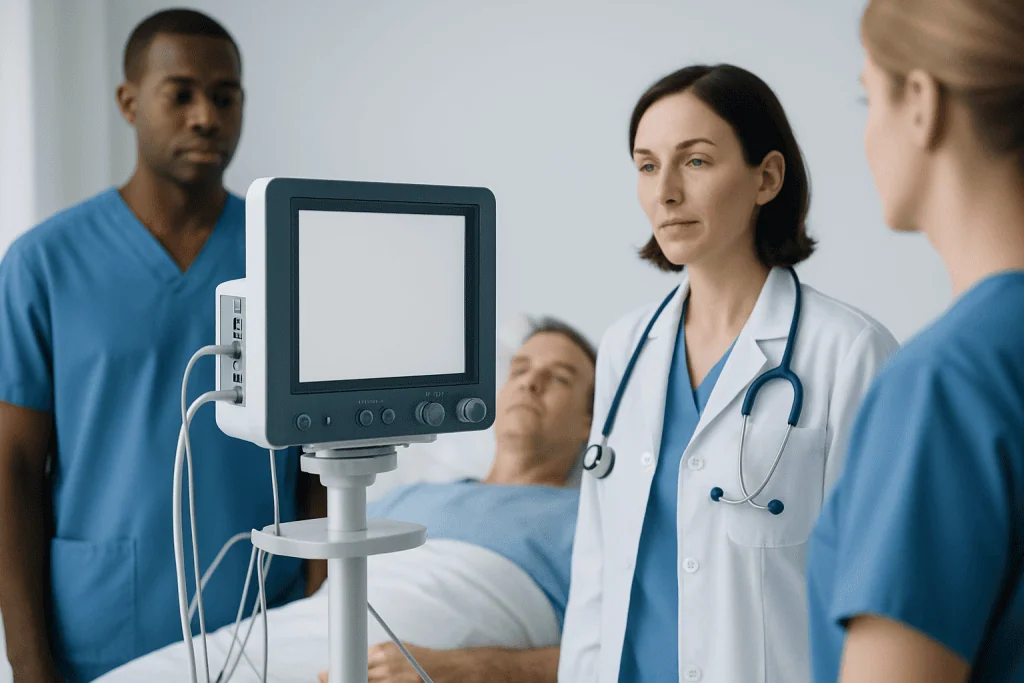
In the emergency setting, the first priority is speed with accuracy. Emergency clinicians stabilize breathing, circulation, blood pressure, and blood sugar while a stroke specialist reviews the person’s symptoms and examination. Nurses often begin stroke protocols immediately, including vital sign monitoring, blood tests, and preparation for imaging.
Brain imaging is a key step because treatment depends on whether the stroke is ischemic, meaning caused by a clot, or hemorrhagic, meaning caused by bleeding. Radiology specialists rapidly interpret CT or MRI scans and may assess the brain’s blood vessels as well. This information helps the team identify the type of stroke, the area affected, and whether brain tissue may still be saved.
If an artery is blocked, the team may consider time-sensitive therapies to restore blood flow. These can include clot-dissolving medicine for some patients or catheter-based procedures performed by interventional experts. If bleeding is present, the team focuses on controlling complications, reducing pressure on the brain, and involving neurosurgical care when needed. By working together in real time, stroke specialists help avoid harmful delays and tailor treatment to the individual patient.
Who Is Involved in Stroke Emergency Care

A vascular neurologist often leads decisions about diagnosis and acute treatment. This doctor evaluates symptoms such as weakness, speech difficulty, facial drooping, vision loss, severe dizziness, or confusion and helps determine whether they are caused by stroke or another condition. Emergency physicians support immediate stabilization and coordinate the first stages of care.
Neuroradiologists and imaging teams are essential because stroke treatment depends heavily on what scans show. In some hospitals, interventional neuroradiologists or endovascular neurosurgeons may perform procedures to remove a clot from a blocked artery. If there is bleeding, neurosurgeons may be needed to evaluate whether surgery or other urgent interventions are necessary.
Specialized stroke nurses monitor symptoms closely, give medications safely, and communicate changes quickly. Pharmacists may review medicine interactions and timing, especially for clot-related treatment decisions. Intensive care teams may become involved for patients with severe stroke, unstable blood pressure, swallowing problems, or reduced consciousness.
After the immediate emergency, therapists and rehabilitation specialists begin planning recovery. This may involve physiotherapists, occupational therapists, speech and language therapists, dietitians, and social workers. Their early input helps identify swallowing difficulty, mobility challenges, communication needs, and discharge planning from the very beginning.
How Team-Based Care Improves Diagnosis and Treatment
One of the biggest advantages of a multidisciplinary approach is that it reduces the time between arrival and treatment. Emergency stroke pathways are designed so that several tasks happen at once rather than one after another. While one clinician performs the neurological assessment, another arranges imaging, and another reviews eligibility for treatment. This coordinated workflow can be critical in preserving brain function.
Team-based care also improves decision-making in complex cases. Not every person with stroke symptoms has the same risks, timing, or imaging findings. Some may have very mild symptoms, while others have severe deficits or uncertain onset time. Discussion among stroke specialists, radiology experts, and critical care teams helps balance the possible benefits and risks of treatment in a more informed way.
For patients with a blocked large artery, advanced procedures may be considered. In some cases, doctors may recommend interventional neuroradiology techniques to reopen the vessel. For people with extensive bleeding, swelling, or pressure on the brain, consultation with neurosurgery specialists may be needed as part of emergency care.
The team also looks beyond the first treatment decision. They evaluate the likely cause of stroke, monitor for complications, begin secondary prevention, and arrange transfer to the right unit, such as a stroke ward or intensive care area. This continuity helps prevent gaps in care during a very vulnerable period.
From Emergency Care to Recovery and Prevention
Stroke care does not end after the emergency phase. Recovery begins early, often within the first day or two if the person is medically stable. The multidisciplinary team assesses movement, speech, swallowing, cognition, mood, and daily functioning. Early rehabilitation can reduce complications such as falls, aspiration, joint stiffness, and loss of independence.
Another major goal is preventing another stroke. Doctors may look for underlying causes such as high blood pressure, atrial fibrillation, diabetes, high cholesterol, smoking, sleep apnea, or narrowing of the carotid arteries. Treatment plans can include medication review, heart rhythm assessment, vascular imaging, and guidance on lifestyle changes.
Some patients may need more focused support for lingering problems such as weakness, trouble speaking, balance issues, memory changes, or fatigue. Depending on the situation, the team may coordinate inpatient rehabilitation, outpatient therapy, home-based services, or longer-term neurological follow-up. This integrated approach can be especially helpful for people recovering from brain hemorrhage or more severe strokes.
Near the end of the hospital pathway, patients and families are usually taught warning signs, medicine safety, risk factor control, and follow-up planning. At Acibadem International, multidisciplinary specialists in JCI-accredited hospitals diagnose and treat stroke for international patients, including emergency assessment and rehabilitation planning when appropriate.
What Patients and Families Should Watch For
Recognizing stroke symptoms quickly can help a person reach stroke specialists sooner. Common warning signs include sudden weakness or numbness on one side of the body, facial drooping, trouble speaking or understanding speech, sudden vision loss, severe imbalance, or a sudden severe headache. Symptoms may be brief at first, but they should never be ignored.
Families often play a vital role because the person having a stroke may be confused, unable to speak, or unaware of the seriousness of symptoms. Calling emergency services right away is safer than driving to the hospital in many situations, because pre-hospital teams can begin assessment early and alert the stroke team before arrival.
It can also help to note the time the person was last known to be well, even if the exact start of symptoms is unclear. This detail may affect which treatments are possible. Bringing a list of medicines, allergies, and major medical conditions can also support faster and safer emergency decisions.
- Call emergency services immediately if stroke symptoms appear.
- Do not give food, drink, or new medicines unless medical staff advise it.
- Note symptom onset time or the last known normal time.
- Share information about blood thinners, recent surgery, or prior stroke.
When to Seek Urgent Medical Help
Any possible stroke symptom should be treated as urgent, even if it improves within minutes. Temporary symptoms can be a transient ischemic attack, sometimes called a mini-stroke, which may be a warning sign of a future stroke. A prompt medical evaluation can help identify the cause and lower the risk of a more serious event.
Emergency help is especially important for sudden weakness, speech difficulty, fainting, severe headache unlike usual headaches, new confusion, sudden vision changes, or loss of coordination. People with risk factors such as older age, high blood pressure, diabetes, smoking, irregular heartbeat, or prior stroke should be particularly cautious about these signs.
After discharge, patients should contact their doctor promptly if symptoms return, medicines cause side effects, swallowing worsens, or recovery seems to stall. Ongoing support from neurologists, rehabilitation teams, and primary care clinicians can help people adjust treatment plans and address new problems early.
Frequently asked questions
What is a stroke specialist?
A stroke specialist is a doctor with focused training in diagnosing and treating stroke, often a vascular neurologist. This specialist helps decide which tests and treatments are needed quickly and coordinates care with other members of the stroke team.
Why is a multidisciplinary team important in stroke care?
Stroke treatment often depends on fast decisions that involve imaging, medicines, procedures, monitoring, and rehabilitation. A multidisciplinary team allows these steps to happen in a coordinated way, which can improve safety and reduce delays.
What treatments might stroke specialists consider in an emergency?
Treatment depends on the type of stroke and when symptoms began. For a blocked artery, the team may consider clot-dissolving medicine or a procedure to remove the clot, while bleeding in the brain requires a different approach focused on stabilization and pressure control.
Do all people with stroke need surgery?
No, many people with stroke do not need surgery. Some are treated with medicines and close monitoring, while others may need a catheter-based procedure or neurosurgical care only if scans show a specific problem that could benefit from intervention.
What happens after the emergency phase of stroke care?
After urgent treatment, the team looks at recovery needs and stroke prevention. This may include rehabilitation, swallowing assessment, medication review, risk factor management, and planning for follow-up care at home or in a rehab setting.
Can stroke symptoms go away on their own?
Sometimes symptoms improve quickly, but this still needs urgent medical attention. Brief symptoms can be a transient ischemic attack, which may warn of a future stroke and should be assessed by a qualified clinician as soon as possible.
References
- World Health Organization
- American Stroke Association
- National Institute of Neurological Disorders and Stroke
- European Stroke Organisation
- Centers for Disease Control and Prevention
This article is for general information only and is not a substitute for professional medical advice. Please consult a qualified doctor about your individual situation.
Explore treatments in Turkey — costs, top hospitals & a free quote
JCI-accredited · board-certified surgeons · reply within 24h
Add us as a Preferred Source to see more of our trusted health content across Google Search, AI Overviews and Discover.
Check your numbers in seconds
BMI, calories, due date, blood pressure and 30+ more clinical calculators — free, instant, doctor-reviewed ranges.