Subcutaneous Fat: An Evidence-Based Guide for Patients

Subcutaneous fat is the fat located just under the skin, not around internal organs. It helps protect the body, store energy, and support normal hormone function.
Key Takeaways
- Subcutaneous fat is the fat located just under the skin, not around internal organs.
- It helps protect the body, store energy, and support normal hormone function.
- Too much subcutaneous fat may raise health risks, particularly when combined with visceral fat.
- Healthy eating, regular activity, sleep, and stress management are the main ways to reduce excess body fat.
- A doctor can help assess body composition and identify related conditions such as obesity or metabolic disease.
Subcutaneous fat is the layer of fat stored directly beneath the skin. It has important functions, but excess subcutaneous fat can affect comfort, mobility, metabolism, and long-term health, especially when it occurs alongside deeper abdominal fat.
Overview: What subcutaneous fat is
Subcutaneous fat is the layer of fat found directly under the skin. It is the soft tissue a person can often pinch on areas such as the abdomen, hips, thighs, arms, or buttocks. This type of fat is different from visceral fat, which lies deeper in the abdomen around internal organs.
Subcutaneous fat is not inherently harmful. In normal amounts, it serves several useful purposes: it stores energy, helps insulate the body, cushions tissues, and plays a role in hormone signaling. The health question is usually not whether subcutaneous fat exists, but whether there is excess body fat overall and how it is distributed.
Body fat distribution matters because not all fat behaves the same way. A person may have visible subcutaneous fat without major metabolic problems, while another person may have less visible fat but more visceral fat, which is more strongly linked to cardiometabolic risk. For this reason, doctors look at the whole health picture rather than appearance alone.
What subcutaneous fat does in the body
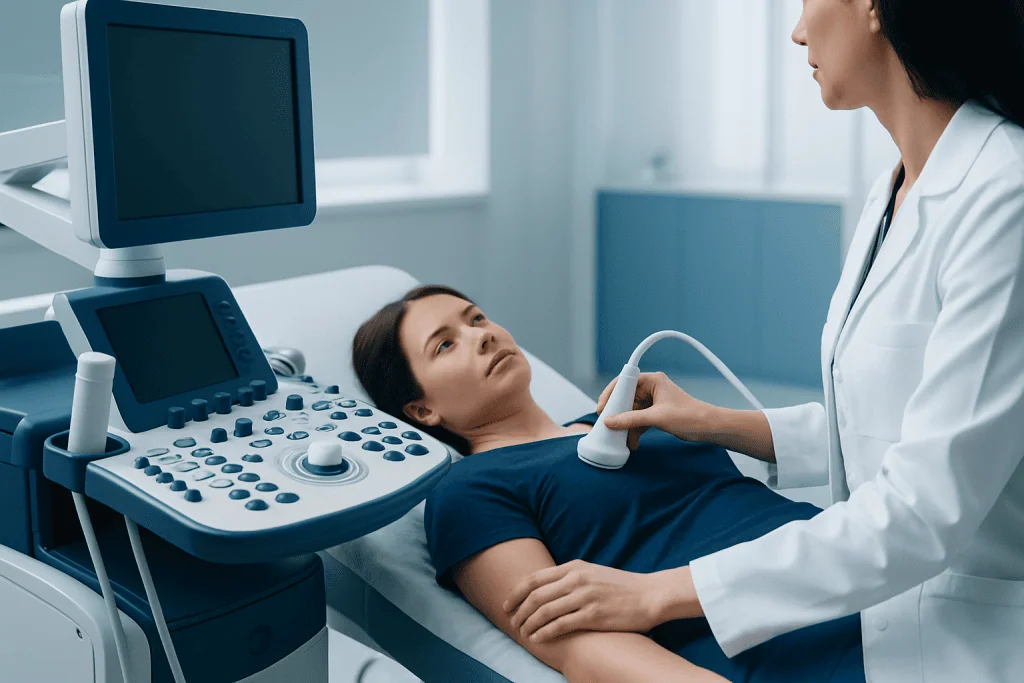
Subcutaneous fat is an active tissue, not simply a passive storage layer. It stores excess calories in the form of fat for later energy use. It also helps the body maintain temperature and provides mechanical protection by cushioning muscles, bones, and skin.
This fat tissue also takes part in endocrine function. Fat cells release signaling molecules that can influence appetite, inflammation, insulin sensitivity, and reproductive hormones. In balanced amounts, these effects support normal physiology. When fat tissue expands significantly, some of these signals may become less favorable.
Subcutaneous fat can vary by age, sex, genetics, and hormonal status. For example, many women naturally store more subcutaneous fat around the hips and thighs, while men more often accumulate fat around the abdomen. These patterns can shift with menopause, aging, inactivity, or certain medical conditions.
Because subcutaneous fat has protective functions, the goal of care is not to remove all body fat. Instead, the aim is to support a healthy body composition and reduce excess fat that may interfere with health or quality of life.
Subcutaneous fat vs visceral fat

A common source of confusion is the difference between subcutaneous fat and visceral fat. Subcutaneous fat sits beneath the skin and is usually visible or palpable. Visceral fat lies deeper, surrounding organs such as the liver, pancreas, and intestines. Both are forms of body fat, but they are not equally associated with disease risk.
Visceral fat is generally considered more metabolically active in harmful ways. Higher amounts are more strongly linked with insulin resistance, type 2 diabetes, abnormal cholesterol levels, fatty liver disease, and cardiovascular disease. By contrast, subcutaneous fat may be less harmful in some body regions, although excess amounts still often reflect overall energy imbalance and can coexist with increased visceral fat.
A larger waistline can suggest increased abdominal fat, but it does not reveal exactly how much is subcutaneous and how much is visceral. In clinical practice, doctors may use waist circumference, body mass index, physical examination, and sometimes imaging to estimate risk. Patients concerned about central weight gain may benefit from assessment for obesity or related metabolic conditions.
Why excess subcutaneous fat develops
Excess subcutaneous fat develops when the body stores more energy than it uses over time. However, the process is rarely explained by calorie intake alone. Genetics, age, hormones, medications, sleep quality, chronic stress, and physical activity all influence where and how the body stores fat.
Common contributors include a diet high in calorie-dense processed foods, sugary drinks, large portion sizes, and low daily movement. Sedentary routines reduce total energy expenditure and may also lower muscle mass, which can affect metabolic health. Poor sleep and long-term stress can change appetite and hormonal patterns in ways that encourage fat gain.
Medical conditions may also play a role. Insulin resistance, thyroid disorders, polycystic ovary syndrome, and some forms of Cushing syndrome can contribute to changes in body fat distribution. Certain medicines, including some steroids and psychiatric medications, may lead to weight gain in some people.
In many cases, fat gain is gradual and develops over years. Because body composition changes are influenced by many factors, a compassionate and individualized medical assessment is often more helpful than focusing only on willpower or appearance.
How doctors assess body fat and health risk
Doctors do not diagnose a health problem simply by seeing subcutaneous fat. Instead, they evaluate overall health risk. This often includes a medical history, family history, medication review, and physical examination. Body mass index may be used as one screening tool, but it does not distinguish between fat and muscle and does not show fat distribution.
Waist circumference can provide additional information, especially when abdominal fat is present. Blood pressure and laboratory tests may also be recommended to look for related concerns such as high blood sugar, abnormal cholesterol, or liver changes. If a patient has rapid changes in body shape, unusual bruising, muscle weakness, or symptoms of a hormone disorder, further endocrine testing may be needed.
In selected cases, imaging can help assess body composition more precisely. Tests performed for other reasons, such as ultrasound, CT, or MRI, may show patterns of abdominal fat or related conditions such as fatty liver. The goal is not just to measure fat, but to understand whether it is affecting present or future health.
Treatment and ways to reduce excess subcutaneous fat
The most effective treatment for excess subcutaneous fat is usually a long-term lifestyle approach rather than a quick fix. A balanced eating pattern that emphasizes vegetables, fruit, whole grains, legumes, lean protein, and healthy fats can support gradual fat loss. Reducing ultra-processed foods, frequent snacking, and sugary drinks often helps lower overall calorie intake without extreme restriction.
Regular physical activity is important because it supports both fat loss and metabolic health. Aerobic exercise can increase calorie use, while resistance training helps preserve or build muscle mass. Muscle tissue supports physical function and may make weight management more sustainable over time. The best plan is one a person can continue safely and consistently.
Some patients may benefit from structured medical support, especially if excess fat is part of a broader weight-related condition. Doctors may discuss behavior-based programs, nutrition counseling, treatment of hormone or sleep disorders, or selected weight loss treatment options when appropriate. In people with severe obesity or obesity-related complications, bariatric surgery may be considered after careful evaluation.
For people primarily concerned about body contour rather than metabolic health, cosmetic procedures may sometimes be discussed. These should not be seen as a treatment for obesity or as a substitute for lifestyle care. In selected cases, a clinician may explain whether liposuction could address localized fat deposits, while also clarifying its limits and expected results.
Self-care, prevention, and healthy expectations
Preventing excess subcutaneous fat usually means supporting healthy habits over time rather than aiming for rapid weight loss. Useful steps include eating regular meals, choosing high-fiber foods, staying physically active through the week, limiting alcohol when advised, and getting enough sleep. Small, realistic changes often last longer than strict short-term plans.
Stress management matters as well. Chronic stress can affect sleep, food choices, and hormone regulation. Techniques such as walking, stretching, mindfulness, or counseling may help some people maintain healthier routines. Social support from family, friends, or healthcare professionals can also improve long-term success.
It is also important to keep expectations realistic. Spot reduction is not generally possible, meaning exercise for one body part does not selectively remove fat from that area. Fat loss usually happens gradually across the body and may not occur first in the areas a person wants to change most.
Patients who want expert guidance may benefit from multidisciplinary care. Near the end of a treatment journey, some people seek further evaluation for weight-related concerns or body composition goals. Acibadem International’s multidisciplinary specialists in JCI-accredited hospitals diagnose and treat these concerns for international patients when medical assessment is needed.
When to seek medical care
A person should consider medical advice if weight or body fat is increasing without a clear reason, especially if there are symptoms such as fatigue, shortness of breath, snoring, menstrual changes, high blood pressure, or elevated blood sugar. Medical care is also appropriate if body shape changes quickly or is accompanied by muscle weakness, easy bruising, or swelling.
Professional evaluation can be helpful when excess body fat affects mobility, sleep, joint pain, mood, fertility, or confidence in daily life. It is also wise to speak with a doctor before starting a very restrictive diet, supplements, or intense exercise program, particularly for people with chronic health conditions.
Urgent concerns are uncommon, but prompt medical attention is important for chest pain, severe breathing difficulty, sudden swelling, or signs of uncontrolled diabetes. In most cases, concerns about subcutaneous fat are best addressed through a calm, step-by-step assessment with a qualified healthcare professional.
Frequently asked questions
Is subcutaneous fat bad for health?
Subcutaneous fat is not automatically bad. It has normal functions such as energy storage, insulation, and cushioning. Health concerns usually arise when there is excess body fat overall, especially if it is combined with increased visceral fat or metabolic problems.
How is subcutaneous fat different from visceral fat?
Subcutaneous fat is the fat under the skin that can often be pinched. Visceral fat lies deeper in the abdomen around internal organs. Visceral fat is generally more strongly linked with conditions such as type 2 diabetes and heart disease.
Can a person lose subcutaneous fat in one specific area?
In general, spot reduction is not considered effective. The body usually loses fat gradually from multiple areas based on genetics, hormones, and overall energy balance. Exercise can strengthen a specific area, but it does not reliably remove fat only from that location.
What is the best way to reduce subcutaneous fat?
The most evidence-based approach combines healthy eating, regular physical activity, adequate sleep, and long-term habit change. Resistance training and aerobic activity can both help, especially when paired with a sustainable nutrition plan. A doctor or dietitian can help tailor a safe plan to individual needs.
Can someone have too much subcutaneous fat but still be otherwise healthy?
Some people may have more subcutaneous fat without major metabolic abnormalities, but this varies from person to person. Overall risk depends on factors such as waist size, visceral fat, blood pressure, blood sugar, cholesterol, and family history. A medical assessment gives a more accurate picture than appearance alone.
When should someone talk to a doctor about body fat or weight gain?
It is sensible to seek medical advice if weight gain is rapid, unexplained, or associated with fatigue, menstrual changes, snoring, high blood pressure, or high blood sugar. A doctor can check for hormone disorders, medication effects, and other underlying causes. Early guidance may help prevent complications and support realistic treatment goals.
This article is for general information only and is not a substitute for professional medical advice. Please consult a qualified doctor about your individual situation.
Medical weight-loss options in Turkey — costs & eligibility
JCI-accredited · board-certified surgeons · reply within 24h
Add us as a Preferred Source to see more of our trusted health content across Google Search, AI Overviews and Discover.
Check your numbers in seconds
BMI, calories, due date, blood pressure and 30+ more clinical calculators — free, instant, doctor-reviewed ranges.

More from the Health Library

Trail Mix: A Complete Medical Overview

Orthopedic Surgeon: What Patients Need to Know

Percutaneous Nephrolithotomy: A Complete Medical Overview

Harelip Cleft: A Complete Medical Overview

Jaggery Goor: An Evidence-Based Guide for Patients