Sun Allergy: An Evidence-Based Guide for Patients

Sun allergy describes abnormal skin reactions caused or triggered by sunlight, especially ultraviolet light. Symptoms may include itching, redness, small bumps, blisters, or hives on sun-exposed skin.
Key Takeaways
- Sun allergy describes abnormal skin reactions caused or triggered by sunlight, especially ultraviolet light.
- Symptoms may include itching, redness, small bumps, blisters, or hives on sun-exposed skin.
- Several different conditions can be called sun allergy, so diagnosis often depends on the pattern of the rash and medical history.
- Treatment usually combines sun avoidance, protective clothing, sunscreen, and medicines to calm inflammation or itching.
- A new, severe, blistering, or widespread rash should be assessed by a qualified doctor.
Sun allergy is a term for skin reactions that develop after sun exposure, often causing itching, redness, or a rash. It is not one single disease, but a group of light-triggered conditions that can usually be managed with careful sun protection and medical guidance.
What is sun allergy?
Sun allergy is a general term for skin problems that appear after exposure to sunlight. In most cases, the reaction affects areas that receive sun, such as the face, neck, chest, arms, or hands. Many people use the term to describe any itchy sun rash, but doctors use it more precisely to refer to conditions in which the immune system or skin reacts abnormally to ultraviolet (UV) light.
Importantly, sun allergy is not a single diagnosis. It can include several different disorders, such as polymorphous light eruption, solar urticaria, photoallergic reactions, and worsening of other skin diseases that are sensitive to light. Because these conditions differ in cause, timing, and severity, a careful diagnosis helps guide the most suitable treatment.
Sun allergy is different from a simple sunburn. A sunburn happens when UV exposure damages the skin directly, usually after too much sun. A sun allergy may develop even with limited exposure and may cause intense itching, hives, or a patterned rash rather than only tenderness and peeling.
How sun allergy appears on the skin
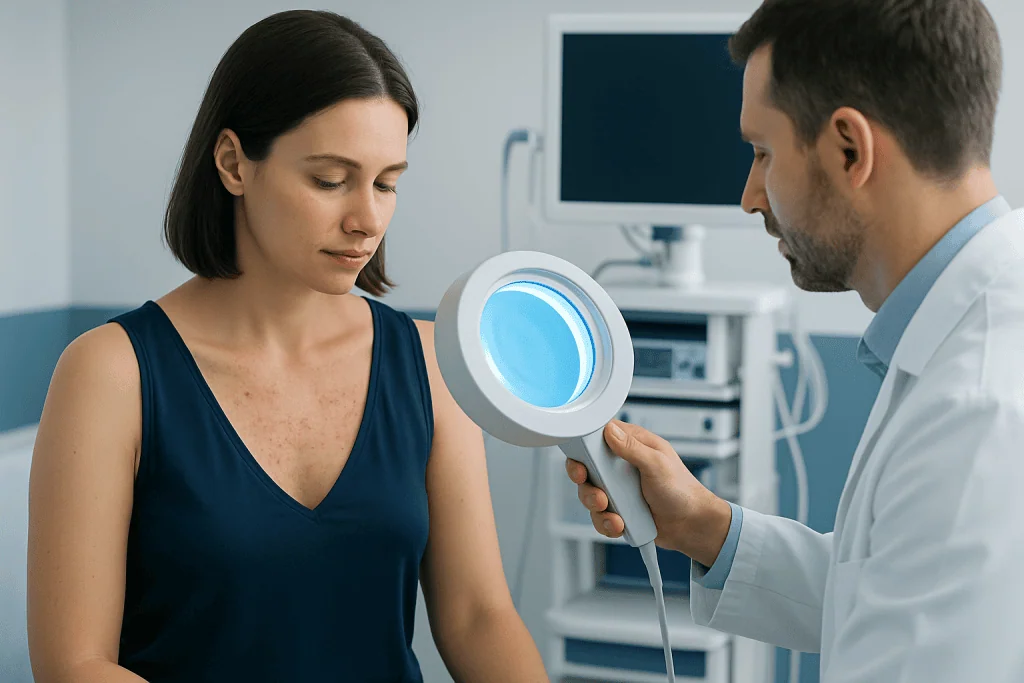
The symptoms of sun allergy vary from person to person and depend on the specific type of reaction. Some people notice itching first, followed by small raised bumps or patches of redness. Others develop hives, burning, stinging, or small blisters. In many cases, symptoms begin within minutes to hours after sun exposure, but in some forms they may appear later the same day or even after repeated exposure over several days.
The rash usually forms on skin that has recently been exposed to sunlight. Common areas include the V of the neck, shoulders, forearms, backs of the hands, and lower legs. In people whose skin is often covered, the first strong sun exposure of spring or early summer may trigger a more noticeable reaction.
Patterns can offer clues. Polymorphous light eruption often causes itchy spots or plaques that look similar from one episode to the next, while solar urticaria tends to cause hives very quickly after sun exposure. A photoallergic reaction may resemble eczema and can occur when sunlight interacts with certain medicines, fragrances, or skin products. Some people with underlying eczema or other inflammatory skin conditions may also find that sun exposure worsens irritation rather than causing a true sun allergy.
- Itching or burning after being in the sun
- Redness or a patchy rash on exposed skin
- Small bumps, raised plaques, or hives
- Occasional blisters or swelling in more intense reactions
- Symptoms that improve when sun exposure stops
Why it happens: causes and risk factors

Sun allergy develops when the skin reacts abnormally to sunlight, most often to UVA or UVB rays. In some conditions, UV light seems to trigger an immune response in the skin, leading to inflammation and itching. In others, a substance on or in the body changes after exposure to light and then causes a rash. This is why the term photosensitivity is often used in medical care.
Several factors can increase the chance of a sun-related reaction. A personal or family history of light-sensitive rashes may play a role. Certain medicines, including some antibiotics, anti-inflammatory drugs, diuretics, acne treatments, or psychiatric medications, may increase photosensitivity in some people. Skin products containing fragrances or other sensitizing ingredients can also contribute to photoallergic reactions. Reviewing all prescription drugs, over-the-counter medicines, and supplements is an important part of assessment.
Some medical conditions can make the skin more sensitive to sunlight or mimic sun allergy. Autoimmune disorders, pigment disorders, and chronic inflammatory skin diseases can all be relevant. A dermatologist may consider whether symptoms fit a primary sun allergy or another condition such as psoriasis or lupus-related photosensitivity. In children and adults alike, the overall pattern of the rash, seasonality, and any new products or medicines are especially helpful clues.
How doctors diagnose sun allergy
Diagnosis starts with a detailed medical history and skin examination. A doctor usually asks when the rash appears, how long it lasts, whether it is itchy or painful, which body areas are involved, and whether any medicines, perfumes, sunscreens, or creams were used before the reaction. Photographs taken during a flare can also be useful, especially if the rash has improved by the time of the visit.
In many cases, the diagnosis can be made clinically based on the pattern and timing of symptoms. If the cause is unclear, the doctor may recommend further evaluation. This can include patch testing for allergic contact reactions, phototesting to see how the skin responds to controlled UV exposure, or blood tests when an autoimmune condition is suspected. These tests help distinguish true sun allergy from sunburn, heat rash, drug-induced photosensitivity, or other skin disorders.
Sometimes, people with persistent or recurrent symptoms benefit from specialist care in dermatology evaluation. If the rash is severe, unusual, blistering, or associated with systemic symptoms, doctors may investigate more broadly to exclude other causes. An accurate diagnosis matters because treatment differs between polymorphous light eruption, solar urticaria, photoallergic reactions, and non-allergic photosensitivity.
Treatment options and day-to-day management
Treatment for sun allergy depends on the type and severity of the reaction. The first step is reducing further UV exposure while the skin settles. This often means staying in the shade, wearing tightly woven protective clothing, and avoiding direct midday sun. A broad-spectrum sunscreen that protects against both UVA and UVB can help lower the risk of repeat episodes, although sunscreen alone may not fully prevent symptoms in sensitive individuals.
Doctors often recommend medicines to ease inflammation and discomfort. These may include topical corticosteroid creams for short-term control of inflamed patches, oral antihistamines for itching or hives, and emollients to support the skin barrier. In selected cases with frequent recurrences, specialists may consider controlled light hardening therapy before sunny seasons or other tailored treatments depending on the diagnosis. People with severe hives or difficult symptoms may need a more individualized plan.
If a medicine or skin product is contributing to photosensitivity, stopping or changing it under medical advice can be important. For persistent or complex cases, patients may benefit from allergy assessment and coordinated care with dermatology. When needed, doctors may also evaluate whether a patient could benefit from care for related inflammatory skin conditions through skin specialist treatment.
Prevention and self-care in everyday life
Preventing sun allergy usually means reducing UV exposure in practical, sustainable ways. Clothing is one of the most effective tools. Long sleeves, wide-brimmed hats, UV-protective sunglasses, and garments with an ultraviolet protection factor can help shield sensitive skin. Seeking shade between late morning and mid-afternoon may also reduce risk, especially in summer and at high altitude.
Sunscreen remains an important part of prevention. Broad-spectrum products with a high SPF should be applied generously to exposed skin and reapplied as directed, especially after swimming or sweating. However, some people react to ingredients in personal care products, so fragrance-free and sensitive-skin formulations may be preferable. Testing a new product on a small area first can be helpful for those with a history of skin sensitivity.
Simple self-care can also make future flares easier to manage. Keeping a symptom diary may reveal patterns related to season, duration of sun exposure, travel, medicines, or skincare products. Staying cool, avoiding harsh exfoliants on irritated skin, and using gentle cleansers and moisturizers may reduce discomfort. If symptoms recur often, a clinician may recommend a prevention plan before sunny holidays or outdoor activities.
When to seek medical care
Medical advice is recommended if a rash after sun exposure is new, recurrent, severe, or difficult to explain. A doctor should assess symptoms that are widespread, very itchy, painful, blistering, or lasting longer than a few days. This is also important if the rash starts soon after beginning a new medicine or skincare product, as photosensitivity reactions may need medication review.
Urgent care may be needed if sun exposure leads to swelling of the lips or tongue, breathing difficulty, faintness, or rapid widespread hives, as these symptoms can suggest a serious allergic reaction. Anyone with fever, joint pain, marked fatigue, or rashes that leave scars or dark marks should also be evaluated, because some underlying conditions can mimic sun allergy.
For people who need specialist assessment, multidisciplinary teams can help clarify the diagnosis and create a long-term plan. Acibadem International’s multidisciplinary specialists in JCI-accredited hospitals diagnose and treat sun-related skin conditions for international patients, including cases needing coordinated dermatology care.
Frequently asked questions
Is sun allergy the same as sunburn?
No. Sunburn is direct skin damage caused by too much ultraviolet exposure, while sun allergy is an abnormal skin reaction triggered by sunlight. Sun allergy often causes itching, hives, or a rash pattern that is different from ordinary sunburn.
What does a sun allergy rash look like?
It can look different depending on the cause. Common features include red patches, itchy bumps, small blisters, or hives on skin exposed to sunlight. The appearance often repeats in a similar pattern during future episodes.
Can sun allergy go away on its own?
Mild reactions may improve within a few days once sun exposure is reduced. However, some people experience recurrent episodes, especially in spring and summer. Ongoing or severe symptoms should be assessed by a doctor to confirm the cause.
Can sunscreen prevent sun allergy?
Sunscreen can help reduce UV exposure and may lower the chance of a flare, but it may not fully prevent symptoms in everyone. Broad-spectrum products, protective clothing, and shade are usually most effective when used together.
What triggers sun allergy besides sunlight?
Some reactions involve sunlight together with another trigger, such as certain medicines, fragrances, or skincare ingredients. In these cases, the substance becomes a problem only after exposure to light. This is why a full review of medications and products is important.
Should children with suspected sun allergy see a doctor?
Yes, especially if the rash is recurrent, severe, blistering, or difficult to identify. Children can develop light-sensitive skin conditions, and a doctor can help distinguish sun allergy from eczema, heat rash, infection, or sunburn. Early guidance also helps families plan safe sun protection.
This article is for general information only and is not a substitute for professional medical advice. Please consult a qualified doctor about your individual situation.
Explore treatments in Turkey — costs, top hospitals & a free quote
JCI-accredited · board-certified surgeons · reply within 24h
Add us as a Preferred Source to see more of our trusted health content across Google Search, AI Overviews and Discover.

More from the Health Library

Fistula: An Evidence-Based Guide for Patients

Pvc Heart: An Evidence-Based Guide for Patients

Thai Massage: An Evidence-Based Guide for Patients

Mastopexy: A Complete Medical Overview

Cabbage: A Complete Medical Overview