

Thai Massage: An Evidence-Based Guide for Patients
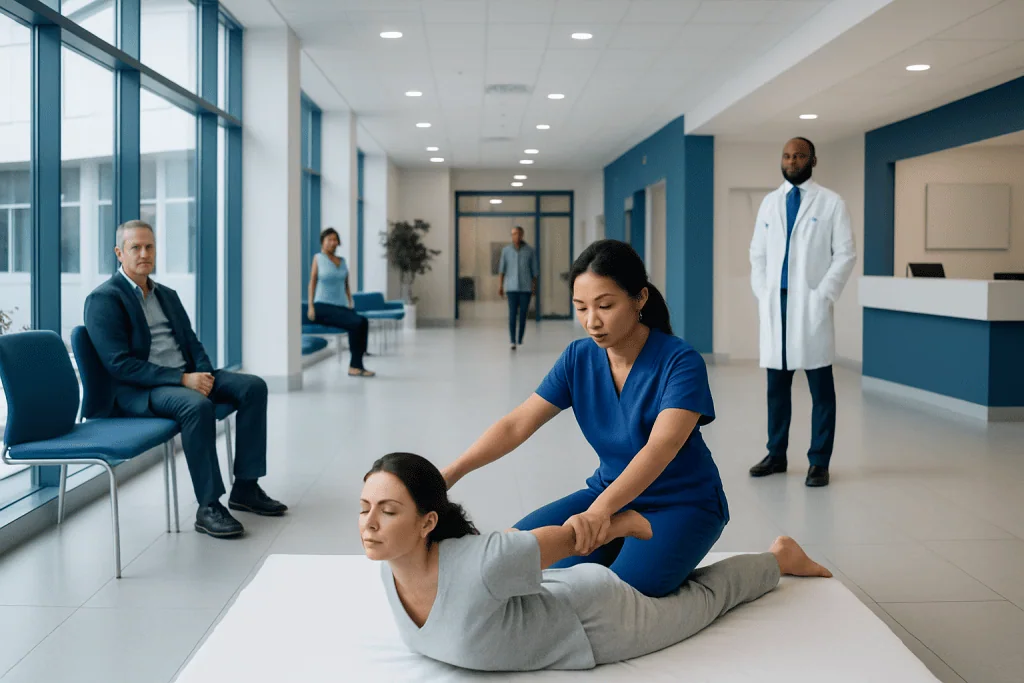
Thai massage combines pressure, stretching, and guided movement rather than oils and long gliding strokes. Some studies suggest thai massage may help reduce muscle tension, improve flexibility, and support short-term relief of certain pain symptoms.
Key Takeaways
- Thai massage combines pressure, stretching, and guided movement rather than oils and long gliding strokes.
- Some studies suggest thai massage may help reduce muscle tension, improve flexibility, and support short-term relief of certain pain symptoms.
- It is not suitable for everyone, especially people with fractures, acute injuries, blood clots, severe osteoporosis, or some heart and pregnancy-related concerns.
- A qualified practitioner should ask about medical history, current symptoms, and comfort levels before treatment.
- Persistent pain, numbness, weakness, swelling, fever, or unexplained symptoms should be assessed by a doctor rather than treated only with massage.
Thai massage is a traditional hands-on therapy that uses assisted stretching, pressure, and body positioning to promote relaxation and ease muscle tightness. Evidence suggests it may help some people with flexibility, stress, and certain pain symptoms, but it should be tailored carefully and avoided in some medical situations.
Overview: what thai massage is and what it may help
Thai massage is a form of manual therapy that combines rhythmic pressure, assisted stretching, and guided body positioning. Unlike many spa-style massages, it is often performed with the person fully clothed on a mat or firm treatment surface. The goal is usually to reduce muscle tension, improve ease of movement, and promote a sense of physical and mental relaxation.
From a medical perspective, thai massage is best viewed as a supportive wellness practice rather than a cure for disease. Research suggests it may help some people with short-term relief of muscular discomfort, reduced stress, and improved flexibility. However, results vary, and the quality of evidence is mixed depending on the condition being studied.
People often ask whether thai massage is “good for them.” The answer depends on their health status, symptoms, and expectations. For an otherwise healthy person with mild stiffness or stress, it may be a reasonable complementary option. For someone with severe pain, injury, nerve symptoms, or a chronic medical condition, it is safer to seek medical advice first so that an important diagnosis is not missed.
How thai massage works
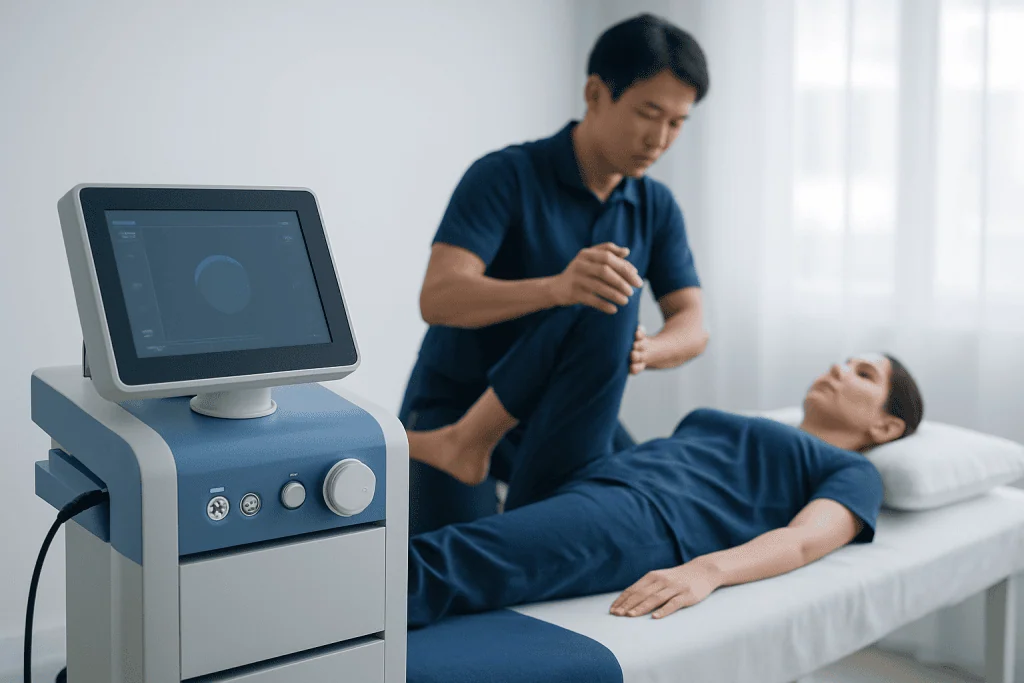
During thai massage, the practitioner uses hands, thumbs, elbows, forearms, and sometimes feet to apply pressure along different parts of the body. Sessions also commonly include passive stretches, gentle twisting, and movements that place joints and muscles through a supported range of motion. The pressure and stretches should be adapted to the individual’s age, flexibility, pain level, and medical history.
Several mechanisms may explain why people feel better afterward. Manual pressure can temporarily reduce muscle guarding and increase a sense of body awareness. Stretching may improve short-term flexibility and joint mobility. The quiet setting, focused breathing, and therapeutic touch may also help calm the nervous system and reduce stress.
It is important to understand that feeling “sore spots” does not necessarily mean toxins are being released or that a problem is being corrected. Improvement is more likely related to changes in muscle tension, movement, circulation in soft tissues, and relaxation. Benefits are usually temporary unless massage is combined with broader self-care measures such as exercise, sleep, and posture awareness.
Potential benefits and what the evidence says
Evidence-based reviews suggest thai massage may provide short-term benefits for some people with nonspecific musculoskeletal symptoms. These may include back, neck, or shoulder tightness, especially when symptoms are related to posture, stress, or overuse rather than a serious structural problem. Some people also report less fatigue and better general well-being after a session.
Thai massage may also help improve flexibility and range of motion in certain individuals. Athletes and office workers alike may notice easier movement after assisted stretching, although the effect may not last without regular activity and strengthening. In people with stress-related tension, the relaxation response may be just as valuable as the physical techniques themselves.
Still, thai massage should not replace proper evaluation when pain is severe, ongoing, or associated with other symptoms. Conditions such as sciatica, inflammatory joint disease, disc problems, or vascular conditions can mimic simple muscle tightness. When an underlying condition is present, the most helpful care plan may involve medical assessment, targeted exercise, physical therapy, or other treatments in addition to massage.
- Possible benefits: temporary relief of muscle tightness
- Possible benefits: improved short-term flexibility
- Possible benefits: relaxation and reduced stress
- Possible benefits: support for general body awareness and mobility
Who should avoid thai massage or use extra caution
Thai massage is not appropriate for everyone. Because it involves pressure, stretching, and joint positioning, it can aggravate some medical conditions. People with recent fractures, sprains, dislocations, open wounds, active skin infections, fever, or acute inflammation should generally postpone treatment until they have been medically assessed and have started to recover.
Extra caution is also needed in people with osteoporosis, bleeding disorders, use of blood thinners, a history of deep vein thrombosis, uncontrolled high blood pressure, severe heart disease, advanced diabetes with nerve damage, or recent surgery. Pregnancy is another situation where treatment should be modified by someone trained in prenatal care, and certain pressure points or positions may be avoided.
If a person has severe back pain, radiating leg pain, numbness, weakness, bowel or bladder changes, or neck pain after trauma, massage should not be the first step. A doctor may need to check for a problem involving the spine, nerves, or blood vessels. In some cases, evaluation with MRI imaging or another test may be more appropriate than bodywork alone.
What to expect during a session
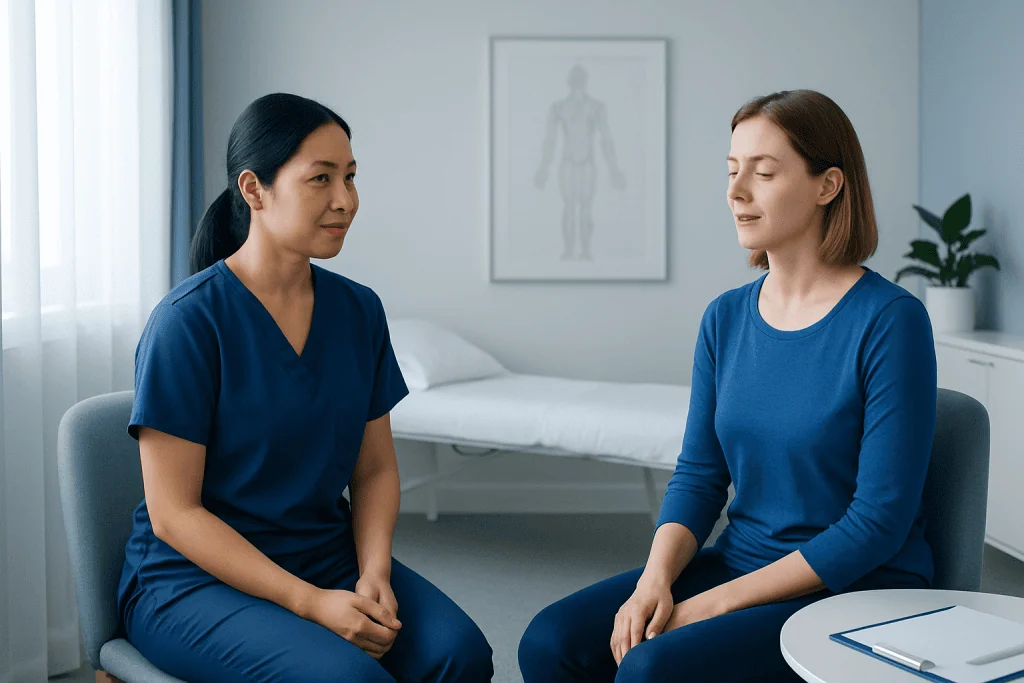
A thai massage session usually begins with questions about symptoms, medical history, recent injuries, and comfort with pressure or stretching. This conversation matters because a safe session should be adjusted to the individual rather than delivered in the same way to everyone. Patients should feel able to say if a movement is painful, too intense, or not suitable for them.
Most sessions are done with comfortable clothing rather than oils. The practitioner may start with gentle pressure and then move through the legs, hips, back, shoulders, and arms using a combination of compression, stretching, and supported positions. Breathing steadily and staying relaxed can help make the treatment more comfortable.
Afterward, some people feel looser and calmer right away, while others may feel mild temporary soreness similar to stretching after exercise. Drinking water, walking gently, and avoiding very intense physical activity for the rest of the day can be sensible. Ongoing or significant pain after a session is not expected and should be discussed with a clinician, particularly if it limits movement or is accompanied by numbness, swelling, or bruising.
Thai massage as part of a broader care plan
For many patients, thai massage is most useful when it is part of a larger plan for musculoskeletal health. Massage may temporarily reduce tension, but long-term improvement often depends on addressing contributing factors such as weak supporting muscles, prolonged sitting, poor ergonomics, repetitive strain, stress, and low activity levels.
Depending on the problem, a doctor may recommend exercise therapy, posture training, weight management, stress reduction, or a formal rehabilitation program. If movement patterns are restricted or pain keeps returning, physical therapy and rehabilitation may help identify the cause and build a safer plan for strength and mobility. In some cases of joint wear or persistent structural pain, medical assessment for osteoarthritis or other conditions may be needed.
When symptoms involve the neck, lower back, or joints, combining self-care with professional guidance is often more effective than relying on massage alone. Near the end of the care pathway, patients who need specialist evaluation may benefit from multidisciplinary support. Acibadem International’s specialists in JCI-accredited hospitals diagnose and treat musculoskeletal and pain-related conditions for international patients, including assessment through services such as orthopedics and traumatology when clinically appropriate.
Self-care and choosing a qualified practitioner
Patients can make thai massage safer and more effective by choosing a practitioner who takes a health history, explains the techniques, and respects comfort limits. It is reasonable to ask about training, experience with medical conditions, and whether the session can be modified for pain, stiffness, pregnancy, or reduced mobility. A trustworthy practitioner will welcome these questions.
Simple self-care habits can also support better results. Regular stretching, walking, strengthening, good sleep, and work-station adjustments may help prevent tension from returning quickly. Warm showers, breathing exercises, and short movement breaks during the day can be especially helpful for people whose tightness is related to stress or prolonged sitting.
Massage should never be forced. Sharp pain, dizziness, shortness of breath, or a feeling that a stretch is too intense are signs to stop immediately. Patients who are unsure whether thai massage is suitable for them should ask a doctor or physiotherapist before booking a session.
When to seek medical care
Medical care is important when pain is severe, lasts more than a few weeks, keeps coming back, or interferes with sleep, work, or walking. A clinician should also assess symptoms such as numbness, tingling, muscle weakness, swelling, fever, unexplained weight loss, chest pain, or pain after a fall or accident. These features suggest that something more than simple muscle tightness may be present.
It is also wise to seek medical advice before thai massage if a person has a complex medical history, recent surgery, known spine disease, osteoporosis, a blood-clotting problem, or is taking anticoagulant medication. An evaluation can help determine whether massage is safe, whether it should be modified, or whether another treatment would be more suitable first.
Used thoughtfully, thai massage can be a supportive part of wellness care. The safest approach is to match the technique to the person, avoid it when warning signs are present, and involve qualified medical professionals whenever symptoms are persistent, unexplained, or progressive.
Frequently asked questions
Is thai massage painful?
Thai massage should not be sharply painful, although some pressure or stretching may feel intense. A well-trained practitioner adjusts the session to the person’s comfort, flexibility, and health conditions. Patients should speak up right away if anything feels too strong or causes pain.
What is the difference between thai massage and a regular massage?
Thai massage usually involves assisted stretching, pressure, and guided body movements while the person remains clothed. Many other massage styles use oils and long gliding strokes on a massage table. The techniques, goals, and body positioning are different, even though both may promote relaxation.
Can thai massage help back pain?
It may help some people with mild, nonspecific back tightness or muscle tension, especially when stress or posture plays a role. However, it is not a substitute for medical evaluation when back pain is severe, persistent, radiates down the leg, or comes with weakness or numbness. In those cases, an underlying condition may need diagnosis and targeted treatment.
How often should someone get thai massage?
There is no single schedule that fits everyone. Frequency depends on the reason for treatment, symptom severity, overall health, and how the body responds. For many people, occasional sessions combined with exercise and self-care are more useful than very frequent massage alone.
Is thai massage safe during pregnancy?
Pregnancy requires caution because some positions and pressure techniques may not be appropriate. If massage is being considered, it should be discussed with a doctor first and provided by someone experienced in prenatal care. Sessions may need significant modification for comfort and safety.
Who should not have thai massage?
People with recent fractures, open wounds, acute injuries, fever, active infection, blood clots, or severe osteoporosis should generally avoid it until a clinician advises otherwise. Extra care is also needed for people with bleeding risks, recent surgery, serious heart conditions, or significant nerve symptoms. When in doubt, medical guidance is the safest first step.
References
- World Health Organization
- National Center for Complementary and Integrative Health
- Cochrane
- American Academy of Orthopaedic Surgeons
This article is for general information only and is not a substitute for professional medical advice. Please consult a qualified doctor about your individual situation.
Explore treatments in Turkey — costs, top hospitals & a free quote
JCI-accredited · board-certified surgeons · reply within 24h
Add us as a Preferred Source to see more of our trusted health content across Google Search, AI Overviews and Discover.
Check your numbers in seconds
BMI, calories, due date, blood pressure and 30+ more clinical calculators — free, instant, doctor-reviewed ranges.

More from the Health Library



Related Specialists
Prof. Dr. Ali Kurtsoy
Neurosurgery
Prof. Dr. Müjgan Alikaşifoğlu
Pediatrics
Dr. Hamed Jafarzadeh Andabil
Pathology
Assoc. Prof. Dr. Oğuz Durakbaşa
Orthopedic Surgery & Traumatology