Sun Blisters: What Patients Need to Know

Sun blisters are a sign of a more severe sunburn rather than a mild sun reaction. Blisters should usually be left intact because the skin over them helps protect healing tissue.
Key Takeaways
- Sun blisters are a sign of a more severe sunburn rather than a mild sun reaction.
- Blisters should usually be left intact because the skin over them helps protect healing tissue.
- Cooling the skin, staying hydrated, avoiding further sun, and using gentle skincare can support recovery.
- Medical care is important for severe pain, fever, dehydration, signs of infection, or extensive blistering.
- Consistent sun protection is the best way to prevent sun blisters.
Sun blisters are fluid-filled blisters that form after a more serious sunburn, usually as part of a second-degree burn affecting the outer and deeper layers of skin. Most heal with time and careful skin protection, but large, widespread, very painful, or infected blisters should be assessed by a doctor.
Overview: what sun blisters mean
Sun blisters are small or large pockets of clear fluid that appear on skin after intense ultraviolet (UV) exposure. They usually develop after a severe sunburn and indicate that the skin has been damaged more deeply than with simple redness alone. In practical terms, sun blisters often mean the burn is closer to a superficial partial-thickness, or second-degree, burn.
Blistering may not happen immediately. The skin often first becomes red, hot, tender, and swollen, and then blisters may appear several hours later or by the next day. Commonly affected areas include the shoulders, back, chest, scalp in people with thinning hair, and the tops of the feet.
For many people, the main question is whether blisters should be popped. In most cases, they should not. The blister roof acts like a natural dressing that helps reduce infection risk and protects the new skin forming underneath.
Most sun blisters improve gradually over several days to two weeks, depending on how deep and widespread the burn is. During that time, careful skin care and sun avoidance are important to reduce pain, help healing, and lower the chance of scarring or infection.
Symptoms and how they differ from a mild sunburn
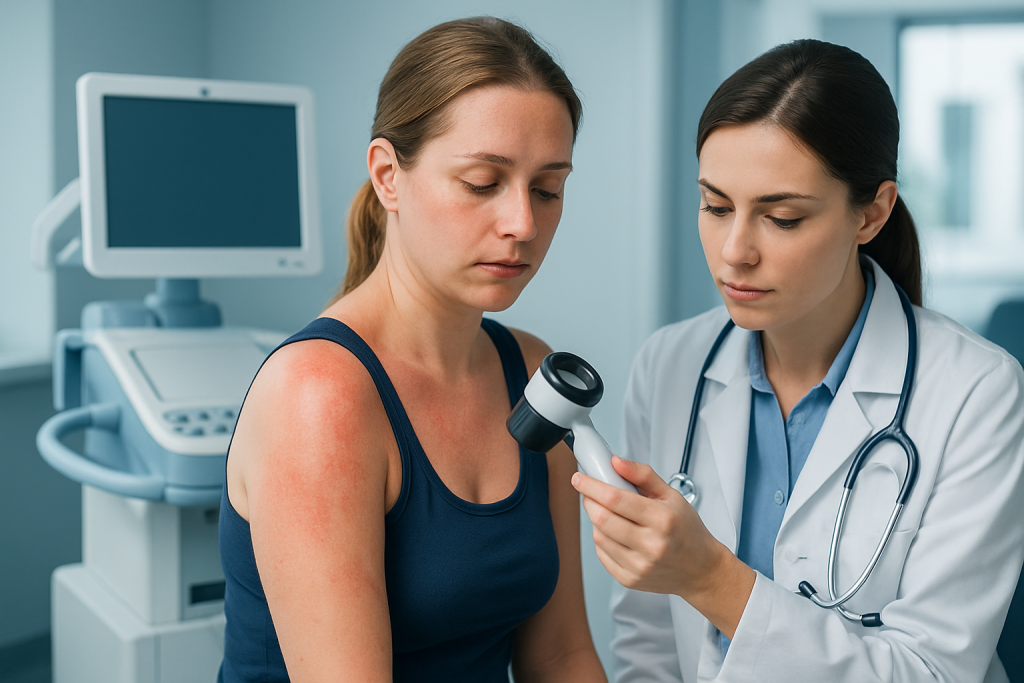
A mild sunburn usually causes redness, warmth, and tenderness. Sun blisters suggest a stronger injury. The skin may feel intensely painful, tight, swollen, and very sensitive to touch. Some people also notice itching as healing begins.
The blisters themselves can be tiny and clustered or larger and more tense. They often contain clear fluid, but if a blister breaks, the area underneath may look moist, raw, and bright pink. Peeling often follows as the skin repairs itself.
More significant sunburn can also affect the whole body, not just the skin. A person may feel tired, chilled, nauseated, dizzy, or dehydrated, especially after long heat and sun exposure. This is one reason severe sunburn should not be dismissed as only a skin problem.
- Red, warm, painful skin
- Swelling and tenderness
- Fluid-filled blisters
- Peeling after several days
- Possible headache, fatigue, nausea, or thirst
Why sun blisters happen: causes and risk factors

Sun blisters happen when UV radiation, especially UVB, damages skin cells enough to trigger inflammation and separation within the skin layers. The body responds by sending fluid into the injured area, which forms blisters. This is why blistering is not simply a cosmetic change but a sign of real tissue injury.
Anyone can develop sun blisters, but risk is higher in people with fair skin, light eyes, blond or red hair, or a history of burning easily. The risk also rises at the beach, near water or snow, at high altitude, and during midday hours because UV exposure is stronger in those settings.
Certain medicines and medical conditions can increase sensitivity to sunlight. Some antibiotics, acne treatments, anti-inflammatory medicines, and herbal products may make burning more likely. People with chronic skin conditions may also find that sun exposure worsens irritation. If recurrent or unusual blistering happens even after modest sun exposure, a dermatologist may look for photosensitivity disorders or related skin cancer warning signs if lesions do not heal as expected.
Indoor tanning also carries a risk of severe burns and blistering. A tan does not protect the skin from future injury, and repeated UV damage increases long-term risks such as premature aging and various forms of skin cancer.
What to do at home: safe care for sun blisters
Early care is aimed at cooling the skin and protecting the damaged area. Moving out of the sun right away is essential. Cool, not icy, compresses or a brief cool shower can help reduce heat and discomfort. The skin should then be patted dry rather than rubbed.
Blisters are usually best left intact. Breaking them can increase pain and make infection more likely. A gentle, fragrance-free moisturizer or soothing lotion may help surrounding intact skin, but thick, heavily perfumed products may sting. If a blister opens on its own, the area should be cleaned gently with mild soap and water and covered with a non-stick sterile dressing.
Good hydration is also important because sunburn can contribute to fluid loss. Wearing loose, soft clothing helps avoid friction. Over-the-counter pain relief may be appropriate for some adults, but people should follow package instructions and ask a clinician if they have kidney disease, stomach ulcers, are pregnant, or take blood thinners.
In some cases, a doctor may recommend specialized wound care or evaluation by dermatology services such as dermatology care if the burn is extensive, healing poorly, or difficult to distinguish from another skin condition.
What not to do during healing
Several common habits can slow healing. The first is popping or peeling blisters. Even if a blister feels tight, the overlying skin protects the tender new surface underneath. Pulling off loose skin too early can expose the area and raise infection risk.
Very cold ice packs placed directly on the skin should also be avoided because they can worsen tissue stress. Scrubbing, exfoliating, or using alcohol-based or strongly fragranced products may increase irritation. Tight clothing and prolonged heat exposure can add friction and discomfort.
It is also important not to return the burned skin to the sun before it has healed. Newly damaged skin is particularly vulnerable and may burn again quickly. If going outdoors is unavoidable, the area should be covered with protective clothing once the skin can tolerate it comfortably.
If the skin develops unusual color changes, persistent crusting, or a wound that does not heal as expected, doctors may consider further evaluation, sometimes including skin biopsy when another diagnosis needs to be ruled out.
When to seek medical care
Medical care is appropriate if sun blisters are widespread, very painful, or located on sensitive areas such as the face, hands, genitals, or over large body surfaces. A doctor should also be contacted if a child, older adult, or someone with a weakened immune system develops severe blistering because complications may occur more easily.
Urgent assessment is important if there are signs of dehydration or heat-related illness, such as confusion, fainting, severe weakness, vomiting, very dark urine, or inability to drink enough fluids. Fever, chills, increasing redness, pus, bad odor, or worsening pain can point to infection and should be evaluated promptly.
Sunburn sometimes overlaps with other concerns, including heat exhaustion or severe skin reactions. If the diagnosis is uncertain, clinicians may examine the skin more closely through dermoscopy or arrange specialist review when needed.
- Blistering over a large area
- Severe pain or swelling
- Fever, nausea, dizziness, or fainting
- Signs of infection
- Blisters on the face, hands, or genitals
- Burns in infants, frail older adults, or immunocompromised patients
Diagnosis, recovery time, and possible complications
Doctors usually diagnose sun blisters by examining the skin and asking about recent sun exposure, medications, and symptom timing. Most cases do not need blood tests or scans. The main goal is to judge how deep the burn is, whether infection is present, and whether another condition could be mimicking a sunburn.
Healing time depends on the depth of the burn and whether the blisters remain intact. Many people improve within a week, while deeper or more extensive burns can take longer. Peeling, dryness, and temporary color change in the skin are common during recovery.
Potential complications include infection, delayed healing, and post-inflammatory hyperpigmentation or lighter patches after the skin repairs itself. Repeated blistering sunburns also contribute to cumulative UV damage, which increases the long-term risk of premature skin aging and skin cancers.
If ongoing symptoms are unusual or severe, a dermatologist may help guide treatment and check for complications. Near the end of the care pathway, patients may benefit from multidisciplinary support; Acibadem International’s specialists in JCI-accredited hospitals diagnose and treat skin conditions for international patients when further assessment is needed.
Prevention and long-term skin protection
The best way to prevent sun blisters is to reduce intense UV exposure before burning starts. Broad-spectrum sunscreen, shade, hats, UV-protective clothing, and planning outdoor activities outside peak midday sun all help lower risk. Sunscreen should be applied generously and reapplied according to product directions, especially after swimming or sweating.
People often miss easy-to-burn areas such as the ears, scalp part line, lips, shoulders, and tops of the feet. Children and teenagers need particular protection because sunburns early in life contribute to cumulative skin damage. Tanning beds should also be avoided.
For people with repeated severe reactions, discussing medications and photosensitivity with a doctor can be useful. A clinician may suggest a skin check if there are changing moles, non-healing spots, or persistent rough patches, particularly after years of heavy sun exposure.
Prevention is not about avoiding outdoor life completely. It is about developing practical habits that protect the skin consistently. With good sun safety, most sun blisters can be prevented.
Frequently asked questions
Should sun blisters be popped?
Usually, no. Leaving sun blisters intact helps protect the healing skin underneath and lowers the chance of infection. If a blister breaks on its own, the area should be cleaned gently and covered with a non-stick dressing.
How long do sun blisters take to heal?
Many sun blisters begin improving within several days and may heal within one to two weeks. Recovery can take longer if the burn is deeper, widespread, or becomes infected. Gentle care and avoiding more sun exposure can support healing.
Can sun blisters leave scars?
Most superficial blistering sunburns heal without major scarring, but temporary darkening or lightening of the skin can happen. Scarring is more likely if blisters are deep, become infected, or are repeatedly picked or peeled.
What is the best immediate treatment for sun blisters?
The first steps are to get out of the sun, cool the skin with a cool shower or compress, drink fluids, and protect the blisters. Harsh products, tight clothing, and further UV exposure should be avoided. Medical advice is helpful if symptoms are severe or widespread.
Are sun blisters dangerous?
Sun blisters are a sign of a more severe sunburn, so they should be taken seriously even if many cases heal well at home. They can become complicated by dehydration, infection, or heat-related illness. Large or painful blistering, body-wide symptoms, or signs of infection should be assessed by a doctor.
Can sunscreen prevent sun blisters completely?
Sunscreen greatly reduces risk, but no sunscreen blocks all UV exposure in every situation. Protection works best when sunscreen is combined with shade, protective clothing, hats, and limiting midday sun. Reapplication is important, especially after sweating or swimming.
This article is for general information only and is not a substitute for professional medical advice. Please consult a qualified doctor about your individual situation.
Explore treatments in Turkey — costs, top hospitals & a free quote
JCI-accredited · board-certified surgeons · reply within 24h
Add us as a Preferred Source to see more of our trusted health content across Google Search, AI Overviews and Discover.

More from the Health Library

Klebsiella Pneumoniae: A Complete Medical Overview

Shortness of Breath After Eating: An Evidence-Based Guide for Patients

Throwing Up Bile: A Complete Medical Overview

Blood When Throwing Up After Drinking: An Evidence-Based Guide for Patients

Vinegar Water Cleanse — Explained by Medical Evidence, Not Myths