Sun Rash Explained: Common Triggers and Red Flags

Sun rash is not one single diagnosis; it describes several possible skin reactions triggered or worsened by sunlight. Common causes include heat rash, polymorphous light eruption, medication-related photosensitivity, and underlying conditions such as eczema or lupus.
Key Takeaways
- Sun rash is not one single diagnosis; it describes several possible skin reactions triggered or worsened by sunlight.
- Common causes include heat rash, polymorphous light eruption, medication-related photosensitivity, and underlying conditions such as eczema or lupus.
- Warning signs include blistering, fever, facial swelling, trouble breathing, or a rash that keeps returning after sun exposure.
- Treatment depends on the cause and may include cooling measures, sun protection, stopping a triggering medicine under medical guidance, or prescription creams.
- A clinician may need to distinguish a harmless sun-triggered rash from infections, autoimmune disease, or contact reactions.
Sun rash is a general term for skin reactions that appear after sunlight exposure, including heat rash, sun allergy, medicine-related photosensitivity, and flare-ups of existing skin conditions. It often improves with sun avoidance and gentle skin care, but severe, spreading, painful, or recurring rashes should be medically assessed.
What is a sun rash?
Sun rash is a broad term for a skin eruption that develops during or after exposure to sunlight. People often use it to describe itchy red patches, small bumps, hives, or a stinging rash that seems linked to time outdoors. In many cases, the reaction is mild and short-lived, but the exact cause can vary.
Importantly, a sun rash is a symptom pattern rather than one single disease. For one person, it may be a simple heat rash caused by sweating and blocked sweat ducts. For another, it may reflect a light-sensitive condition such as polymorphous light eruption, a reaction to a medication, or a flare of an underlying disorder such as lupus.
The appearance, timing, and location of the rash offer useful clues. A rash that comes on after the first strong sun exposures of spring may suggest sun sensitivity, while a rash in sweaty skin folds may be more consistent with heat rash. Because different causes can look similar, persistent or recurrent symptoms deserve a professional evaluation.
How sun rash can look and feel
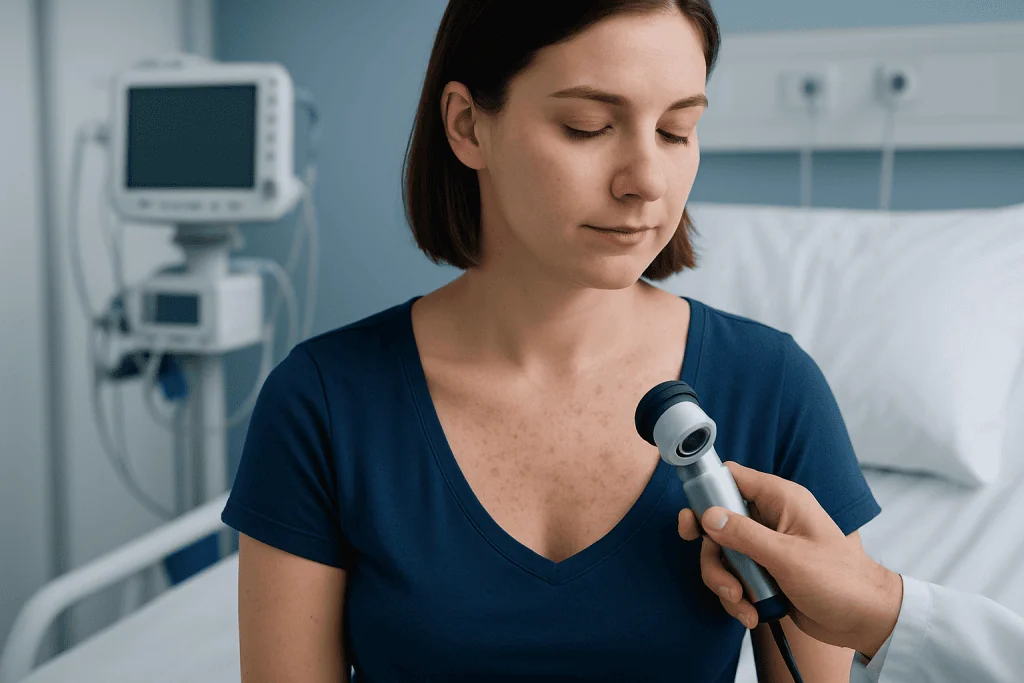
Sun rash can appear in different ways depending on the trigger. Some people notice tiny red bumps, while others develop raised patches, hives, dry itchy plaques, or clusters of small blisters. The skin may feel itchy, prickly, burning, warm, or tender. In darker skin tones, the rash may look violet, gray-brown, or simply feel rough and irritated rather than obviously red.
Commonly affected areas include the chest, arms, shoulders, neck, and legs, especially places newly exposed to sun. The face may be involved in some conditions but spared in others. Heat rash often affects the back, under the breasts, groin, neck, or other areas where sweat becomes trapped.
The timing also matters. Some reactions start within minutes or hours of sun exposure, while others appear later the same day or the next day. A rash that repeatedly comes after outdoor activity, tanning beds, or even exposure through windows should raise the possibility of photosensitivity.
- Itching or burning after sun exposure
- Redness, bumps, or hive-like welts
- Dry, scaly, or rough patches
- Small blisters or crusting in more intense reactions
- Symptoms limited to sun-exposed skin, or to sweaty skin in heat rash
Common triggers and causes

Several different problems can be called a sun rash. One of the most common is heat rash, also called miliaria, which happens when sweat ducts become blocked. It is more related to heat and sweating than ultraviolet light itself, although it often occurs during sunny weather. Heat rash usually causes small prickly bumps in moist areas and often improves once the skin cools down.
Another common cause is polymorphous light eruption, a recurring reaction to sunlight often described as a “sun allergy.” It usually appears on skin newly exposed after winter or after a holiday in strong sun. The rash may be itchy and patchy or made up of small bumps, and it often settles over days if further sun exposure is avoided. Some people also develop solar urticaria, a rarer condition in which hives form quickly after sunlight exposure.
Medications and skin products can also trigger a photosensitivity rash. Certain antibiotics, anti-inflammatory medicines, diuretics, acne treatments, and fragrances or plant substances can make the skin more reactive to sunlight. In addition, sunlight can worsen existing skin conditions such as eczema or rosacea, and it can trigger autoimmune rashes in some people, including those with lupus. A dermatologist may evaluate persistent symptoms and, when needed, discuss options such as dermatology care or further assessment for photosensitive disorders.
Risk factors and patterns doctors look for
Doctors often look beyond the rash itself to understand why it happened. A recent beach trip, outdoor sports, gardening, hot humid weather, a new medication, or use of a scented sunscreen or cosmetic can all be relevant. The pattern of the rash on the body also helps separate sun-triggered conditions from contact dermatitis, infection, or insect bites.
People with fair skin may notice redness more easily, but sun rash can affect any skin tone. Those with a personal or family history of photosensitivity, autoimmune disease, or chronic skin disease may be more prone to symptoms. Reactions are also more likely during the first intense sun exposures of the season or after travel to sunnier climates.
Children and older adults may be more vulnerable to heat-related rashes because of sweating patterns, skin sensitivity, or medications. Anyone taking medicines known to increase sun sensitivity should review sun precautions with a healthcare professional rather than stopping treatment independently. If symptoms are recurrent or associated with other health changes, broader medical review may be needed.
How sun rash is diagnosed
Diagnosis usually begins with a careful history and skin examination. A clinician will ask when the rash started, how soon it followed sun exposure, whether it itches or burns, and which body areas are affected. They may also ask about recent travel, new medicines, herbal supplements, sunscreens, perfumes, and any history of autoimmune disease or other skin disorders.
In many cases, the diagnosis can be made clinically. However, if the rash is severe, recurrent, unusual in appearance, or accompanied by other symptoms, further tests may be useful. These may include blood tests to look for autoimmune causes, allergy evaluation, or specialized light testing in selected patients with suspected photosensitivity disorders.
Sometimes the key step is ruling out conditions that can mimic sun rash, such as contact dermatitis, viral rashes, hives unrelated to sunlight, fungal infection, or bacterial skin infection. If symptoms are persistent or the diagnosis remains uncertain, referral for specialist dermatology evaluation may help clarify the cause and guide treatment safely.
Treatment options and symptom relief
Treatment depends on what is causing the rash. For many mild cases, the first steps are simple: move out of the sun, cool the skin, wear loose clothing, and avoid further heat or friction. Cool compresses, fragrance-free moisturizers, and gentle skin care can reduce irritation. If the rash is due to heat, keeping the skin dry and cool is especially important.
When inflammation or itching is more troublesome, a doctor may recommend medicated creams or other treatments. For photosensitivity reactions, sun avoidance for a period of time and broad-spectrum sun protection are central. If a medication may be responsible, a clinician can review whether an alternative is possible; people should not stop prescribed medicines without medical advice.
If sun exposure is triggering a flare of another condition, treatment may focus on that underlying problem. For example, management may be directed toward an underlying lupus rash or another skin disease rather than the sun exposure alone. In selected cases, doctors may advise further care through allergy testing or related specialist assessment. Acibadem International’s multidisciplinary specialists in JCI-accredited hospitals also evaluate and treat sun-related skin reactions for international patients when a more detailed workup is needed.
Prevention and self-care
Prevention begins with reducing the skin’s exposure to known triggers. Staying in the shade during the strongest sunlight hours, wearing tightly woven clothing, a wide-brimmed hat, and using broad-spectrum sunscreen can lower the chance of many sun-triggered rashes. Sunscreen should be reapplied as directed, especially after sweating or swimming.
For people prone to heat rash, cooling strategies matter just as much as UV protection. Lightweight breathable clothing, prompt removal of sweaty clothes, cool showers, and avoiding overheated environments can help prevent blocked sweat ducts. Fragrance-free skin products are often a good choice when the skin is already sensitive.
It can also help to keep a symptom diary. Recording when the rash appears, how long it lasts, which medicines are being taken, and what products or activities came before it may reveal a pattern. This information can make a medical visit more useful and may help distinguish between heat rash, sun allergy, and other causes.
When to seek medical care
Many mild sun rashes settle with rest from the sun and basic skin care. Medical advice is important, however, if the rash is severe, widespread, blistering, very painful, or keeps returning. People should also seek care if the rash is associated with fever, joint pain, unusual fatigue, mouth sores, or other symptoms that could suggest a more complex condition.
Urgent medical attention is needed for facial swelling, wheezing, trouble breathing, faintness, or rapidly spreading hives, as these can signal a serious allergic reaction. Signs of infection, such as increasing warmth, pus, or worsening tenderness, should also be assessed promptly. Infants, older adults, and people with chronic illness may need earlier review.
A clinician can help determine whether the problem is a simple heat-related eruption or whether it needs further investigation. If symptoms do not improve, if a new medicine may be involved, or if there is concern about an autoimmune or allergic trigger, timely assessment is the safest next step.
Frequently asked questions
Is sun rash the same as sun poisoning?
Not exactly. Sun rash refers to a skin reaction linked to sunlight, while the term "sun poisoning" is a non-medical phrase often used for a severe sunburn or intense sun-related reaction. A doctor can help distinguish between a mild rash, sunburn, and a more serious problem.
How long does a sun rash last?
The duration depends on the cause. Mild heat rash may improve within days once the skin is cooled, while polymorphous light eruption or medication-related photosensitivity can last longer and may recur with repeated sun exposure. If the rash is not improving or keeps coming back, medical review is advisable.
Can sunscreen cause a rash that looks like sun rash?
Yes. Some people react to ingredients in sunscreens, fragrances, or other skin products, causing contact dermatitis or photoallergic reactions. If a rash appears where a product was applied, a clinician may suggest switching to a fragrance-free or mineral-based option and evaluating for product sensitivity.
Which medicines can trigger a sun rash?
A range of medicines can increase photosensitivity, including some antibiotics, diuretics, acne treatments, anti-inflammatory drugs, and other prescription medicines. This does not happen to everyone, and the level of risk varies by medication. A pharmacist or doctor can review current treatments and advise on sun precautions.
Can a sun rash be a sign of lupus?
Sometimes, yes. In some people, sunlight can trigger or worsen lupus-related skin rashes, especially when there are other symptoms such as joint pain, fatigue, or mouth sores. Most sun rashes are not caused by lupus, but recurring or unusual reactions should be checked.
What can someone do at home for mild sun rash?
Helpful steps include getting out of the sun, cooling the skin, wearing loose clothing, and using gentle fragrance-free moisturizers. Avoiding further sun exposure until the skin settles is important. If symptoms are significant or do not improve, a healthcare professional should advise on the next steps.
This article is for general information only and is not a substitute for professional medical advice. Please consult a qualified doctor about your individual situation.
Explore treatments in Turkey — costs, top hospitals & a free quote
JCI-accredited · board-certified surgeons · reply within 24h
Add us as a Preferred Source to see more of our trusted health content across Google Search, AI Overviews and Discover.

More from the Health Library

What Does Aftershave Do? Causes, Explanations, and Next Steps

What Is Lean? A Doctor-Reviewed Answer

Signs of Tubes Growing Back Together: Common Causes, Related Conditions, and When to See a Doctor

Are Eggs Good for Weight Loss? Here Is What the Evidence Says

Ativan vs Xanax: Key Differences and How Doctors Tell Them Apart