Signs of Tubes Growing Back Together: Common Causes, Related Conditions, and When to See a Doctor

Fallopian tubes do not usually cause specific symptoms if they reconnect after tubal ligation. The most important possible sign is pregnancy after sterilization, including ectopic pregnancy.
Key Takeaways
- Fallopian tubes do not usually cause specific symptoms if they reconnect after tubal ligation.
- The most important possible sign is pregnancy after sterilization, including ectopic pregnancy.
- Pelvic pain, missed periods, abnormal bleeding, or pregnancy symptoms should be checked promptly.
- Tubal ligation is very effective, but no method is completely fail-safe.
- A doctor may use pregnancy testing, ultrasound, and surgical history to evaluate concerns.
Signs of tubes growing back together are usually not felt directly. Most people only suspect tubal recanalization if they have a positive pregnancy test, a missed period, or new pelvic symptoms after a tubal ligation.
Overview: What “tubes growing back together” usually means
When people ask about signs of tubes growing back together, they are usually referring to a possible failure of tubal ligation, sometimes called tubal recanalization. This means a pathway may have formed again in one or both fallopian tubes, allowing an egg and sperm to meet. It is uncommon, but it can happen.
In most cases, there are no clear physical sensations that prove the tubes have reconnected. The first clue is often a missed period, a positive pregnancy test, or symptoms that suggest pregnancy. Because pregnancy after tubal ligation can sometimes be ectopic, meaning it develops outside the uterus, new symptoms after sterilization should not be ignored.
It is also important to remember that not every symptom after tubal ligation means the tubes have grown back together. Pelvic pain, irregular bleeding, bloating, or cramping can happen for many other gynecologic reasons, including ovarian cysts, hormonal changes, endometriosis, or infection. A medical evaluation helps clarify the cause.
Possible signs and symptoms to watch for

The most meaningful sign of possible tubal reconnection is pregnancy after a tubal ligation. A person may notice a missed period, breast tenderness, nausea, fatigue, increased urination, or a positive home pregnancy test. Even if pregnancy seems unlikely, these symptoms deserve attention because sterilization does not eliminate pregnancy risk completely.
Some people also develop pelvic or lower abdominal pain. Pain alone does not prove the tubes have reconnected, but if it occurs together with a late period, spotting, dizziness, or a positive pregnancy test, urgent assessment is important. These can be warning signs of an ectopic pregnancy, which needs prompt treatment.
Other symptoms that may raise concern include unexpected vaginal bleeding or spotting, menstrual changes, or cramping that feels different from usual. These symptoms are nonspecific, meaning they can happen in many conditions. Still, after tubal ligation, they may prompt a doctor to rule out pregnancy and other reproductive health problems.
- Missed or late menstrual period
- Positive pregnancy test
- Nausea, breast tenderness, or fatigue
- Pelvic or one-sided lower abdominal pain
- Light bleeding or spotting
- Dizziness, faintness, or shoulder pain in urgent cases
Why tubal ligation can fail
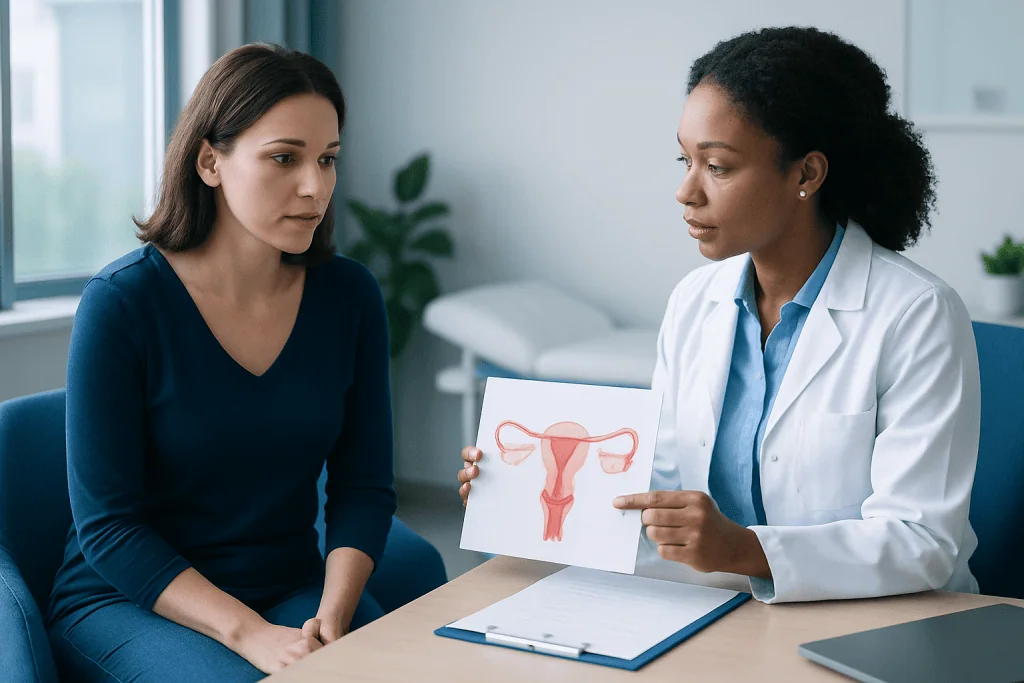
Tubal ligation works by blocking, sealing, clipping, tying, or removing part of the fallopian tubes so sperm cannot reach the egg. It is a highly effective form of permanent birth control, but no sterilization method is 100% effective. Failure can occur if a small passage remains, a new channel forms, or the original procedure does not completely block the tube.
The exact reason may depend on the sterilization technique used. Methods that involve clips or rings, cutting and tying, cautery, or partial salpingectomy each have different long-term failure patterns. In rare situations, the separated tube ends can reconnect enough to allow fertilization. This is the process often described as tubes growing back together.
Timing also matters. Pregnancy can occur soon after the procedure if a person ovulates before the sterilization becomes fully effective or if intercourse happens before backup precautions were completed, depending on the method and timing around childbirth. For others, failure may happen years later. A gynecologist can review the operative history and explain the most likely possibilities.
Related conditions that can mimic or accompany the problem
Because the symptoms are not specific, doctors often consider several related conditions. The most important is ectopic pregnancy, which is more likely than average when pregnancy happens after tubal ligation. Ectopic pregnancy may cause one-sided pelvic pain, spotting, weakness, shoulder pain, or fainting, although early cases can also be mild.
Other conditions can also cause pain or bleeding after sterilization. These include ovarian cysts, fibroids, endometriosis, pelvic inflammatory disease, and common menstrual irregularities. Some people may also have pain related to scar tissue or a completely unrelated digestive or urinary problem.
In some cases, a person is concerned about sterilization failure because they are trying to understand unexpected infertility changes, pelvic symptoms, or reproductive planning. Depending on the broader clinical picture, doctors may discuss evaluation for endometriosis or other gynecologic issues. If pregnancy is desired after prior sterilization, referral for specialist care such as IVF treatment may be part of the conversation.
How doctors diagnose the cause
The first step is usually simple: ruling out or confirming pregnancy. A urine or blood pregnancy test is often done promptly in anyone with missed periods, pregnancy symptoms, or unexplained pelvic pain after tubal ligation. If the test is positive, ultrasound is commonly used to determine whether the pregnancy is inside the uterus or ectopic.
A doctor will also ask when the tubal ligation was performed, which method was used, whether there were any complications, and when symptoms started. Menstrual history, sexual activity, prior pregnancies, and any previous pelvic conditions are also relevant. This history often helps narrow down whether pregnancy, hormonal changes, or another pelvic disorder is more likely.
Further testing depends on the situation. Pelvic examination and ultrasound may identify cysts, fibroids, or signs of bleeding. In selected cases, imaging or surgical assessment may be needed. If symptoms suggest another condition, a specialist may recommend evaluation with gynecology care or, for complex cases, laparoscopy to look directly inside the pelvis.
Treatment options and what happens next
Treatment depends on the actual diagnosis, not simply on the suspicion that the tubes have grown back together. If pregnancy is confirmed, the next priority is making sure it is located in the uterus and assessing whether it is progressing normally. If ectopic pregnancy is found, treatment may involve medication or surgery, depending on the clinical situation and the doctor’s judgment.
If pregnancy is not present, the doctor focuses on the cause of symptoms. Pelvic pain or abnormal bleeding may be managed by treating ovarian cysts, endometriosis, infection, or other conditions as appropriate. If a patient wants ongoing permanent contraception after a tubal ligation failure, repeat sterilization or complete salpingectomy may be discussed with a gynecologic surgeon.
If a person hopes to conceive after a prior tubal procedure, management is different. Depending on age, ovarian reserve, the type of original tubal surgery, and overall fertility factors, options may include surgical reversal in selected settings or assisted reproduction such as in vitro fertilization. Decisions are individualized and should be made with a qualified fertility specialist.
Prevention, self-care, and reducing confusion
There is no home method to check whether fallopian tubes have reconnected, and routine screening is not usually done after successful sterilization. The best self-care step is symptom awareness. Anyone who has had a tubal ligation should still take a missed period or possible pregnancy symptoms seriously, even years after the procedure.
Keeping a record of menstrual cycles can help identify changes early. If periods become irregular, if unusual spotting occurs, or if pelvic pain develops, it may be helpful to note timing, severity, and associated symptoms such as nausea or dizziness. This information can support a more accurate medical assessment.
People who want the strongest possible permanent contraception may ask their surgeon about the specific method used and whether full tube removal was performed. These discussions are most helpful before or at the time of sterilization. After the procedure, follow-up instructions should be reviewed carefully, especially regarding when the method becomes effective and when to seek care.
When to seek medical care
Medical care should be sought promptly if there is a missed period, a positive pregnancy test, or new pregnancy-like symptoms after tubal ligation. These signs do not automatically mean the tubes have grown back together, but they do mean pregnancy should be ruled out. Early evaluation is especially important because of the risk of ectopic pregnancy.
Urgent medical attention is needed for severe pelvic or abdominal pain, one-sided pain, heavy bleeding, dizziness, fainting, weakness, or shoulder pain. These symptoms can signal internal bleeding from ectopic pregnancy or another serious problem. It is safer not to wait for symptoms to pass on their own.
For non-urgent concerns such as recurring pelvic discomfort, menstrual changes, or questions about fertility after sterilization, a gynecologist can help review the procedure history and plan testing if needed. Acibadem International’s multidisciplinary specialists and JCI-accredited hospitals evaluate and treat gynecologic and fertility concerns for international patients in a coordinated setting.
Frequently asked questions
Can a person feel their tubes growing back together?
Usually not. There is no reliable physical sensation that specifically means the fallopian tubes have reconnected. Most people only become concerned because of pregnancy symptoms, a missed period, or pelvic pain.
What is the first sign of tubal ligation failure?
The first noticeable sign is often pregnancy, especially a missed period or a positive pregnancy test. Some people also notice nausea, breast tenderness, or fatigue. Any possible pregnancy after tubal ligation should be assessed by a doctor.
How common is pregnancy after tubal ligation?
Tubal ligation is very effective, but it is not perfect. Pregnancy afterward is uncommon, yet it can occur months or even years later. The exact risk depends on the surgical method used and individual factors.
Does pelvic pain after tubal ligation mean the tubes reconnected?
Not necessarily. Pelvic pain can be caused by many conditions, including ovarian cysts, endometriosis, infection, bowel problems, or urinary issues. If pain occurs with a missed period, spotting, or a positive pregnancy test, prompt medical evaluation is important.
Why is ectopic pregnancy a concern after tubal ligation?
If pregnancy occurs after tubal ligation, there is a greater chance that it could implant outside the uterus, often in a fallopian tube. This is called ectopic pregnancy. It can become dangerous if not treated, so symptoms such as one-sided pain, spotting, dizziness, or fainting should be checked urgently.
Can a doctor confirm whether the tubes grew back together?
Doctors usually begin by checking for pregnancy and using ultrasound to look for its location. The diagnosis of tubal reconnection is often based on the overall clinical picture, previous surgical method, and findings during further evaluation. In some cases, direct assessment during surgery provides the clearest answer.
What should someone do if they want pregnancy after a tubal procedure?
They should speak with a gynecologist or fertility specialist rather than trying to guess whether the tubes are open. Options may include fertility testing, tubal surgery in selected situations, or IVF. The best choice depends on age, general fertility health, and the type of original procedure.
References
- American College of Obstetricians and Gynecologists
- Centers for Disease Control and Prevention
- Mayo Clinic
- National Health Service
- World Health Organization
This article is for general information only and is not a substitute for professional medical advice. Please consult a qualified doctor about your individual situation.
Explore treatments in Turkey — costs, top hospitals & a free quote
JCI-accredited · board-certified surgeons · reply within 24h
Add us as a Preferred Source to see more of our trusted health content across Google Search, AI Overviews and Discover.