

Sun Safety: UV Protection, Sunscreen Use, and Skin Self-Checks

Ultraviolet radiation can damage the skin even on cloudy, cool, or windy days, so sun protection is useful year-round. A broad-spectrum sunscreen with SPF 30 or higher should be applied generously and reapplied regularly, especially after swimming or sweating.
Key Takeaways
- Ultraviolet radiation can damage the skin even on cloudy, cool, or windy days, so sun protection is useful year-round.
- A broad-spectrum sunscreen with SPF 30 or higher should be applied generously and reapplied regularly, especially after swimming or sweating.
- Shade, hats, sunglasses, and tightly woven clothing provide important protection and should be used alongside sunscreen.
- Skin self-checks help people notice new, changing, or unusual spots and seek medical advice early.
- Children, people with fair skin, outdoor workers, and anyone with a history of skin cancer or many moles may need extra sun protection and regular medical skin checks.
Sun safety means protecting the skin and eyes from ultraviolet radiation while still enjoying outdoor life. A daily routine that includes shade, protective clothing, sunscreen, and regular skin self-checks can help reduce sun damage and support early detection of concerning skin changes.
Overview
Sun safety is a practical set of habits that helps protect the skin and eyes from ultraviolet, or UV, radiation. UV exposure is a major cause of sunburn, premature skin aging, dark spots, and some types of skin cancer. Protection is not only important at the beach or during summer holidays; it is also relevant during daily activities such as walking, driving, gardening, exercising outdoors, or sitting near a window with strong sunlight.
The goal is not to avoid outdoor life, which can be important for physical activity and wellbeing. Instead, sun safety helps people enjoy time outside with lower risk. The most effective approach combines several measures: seeking shade, wearing protective clothing and sunglasses, using sunscreen correctly, and checking the skin regularly for changes.
Sun protection is especially important for children because early-life sunburns can contribute to later skin damage. However, adults of all ages also benefit from consistent protection. Even people who tan easily or have darker skin tones can develop sun damage and skin cancer, so a balanced routine is useful for everyone.
Understanding UV Radiation
Ultraviolet radiation is invisible energy from the sun. UVA rays penetrate more deeply into the skin and contribute to skin aging, pigmentation changes, and long-term damage. UVB rays are more strongly linked with sunburn and also play an important role in skin cancer risk. Broad-spectrum protection means protection against both UVA and UVB rays.
UV levels are influenced by the time of day, season, altitude, cloud cover, and reflection from surfaces such as water, sand, snow, and concrete. UV radiation is usually strongest around midday, but meaningful exposure can occur earlier and later in the day. Clouds may reduce visible brightness, yet UV rays can still reach the skin, which is why sunburn can happen on overcast days.
The UV index is a helpful daily guide. When the UV index is moderate or higher, stronger protective habits are recommended. People who spend long periods outdoors, such as athletes, travelers, construction workers, agricultural workers, and children at play, should pay particular attention to cumulative exposure over time.
Sunscreen Use: How to Choose and Apply It
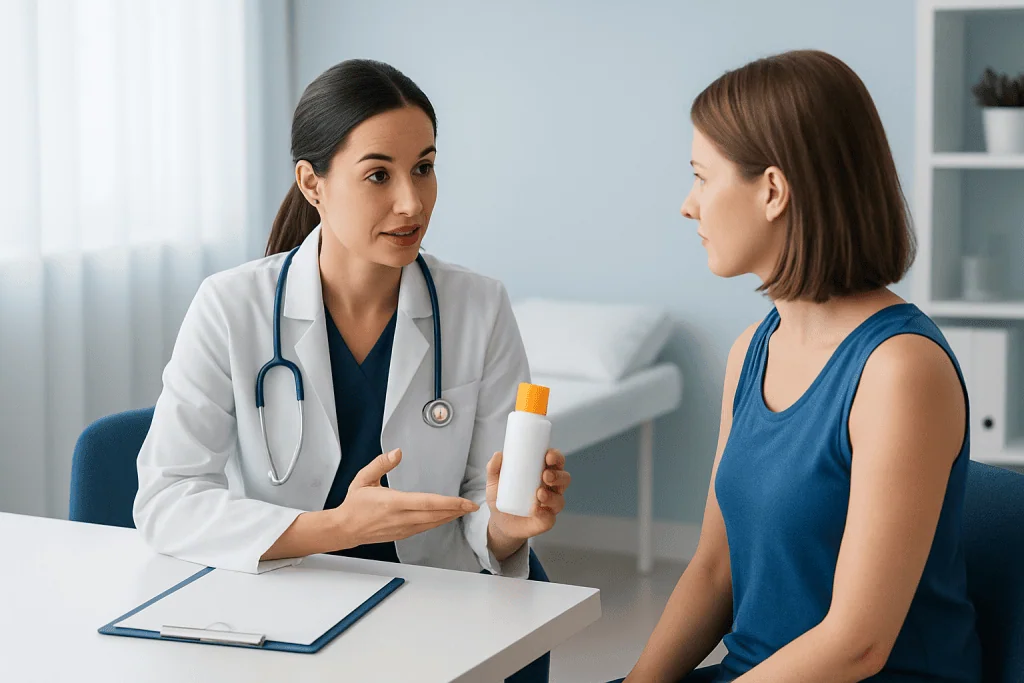
Sunscreen is one part of sun protection, not a complete shield. Most people should choose a broad-spectrum sunscreen with SPF 30 or higher for exposed skin. SPF mainly indicates protection from UVB-related sunburn, while the broad-spectrum label confirms UVA protection as well. Water-resistant formulas can be helpful for swimming, sports, or sweating, but no sunscreen is fully waterproof.
Applying enough sunscreen matters. Many people use less than needed, which reduces protection. Sunscreen should be applied generously to all exposed areas, including the face, ears, neck, scalp part line, tops of the feet, hands, and lips if using an SPF lip balm. It is best applied before going outdoors so it can form an even film on the skin.
Reapplication is just as important as the first application. In general, sunscreen should be reapplied at least every two hours when outdoors and sooner after swimming, heavy sweating, or towel drying. Makeup or moisturizers with SPF can help for everyday routines, but they may not provide enough coverage during prolonged outdoor exposure unless applied in adequate amounts and reapplied appropriately.
People with sensitive skin may prefer mineral sunscreens containing zinc oxide or titanium dioxide, which tend to be less irritating for some users. Those with acne-prone skin can look for non-comedogenic products. A dermatologist or pharmacist can help select an appropriate sunscreen for children, sensitive skin, allergies, or specific medical conditions.
Shade, Clothing, Hats, and Eye Protection
Physical protection is often the most reliable first layer of sun safety. Shade can significantly reduce direct UV exposure, especially during the middle of the day. Useful shade sources include trees, umbrellas, canopies, awnings, and shaded seating areas. Because UV rays can reflect from surrounding surfaces, sunscreen and protective clothing may still be needed even in the shade.
Clothing helps protect skin when it is tightly woven, dark or bright in color, and covers more surface area. Long-sleeved shirts, trousers, rash guards, and swim shirts can reduce the need to repeatedly apply sunscreen to large areas. Some garments are labeled with an ultraviolet protection factor, or UPF, which indicates how well the fabric blocks UV radiation.
A broad-brimmed hat protects the scalp, face, ears, and neck better than a narrow-brimmed cap. For eye protection, sunglasses should block UVA and UVB rays. UV exposure can contribute to eye irritation and long-term eye problems, so sunglasses are not just a comfort item; they are part of a complete sun protection plan.
- Plan outdoor activities for earlier morning or later afternoon when possible.
- Use shade during peak UV hours, especially for children.
- Wear a wide-brimmed hat and UV-blocking sunglasses.
- Choose protective clothing for long outdoor days, sports, and travel.
Skin Self-Checks: What to Look For
Regular skin self-checks help people become familiar with their own pattern of moles, freckles, birthmarks, and spots. This makes it easier to notice new or changing lesions. A self-check is not a substitute for a dermatologist’s examination, but it is a useful habit that can prompt timely medical advice.
A helpful method is the ABCDE guide for melanoma warning signs: asymmetry, border irregularity, color variation, diameter that is larger than usual or growing, and evolution over time. Evolution is especially important because a spot that changes in size, shape, color, surface, sensation, or bleeding pattern should be assessed by a clinician. Not all concerning spots follow the ABCDE pattern, so any persistent or unusual change deserves attention.
Self-checks should include the entire body, not only sun-exposed areas. People can use a full-length mirror, hand mirror, or help from a partner to examine the scalp, back, buttocks, soles of the feet, between the toes, under the nails, and behind the ears. Taking dated photos of moles or areas of concern can help track changes, but photos should not delay a medical visit if something looks suspicious.
Many dermatologists recommend monthly self-checks for people at higher risk, but the best schedule can vary. People with many moles, a personal or family history of skin cancer, a history of blistering sunburns, or immune suppression should ask a dermatologist how often professional skin examinations are appropriate.
Special Considerations for Children, Travelers, and Higher-Risk Skin
Children need careful sun protection because their skin is more vulnerable to sunburn, and sun habits formed early often continue into adulthood. Babies younger than six months should generally be kept out of direct sunlight and protected with shade, lightweight clothing, and hats. For infants and children, caregivers should ask a pediatrician about suitable sunscreen use, especially for sensitive skin.
Travel can increase UV exposure because people often spend more time outdoors and may visit places with stronger sunlight, higher altitude, or reflective environments such as beaches, pools, mountains, or snow. Packing sunscreen, hats, sunglasses, and protective clothing before travel helps avoid gaps in protection. Sunscreen may need to be reapplied more often during swimming, sightseeing, hiking, or sports.
People with fair skin, light-colored eyes, red or blond hair, many moles, a history of tanning bed use, or a personal or family history of skin cancer may be more vulnerable to UV damage. However, darker skin can also burn and can develop skin cancers that may be diagnosed later because they are less expected. Sun safety and attention to changing skin lesions are important for all skin tones.
Some medications and medical conditions can increase sun sensitivity. Certain antibiotics, acne treatments, anti-inflammatory medicines, and other prescriptions may make skin more likely to burn or react in sunlight. Patients should read medication information and ask their doctor or pharmacist if extra sun precautions are needed.
Prevention and Everyday Self-Care
The best sun safety routine is one that is easy to repeat. Keeping sunscreen near the door, in a work bag, sports kit, or travel bag can make application more consistent. Protective hats and sunglasses should be treated like everyday outdoor essentials, especially in sunny climates or during active seasons.
Indoor tanning devices should be avoided because they expose the skin to UV radiation and can increase skin damage. A tan is a sign that the skin has responded to injury from UV exposure. People who want a tanned appearance may consider sunless tanning products, but these do not provide reliable UV protection unless they also contain SPF and are used correctly.
Healthy skin care also includes moisturizing when needed, treating sunburn gently, and avoiding further sun exposure while the skin heals. Severe blistering, widespread sunburn, fever, chills, dizziness, or signs of infection should be discussed with a healthcare professional. Mild sunburn may improve with cool compresses, hydration, and gentle skin care, but repeated sunburns are preventable and should prompt stronger protection habits.
A balanced approach to sun safety can be individualized. People who need vitamin D, have skin conditions affected by sunlight, or are unsure about their risk should speak with a qualified clinician rather than relying on intentional unprotected sun exposure. Nutrition, supplements when medically appropriate, and safe outdoor activity can all be discussed as part of preventive care.
When to See a Doctor
A doctor or dermatologist should evaluate any new, changing, bleeding, itching, painful, crusting, or non-healing skin lesion. Medical attention is also advised for a mole or spot that looks different from others, sometimes called the ugly duckling sign. Early assessment does not mean a spot is cancer; it simply allows an expert to decide whether monitoring, dermoscopy, biopsy, or treatment is needed.
People at higher risk may benefit from scheduled professional skin examinations even when they have no symptoms. This includes those with a previous skin cancer, many atypical moles, strong family history of melanoma, organ transplant history, immune suppression, or significant past UV exposure. The appropriate interval depends on individual risk and should be personalized by a dermatologist.
During a skin examination, the clinician may inspect the skin with the eyes and a dermoscope, a handheld magnifying device with light. If a lesion appears suspicious, a biopsy may be recommended to confirm the diagnosis. Most skin checks are straightforward, and many findings are benign, but timely evaluation is important when changes are present.
Acibadem International’s multidisciplinary specialists and JCI-accredited hospitals diagnose and treat skin conditions for international patients, including dermatology evaluation and follow-up when needed. Anyone concerned about a skin change should seek advice from a qualified healthcare professional in their local setting or through an appropriate specialist referral.
Frequently asked questions
What SPF should most people use for daily sun protection?
Most people should use a broad-spectrum sunscreen with SPF 30 or higher on exposed skin. Broad-spectrum means it helps protect against both UVA and UVB rays. Sunscreen should be applied generously and reapplied when outdoors for extended periods.
Is sunscreen necessary on cloudy days?
Yes, UV radiation can reach the skin even when the weather is cloudy or cool. People may not feel hot, but the skin can still receive enough UV exposure to cause damage. Checking the UV index can help guide daily protection.
How often should sunscreen be reapplied?
In general, sunscreen should be reapplied at least every two hours during outdoor exposure. It should be reapplied sooner after swimming, sweating heavily, or towel drying. Water-resistant sunscreen still needs reapplication because it wears off over time.
What is the best way to do a skin self-check?
A skin self-check should include the whole body using a mirror and good lighting. Look for new spots, changing moles, sores that do not heal, or lesions that bleed, itch, or look different from others. If a change is noticed, a dermatologist should assess it.
Can people with darker skin get sun damage or skin cancer?
Yes, darker skin has more natural melanin protection, but it is not immune to UV damage or skin cancer. Skin cancers in darker skin may appear on less sun-exposed areas, including palms, soles, or under nails. Any persistent or changing lesion should be checked.
Are tanning beds safer than sunlight?
No, tanning beds expose the skin to ultraviolet radiation and can contribute to skin aging and skin cancer risk. A tan indicates the skin has responded to UV injury. Sunless tanning products can provide color without UV exposure, but they do not replace sunscreen unless they contain SPF and are used correctly.
When should a child start using sunscreen?
For babies younger than six months, shade, clothing, and hats are usually the main protection, and caregivers should ask a pediatrician about sunscreen use. Older infants and children can often use appropriate sunscreen on exposed areas, along with shade and protective clothing. Pediatric guidance is helpful for children with sensitive skin or allergies.
References
- World Health Organization
- American Academy of Dermatology Association
- Centers for Disease Control and Prevention
- Skin Cancer Foundation
- European Academy of Dermatology and Venereology
This article is for general information only and is not a substitute for professional medical advice. Please consult a qualified doctor about your individual situation.
Oncology care in Turkey — second opinion and treatment plan
JCI-accredited · board-certified surgeons · reply within 24h
Add us as a Preferred Source to see more of our trusted health content across Google Search, AI Overviews and Discover.

More from the Health Library



Related Specialists

Dr. Şahiner Sezgin
Internal Medicine
Ceren Keser
Physical Medicine & Rehabilitation
Assoc. Prof. Dr. Hüseyin Cahit Yılmaz
General Surgery
Dr. Kamuran Mutluay
Pediatrics