Sunken Eyes — Explained by Medical Evidence, Not Myths

Sunken eyes are a sign or appearance change, not a diagnosis on their own. Common contributors include aging, inherited facial structure, dehydration, poor sleep, smoking, allergies, and weight loss.
Key Takeaways
- Sunken eyes are a sign or appearance change, not a diagnosis on their own.
- Common contributors include aging, inherited facial structure, dehydration, poor sleep, smoking, allergies, and weight loss.
- New, one-sided, painful, or rapidly worsening sunken eyes need prompt medical assessment.
- Treatment focuses on the cause and may range from hydration and skin care to management of illness or specialist procedures.
- Persistent changes around the eyes are best assessed by a qualified clinician, especially if vision symptoms are present.
Sunken eyes usually describe a hollow, shadowed appearance around the eyes rather than a disease itself. In many people, they are linked to aging, genetics, dehydration, weight loss, lack of sleep, or an underlying medical condition, so the best treatment depends on the cause.
What sunken eyes usually mean
Sunken eyes describe a hollow or recessed look around the eyes, often most noticeable under the lower eyelids or along the upper lid crease. This appearance is commonly caused by loss of volume in the tissues around the eye, deeper shadows from facial structure, thinning skin, or changes in fluid balance. It is a visible feature rather than a single medical diagnosis.
For many people, sunken eyes are related to normal aging or inherited anatomy. As the face ages, fat pads shift, skin becomes thinner, and collagen decreases, which can make the eye sockets look more prominent. In other cases, temporary factors such as dehydration, lack of sleep, or recent illness can make the eyes appear more hollow than usual.
Because several different issues can produce a similar appearance, it is helpful to look at the full picture: when the change began, whether it affects one or both eyes, and whether there are other symptoms such as pain, swelling, double vision, weight loss, or fatigue. That context helps distinguish a cosmetic concern from a medical problem that needs treatment.
How sunken eyes can look and feel
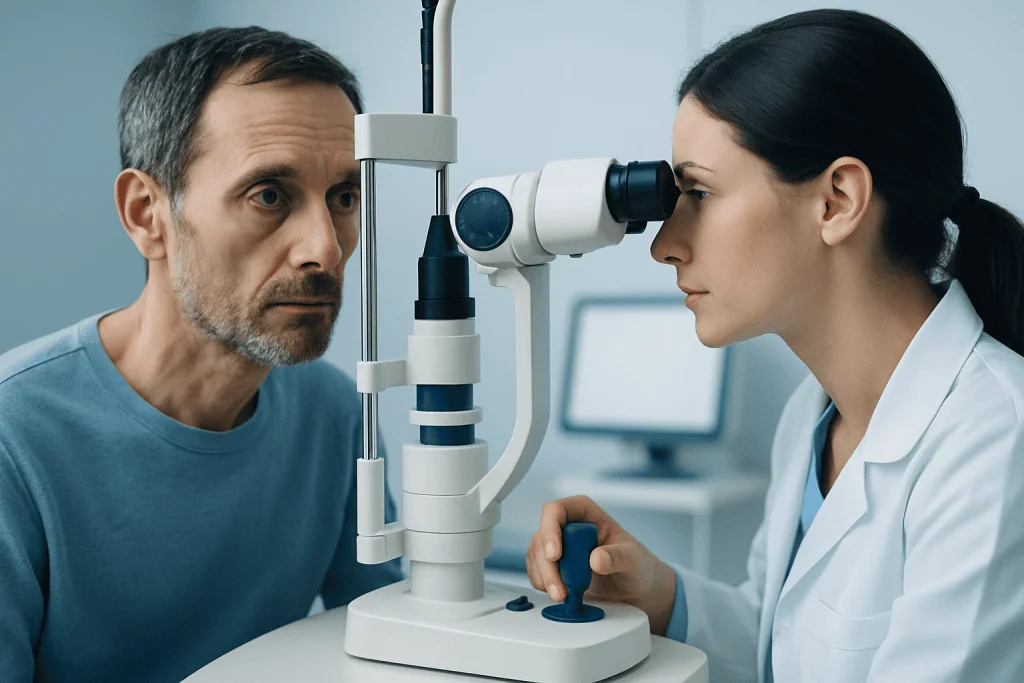
People describe sunken eyes in different ways. Some notice dark shadows under the eyes, a tired appearance, deeper hollows near the inner corners, or a more visible bony rim around the eye socket. Others feel that makeup no longer sits the same way or that old photographs show a fuller area around the eyes than they have now.
Sunken eyes themselves do not usually cause discomfort. However, the underlying cause may produce additional symptoms. For example, dehydration can come with dry mouth, dizziness, or headache, while allergy-related eye rubbing can add itching and puffiness. Illnesses that lead to weight loss or poor nutrition may cause weakness, reduced appetite, or changes in skin and hair.
Features that deserve more attention include a sudden change, one eye looking more sunken than the other, eye pain, redness, fever, vision changes, or the feeling that the eyeball has shifted backward. These findings are less likely to be explained by routine fatigue or aging and should not be ignored.
- Hollowing under the lower eyelids
- More visible dark circles or shadowing
- A tired or gaunt facial appearance
- Thinner skin and more visible blood vessels
- Associated dryness, itching, or irritation depending on the cause
Common causes and risk factors

The most frequent cause of sunken eyes is age-related volume loss. Over time, the skin around the eyes becomes thinner and less elastic, while deeper tissues lose support. Genetics also play a major role: some people naturally have deeper-set eyes or stronger tear-trough shadows, even when they are young and healthy.
Dehydration can make the eyes seem temporarily more sunken because the body has less fluid in the tissues. Lack of sleep can worsen the appearance by increasing pallor, puffiness, and shadowing. Significant weight loss, especially if rapid, may reduce facial fat and make the orbital area look hollow. Smoking can also accelerate skin aging and reduce skin quality, which may make the change more noticeable.
Medical conditions may contribute as well. Chronic allergies can lead to rubbing, irritation, and pigment change under the eyes. Poor nutrition, gastrointestinal illness, long-term infections, and some endocrine or systemic disorders may cause weight loss, fatigue, or tissue changes that affect the face. In some cases, conditions involving the eye socket can change the position of the eye and create a truly sunken look. If other symptoms suggest a broader health issue, evaluation may include looking for related conditions such as thyroid disease or digestive disorders that affect nutrition.
How doctors evaluate sunken eyes
Assessment begins with a medical history and physical examination. A clinician usually asks when the change started, whether it is stable or worsening, and whether it affects one or both eyes. They may also ask about sleep, diet, recent weight change, fluid intake, smoking, allergies, medications, and symptoms such as fever, nasal congestion, headaches, visual changes, or chronic illness.
The examination focuses on the skin, eyelids, eye position, facial symmetry, and signs of dehydration or systemic disease. If the eyes are red, painful, or associated with double vision or limited eye movement, an eye specialist may be needed. When concern exists about the bones or soft tissues around the orbit, imaging can help assess the structure in more detail, such as MRI or CT scanning if clinically appropriate.
Not everyone needs tests. In many healthy adults with gradual, symmetrical changes and no warning signs, the cause may be age-related anatomy or lifestyle factors. Testing is more likely if there is sudden onset, asymmetry, significant unexplained weight loss, persistent gastrointestinal symptoms, signs of infection, hormonal symptoms, or other features suggesting an underlying condition.
Treatment options depend on the cause
There is no single treatment for sunken eyes because management depends on why they developed. If dehydration is a factor, improving fluid intake and treating the reason for fluid loss may help. If poor sleep, stress, smoking, or allergy-related eye rubbing are contributing, addressing those triggers can reduce the hollow or shadowed appearance over time.
When an underlying illness is found, treatment is directed at that condition. For example, management may include nutritional support, treatment of allergies, care for chronic digestive disease, or assessment by an eye specialist if the orbit or eyeball position seems abnormal. If facial volume loss is significant after major weight loss or aging, some people discuss procedural options with qualified specialists. Depending on the overall assessment, supportive or reconstructive care may involve specialists in plastic and reconstructive surgery when appropriate.
Daily measures can also improve how the area looks. Gentle skin care, sun protection, avoiding smoking, treating nasal allergies, and using cool compresses for irritation may help some people. If concerns are mainly cosmetic but persistent, a clinician can advise which options are likely to be helpful and which are unlikely to change true anatomic shadows.
Self-care and prevention
Although not every case can be prevented, healthy habits can reduce factors that make sunken eyes more noticeable. Consistent hydration, regular sleep, balanced nutrition, and avoiding tobacco support both the skin and deeper tissues around the eyes. If weight loss is planned, gradual weight reduction under professional guidance may lessen abrupt facial volume changes.
Protecting the eye area from sun exposure is also important. Ultraviolet light contributes to skin thinning and pigment changes, which can deepen shadows. Wearing sunglasses, using a broad-spectrum sunscreen around the orbital area as tolerated, and avoiding excessive rubbing can all help preserve the delicate skin around the eyes.
For people with allergies, managing triggers and seeking treatment for persistent itching can prevent repeated rubbing that darkens or irritates the under-eye area. Good general health care matters too: routine medical follow-up can identify chronic conditions that affect hydration, nutrition, or skin quality before they become more obvious in the face.
- Drink enough fluids for activity level and climate
- Aim for regular, restorative sleep
- Eat a varied diet with adequate protein and micronutrients
- Do not smoke and limit exposure to smoke
- Use sun protection and avoid aggressive rubbing of the eyes
When to seek medical care
Medical advice is sensible if sunken eyes are new, persistent, or troubling, especially when they do not improve with rest and hydration. A doctor should also assess changes that come with unexplained weight loss, ongoing vomiting or diarrhea, poor appetite, chronic fatigue, or signs of nutritional problems. These clues may point to a broader health issue rather than a simple cosmetic change.
Urgent assessment is important if one eye suddenly appears more sunken than the other, or if there is pain, redness, fever, trauma, reduced vision, double vision, severe headache, or difficulty moving the eye. These features can indicate an orbital, neurological, or infectious problem and should be evaluated promptly.
For international patients who need assessment, Acibadem International’s multidisciplinary specialists and JCI-accredited hospitals evaluate symptoms affecting the eyes and general health, with access to ophthalmology, internal medicine, imaging, and supportive specialties when needed.
Frequently asked questions
Are sunken eyes a sign of dehydration?
They can be. Dehydration may reduce fluid in body tissues and make the area around the eyes look more hollow or tired. However, aging, genetics, sleep loss, and weight loss are also common causes, so dehydration is only one possible explanation.
Can lack of sleep cause sunken eyes?
Lack of sleep can make sunken eyes appear worse by increasing shadowing, pallor, and puffiness around the eyes. It may not be the only cause, but improving sleep often helps the area look less tired. If the change persists despite good rest, another factor may be involved.
Do sunken eyes always mean illness?
No. Many people have naturally deep-set eyes or develop more hollowing with age, and this can be entirely benign. Sunken eyes are more concerning when they are sudden, one-sided, painful, or associated with symptoms such as weight loss, fever, or vision changes.
Can sunken eyes be reversed?
Sometimes they can improve, depending on the cause. If dehydration, sleep deprivation, allergies, or recent illness is contributing, the appearance may lessen once those issues are managed. Age-related or inherited hollowing may not fully reverse without procedural treatment, so evaluation helps set realistic expectations.
What is the difference between dark circles and sunken eyes?
Dark circles mainly refer to discoloration or visible shadowing under the eyes. Sunken eyes refer more to a hollow or recessed shape caused by facial anatomy or volume loss. The two often occur together because hollows can cast shadows that look like dark circles.
Should a child with sunken eyes see a doctor?
Yes, especially if the child also has vomiting, diarrhea, fever, poor drinking, lethargy, or reduced urination. In children, sunken eyes can be a sign of dehydration or illness and should be assessed promptly. Any sudden change in eye appearance deserves medical attention.
References
- American Academy of Ophthalmology
- National Eye Institute
- Mayo Clinic
- Cleveland Clinic
- MedlinePlus
This article is for general information only and is not a substitute for professional medical advice. Please consult a qualified doctor about your individual situation.
Medical weight-loss options in Turkey — costs & eligibility
JCI-accredited · board-certified surgeons · reply within 24h
Add us as a Preferred Source to see more of our trusted health content across Google Search, AI Overviews and Discover.