Superficial Radiotherapy Symposium: How It Works, Results and What to Expect
Superficial radiation therapy is a non-surgical local treatment mainly used for selected basal cell and squamous cell skin cancers. Treatment is usually delivered in multiple short outpatient sessions over several weeks.
Key Takeaways
- Superficial radiation therapy is a non-surgical local treatment mainly used for selected basal cell and squamous cell skin cancers.
- Treatment is usually delivered in multiple short outpatient sessions over several weeks.
- Cure and local-control results can be very good in appropriately selected cases, but they vary with cancer type, size, location and previous treatment.
- Skin redness, dryness, tenderness and peeling often build gradually during treatment and improve over the following weeks.
- Regular dermatology follow-up remains important because new skin cancers can occur elsewhere on the skin.
A superficial radiotherapy symposium typically explores how superficial radiation therapy (SRT) can treat selected non-melanoma skin cancers without surgery. SRT uses low-penetration X-rays directed at the skin lesion and nearby tissue, with treatment planning and follow-up tailored to the individual diagnosis.
Overview: what superficial radiotherapy symposium discussions mean
A superficial radiotherapy symposium is an educational setting where clinicians review the role of superficial radiation therapy (SRT), a form of external-beam radiation designed to treat disease close to the skin surface. In skin cancer care, it is most often considered for selected basal cell carcinomas and squamous cell carcinomas. The treatment directs low-energy X-rays at the lesion and a small surrounding margin while limiting dose to deeper tissues.
SRT is not the same as a diagnosis, and it is not suitable for every skin lesion. A biopsy and specialist assessment are needed to identify the cancer type, its depth, location, borders and risk features. For many people, surgery remains a preferred option because it removes the lesion and allows the removed tissue to be examined; however, radiation can be a useful alternative in selected circumstances.
Decisions are usually made with input from dermatology, pathology, radiation oncology and, when needed, surgical specialists. Related skin conditions and treatment choices should be discussed individually, including basal cell carcinoma and squamous cell carcinoma.
How superficial radiotherapy works
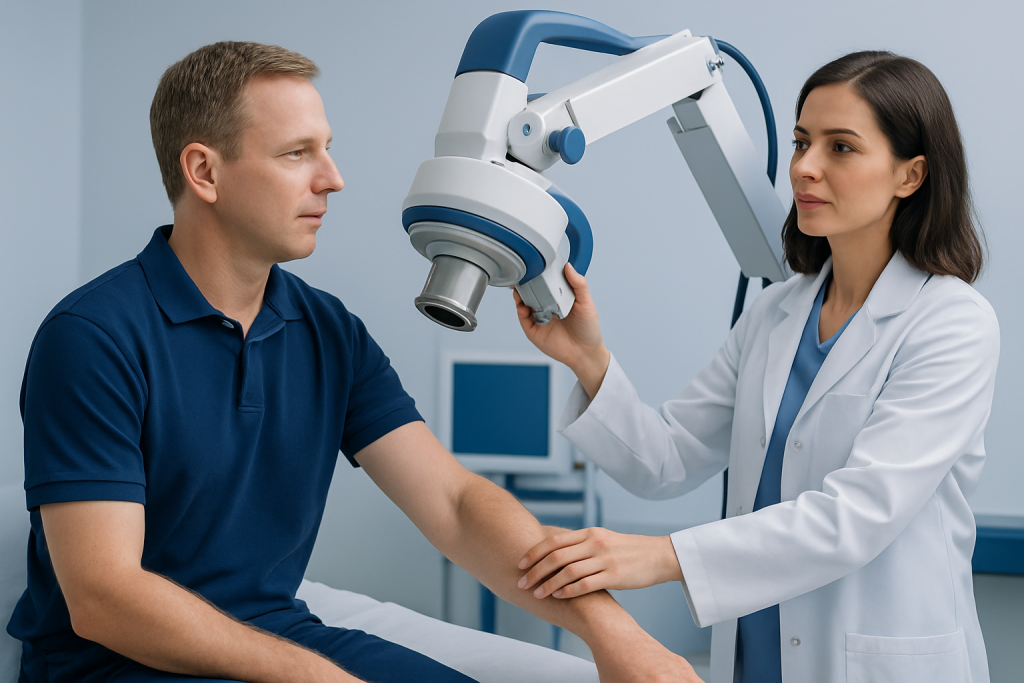
Radiation damages the genetic material inside cells. Cancer cells are generally less able than healthy cells to repair this damage, so they gradually stop dividing and are cleared by the body over time. Superficial equipment is calibrated to deliver radiation mainly within the upper layers of the skin, where many non-melanoma skin cancers begin.
Before treatment, the radiation oncology team confirms the treatment area and designs a plan that includes the visible lesion and an appropriate margin. Shields or customized positioning devices may be used to protect nearby sensitive structures, such as the eyes, lips or nose. The exact technique depends on the body site and the cancer’s features.
SRT is local therapy: it treats the targeted area but does not prevent skin cancers from developing elsewhere. It is different from systemic treatment, which travels through the bloodstream. In some cases, a specialist may recommend broader radiotherapy planning or another treatment approach instead of superficial treatment.
Who may be a candidate for SRT?
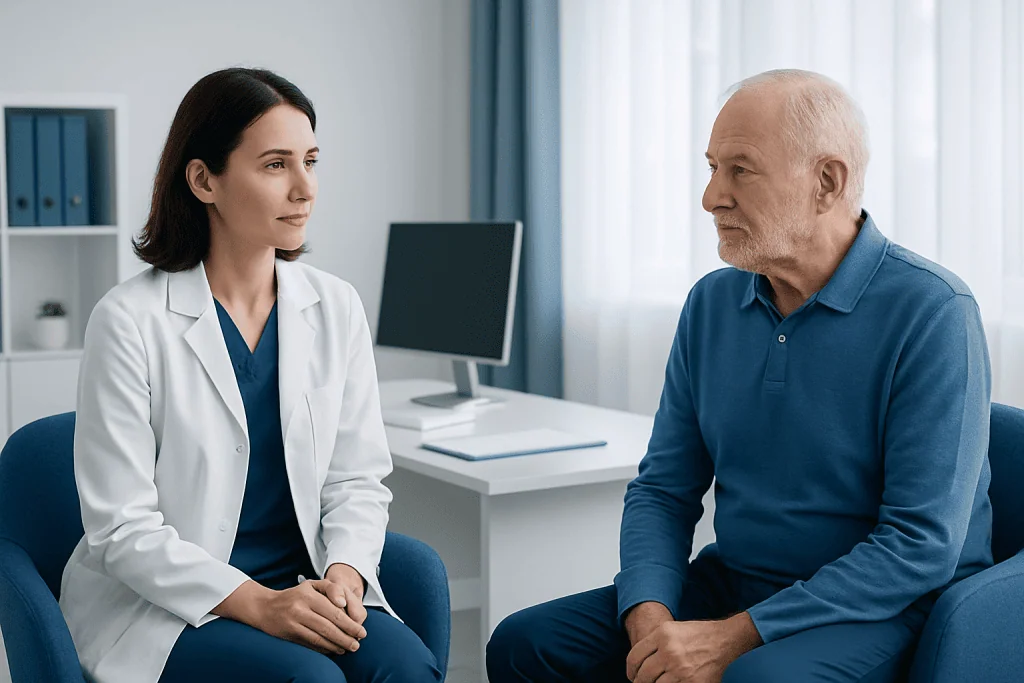
Potential candidates include people with carefully assessed, localized basal cell carcinoma or squamous cell carcinoma who would benefit from avoiding surgery or for whom surgery may be difficult. This can include lesions in sites where surgery could require a complex reconstruction, as well as people with medical conditions that make an operation less suitable. Personal preference is also considered after a balanced discussion of options.
Suitability depends on more than the lesion’s appearance. Clinicians consider biopsy findings, tumour diameter and depth, whether edges are clearly defined, the body location, whether the cancer has returned after previous treatment, immune status and the person’s ability to attend repeated appointments. A multidisciplinary review can be especially valuable for lesions on the face, ears, scalp, hands or lower legs.
SRT is generally not the usual treatment for melanoma, and it may not be appropriate for high-risk, deeply invasive, recurrent or poorly defined cancers. Cancers that may have spread to lymph nodes or beyond require a different assessment and may need surgery, systemic treatment, or more comprehensive radiation techniques.
- A tissue diagnosis from a biopsy is usually required before treatment.
- Patients need to be able to remain still briefly for each session.
- Reliable attendance for the full treatment schedule is important for the best chance of local control.
What happens during superficial radiotherapy?
The process begins with a consultation and planning visit. The radiation oncologist reviews the pathology report, medical history and medicines, examines the skin, and explains alternatives, expected effects and follow-up. The treatment site may be photographed, measured and marked. In some cases, imaging or additional dermatologic assessment helps clarify the lesion’s extent.
At each treatment visit, the patient is positioned comfortably and the area is checked against the treatment plan. The machine is placed close to, but does not usually touch, the skin. Radiation delivery itself is painless and commonly lasts only a few minutes. The team leaves the room during exposure but can see and communicate with the patient throughout.
Treatment is commonly divided into several sessions, often given on weekdays across a number of weeks. Dividing the dose into sessions helps normal skin tissue recover between treatments while maintaining the effect on cancer cells. The schedule differs between patients; the treating radiation oncologist provides the most appropriate plan.
Patients do not become radioactive after external-beam SRT. They can safely be around family members, including children and pregnant people, after an appointment. A radiation oncology assessment can help clarify whether this approach is appropriate for a particular diagnosis.
Benefits, limitations and possible side effects
The main potential benefit of SRT is treatment without an incision, stitches or surgical wound. It may preserve function or appearance in selected areas, particularly when surgery would be extensive. Sessions are outpatient-based, and most people can continue many usual activities during the course of treatment.
The limitations are important to understand. SRT requires multiple visits, does not provide a surgical specimen showing whether all cancer has been removed, and can make later surgery in the same area more complex if cancer persists or returns. Cosmetic changes may also develop slowly over months or years, rather than being immediately apparent.
Common short-term effects are similar to a localized sunburn and may include redness, warmth, itching, dryness, tenderness, swelling, darkening of the skin or peeling. Hair loss can occur if a hair-bearing area is treated; regrowth is variable. Less common longer-term effects include lighter or darker skin, visible small blood vessels, thinning of the skin, firmness, delayed healing or ulceration.
Care teams provide skin-care instructions, which may include gentle washing, avoiding friction, protecting the area from sun exposure and not applying products unless approved. The patient should report worsening pain, spreading redness, fever, drainage, bleeding, a new open area or any concern about healing.
What is the success rate of superficial radiation therapy?
For appropriately selected, early non-melanoma skin cancers, superficial radiation therapy can achieve high rates of local control. However, there is no single success rate that applies to everyone. Results vary according to the cancer type, size, depth, location, whether it is a first or recurrent cancer, treatment technique, total prescribed radiation and length of follow-up.
Studies of radiation for selected basal cell and squamous cell carcinomas have reported favourable long-term control, but comparisons between studies can be difficult because patient groups and methods differ. Surgery may offer advantages for some lesions, especially when tissue confirmation of clear margins is important. A specialist can explain expected outcomes for the individual’s pathology and treatment area rather than relying on a general percentage.
Success also includes preserving comfort and function, achieving acceptable healing and detecting any recurrence promptly. Long-term skin checks remain necessary even after a treated site appears clear.
What are the hardest days after radiation treatment?
For many patients, skin reactions gradually increase during the latter part of treatment and may be most noticeable in the first one to two weeks after the final session. This is because radiation effects continue to develop briefly after treatment ends. The treated skin can look redder, feel more sensitive, or become dry and flaky before healing begins.
The timeline varies by body area, skin sensitivity and treatment schedule. Areas exposed to rubbing, moisture or pressure may feel more uncomfortable. Fatigue can occur during radiation treatment, although with a small superficial treatment field it is often mild and may also be influenced by travel, anxiety, sleep and other health conditions.
Most acute skin effects settle gradually over the following weeks with appropriate care. The treatment team should be contacted early if symptoms interfere with daily life or if there are signs of infection or significant skin breakdown. Follow the individual aftercare plan rather than using over-the-counter creams, dressings or remedies without clinical advice.
What are the cons of SRT?
The potential disadvantages of SRT include the time commitment of repeated visits and the possibility of temporary or lasting skin changes. Although it avoids surgery, it is still a cancer treatment that requires careful planning and follow-up. Some people may prefer a one-time surgical procedure, particularly when it is expected to provide a clear-margin assessment and straightforward repair.
SRT may be less appropriate for lesions with high-risk features, uncertain borders, significant depth, recurrence after prior treatment, or suspected spread. It is also not a substitute for a biopsy, because the precise diagnosis must guide treatment. The best option depends on the balance between cancer control, cosmetic and functional considerations, overall health and practical needs.
Another consideration is that a recurrence after radiation can be more challenging to manage. For this reason, people should discuss all reasonable choices, including dermatologic surgery and Mohs surgery, when it is clinically relevant.
How do you know if radiotherapy is successful?
Radiotherapy success is assessed over time rather than immediately after the last session. Early redness, peeling and crusting are treatment effects and do not by themselves indicate whether cancer has been eliminated. As the skin heals, the treated lesion should flatten or resolve, although colour and texture changes can take longer to settle.
Follow-up appointments allow the clinician to examine the area, compare it with baseline photographs or records, and check the rest of the skin for new lesions. If a treated area remains raised, ulcerated, enlarges, bleeds, becomes newly painful or develops a persistent crust after healing, the doctor may recommend further evaluation and sometimes a biopsy.
Sun protection and regular skin surveillance are essential parts of ongoing care. Acibadem International’s multidisciplinary specialists and JCI-accredited hospitals diagnose and treat skin cancers for international patients, with follow-up plans based on the individual’s diagnosis and treatment.
When to seek medical care
A person should arrange a dermatology assessment for a new or changing skin growth, a sore that does not heal, a spot that repeatedly bleeds or crusts, or a lesion that changes in size, shape, colour or sensation. These signs are not always cancer, but prompt assessment can provide clarity and allow timely treatment if needed.
During or after SRT, medical advice should be sought promptly for severe pain, fever, pus or foul-smelling drainage, rapidly spreading redness, significant bleeding, or a wound that is not healing as expected. The radiation oncology team can advise whether symptoms are expected treatment effects or need examination.
People with a history of skin cancer should keep scheduled follow-up visits, even when they feel well. They should also examine their skin regularly and use sun-protective measures, including shade, protective clothing and broad-spectrum sunscreen used according to its label.
Frequently asked questions
Is superficial radiotherapy painful?
The radiation delivery itself is painless. Some people develop tenderness, itching or a sunburn-like sensation in the treated skin as treatment progresses. The clinical team can recommend safe measures to manage discomfort.
How long does superficial radiation therapy take?
Each appointment is usually short, although planning and positioning can take longer than the radiation exposure itself. Treatment is often delivered over multiple weekday visits for several weeks. The exact schedule depends on the diagnosis, body site and treatment plan.
Can SRT treat melanoma?
SRT is not usually a standard primary treatment for melanoma. Melanoma generally requires assessment by a specialist team, and surgery is commonly central to treatment for localized disease. Recommendations depend on melanoma stage and individual clinical circumstances.
Will the skin look normal after superficial radiotherapy?
The skin often heals well, but the final appearance varies. Temporary redness, dryness and peeling are common, while longer-term colour changes, fine visible blood vessels or texture changes can occur. Healing and cosmetic changes may continue to evolve for months.
Can skin cancer come back after radiotherapy?
Yes, a treated cancer can occasionally persist or recur, which is why follow-up examinations are important. A person who has had one skin cancer also has an increased likelihood of developing a new skin cancer in another area. Report any persistent or changing area at or near the treatment site.
Can someone work during superficial radiotherapy?
Many people are able to work and continue usual routines during treatment, especially when the treated area is small. Appointment frequency, travel needs, skin discomfort and fatigue can affect daily plans. Adjustments may be helpful if the treatment area is irritated or exposed to friction.
References
- American Cancer Society
- National Cancer Institute
- American Academy of Dermatology
- National Comprehensive Cancer Network
- RadiologyInfo.org
This article is for general information only and is not a substitute for professional medical advice. Please consult a qualified doctor about your individual situation.
Oncology care in Turkey — second opinion and treatment plan
JCI-accredited · board-certified surgeons · reply within 24h
Add us as a Preferred Source to see more of our trusted health content across Google Search, AI Overviews and Discover.