

Surgery for Desmoid Tumor: Procedure, Recovery and Results

Not every desmoid tumor needs immediate surgery; active surveillance is often appropriate for stable, low-symptom tumors. The goal of surgery is to remove the tumor while preserving function and avoiding unnecessary harm to nearby structures.
Key Takeaways
- Not every desmoid tumor needs immediate surgery; active surveillance is often appropriate for stable, low-symptom tumors.
- The goal of surgery is to remove the tumor while preserving function and avoiding unnecessary harm to nearby structures.
- Recovery depends mainly on the tumor’s location, size, and whether reconstruction or rehabilitation is needed.
- Desmoid tumor recurrence after surgery is possible, so ongoing follow-up imaging and clinical review are important.
- Care may also include pain management, physical therapy, systemic treatment, or local therapies when surgery is not the best first option.
Surgery for desmoid tumor may be considered when a tumor is growing, causing persistent symptoms, or affecting nearby organs, nerves, or movement. Because desmoid tumors can recur and do not spread to distant organs, treatment decisions are individualized and often involve a multidisciplinary team.
Overview: When Is Surgery for Desmoid Tumor Used?
Surgery for desmoid tumor is an operation to remove a locally aggressive growth, also called desmoid-type fibromatosis. Desmoid tumors do not metastasize, meaning they do not spread to distant organs like many cancers can. However, they may grow into nearby muscles, connective tissue, blood vessels, nerves, or organs and can sometimes cause pain, reduced movement, bowel symptoms, or other functional problems.
Today, surgery is not automatically the first treatment for every desmoid tumor. Some tumors remain stable or may shrink without immediate intervention, so doctors may recommend active surveillance with regular examinations and imaging. Surgery is more likely to be discussed when the tumor is progressing, symptoms are difficult to control, important anatomy is at risk, or complete removal can be achieved without major loss of function.
A treatment plan should be based on the tumor’s location, behavior over time, symptoms, imaging findings, and the person’s priorities. Assessment by surgeons, medical oncologists, radiologists, pathologists, pain specialists, and rehabilitation professionals can help determine whether surgery, monitoring, medication, a local procedure, or a combination of approaches is most suitable.
How Surgical Resection Works and Who May Be a Candidate
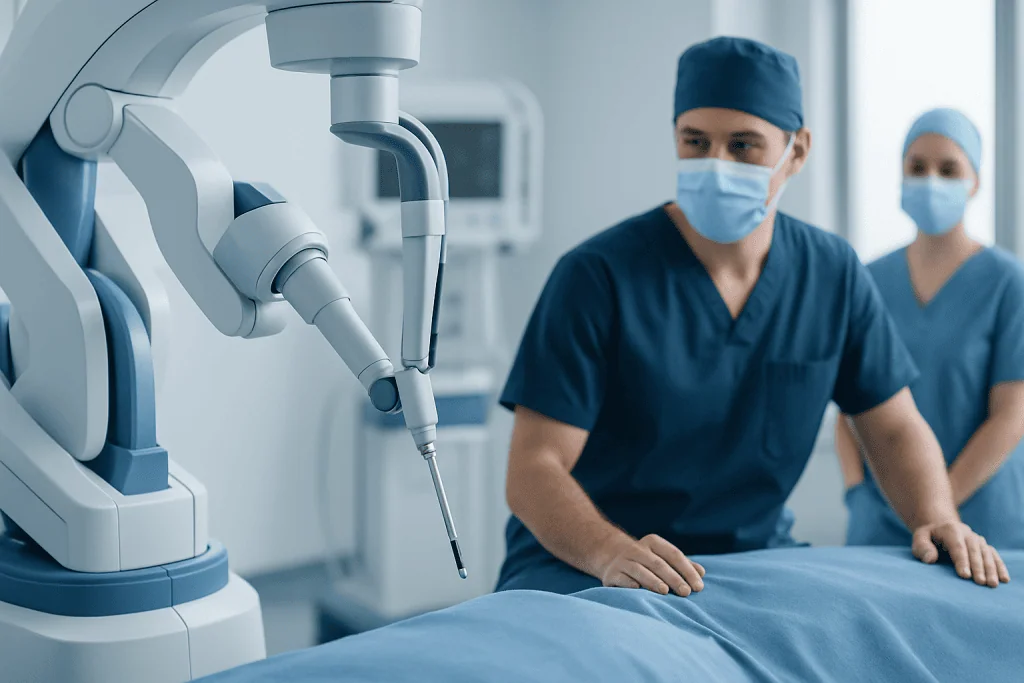
Surgical resection for a desmoid tumor means removing the visible tumor from the affected area. The surgeon plans the operation carefully to protect nearby healthy tissue and maintain movement, strength, sensation, and organ function whenever possible. Depending on the location, surgery may involve soft tissue, abdominal wall, the chest wall, an extremity, or structures within the abdomen.
A person may be a candidate for surgery when imaging suggests the tumor can be removed safely, symptoms are substantial, and the expected benefit outweighs the possible effects of the operation. For example, surgery may be considered for a tumor that is limiting a limb’s movement, pressing on a bowel segment, or causing ongoing pain despite non-surgical care. It may be less appropriate when removal would require extensive functional sacrifice or when the tumor is stable and not causing significant symptoms.
Before choosing surgery, the care team usually confirms the diagnosis with expert pathology review and evaluates detailed imaging, most often magnetic resonance imaging (MRI) for tumors in soft tissues. The team also considers prior operations, medical conditions, nutritional status, mobility, and the potential need for reconstruction. A diagnosis of desmoid tumor can overlap with other soft-tissue conditions, so accurate assessment is essential before treatment decisions are made.
Step by Step: What Happens During Desmoid Tumor Surgery?

Planning begins before the day of surgery. The surgeon reviews scans to map the tumor in relation to muscles, nerves, blood vessels, organs, and previous scar tissue. In selected cases, the team may involve reconstructive surgeons, vascular surgeons, orthopedic surgeons, gastrointestinal surgeons, or other specialists so that removal and reconstruction can be coordinated in one operation.
Most procedures are performed under general anesthesia, so the patient is asleep and does not feel pain during the operation. The surgeon makes an incision that provides safe access to the tumor, separates it from surrounding structures where possible, and removes the tumor. The operation may be relatively limited for a small superficial tumor, while tumors in the abdominal wall, pelvis, abdomen, or near major nerves may require a more complex procedure.
The removed tissue is examined by a pathologist. The final pathology report helps confirm the diagnosis and describes the surgical margins, meaning whether tumor cells are seen at the edge of the removed specimen. A wider margin is not always pursued if it would cause major functional harm; the surgical approach is individualized rather than based on margins alone.
If an operation leaves a larger tissue defect, reconstruction may be needed. This can include closing the tissue in layers, repairing the abdominal wall with mesh when appropriate, or using reconstructive techniques to restore coverage and support. The length of surgery and hospital stay therefore varies considerably from person to person.
Benefits, Risks and Desmoid Tumor Recurrence After Surgery
The potential benefit of surgery is relief of symptoms caused by the tumor and removal of tissue that is threatening nearby structures. For a well-selected patient, surgery can improve comfort, mobility, or daily function. It can also provide a definitive tissue sample when the diagnosis remains uncertain after less invasive assessment.
As with any operation, risks include bleeding, infection, blood clots, reactions to anesthesia, wound-healing problems, fluid collections, and scarring. Location-specific risks may include weakness, numbness, stiffness, hernia, reduced range of motion, changes in bowel or bladder function, or injury to nearby organs, nerves, or blood vessels. The surgeon explains the likely risks for the individual tumor location before consent is given.
Desmoid tumor recurrence after surgery can occur, including in the same area after an apparently successful operation. Recurrence risk is influenced by factors such as tumor location, biology, age, prior treatment, and whether complete removal can be achieved without unacceptable harm. This is one reason modern care does not assume that surgery is always the best initial approach.
Follow-up usually includes physical examinations and scheduled imaging, often MRI or computed tomography when appropriate. If a tumor returns or continues to grow, the next step may be further observation, systemic therapy, a local treatment, symptom management, or carefully selected repeat surgery rather than automatically repeating the original approach.
Desmoid Tumor Surgery Recovery Time and Aftercare
Desmoid tumor surgery recovery time depends on the size and location of the tumor, the complexity of removal, the type of reconstruction, and a person’s overall health. Some patients go home within a short period after a smaller soft-tissue operation, while more extensive abdominal, pelvic, chest wall, or limb surgery may require a longer hospital stay and several weeks or months of recovery.
Immediately after surgery, the team monitors pain, wound drainage, movement, circulation, and any location-specific concerns. Pain control may use more than one method, such as non-opioid medicines, regional anesthesia techniques, and short-term stronger pain medicines when needed. Early, supported walking is often encouraged when safe because it can support circulation, breathing, and recovery.
Physical therapy or occupational therapy can be an important part of desmoid tumor surgery recovery, especially after operations involving the shoulder, hip, leg, abdominal wall, or other areas that affect movement. Patients should follow instructions about lifting, exercise, bathing, wound care, driving, and returning to work. Activity restrictions are individualized and should not be lifted until the surgical team confirms healing is adequate.
Patients should contact their care team promptly for fever, worsening redness or drainage from the wound, uncontrolled pain, sudden swelling, shortness of breath, persistent vomiting, or new weakness or numbness. These symptoms do not always mean a serious complication, but timely assessment is important.
What Should I Do the Night Before Surgery?
The night before surgery, patients should follow the hospital’s specific preoperative instructions. These usually include guidance on when to stop eating and drinking, which regular medicines to take or pause, and whether to use any special skin-cleaning product. Instructions can differ depending on anesthesia, the procedure, diabetes medicines, blood thinners, and other health conditions, so the surgical team’s advice should take priority over general information.
It is helpful to arrange transport home if same-day discharge is possible, prepare comfortable clothing, and bring identification, medication lists, and relevant medical documents. Jewelry, contact lenses, and valuables are usually best left at home. Patients should also ensure that a responsible adult can assist them if the care team recommends support after discharge.
Alcohol, smoking, and recreational drug use can affect anesthesia, healing, and breathing. Patients should be honest with their clinical team about all medicines, supplements, nicotine products, alcohol use, and allergies. They should not stop prescribed medicines without medical advice, particularly medicines for heart conditions, seizures, blood pressure, diabetes, or mental health.
What Are Two Types of Surgery?
There are several ways to classify surgery. One simple distinction is open surgery and minimally invasive surgery. Open surgery uses a larger incision to directly access the area, while minimally invasive surgery uses smaller incisions and specialized instruments, sometimes with camera guidance.
For desmoid tumors, the surgical method is determined by where the tumor is located and what offers the safest route for removal. Many soft-tissue desmoid tumors require an open approach because the surgeon needs to assess and protect surrounding structures directly. Some tumors within the abdomen may be approached differently depending on anatomy and the expertise of the surgical team.
Another classification is elective versus emergency surgery. Desmoid tumor operations are generally elective, meaning they are planned after imaging, discussion, and preoperative preparation. Urgent treatment may be needed in uncommon circumstances, such as an obstruction or other complication affecting vital function, but the clinical team evaluates this individually.
What Is the Most Painful Surgery to Recover From, and What Are the Top Five Major Surgeries?
There is no single operation that is objectively the most painful surgery to recover from. Pain varies with the procedure, incision location, underlying health, anxiety level, prior pain experiences, and the quality of pain management. Operations involving the chest, upper abdomen, major joints, spine, or extensive muscle reconstruction can be challenging because movement, coughing, breathing, and rehabilitation may initially increase discomfort.
Likewise, there is no universal medical list of the top five major surgeries. “Major surgery” usually describes an operation involving general anesthesia, a significant incision or body cavity, a meaningful risk of blood loss or complications, and a recovery period that requires close monitoring. Examples may include major abdominal surgery, heart surgery, joint replacement, spinal surgery, and complex cancer surgery, but severity depends on the individual procedure and patient.
Desmoid tumor surgery can range from relatively limited to highly complex. Rather than comparing pain or seriousness with other operations, patients benefit most from discussing the expected incision, reconstruction needs, hospital stay, rehabilitation plan, and pain-control options with their surgeon and anesthesiologist.
When to Seek Medical Care
A person should seek medical evaluation for a new or enlarging lump, persistent localized pain, unexplained limitation in movement, a growing abdominal wall mass, or ongoing abdominal symptoms that are not improving. These symptoms have many possible causes and do not necessarily indicate a desmoid tumor, but assessment can help clarify the cause and guide appropriate care.
After surgery, urgent medical care is appropriate for chest pain, shortness of breath, fainting, uncontrolled bleeding, rapidly worsening swelling, severe or worsening abdominal pain, high fever, or signs of a serious allergic reaction. The treating team should also be contacted for concerns about wound healing, persistent vomiting, difficulty passing urine or stool, or a new loss of strength or sensation.
For people considering treatment, a multidisciplinary consultation can help compare surveillance, surgery, and other options in the context of personal goals. Acibadem International’s multidisciplinary specialists and JCI-accredited hospitals diagnose and treat desmoid tumors for international patients, with care plans guided by tumor location, symptoms, and functional needs.
Frequently asked questions
Is surgery always needed for a desmoid tumor?
No. Many desmoid tumors can be monitored with regular clinical review and imaging, especially when they are stable and not causing important symptoms. Surgery may be considered when the tumor is progressing, painful, or threatening function or nearby organs.
How long does recovery take after surgery for desmoid tumor?
Recovery can range from a few weeks after a smaller procedure to several months after complex surgery or reconstruction. The location of the tumor, the size of the operation, wound healing, and rehabilitation needs all influence the timeline.
Can a desmoid tumor come back after surgery?
Yes. A desmoid tumor can recur in the operated area, even after removal. Regular follow-up helps the care team identify changes early and discuss the most appropriate next step if recurrence occurs.
Will surgery cure a desmoid tumor?
Surgery may provide long-term local control for some patients, but it cannot guarantee that a desmoid tumor will not return. The aim is to balance tumor control with preservation of function and quality of life.
What imaging tests are used before desmoid tumor surgery?
MRI is commonly used to define a desmoid tumor’s size and relationship to nearby soft tissues. CT may be used for certain body areas, particularly when the abdomen or chest is involved, and imaging is interpreted alongside pathology findings.
What happens if surgery is not suitable?
The team may recommend active surveillance, medicines that affect tumor growth, symptom-directed treatment, or selected local treatments instead. The best approach depends on tumor behavior, location, symptoms, previous treatment, and the person’s preferences.
References
- Desmoid Tumor Research Foundation
- National Cancer Institute
- European Society for Medical Oncology
- National Comprehensive Cancer Network
- American Cancer Society
This article is for general information only and is not a substitute for professional medical advice. Please consult a qualified doctor about your individual situation.
Persistent digestive symptoms? Get evaluated in Turkey
JCI-accredited · board-certified surgeons · reply within 24h
Add us as a Preferred Source to see more of our trusted health content across Google Search, AI Overviews and Discover.

More from the Health Library



Related Specialists

Dt. Oğuzhan Hakan Özdemir
Oral & Dental Health
Dr. Tarik Elri
Nuclear Medicine
Dt. Emrah Özmutlu
Oral Dental & Maxillofacial Surgery
Assoc. Prof. Dr. Şule Göncü Ayhan
Gynecology & Obstetrics