Surgical Diversion: Procedure, Recovery and Results

Surgical diversion can redirect stool, urine, or both when the usual pathway is unsafe or no longer possible. Diversions may be temporary or permanent, depending on the underlying condition and the operation performed.
Key Takeaways
- Surgical diversion can redirect stool, urine, or both when the usual pathway is unsafe or no longer possible.
- Diversions may be temporary or permanent, depending on the underlying condition and the operation performed.
- Recovery includes wound healing, learning stoma care, gradual return to activity, and follow-up with the surgical team.
- Potential complications include infection, blockage, dehydration, skin irritation, and stoma-related problems, but many are treatable when identified early.
- A specialist stoma nurse can help patients build confidence with pouching systems, diet, hydration, and daily routines.
Surgical diversion is an operation that creates a new pathway for stool or urine to leave the body, usually through a surgically created abdominal opening called a stoma. It may be temporary or permanent and is used when part of the bowel, bladder, or urinary tract needs to heal, be bypassed, or be removed.
Overview: What Is Surgical Diversion?
Surgical diversion is a broad term for an operation that redirects the normal passage of stool or urine. A surgeon may bring part of the intestine or urinary system to the skin of the abdomen, creating a stoma. Stool or urine then collects in an external pouch, or in selected urinary reconstructions, may be stored in an internal reservoir.
The procedure is used when a section of bowel, rectum, bladder, ureters, or urethra cannot safely carry waste in the usual way. This can be due to cancer, severe inflammation, injury, a birth condition, infection, obstruction, or complications from previous surgery. A diversion may protect a healing surgical connection, bypass disease, or become the long-term route for elimination after an organ is removed.
Common intestinal diversions include a colostomy, made from the large intestine, and an ileostomy, made from the small intestine. Common urinary diversions include an ileal conduit, continent urinary reservoir, and neobladder. The type chosen depends on the diagnosis, anatomy, overall health, prior treatments, and the person’s goals.
How Surgical Diversion Works and Who May Need It
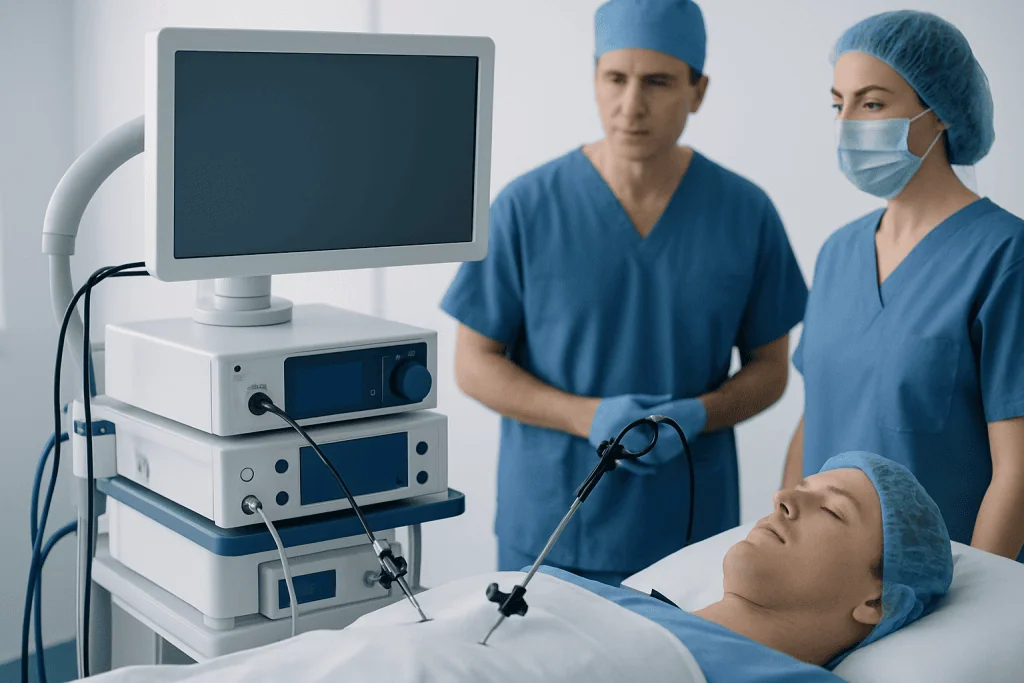
In an intestinal diversion, the surgeon separates or reroutes a portion of bowel so stool leaves through a stoma rather than passing through the rectum and anus. The remaining bowel may be temporarily rested while it heals, or the removed or bypassed portion may no longer be part of the digestive pathway. The stoma itself has no pain sensation, although the surrounding skin needs ongoing protection.
In urinary diversion, urine is redirected away from the bladder or lower urinary tract. For an ileal conduit, a small segment of intestine is used to carry urine from the ureters to a stoma. Other options can create an internal pouch or a new bladder-like reservoir, but these require suitable kidney function, anatomy, and the ability to manage the necessary self-care.
People may be considered for surgical diversion during treatment for colorectal, pelvic, bladder, or gynecologic cancers; complicated inflammatory bowel disease; diverticular disease with severe complications; bowel blockage; trauma; fistulas; or congenital urinary and bowel conditions. For example, a diversion can be part of care for colorectal cancer or bladder cancer when surgery is needed to remove affected tissue.
Before recommending a diversion, the team considers whether it is medically necessary, whether reversal may be possible, and whether non-surgical options are appropriate. A careful discussion should include daily practical needs, work and travel plans, nutrition, kidney function, previous abdominal operations, and support at home.
Planning and the Procedure Step by Step
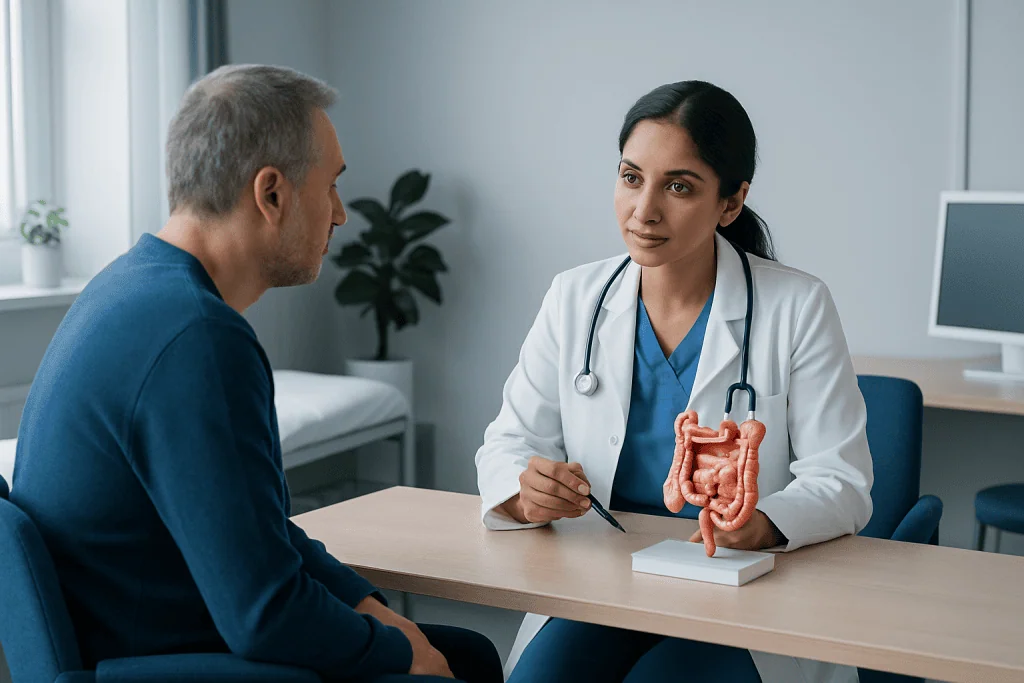
Preparation commonly includes blood tests, imaging, medication review, and assessment by the surgical and anesthesia teams. Depending on the planned operation, bowel preparation and antibiotics may be advised. Whenever possible, an ostomy nurse marks the most suitable stoma site while the patient is sitting, standing, and bending, helping avoid skin folds, scars, and waistbands.
The operation is performed under general anesthesia. It may be done through open surgery, laparoscopic surgery, or robotic-assisted techniques, depending on the condition, urgency, anatomy, and surgeon’s judgment. The main operation treats the underlying problem first, such as removing a diseased bowel segment or bladder, repairing injury, or relieving an obstruction.
The surgeon then creates the diversion. For a colostomy or ileostomy, bowel is brought through a small opening in the abdominal wall and secured to the skin. For urinary diversion, the ureters are connected to the chosen urinary pathway, which may lead to a stoma or a reconstructed internal reservoir. A pouching system is fitted over a stoma after surgery to collect output.
Procedure length and hospital stay vary widely because surgical diversion is often one part of a larger operation. Patients should ask their surgeon whether the diversion is intended to be temporary, what would be required for reversal, and what result is realistic in their individual situation.
Recovery Timeline and Everyday Adjustment
Immediately after surgery, recovery focuses on pain control, breathing exercises, getting out of bed safely, preventing blood clots, and gradually restarting fluids and food. The bowel can be temporarily slow to wake after abdominal surgery. The care team monitors abdominal symptoms, hydration, urine output, stoma appearance, and the amount and consistency of stool or urine drainage.
During the hospital stay, an ostomy nurse teaches pouch emptying, skin care, measuring the stoma, and changing the appliance. In the first weeks, the stoma is usually swollen and may change in size. Learning these steps can feel unfamiliar at first, but most people become increasingly comfortable with routine care through practice and follow-up support.
At home, fatigue is common for several weeks. Walking is usually encouraged, with activity increased gradually as advised by the surgeon. Heavy lifting and strenuous exercise are generally postponed until healing is established. Diet advice is individualized; people with an ileostomy in particular may need to pay close attention to fluid and electrolyte intake because output can be more liquid.
Some temporary diversions can be reversed after the underlying area has healed and testing confirms it is safe. Reversal is a separate operation and is not appropriate for everyone. Recovery and bowel or urinary function after reversal can take time, so expectations should be discussed in advance.
Benefits, Risks, and Expected Results
The main benefit of surgical diversion is that it can make necessary treatment possible while protecting health and comfort. It may relieve obstruction, control contamination from a leak or perforation, allow a surgical join to heal, remove cancer or severely diseased tissue, or provide a reliable route for urine when the bladder must be removed or bypassed.
As with other major operations, risks include bleeding, blood clots, pneumonia, wound infection, anesthesia-related complications, and injury to nearby structures. Risks specific to intestinal diversion include bowel blockage, high-output ileostomy, dehydration, electrolyte imbalance, stoma retraction or prolapse, parastomal hernia, and irritation of skin around the stoma.
Urinary diversion may be associated with urinary infection, narrowing at a surgical connection, kidney drainage problems, stones, mucus in the urine when bowel tissue is used, or metabolic changes. Long-term monitoring may include kidney function tests, nutritional assessment, and imaging when clinically needed.
Results depend largely on the condition being treated and the type of diversion. Many people return to work, social activities, exercise, and travel with a stoma or urinary diversion. Good outcomes are supported by planned follow-up, prompt attention to changing symptoms, and access to stoma and nutrition support.
Self-Care, Diet, and Living With a Diversion
Regular stoma care helps protect the skin and prevent leakage. The opening in the pouch barrier should fit closely around the stoma, and the skin should be checked with each appliance change. Mild redness that settles quickly may occur, but persistent soreness, weeping skin, bleeding, or repeated leaks should be assessed by a stoma nurse or clinician.
Diet usually returns gradually after surgery. Eating regular meals, chewing well, and introducing foods one at a time can help identify personal triggers for gas, odor, constipation, or loose output. For an ileostomy, drinking enough fluids is especially important; the team may recommend specific hydration strategies if output is high. Any major dietary restriction should be discussed with a clinician or dietitian.
Patients can usually shower, wear normal clothing, and take part in many sports once healed. A supportive garment may be suggested for certain activities or if there is concern about hernia. Supplies should be carried when away from home, including extra pouches, skin barriers, and disposal materials.
Emotional adjustment is also an important part of recovery. Concerns about body image, intimacy, independence, or uncertainty are common and deserve support. Counseling, peer support groups, and specialist nursing services can be helpful alongside medical follow-up.
When to Seek Medical Care
Patients should contact their surgical team promptly for a new or worsening problem with the stoma, pouch, wound, bowel output, or urine drainage. Early advice can often prevent a minor concern from becoming more difficult to manage. Follow the discharge instructions provided by the treating team, as individual recommendations may differ.
- Seek urgent medical advice for severe or increasing abdominal pain, repeated vomiting, a swollen abdomen, or no stoma output together with cramps or nausea.
- Contact a clinician for fever, worsening wound redness or drainage, persistent skin breakdown, a stoma that becomes dark purple, gray, black, or very pale, or significant bleeding.
- Get medical help for signs of dehydration, such as marked thirst, dizziness, very low urine output, unusual weakness, or persistent high-volume watery ileostomy output.
- For urinary diversions, seek advice for fever, flank pain, reduced urine drainage, or new severe pain around tubes or the stoma.
Acibadem International’s multidisciplinary specialists and JCI-accredited hospitals provide assessment and treatment for international patients who may need surgical diversion. A consultation can help clarify the underlying diagnosis, diversion options, recovery needs, and follow-up plan.
Frequently asked questions
Is surgical diversion always permanent?
No. Some diversions are created temporarily to protect a healing bowel connection or allow inflammation and infection to settle. Whether reversal is possible depends on the original condition, the amount of healthy bowel or urinary tract remaining, healing, and overall health.
What is the difference between a colostomy and an ileostomy?
A colostomy is made using part of the large intestine, while an ileostomy uses the small intestine. Ileostomy output is often more liquid and can lead to greater fluid and salt loss, so hydration guidance is particularly important.
Can a person live a normal life with a stoma?
Many people with a stoma return to everyday activities, including work, travel, social events, and appropriate exercise. It can take time to learn pouch care and establish routines, but support from an ostomy nurse can make the adjustment easier.
How long does recovery from surgical diversion take?
Initial recovery after major abdominal surgery commonly takes several weeks, while energy, diet, and confidence with stoma care may continue improving for months. The timeline varies according to the underlying illness, the extent of surgery, complications, and whether other treatments are needed.
What foods should be avoided after an ileostomy or colostomy?
There is no single food list that applies to everyone. Food is usually reintroduced gradually, and some people find that certain foods increase gas, odor, loose output, or blockage risk; individualized advice from the surgical team or dietitian is most useful.
Can a stoma become blocked?
Yes, an intestinal stoma can develop a blockage, sometimes from narrowing, scar tissue, hernia, inflammation, or poorly digested food. Cramping, abdominal swelling, nausea, vomiting, and little or no output require prompt medical assessment, especially if symptoms are severe or worsening.
References
- American Society of Colon and Rectal Surgeons
- United Ostomy Associations of America
- National Cancer Institute
- National Institute of Diabetes and Digestive and Kidney Diseases
- European Association of Urology
This article is for general information only and is not a substitute for professional medical advice. Please consult a qualified doctor about your individual situation.
Persistent digestive symptoms? Get evaluated in Turkey
JCI-accredited · board-certified surgeons · reply within 24h
Add us as a Preferred Source to see more of our trusted health content across Google Search, AI Overviews and Discover.