Surgical Neurophysiologist: How Nerve Monitoring Supports Safer Operations
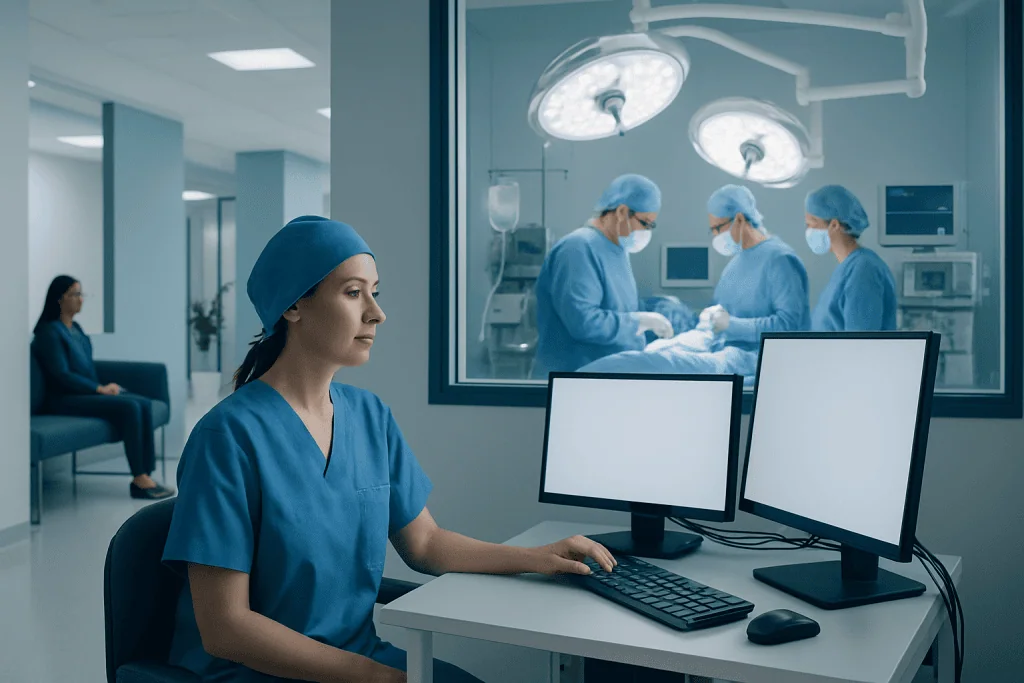
A surgical neurophysiologist oversees nerve and brain signal monitoring during selected operations. Intraoperative neuromonitoring can help reduce the risk of nerve or spinal cord injury.
Key Takeaways
- A surgical neurophysiologist oversees nerve and brain signal monitoring during selected operations.
- Intraoperative neuromonitoring can help reduce the risk of nerve or spinal cord injury.
- Monitoring is most often used in spine, brain, ENT, vascular, and some orthopedic surgeries.
- The process is painless for the patient because it happens under anesthesia or sedation during the procedure.
- Monitoring supports surgical decision-making but does not replace the surgeon’s skill or standard safety measures.
A surgical neurophysiologist helps make certain operations safer by monitoring the nervous system during surgery. This real-time testing can alert the surgical team to changes affecting the brain, spinal cord, or nerves so they can respond quickly.
Overview: What a Surgical Neurophysiologist Does
A surgical neurophysiologist is a healthcare professional who monitors the function of the nervous system during an operation. This work is commonly called intraoperative neuromonitoring, or IONM. The goal is to help protect important neural structures such as the brain, spinal cord, and peripheral nerves while surgery is taking place.
During the operation, the neurophysiologist watches electrical signals generated by the nervous system. If these signals change in a way that may suggest stress, reduced blood flow, stretching, pressure, or injury to a nerve pathway, the neurophysiologist alerts the surgical team immediately. This gives the team an opportunity to pause, reassess, and adjust the surgical approach if needed.
In practical terms, the surgical neurophysiologist is part of the operating room safety team. They work closely with the surgeon, anesthesiologist, and nurses. Their role is not to perform the surgery itself, but to provide real-time information that can support safer decision-making throughout the procedure.
How Nerve Monitoring Supports Safer Operations
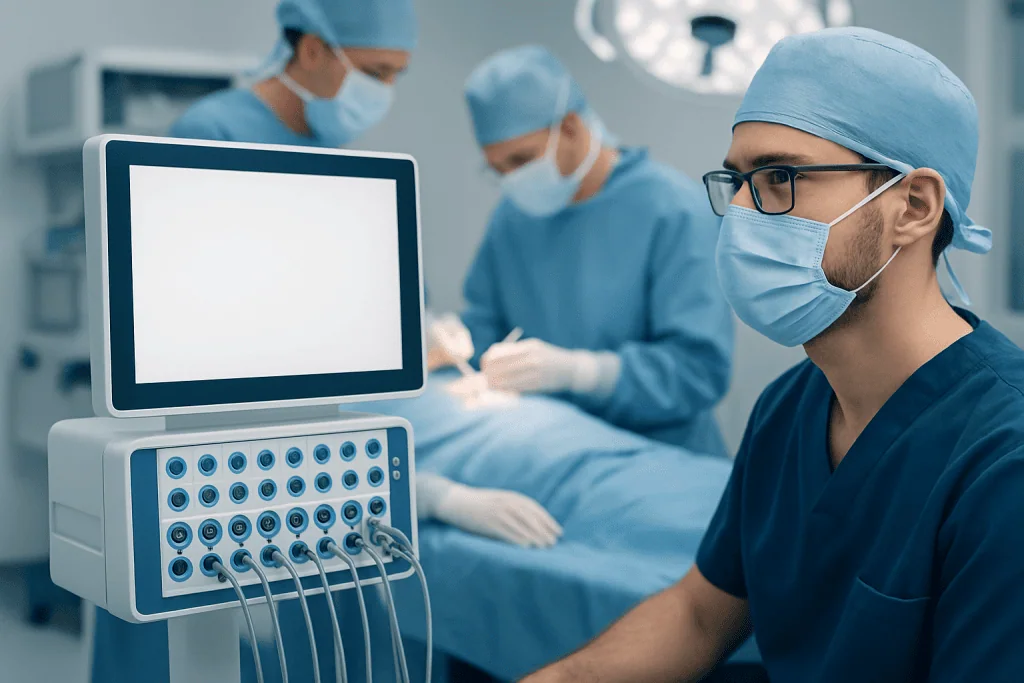
Nerve monitoring supports safer operations by tracking how well key nerve pathways are functioning from moment to moment. Different types of signals can be measured depending on the part of the body being operated on. These may include pathways related to movement, sensation, hearing, facial nerve function, or brain activity.
If signal changes appear, the reason may be something reversible, such as body position, blood pressure changes, temperature, or the effects of anesthesia. In other situations, the signal change may suggest that a nerve or the spinal cord is being placed at risk by the surgical step being performed. Early warning is valuable because it can allow corrective action before an injury becomes permanent.
Monitoring does not make surgery risk-free, and it cannot prevent every complication. However, it adds an extra layer of information during operations where nerve pathways are especially vulnerable. For this reason, it is often used in procedures involving the spine, brain, thyroid and parathyroid region, carotid artery, skull base, or complex orthopedic reconstruction.
- Provides real-time functional information rather than only visual anatomy
- May help identify developing nerve stress early
- Can guide changes in surgical technique or patient positioning
- Supports communication between the surgeon and anesthesia team
Which Surgeries Commonly Use Intraoperative Neuromonitoring

Not every operation needs a surgical neurophysiologist. Monitoring is usually reserved for procedures where there is a meaningful chance of affecting the brain, spinal cord, cranial nerves, or major peripheral nerves. The decision depends on the type of surgery, the patient’s anatomy, and the surgeon’s judgment.
One of the most common uses is in spine surgery, especially when correcting deformity, removing tumors, operating near the spinal cord, or performing revision procedures. It may also be used in certain spine surgery procedures where nerve roots need to be protected carefully. In brain operations, monitoring may help preserve pathways involved in movement or sensation during brain surgery.
Other examples include surgery around the facial nerve, hearing pathways, or recurrent laryngeal nerve; some vascular operations that may affect blood flow to the brain; and selected orthopedic procedures. Monitoring can also be helpful in patients who already have conditions involving the nervous system, such as brain tumors or structural problems affecting the spinal cord.
What Is Monitored During Surgery
The exact tests used depend on the procedure. A surgical neurophysiologist may monitor somatosensory evoked potentials, motor evoked potentials, electromyography, electroencephalography, brainstem auditory responses, or direct nerve stimulation. Each method provides different information about the function of specific parts of the nervous system.
For example, somatosensory evoked potentials help assess sensory pathways running through the spinal cord and brain. Motor evoked potentials are used to evaluate pathways that control movement. Electromyography can detect irritation or activation of muscles supplied by nearby nerves, which is especially useful when the surgeon is working close to a specific nerve.
In some cases, direct stimulation helps identify a nerve before it is seen clearly in the surgical field. This can be valuable in delicate areas, such as procedures near the facial nerve or in some thyroid surgery operations where voice-related nerves need protection. The neurophysiologist interprets these patterns in the context of the surgery and communicates meaningful changes to the team.
What Patients Can Expect Before and During the Procedure
From the patient’s perspective, nerve monitoring is usually a behind-the-scenes part of surgical care. Before the operation, small electrodes may be placed on the scalp, arms, legs, or face after the patient arrives in the operating room. These electrodes are used to record or deliver very small electrical signals. Because monitoring happens during surgery, most patients are asleep under general anesthesia and do not feel the testing.
The anesthesia plan matters because some anesthetic medicines can affect the quality of monitored signals. For this reason, the anesthesiologist and neurophysiologist coordinate closely. This teamwork helps balance patient comfort and safety with the need to obtain reliable readings throughout the procedure.
After surgery, patients typically do not notice any lasting effects from the monitoring itself, aside from occasional mild skin irritation where electrodes were placed. The main benefit is the additional information it provides while the operation is happening. Patients who are scheduled for surgery can ask whether monitoring is recommended and what type will be used in their case.
Benefits, Limitations, and Teamwork in the Operating Room
The main benefit of having a surgical neurophysiologist involved is that the operating team receives continuous functional feedback. This is especially useful because nerves and spinal cord pathways can look intact visually while their function is under stress. Monitoring adds information that the eye alone cannot provide.
At the same time, intraoperative neuromonitoring has limits. Signal changes do not always mean permanent injury, and normal signals do not guarantee a perfect outcome. Readings can be affected by anesthesia, temperature, blood pressure, pre-existing neurological disease, scar tissue, and technical factors. For this reason, the results must always be interpreted in the full clinical context.
Strong communication is essential. The best outcomes come when the neurophysiologist, surgeon, and anesthesiologist respond together to changing information. In experienced centers, this coordinated approach can support safer care in complex operations, including some cases related to spinal cord tumors.
Questions to Ask and When Specialist Support Matters
Patients preparing for surgery may find it helpful to ask whether nerve monitoring is planned, why it is being recommended, and what risks it is intended to reduce. They can also ask who will interpret the monitoring during the operation and how the anesthesia plan may be adjusted to support accurate testing. These questions can help patients understand how monitoring fits into the overall surgical strategy.
Specialist support may matter most in operations where preserving movement, sensation, speech, hearing, facial function, or spinal cord function is a priority. It may also be useful in technically demanding procedures, repeat surgeries, or cases involving abnormal anatomy. When used appropriately, monitoring can provide reassurance that the nervous system is being watched carefully throughout the operation.
For people seeking care internationally, multidisciplinary specialists at Acibadem International and its JCI-accredited hospitals evaluate and treat patients who may benefit from intraoperative neurophysiological monitoring as part of complex surgical care. Even so, the decision to use monitoring should always be individualized and discussed with a qualified surgeon and neurophysiology team.
Frequently asked questions
What is a surgical neurophysiologist?
A surgical neurophysiologist is a specialist who monitors nervous system function during certain operations. They watch real-time electrical signals from the brain, spinal cord, or nerves and alert the surgical team if concerning changes occur.
Is nerve monitoring used in every surgery?
No, it is usually used only in operations where important nerve structures may be at risk. Common examples include some spine, brain, ENT, vascular, and complex orthopedic procedures.
Can a patient feel intraoperative neuromonitoring?
Most patients do not feel the monitoring because it usually takes place while they are under anesthesia. Electrodes are placed on the skin, and the testing is done during the operation.
Does nerve monitoring guarantee that no nerve damage will happen?
No, nerve monitoring cannot guarantee a complication-free result. It is a helpful safety tool that provides early warning signs, but it does not remove all surgical risk.
Who works with the surgical neurophysiologist in the operating room?
The neurophysiologist works closely with the surgeon, anesthesiologist, and nursing staff. Good teamwork is important because signal changes may require quick adjustments in positioning, anesthesia, or surgical technique.
Are there any risks from the monitoring itself?
Monitoring is generally considered safe. Minor skin irritation from electrodes can happen, and in selected cases there may be rare temporary muscle soreness related to stimulation, but serious problems from monitoring itself are uncommon.
References
- World Health Organization
- National Institute of Neurological Disorders and Stroke
- American Clinical Neurophysiology Society
- North American Spine Society
- American Association of Neurological Surgeons
This article is for general information only and is not a substitute for professional medical advice. Please consult a qualified doctor about your individual situation.
Joint and spine care in Turkey — expert assessment & treatment
JCI-accredited · board-certified surgeons · reply within 24h
Add us as a Preferred Source to see more of our trusted health content across Google Search, AI Overviews and Discover.
Check your numbers in seconds
BMI, calories, due date, blood pressure and 30+ more clinical calculators — free, instant, doctor-reviewed ranges.