Suspected Dementia: How Families Can Prepare for the First Specialist Visit

Suspected dementia should be evaluated with a detailed history, cognitive assessment, physical examination, and often blood tests or brain imaging. Families can help by noting memory and behavior changes, gathering medication lists, and bringing a trusted companion to the visit.
Key Takeaways
- Suspected dementia should be evaluated with a detailed history, cognitive assessment, physical examination, and often blood tests or brain imaging.
- Families can help by noting memory and behavior changes, gathering medication lists, and bringing a trusted companion to the visit.
- Not all memory problems are dementia; some causes are treatable, including medication effects, sleep problems, depression, and vitamin deficiencies.
- Early evaluation can help clarify the diagnosis, improve safety, and guide treatment and support planning.
- Writing down questions before the appointment can help families understand next steps and available care options.
A first specialist visit for suspected dementia can feel overwhelming, but preparation helps families make the most of the appointment. Bringing clear information about symptoms, daily functioning, medical history, and questions can support a more accurate assessment and a calmer experience.
Overview: Why the First Specialist Visit Matters
When dementia is suspected, the first specialist visit is an important step toward understanding what is happening and what support may be needed. Dementia is not a single disease. It is a term used for a group of symptoms that affect memory, thinking, language, judgment, and everyday functioning. A specialist visit helps determine whether these changes are due to dementia, mild cognitive impairment, or another medical condition.
Families often notice problems long before a formal diagnosis is made. A loved one may repeat questions, get lost in familiar places, struggle with finances, misplace items, or become less confident with routine tasks. These changes can be upsetting, but they do not always mean dementia. Some causes of memory and thinking problems are reversible or manageable, so proper assessment is essential.
The first appointment is also a chance to build a clear picture of the person’s health, daily life, and symptom pattern. Specialists such as neurologists, geriatricians, geriatric neurologists, or psychiatrists may be involved. In many cases, they work together with neuropsychologists, radiologists, and rehabilitation professionals to reach a diagnosis and plan care.
What Symptoms Families Should Track Before the Appointment
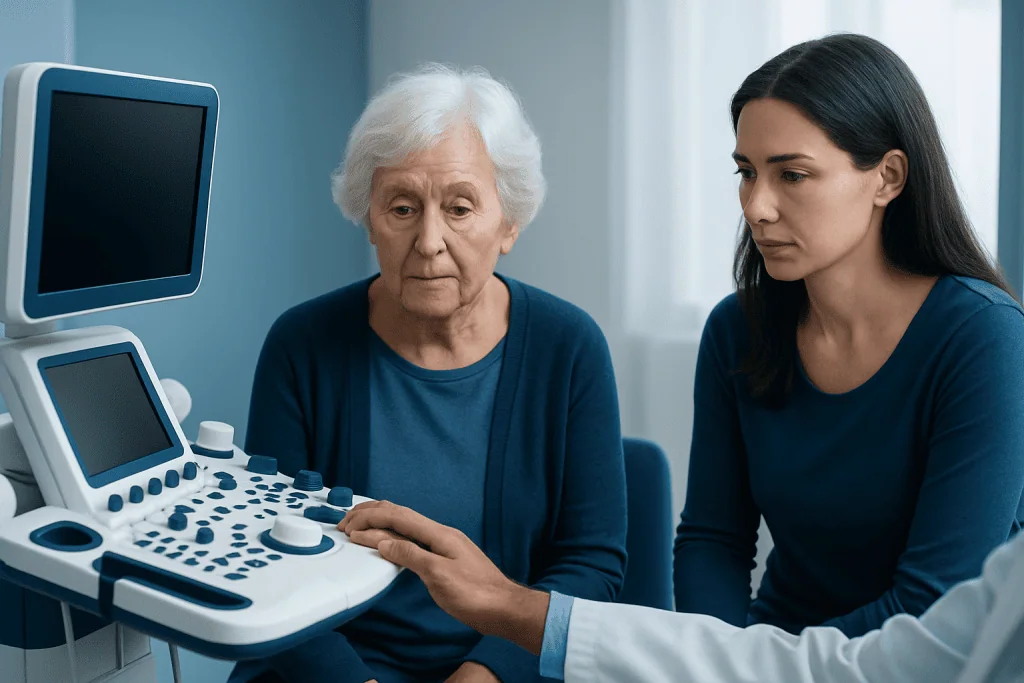
It helps to prepare a simple timeline of changes noticed over the past months or years. Families should note when symptoms began, whether they came on gradually or suddenly, and whether they are getting worse. This timeline can include memory problems, confusion, language difficulty, changes in attention, trouble planning tasks, mood changes, sleep problems, falls, hallucinations, or personality changes.
Daily functioning is especially important. A specialist will often ask whether the person can manage medications, drive safely, cook, shop, bathe, dress, handle money, and keep appointments. Changes in these activities can provide valuable clues about how much cognition is being affected and whether support is needed at home.
Specific examples are more useful than general statements. Instead of saying, “Memory is worse,” it is better to say, “She forgot a close relative’s visit last week and asked the same question five times in one evening.” It can also help to mention triggers or patterns, such as symptoms that worsen in the evening, after poor sleep, or during illness.
- Write down the main symptoms and when they started.
- Note any safety concerns, such as wandering, falls, missed medications, or kitchen accidents.
- Record changes in mood, behavior, sleep, or appetite.
- List examples of how symptoms affect work, home tasks, finances, or social life.
How to Prepare Practical Information for the Visit

Good preparation can make the consultation more efficient and less stressful. Families should bring a full medication list, including prescription medicines, over-the-counter products, vitamins, herbal supplements, and any recent medication changes. Some medicines can affect memory, alertness, or balance, so this information matters.
It is also useful to gather basic medical records if available. Past diagnoses, hospital discharge summaries, laboratory results, and previous brain scans may help avoid repeating tests. Hearing and vision problems can worsen confusion, so information about eyeglasses, hearing aids, and sensory changes should be shared as well.
If possible, a family member or close friend should attend the visit. Many people with cognitive symptoms may not notice all their difficulties, or they may feel anxious and forget details during the conversation. A companion can provide additional observations and help remember the doctor’s advice afterward.
Families may also want to prepare a short written summary with the person’s age, major health conditions, recent changes, and the top three concerns. This can be especially helpful if there is limited appointment time or if multiple relatives are involved in care.
What Usually Happens During a Dementia Assessment
The first specialist visit usually begins with a detailed medical history. The doctor will ask about memory and thinking changes, mood, sleep, mobility, medications, alcohol use, past illnesses, and family history. They will also ask how symptoms affect independence. Both the patient and a family member may be asked to describe what they have noticed.
A physical and neurological examination is commonly performed. This may include checking strength, balance, reflexes, walking, eye movements, speech, and signs of other neurological conditions. The doctor may also perform a brief cognitive screening test that looks at orientation, attention, language, recall, and problem-solving.
Depending on the findings, additional tests may be recommended. These often include blood tests to look for causes such as thyroid problems, vitamin deficiencies, infection, or metabolic changes. Brain imaging, such as brain MRI, may be used to look for strokes, shrinkage patterns, tumors, fluid buildup, or other structural causes. Some people may need more detailed neurological rehabilitation assessment later if thinking or function has declined.
In selected cases, the specialist may suggest formal neuropsychological testing. This is a more detailed evaluation of memory, language, attention, executive function, and visuospatial skills. It can help distinguish between normal aging, mild cognitive impairment, and types of dementia, and may also support care planning.
Questions Families May Want to Ask the Specialist
Preparing questions in advance can help families leave the appointment with a clearer understanding of the situation. It is reasonable to ask what conditions are being considered, which tests are needed, and how long results may take. Families can also ask whether the symptoms may be caused by something other than dementia and whether any treatable factors are present.
Safety and daily life are also important topics. Families may wish to ask about driving, medication management, work, financial decision-making, fall risk, and whether the person can safely live alone. If there are episodes of wandering, agitation, hallucinations, or poor judgment, these should be discussed openly and without embarrassment.
Other useful questions focus on the future. Families can ask what signs to monitor, what support services may help, whether therapy or cognitive rehabilitation is appropriate, and when follow-up should occur. If a diagnosis becomes clearer over time, doctors may discuss treatment options for symptoms, support planning, and conditions such as Alzheimer’s disease when relevant.
- What are the most likely causes of these symptoms?
- Are any blood tests or scans needed?
- Could hearing, sleep, depression, or medication side effects be contributing?
- Are there immediate safety concerns at home or while driving?
- What should the family monitor before the next visit?
What Treatment and Support May Be Discussed
Treatment depends on the cause of symptoms. If a reversible or contributing problem is identified, such as medication side effects, dehydration, sleep apnea, depression, or vitamin deficiency, addressing it may improve cognition or daily functioning. When dementia is diagnosed, treatment usually focuses on symptom management, safety, quality of life, and support for both the patient and caregivers.
Some people may be offered medications that can help certain dementia symptoms, depending on the type and stage of illness. Non-drug approaches are equally important. These may include routines, memory aids, exercise, sleep support, hearing correction, nutrition, and home safety adjustments. If movement, speech, or independence is affected, specialists may recommend therapies and support services tailored to the person’s needs.
In some cases, the doctor may discuss further testing or referrals, such as psychiatry, sleep medicine, physical therapy, occupational therapy, or speech therapy. If concerns include stroke-related changes or broader neurological symptoms, additional evaluation may be necessary. The aim is not only to name the condition but also to understand how to support day-to-day life.
Near the end of the care journey discussion, families may also ask where multidisciplinary assessment is available. Acibadem International’s multidisciplinary specialists and JCI-accredited hospitals evaluate and treat cognitive disorders for international patients when more comprehensive assessment is needed.
How Families Can Support the Person Before and After the Visit
The emotional side of a dementia evaluation deserves attention. Many people feel frightened, defensive, or embarrassed when memory problems are discussed. Families can help by using calm, respectful language and focusing on practical goals such as understanding the cause of symptoms, improving safety, and protecting independence as much as possible.
Before the visit, it may help to explain that the appointment is about checking health and memory, not judging or taking away control. Avoid arguing about every forgotten detail. Instead, gather observations quietly and bring written notes. If the person becomes anxious in clinics, consider planning extra travel time, bringing glasses or hearing aids, and having snacks or water if permitted.
After the appointment, families should review the doctor’s recommendations together and write down next steps. This may include scheduling tests, adjusting medications, improving sleep habits, organizing bills, or arranging supervision for cooking and driving. Small changes can make daily life safer and less stressful while the evaluation continues.
Caregivers should also pay attention to their own wellbeing. Looking after someone with suspected dementia can be demanding, especially if behavior or sleep changes are present. Support from other relatives, community services, or caregiver groups can help prevent burnout and improve decision-making.
When to Seek Prompt Medical Attention
While many cognitive changes develop gradually, some symptoms need urgent assessment. Sudden confusion, abrupt worsening of memory, new weakness, difficulty speaking, severe headache, fainting, fever, or a major change in alertness may point to an acute medical problem rather than a slowly progressive dementia. These symptoms should not wait for a routine specialist appointment.
Immediate help is also important if the person becomes unsafe. Examples include getting lost repeatedly, leaving the stove on, taking medications incorrectly, falling often, showing severe agitation, or expressing thoughts of self-harm. Families should also seek medical advice promptly if hallucinations, significant sleep disturbance, or rapid personality change appears for the first time.
Even when symptoms are not urgent, it is wise to book an evaluation sooner rather than later. Early assessment can identify treatable conditions, support planning, and give families time to make informed decisions about care, legal planning, daily routines, and home safety.
Frequently asked questions
What should a family bring to a first specialist visit for suspected dementia?
A family should bring a list of symptoms, a timeline of when changes began, and examples of how daily life has been affected. It is also helpful to bring a full medication list, medical records if available, and a trusted companion who knows the patient well.
Does memory loss always mean dementia?
No. Memory problems can also be linked to stress, depression, poor sleep, medication side effects, vitamin deficiencies, thyroid problems, hearing loss, or other medical issues. A proper assessment is important because some causes may be treatable.
Who usually evaluates suspected dementia?
The evaluation may be done by a neurologist, geriatrician, geriatric neurologist, psychiatrist, or memory clinic team. Depending on the case, the person may also see a neuropsychologist or other specialists for further testing.
What tests are commonly done at the first dementia appointment?
The doctor usually takes a detailed history, performs a physical and neurological examination, and does a brief cognitive assessment. Blood tests and brain imaging may also be recommended, depending on the symptoms and medical history.
Should the person with memory problems attend the visit with a family member?
Yes, this is often very helpful. The person should be included as much as possible, while a family member can provide observations, clarify details, and help remember the doctor’s recommendations afterward.
How can families talk about the appointment without causing distress?
A calm and respectful approach usually helps most. Families can explain that the visit is meant to understand health changes and support independence, rather than to blame or judge the person.
References
- World Health Organization
- National Institute on Aging
- Alzheimer's Association
- National Institute of Neurological Disorders and Stroke
- Centers for Disease Control and Prevention
This article is for general information only and is not a substitute for professional medical advice. Please consult a qualified doctor about your individual situation.
Dementia in Turkey — costs, top hospitals & a free quote
JCI-accredited · board-certified surgeons · reply within 24h
Add us as a Preferred Source to see more of our trusted health content across Google Search, AI Overviews and Discover.

Neurology
Diagnosis and treatment of disorders of the brain, spinal cord, nerves and muscles.
51 specialists in this unit