Sway Back Posture: What Patients Need to Know

Sway back posture is a whole-body alignment pattern, not just a problem in one part of the spine. It often involves the hips shifting forward, a relaxed abdominal wall, and increased strain on ligaments and joints.
Key Takeaways
- Sway back posture is a whole-body alignment pattern, not just a problem in one part of the spine.
- It often involves the hips shifting forward, a relaxed abdominal wall, and increased strain on ligaments and joints.
- Symptoms can include back, neck, hip, or shoulder discomfort, but some people have no pain at all.
- Assessment usually focuses on posture, muscle balance, movement habits, and any related spine or joint problems.
- Treatment commonly includes targeted exercise, posture retraining, ergonomic changes, and physical therapy.
- Medical evaluation is important if posture changes are accompanied by persistent pain, numbness, weakness, or limited function.
Sway back posture is a common standing alignment pattern in which the pelvis moves forward, the trunk leans back, and the head may sit in front of the shoulders. It is not always painful, but over time it can contribute to muscle imbalance, fatigue, neck or back discomfort, and reduced movement efficiency.
Overview: what sway back posture means
Sway back posture is a postural pattern in which the pelvis and hips drift forward while the upper trunk leans slightly backward. The lower back may appear relatively flat or only mildly arched, while the chest and head may sit behind and then in front of the ideal line of balance. In simple terms, the body is “hanging” on passive structures such as ligaments and joints rather than being actively supported by balanced muscle control.
This posture is different from simply “standing up straight” incorrectly or having a pronounced lower-back curve alone. It is a whole-body alignment issue that can involve the pelvis, rib cage, spine, hips, knees, and head position. Because of this, treatment usually works best when it addresses overall movement patterns rather than focusing on one painful area only.
Some people with sway back posture do not notice any symptoms. Others develop gradual discomfort because certain muscles become overworked while others become lengthened, weak, or less active. Understanding the pattern can help patients choose the right evaluation and avoid oversimplified advice.
How to recognize the signs and symptoms
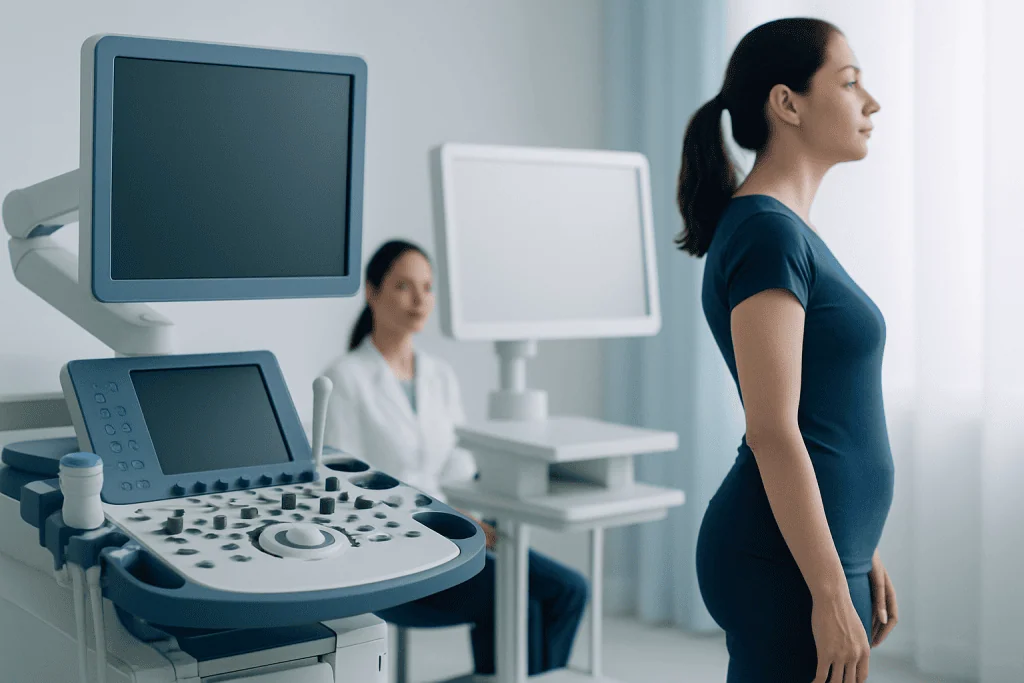
The appearance of sway back posture often includes hips pushed forward, a backward lean through the trunk, rounded upper back or shoulders, and a forward head position. The knees may also lock backward in some people. These features may be easier to notice when standing still than when walking.
Symptoms vary widely. Many patients describe aching in the lower back, tightness in the front of the hips, tension between the shoulder blades, neck strain, or fatigue during prolonged standing. Others notice that they tend to slump, feel unstable during exercise, or have difficulty maintaining a neutral posture without effort.
Common complaints may include:
- Low back discomfort after standing or walking
- Neck or upper back tension
- Hip tightness or stiffness
- Shoulder rounding and chest tightness
- Muscle fatigue during daily activities
- Reduced comfort when sitting or changing positions
Symptoms are not unique to this posture alone, which is why self-diagnosis can be misleading. Problems such as scoliosis, hip joint disorders, or general deconditioning can create similar discomfort and may need separate evaluation.
Why sway back posture develops

Sway back posture usually develops over time from a combination of habits, body mechanics, and muscle imbalance. Long periods of standing with weight shifted onto the hips, prolonged sitting, low physical activity, certain work setups, and repetitive movement patterns can all contribute. Pregnancy, changes in body weight, joint laxity, and age-related changes in muscle strength may also affect alignment.
In many cases, the abdominal muscles and deep trunk stabilizers do not provide enough active support, while the hip flexors, hamstrings, chest muscles, or upper back tissues may become tight or adaptively shortened. At the same time, the gluteal muscles and some postural muscles may work less effectively. This does not mean the person is simply “weak”; rather, the body has adopted a less efficient resting strategy.
There can also be contributing structural or medical factors. Differences in spinal shape, previous injury, hip problems, chronic pain, and compensations from foot or leg alignment may influence posture. For this reason, persistent or painful posture changes are best assessed in the broader context of musculoskeletal health, including possible kyphosis or other spinal alignment concerns.
How doctors and therapists assess sway back posture
Evaluation starts with a medical history and physical examination. A doctor or physical therapist typically looks at standing posture from the side and back, asks about pain patterns, and observes how the patient sits, stands, bends, walks, and balances. The goal is not only to label the posture but also to understand whether it is contributing to symptoms.
Assessment may include spinal mobility, hip range of motion, muscle length, core control, and strength in the gluteal and trunk muscles. The clinician may also check whether the knees, feet, and shoulders are affecting overall alignment. This broader approach is useful because discomfort often comes from several interacting factors rather than from posture alone.
Imaging is not necessary for every patient. However, X-rays or other tests may be recommended if there is significant pain, trauma, deformity, neurological symptoms, or concern about an underlying condition affecting the spine or joints. In some cases, evaluation by specialists in orthopedics or physical therapy and rehabilitation may help guide a tailored plan.
Treatment options and posture correction
Treatment for sway back posture is usually conservative and individualized. The main aim is to improve alignment, reduce strain, and restore more balanced muscle activity. For many patients, the most effective approach includes education, movement retraining, and a structured exercise program rather than trying to force the body into a rigid upright position.
Physical therapy often focuses on strengthening the deep abdominal muscles, gluteal muscles, and other stabilizers while improving control of the rib cage and pelvis. Stretching or mobility work may target areas that commonly become tight, such as the hip flexors, hamstrings, chest, or thoracic spine. Training for standing, walking, lifting, and desk posture can help patients use these changes in daily life.
Depending on symptoms, treatment may also include pain management strategies, manual therapy, activity modification, or supervised rehabilitation. If sway back posture is linked to a more specific spine problem, patients may benefit from further evaluation in spine care settings, although surgery is not a treatment for posture pattern alone in most cases. The priority is usually symptom relief and functional improvement, not achieving a perfect appearance.
Acibadem International’s multidisciplinary specialists in JCI-accredited hospitals diagnose and treat posture-related musculoskeletal problems for international patients, with plans based on symptoms, examination findings, and overall spine and joint health.
Self-care, exercise habits, and prevention
Daily habits can make a meaningful difference. Helpful changes often include avoiding long periods of standing with the hips pushed forward, changing positions regularly, adjusting desk height, and building general physical activity into the day. Many people benefit from learning how to stack the rib cage more comfortably over the pelvis rather than leaning backward through the trunk.
Exercise should be gradual and targeted. Walking, low-impact strengthening, mobility work, and guided core or gluteal exercises may improve body awareness and endurance. A physical therapist can show patients how to activate the right muscles without creating excessive stiffness or overcorrecting into another uncomfortable posture.
Simple self-care strategies may include:
- Taking movement breaks during prolonged sitting or standing
- Practicing balanced standing with weight distributed through the feet
- Improving workstation ergonomics
- Strengthening the hips, trunk, and upper back
- Stretching areas of tightness as advised by a clinician
- Choosing supportive exercise routines that can be maintained long term
It is helpful to remember that posture is dynamic, not fixed. The goal is not to hold one exact position all day, but to move efficiently, reduce strain, and maintain comfort during daily activities.
When to seek medical care
A clinician should assess sway back posture if it is causing ongoing pain, limiting activity, or changing noticeably over time. Evaluation is also important when posture changes follow an injury or when home exercises do not improve symptoms. Early assessment can help identify whether the problem is mainly muscular, related to movement habits, or linked to an underlying spine or joint condition.
Prompt medical care is especially important if there is numbness, tingling, weakness, pain radiating into the arms or legs, difficulty walking, balance problems, or changes in bladder or bowel control. These symptoms may suggest nerve involvement or another condition that needs timely diagnosis.
Children, teenagers, older adults, and people with known bone or joint disease may benefit from professional guidance sooner rather than later. A qualified doctor or physical therapist can explain what is normal variation, what may be contributing to discomfort, and which treatment plan is most appropriate.
Frequently asked questions
Is sway back posture the same as lordosis?
Not exactly. Sway back posture is a full-body alignment pattern in which the hips shift forward and the trunk leans back, while lordosis refers more specifically to the inward curve of the lower spine. A person with sway back posture may or may not have a clearly increased lower-back curve.
Can sway back posture cause pain?
Yes, it can contribute to pain or muscle fatigue, especially in the lower back, neck, hips, or upper back. However, not everyone with this posture has symptoms. Pain usually develops when the alignment pattern places ongoing stress on joints, ligaments, or certain muscle groups.
Can exercise correct sway back posture?
Targeted exercise often helps improve sway back posture, especially when it focuses on muscle balance, posture awareness, and movement control. Results are usually gradual rather than immediate. A personalized program from a physical therapist is often more effective than generic posture advice.
How long does it take to improve sway back posture?
The timeline varies depending on symptoms, daily habits, muscle conditioning, and whether an underlying condition is present. Some people notice improvement in comfort and body awareness within weeks, while longer-standing patterns may take months of consistent work. The goal is usually better function and less strain, not instant perfection.
Do braces or posture correctors help?
Some supportive devices may provide short-term feedback or comfort, but they usually do not solve the underlying movement pattern by themselves. Long-term improvement generally depends on active rehabilitation, strengthening, and habit changes. A clinician can advise whether any support device is appropriate in an individual case.
Should a person see a doctor or a physical therapist first?
Either may be a reasonable starting point, depending on the healthcare system and the symptoms involved. A physical therapist can help with posture assessment and exercise planning, while a doctor is especially important if there is significant pain, injury, neurological symptoms, or concern about an underlying medical condition. If symptoms are severe or worsening, medical evaluation should not be delayed.
References
- American Academy of Orthopaedic Surgeons
- National Institute of Arthritis and Musculoskeletal and Skin Diseases
- American Physical Therapy Association
- MedlinePlus
- Scoliosis Research Society
This article is for general information only and is not a substitute for professional medical advice. Please consult a qualified doctor about your individual situation.
Joint and spine care in Turkey — expert assessment & treatment
JCI-accredited · board-certified surgeons · reply within 24h
Add us as a Preferred Source to see more of our trusted health content across Google Search, AI Overviews and Discover.

More from the Health Library



Related Specialists

Dr. Mahir Kenduşim
Ophthalmology
Dr. Özgür Bolat
Anesthesiology
Prof. Dr. Mahir Gülşen
Orthopedic Surgery & Traumatology
Dr. Emre Sarıekiz
Orthopedic Surgery & Traumatology