Swollen Lymph Nodes Explained: Common Triggers and Red Flags

Swollen lymph nodes are commonly linked to infections such as colds, sore throats, dental problems, or skin infections. The location, size, tenderness, and duration of lymph node swelling help doctors narrow down the cause.
Key Takeaways
- Swollen lymph nodes are commonly linked to infections such as colds, sore throats, dental problems, or skin infections.
- The location, size, tenderness, and duration of lymph node swelling help doctors narrow down the cause.
- Nodes that remain enlarged for several weeks, feel hard or fixed, or occur with fever, night sweats, or weight loss need medical evaluation.
- Treatment focuses on the underlying cause rather than the lymph node itself.
- Self-care can help with mild discomfort, but a proper diagnosis is important when swelling does not improve.
Swollen lymph nodes usually mean the immune system is responding to an infection or inflammation nearby. Most cases improve as the underlying cause settles, but persistent, enlarging, or unexplained swelling should be assessed by a doctor.
Overview: What swollen lymph nodes usually mean
Swollen lymph nodes are small immune glands that have become enlarged because they are filtering germs, inflammatory cells, or other substances. In many people, this happens during a common infection such as a cold, throat infection, ear infection, dental infection, or a skin problem. The swelling is often temporary and may feel tender, especially when the body is actively fighting an illness.
Lymph nodes are found throughout the body, but they are easiest to notice in the neck, under the jaw, behind the ears, in the armpits, and in the groin. A swollen node may feel like a small pea, bean, or larger lump under the skin. Sometimes there is only one enlarged node; in other cases, several nearby nodes swell together.
This symptom is best understood as a clue rather than a diagnosis on its own. The pattern matters: where the swelling is located, how long it has lasted, whether it hurts, and whether there are other symptoms such as fever, sore throat, rash, tooth pain, cough, or weight loss. Looking at these details helps distinguish a short-lived immune response from a problem that needs closer investigation.
Where lymph nodes are and why location matters
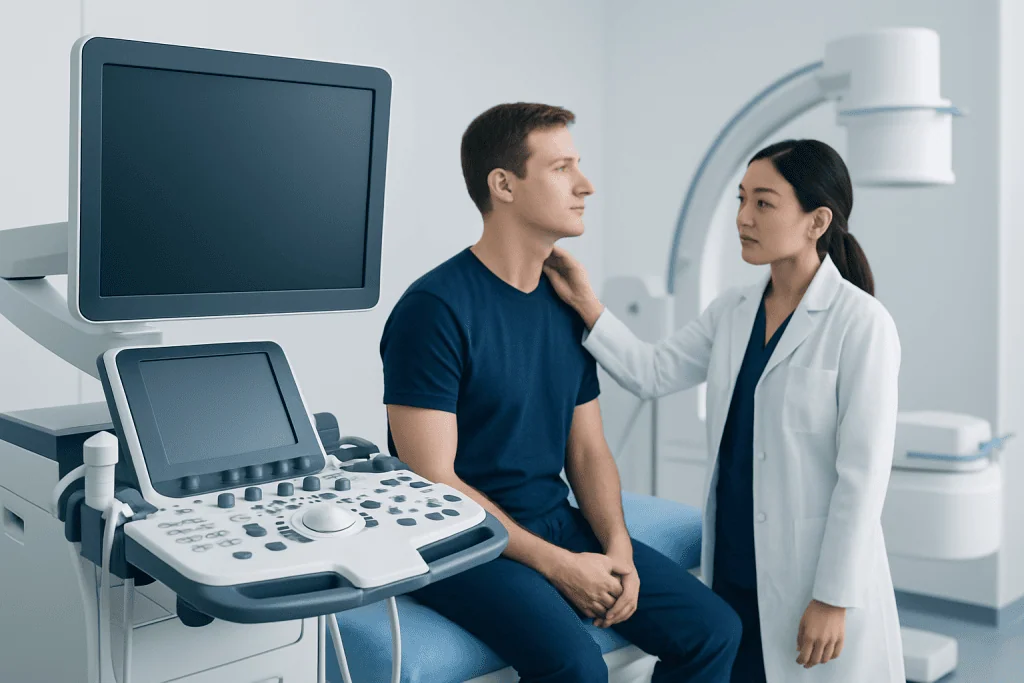
Lymph nodes are part of the lymphatic system, which helps the body fight infection and remove waste products from tissues. They act like checkpoints, trapping viruses, bacteria, and abnormal cells. Because each group of lymph nodes drains a nearby area, the location of swelling often points toward the source.
For example, swollen lymph nodes in the neck or under the jaw are commonly related to throat infections, colds, sinus issues, ear infections, or dental problems. Nodes in the armpit may enlarge after a skin infection or inflammation in the arm, chest, or breast area. Groin nodes may react to infections or irritation affecting the legs, feet, or genital region.
Doctors also consider whether only one area is affected or whether lymph nodes in several parts of the body are enlarged at the same time. Generalized swelling can happen with some viral infections, immune conditions, or blood-related disorders. This broader pattern may need a more detailed evaluation than a single tender node that appears during a clear local infection.
Common symptoms and features to notice

People describe swollen lymph nodes in different ways: a lump under the skin, tenderness when turning the neck, soreness while shaving, or discomfort when pressing on the area. Tender, soft, and mobile nodes are often seen with infection. The skin over them is usually normal, though redness and warmth can occur if there is a nearby infection.
Associated symptoms may provide important clues. A sore throat, runny nose, cough, toothache, fever, fatigue, or a skin wound can all help explain why the node is enlarged. In children and young adults, lymph nodes often become noticeable during common viral illnesses and may remain slightly enlarged for some time even after the person feels better.
Features that deserve attention include nodes that continue growing, feel very firm, seem fixed in place, or are not painful despite being enlarged. Other concerning symptoms can include unexplained fever, drenching night sweats, unintended weight loss, persistent fatigue, or easy bruising. These signs do not always mean a serious illness, but they are reasons to seek timely medical advice.
- Commonly noticed areas: neck, under jaw, behind ears, armpits, groin
- Often linked symptoms: sore throat, cold symptoms, tooth pain, skin infection, fever
- More concerning patterns: persistent swelling, hard texture, fixed position, whole-body symptoms
Common triggers and possible causes
The most frequent cause of swollen lymph nodes is infection. Viral illnesses such as colds, flu-like infections, or mononucleosis often lead to enlarged nodes, especially in the neck. Bacterial infections such as strep throat, tonsillitis, dental abscesses, or infected skin wounds can do the same. If a node is painful and there is a nearby infection, the swelling is often part of a normal immune response.
Inflammatory and immune-related conditions can also cause lymph node swelling. Examples include autoimmune diseases, inflammatory skin conditions, and reactions to certain medications or vaccinations. In some cases, the swelling is more generalized, affecting more than one area of the body.
Less commonly, swollen lymph nodes can be linked to cancers that start in the lymphatic system or spread from another site. Doctors may consider conditions such as lymphoma when swelling is persistent, unexplained, and associated with red-flag symptoms. In people with ongoing infections, very enlarged nodes, or abnormal imaging, further tests may be needed to rule out serious causes, including leukemia or metastatic disease. Most swollen lymph nodes are not cancer, but persistent or unusual cases should not be ignored.
How doctors assess swollen lymph nodes
Evaluation starts with a medical history and physical examination. A doctor will ask how long the swelling has been present, whether it is painful, whether it has changed in size, and what other symptoms are present. They may ask about recent infections, dental issues, travel, animal exposure, medications, vaccination history, and any past medical conditions that affect the immune system.
During the examination, the doctor checks the size, texture, mobility, and exact location of the lymph nodes. They also look for signs of infection in nearby areas such as the throat, ears, skin, mouth, and teeth. If there are swollen nodes in multiple regions or other concerning findings, additional testing may be recommended.
Tests may include blood work, throat swabs, or imaging such as ultrasound to look more closely at the lymph node’s structure. If the cause remains unclear, doctors may use MRI or other imaging depending on the location and overall clinical picture. Occasionally, if a node remains enlarged or appears suspicious, a biopsy is advised so the tissue can be examined under a microscope.
Treatment options and what recovery looks like
Treatment for swollen lymph nodes depends on the underlying cause. If the cause is a viral infection, the main approach is usually rest, fluids, and time. If a bacterial infection is diagnosed, a doctor may prescribe antibiotics or treat the source directly, such as a dental problem or skin infection. When inflammation or an immune condition is responsible, treatment is aimed at that specific disorder.
The lymph node itself usually does not need separate treatment. As the triggering problem improves, the node often becomes smaller over days to weeks. Some nodes, especially after viral infections, may remain slightly enlarged for a while before slowly returning closer to their usual size.
If tests raise concern for a more serious condition, care may involve a specialist such as an ear, nose, and throat doctor, infectious disease specialist, hematologist, or oncologist. In selected cases, further procedures may be needed, including biopsy to establish a diagnosis. Near the end of the diagnostic pathway, multidisciplinary teams may coordinate imaging, pathology, and treatment planning to make sure the cause is clearly identified.
Self-care, prevention, and practical steps at home
For mild swollen lymph nodes that occur with a clear short-term illness, simple self-care can help with comfort. Rest, hydration, and avoiding repeated touching or squeezing of the lump are sensible first steps. A warm compress may help ease local tenderness. Over-the-counter pain relief may be useful for some people, but any medicine should be used according to a doctor’s or pharmacist’s advice.
Prevention focuses on reducing common triggers. Good hand hygiene, oral care, prompt attention to cuts or skin infections, and staying up to date with routine vaccinations can all reduce the chance of infections that lead to node swelling. Seeking dental care for tooth pain or gum problems is particularly important because untreated dental infections often cause swelling under the jaw or in the neck.
It is best not to assume every lump is a lymph node or every enlarged node is harmless. Measuring or pressing it repeatedly can make the area more irritated and does not help it heal. If the swelling is unexplained, lasts longer than expected, or returns repeatedly, a medical review is the safest next step.
When to seek medical care
Medical care is recommended if swollen lymph nodes last more than two to four weeks, continue to enlarge, or appear without an obvious infection. Evaluation is also important if the node feels hard, is fixed in place, or is larger than expected for a routine cold or sore throat. People with weakened immune systems should be assessed sooner, even for mild swelling.
Urgent medical attention may be needed if swollen lymph nodes come with difficulty breathing or swallowing, severe neck swelling, high fever, rapidly spreading redness, or signs of a serious infection. These symptoms can point to a problem that should be treated promptly.
For persistent or unexplained cases, specialist assessment can help determine whether the cause is infectious, inflammatory, or more complex. Acibadem International’s multidisciplinary specialists in JCI-accredited hospitals evaluate and treat patients with lymph node enlargement, including advanced diagnostics and care for international patients when needed.
Frequently asked questions
Are swollen lymph nodes usually serious?
Most swollen lymph nodes are not serious and happen because the body is responding to an infection or inflammation. They often improve as the underlying problem gets better. However, swelling that persists, grows, or comes with unexplained fever, night sweats, or weight loss should be evaluated.
How long do swollen lymph nodes last?
The duration depends on the cause. With common viral illnesses, lymph nodes may start improving within days, but some remain enlarged for a few weeks. If swelling lasts beyond two to four weeks or keeps getting larger, medical advice is recommended.
Should a swollen lymph node hurt?
Tenderness can happen, especially when the node is reacting to an infection. Painful, soft, and movable nodes are often seen in short-term infections. A painless node is not automatically dangerous, but if it is persistent or firm, it should be checked.
Can stress cause swollen lymph nodes?
Stress itself is not a typical direct cause of swollen lymph nodes. In most cases, swelling is related to infection, inflammation, or another medical condition. If someone notices enlarged nodes during a stressful period, it is still important to consider other causes rather than assuming stress is responsible.
Is it safe to touch or massage swollen lymph nodes?
It is best not to squeeze or repeatedly massage swollen lymph nodes. Frequent touching can irritate the area and make it feel more tender. Gentle observation is fine, but ongoing or unexplained swelling should be assessed by a doctor instead of handled at home.
Do children get swollen lymph nodes more often than adults?
Yes, children often have more noticeable lymph node swelling because they commonly get viral infections and their immune systems are very active. Small, movable neck nodes can be common during or after routine childhood illnesses. A doctor should still review nodes that are very large, persistent, or associated with concerning symptoms.
References
- National Institutes of Health
- Centers for Disease Control and Prevention
- American Academy of Family Physicians
- Merck Manual Professional Edition
- Mayo Clinic
This article is for general information only and is not a substitute for professional medical advice. Please consult a qualified doctor about your individual situation.
Explore treatments in Turkey — costs, top hospitals & a free quote
JCI-accredited · board-certified surgeons · reply within 24h
Add us as a Preferred Source to see more of our trusted health content across Google Search, AI Overviews and Discover.