Symptoms for Broken Toe Explained: Common Triggers and Red Flags

Pain, swelling, bruising and tenderness after a direct injury are common symptoms for broken toe. A toe can be fractured even if a person is still able to walk or move it.
Key Takeaways
- Pain, swelling, bruising and tenderness after a direct injury are common symptoms for broken toe.
- A toe can be fractured even if a person is still able to walk or move it.
- Visible deformity, a wound near the injury, numbness, colour change or injury to the big toe requires timely medical assessment.
- X-rays can help confirm a fracture and show whether the bone is displaced or involves a joint.
- Most uncomplicated fractures are treated with rest, protection, supportive footwear and gradual return to activity.
Symptoms for broken toe often begin immediately after an injury and may include sharp pain, swelling, bruising, tenderness and trouble putting weight on the foot. Most toe fractures heal well with appropriate protection, but a crooked toe, open wound, numbness or severe pain should be assessed promptly.
Overview: what symptoms for broken toe can feel like
Symptoms for broken toe usually appear after the toe is struck, twisted, crushed or bent beyond its normal range. The most typical signs are pain at a specific point, swelling, bruising and tenderness when the toe is touched or when weight is placed on the foot. Some people describe a throbbing pain at rest, while others notice pain mainly when walking, pushing off the ground or wearing shoes.
A broken toe, also called a toe fracture, may be difficult to distinguish from a bruise, sprain or dislocation without an examination. The toe may still move, and a person may still be able to walk, even when a fracture is present. Conversely, a very painful toe does not always mean the bone is broken. Assessment is especially important when symptoms are severe, the toe looks abnormal or the injury involves the big toe.
The smaller toes are commonly injured after stubbing a foot against furniture or a step. Although these fractures are often uncomplicated, correct early care helps protect alignment, reduce discomfort and support normal healing. A clinician can determine whether the injury needs simple support, imaging or more specialized treatment.
Common signs and symptoms
Pain is often the first symptom. It may be sudden and intense at the moment of injury, then remain as an aching or pulsing discomfort. The affected toe may hurt when it is pressed, moved, or when the person walks. Pain can also be felt in the forefoot because swelling and altered walking can place stress on nearby tissues.
Swelling commonly develops within hours and can make shoes feel tight. Bruising may appear blue, purple, red or darker than the surrounding skin, depending on skin tone, and it can spread toward the base of the toe or across the foot over the following days. The skin may feel warm, and the toenail can become tender if the injury involved the tip of the toe.
Other possible symptoms include stiffness, reduced range of motion and difficulty bearing weight normally. A person may limp or avoid rolling through the front of the foot. If the fracture has moved out of alignment, the toe may point in an unusual direction, look shortened, overlap a neighboring toe, or appear rotated. A crack or popping sensation at the time of injury can occur, but its absence does not rule out a fracture.
- Localized pain and tenderness over the bone
- Swelling and bruising around the toe or forefoot
- Pain while walking, standing or wearing closed shoes
- Stiffness or reluctance to move the toe
- Visible crookedness, rotation or an unusual gap at a joint
How broken toe symptoms differ from other injuries

A stubbed or bruised toe can cause pain and discoloration similar to a fracture. With a bruise, discomfort often begins to improve steadily over several days, and the toe typically remains straight. However, symptom patterns overlap considerably, so persistent focal tenderness, worsening swelling or pain that makes normal walking difficult should not be dismissed as a minor injury.
A sprain affects the ligaments around a joint rather than the bone. It may follow a twisting injury and can cause swelling, pain and stiffness, particularly near a toe joint. A dislocation occurs when the joint surfaces are no longer correctly positioned. It can produce obvious deformity and inability to move the toe normally, and it should be evaluated promptly rather than manipulated at home.
A dark or painful toenail may result from blood collecting under the nail after an impact. This can occur with or without a fracture. Severe pressure beneath the nail, nail separation, a cut near the nail bed or a wound over the suspected fracture are reasons to seek medical advice. An open injury can increase infection risk and may need urgent treatment.
Common triggers and factors that raise risk
Direct impact is the leading trigger for a toe fracture. Common situations include stubbing the toe against furniture, dropping an object on the foot, striking a step, or having the toe stepped on during sport. Twisting injuries, falls and sudden force during running or jumping can also fracture a toe, particularly if the foot catches on an uneven surface.
Sports that involve rapid changes of direction, contact or barefoot activity may increase the chance of toe injury. Shoes that provide little toe protection, poor lighting at home and cluttered walkways can contribute to accidental impacts. Repetitive loading may occasionally cause a stress fracture, which tends to develop gradually rather than after one memorable injury. In this situation, pain may increase with activity and improve with rest.
Some health conditions can affect bone strength or sensation in the feet. Osteoporosis, nutritional deficiencies, long-term use of certain medicines and some endocrine conditions may increase fracture risk. People with diabetes, reduced circulation or nerve damage may not feel the injury fully or may be more vulnerable to skin complications. They should contact a healthcare professional early after any significant foot or toe injury.
Diagnosis and what an assessment may involve
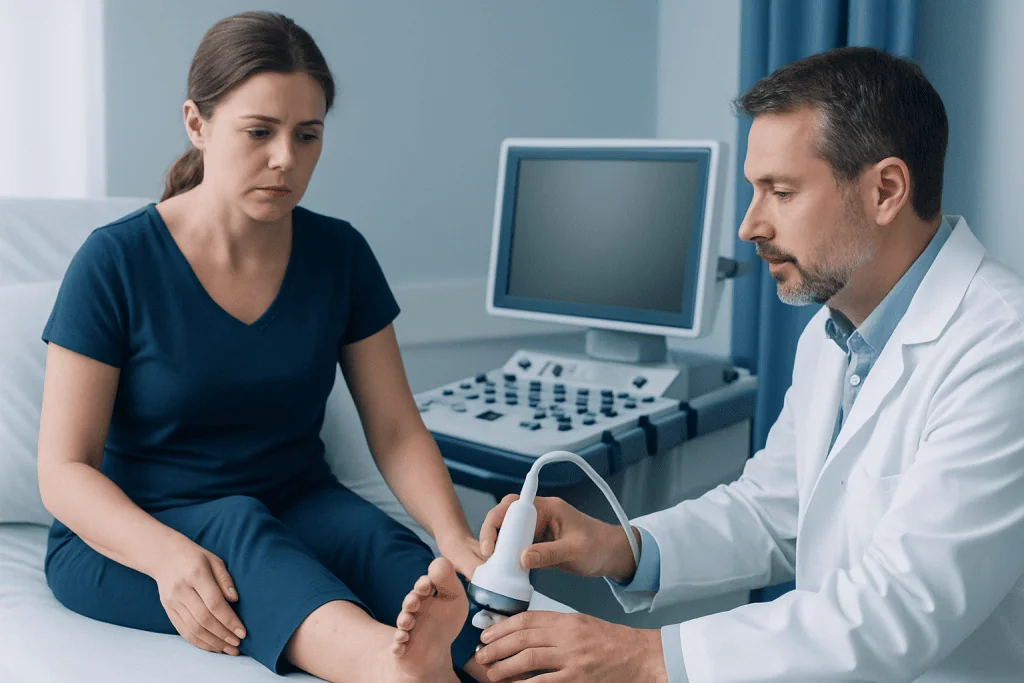
A healthcare professional will ask how the injury happened, when symptoms began and whether the person can walk. They will examine the toe for swelling, bruising, tenderness, skin breaks, nail injury, deformity and circulation. Comparing the injured toe with the same toe on the other foot can help identify rotation or changes in position.
Plain X-rays are commonly used when a fracture is suspected, especially if the big toe is injured, the toe looks crooked, pain is substantial, or there is concern that a joint is involved. Imaging can show the location of the fracture, whether pieces of bone have shifted and whether the break extends into a joint. Not every minor toe injury needs an X-ray, but the decision should be based on symptoms and clinical examination.
It is important to tell the clinician about diabetes, poor circulation, numbness, immune suppression, previous foot surgery or use of medicines that affect bleeding or bone health. These details may influence treatment and follow-up. If symptoms remain significant despite an initially normal X-ray, repeat assessment may sometimes be needed, particularly when a stress fracture is suspected.
Treatment options and safe self-care
Treatment depends on which toe is affected, whether the bones are aligned, and whether there is a wound or joint involvement. Many stable fractures of the smaller toes can be managed without surgery. The aim is to protect the toe, control pain and swelling, and prevent it from being knocked or bent repeatedly while the bone heals.
Initial self-care may include resting from impact activity, elevating the foot when possible, and applying a wrapped cold pack for short periods to ease swelling. A stiff-soled, wide-fitting shoe or other clinician-recommended footwear can reduce painful bending of the toe. Pain relief options should be chosen with guidance from a pharmacist or healthcare professional, particularly for people with kidney disease, stomach ulcers, pregnancy, or medicines that affect bleeding.
For some smaller-toe fractures, a clinician may recommend taping the injured toe to the adjacent toe with padding between them. This is sometimes called buddy taping. It should not be used if the toe is visibly deformed, there is broken skin, circulation is poor, or the method increases pain, numbness or skin irritation. The big toe bears more weight and is more important for balance, so fractures there often require closer assessment and a different support plan.
When a fracture is displaced, unstable, open or significantly involves a joint, realignment, immobilization or surgical treatment may be considered. Follow-up helps ensure that pain, alignment and function are improving. Acibadem International’s multidisciplinary specialists and JCI-accredited hospitals diagnose and treat toe fractures for international patients when specialist assessment is needed.
When to seek medical care
Prompt medical care is advisable if the toe is bent, twisted, pointing in the wrong direction or lying over or under another toe. Urgent assessment is also needed for an open cut near the injury, bone visible through the skin, bleeding that does not stop, or a crushed toe. These signs can indicate an injury that needs more than home care.
A person should seek timely care if the toe becomes numb, pale, blue, unusually cold, or increasingly swollen and painful. These symptoms may suggest pressure on nerves or reduced blood flow. Severe pain, inability to bear weight, or a suspected fracture of the big toe should also be assessed, particularly after a high-energy injury or fall.
People with diabetes, reduced foot sensation, circulation problems or a weakened immune system should contact a clinician after a toe injury even if it appears minor. Medical advice is also appropriate when pain and swelling are not clearly improving after several days, when walking remains difficult, or when redness, warmth, drainage or fever develops. These may indicate a complication requiring evaluation.
Recovery, prevention and returning to activity
Recovery time varies with the type of fracture, the toe involved and the person’s general health. Pain and swelling often improve before the bone is fully healed, so returning to running, jumping or contact sports too soon can prolong symptoms or disrupt healing. A clinician can advise when normal shoes, work duties and sport can be resumed safely.
During recovery, it can help to wear footwear with enough room for the toes and a sole that limits painful bending. Activities can be increased gradually as comfort allows. If swelling returns or pain becomes sharper after activity, reducing the load and discussing symptoms with a healthcare professional is sensible. Avoid trying to straighten a toe at home or forcing it into a shoe.
Prevention focuses on reducing impact and fall risks. Supportive, well-fitting shoes are useful for daily activities and sport. Keeping walkways clear, using adequate lighting at night and wearing protective footwear where heavy objects may fall can lower risk. Maintaining bone health through appropriate nutrition, weight-bearing activity and medical management of conditions affecting bone density may also be beneficial.
Frequently asked questions
Can a person walk on a broken toe?
Yes. Many people can still walk with a broken toe, particularly when one of the smaller toes is affected. The ability to walk does not rule out a fracture, although walking may be painful and can cause limping. If weight-bearing is very difficult or pain is severe, medical assessment is recommended.
What are the most common symptoms for broken toe?
The most common symptoms are pain, tenderness, swelling and bruising after an injury. The toe may also feel stiff, hurt when walking, or look different from the other toes. A crooked appearance, numbness or an open wound needs prompt evaluation.
Is bruising always present with a broken toe?
No. Bruising is common but may be mild, delayed or absent, especially early after the injury. Skin tone, the location of the fracture and the degree of soft-tissue injury can affect how visible bruising is. Ongoing focal pain and tenderness may still warrant assessment.
Should a broken toe be taped to the next toe?
Buddy taping may be appropriate for some stable fractures of the smaller toes, but it is best done after clinical advice when a fracture is suspected. Padding should be placed between the toes, and the tape should not feel tight. Do not tape a toe that is deformed, has broken skin, feels numb or has poor circulation.
How can a person tell whether a toe is broken or just stubbed?
It is not always possible to tell at home because bruises, sprains and fractures can cause similar pain and swelling. A fracture is more likely when there is point tenderness over the bone, persistent pain, marked swelling, deformity or difficulty walking. An examination and, when appropriate, an X-ray can clarify the diagnosis.
When is a broken toe an emergency?
Emergency care is needed for an open wound, exposed bone, uncontrolled bleeding, a toe that is severely deformed, or signs of reduced circulation such as a pale, blue or cold toe. Urgent assessment is also important if numbness develops or if the injury follows major trauma. People with diabetes or significant circulation problems should seek early medical advice after a toe injury.
References
- American Academy of Orthopaedic Surgeons
- National Health Service
- Mayo Clinic
- MedlinePlus, U.S. National Library of Medicine
This article is for general information only and is not a substitute for professional medical advice. Please consult a qualified doctor about your individual situation.
Joint and spine care in Turkey — expert assessment & treatment
JCI-accredited · board-certified surgeons · reply within 24h
Add us as a Preferred Source to see more of our trusted health content across Google Search, AI Overviews and Discover.