Systemic Therapy Cancer: How It Works, Results and What to Expect

Systemic therapy includes chemotherapy, immunotherapy, targeted therapy and hormone therapy. Treatment can shrink cancer, lower the risk of recurrence, control spread, or relieve cancer-related symptoms.
Key Takeaways
- Systemic therapy includes chemotherapy, immunotherapy, targeted therapy and hormone therapy.
- Treatment can shrink cancer, lower the risk of recurrence, control spread, or relieve cancer-related symptoms.
- The most suitable medicine depends on cancer type, stage, molecular test results, previous treatment and general health.
- Side effects vary widely and can often be prevented, monitored or treated with supportive care.
- Regular blood tests, scans and symptom reviews help the oncology team assess safety and response.
Systemic therapy cancer is treatment with medicines that travel through the bloodstream to reach cancer cells throughout the body. It may be used alone or alongside surgery and radiation therapy, with the type and timing tailored to the cancer, its stage, and the person’s overall health.
Overview: how systemic therapy cancer works
Systemic therapy cancer treatment uses medicines that enter the bloodstream and circulate around the body. This allows treatment to reach cancer cells beyond the original tumour, including cells that may be too small to see on scans. It is different from local treatments, such as surgery or radiation therapy, which target a specific area.
Several types of systemic therapy are available. Chemotherapy damages rapidly dividing cells; targeted therapy blocks particular proteins or pathways that help cancer grow; immunotherapy helps the immune system recognise or attack cancer; and hormone therapy reduces or blocks hormones that fuel certain cancers. Some blood cancers are treated primarily with systemic medicines, while many solid tumours are treated with a combination of approaches.
The purpose of treatment is individual. It may be given before surgery to reduce a tumour, after surgery to lower the chance of cancer returning, with radiation therapy to improve its effect, or for advanced cancer to slow growth and manage symptoms. A medical oncologist considers the expected benefit, possible risks and a person’s preferences when creating a treatment plan.
Who may be a candidate for systemic therapy?
Systemic therapy may be considered for early-stage, locally advanced or metastatic cancer. Whether it is recommended depends on the exact cancer type, where it started, its stage and grade, whether it has spread, and how it behaves under the microscope. For some cancers, testing the tumour for gene changes, proteins or hormone receptors is important because these results can identify treatments more likely to help.
The oncology team also reviews general health, organ function, other medicines, previous cancer treatments and personal goals. Blood tests may assess bone marrow, liver and kidney function. Imaging and pathology reports help establish a baseline for later comparisons.
Not every person with cancer needs systemic treatment. For example, some early cancers can be effectively managed with surgery, radiation, active surveillance or a combination of local therapies. A multidisciplinary discussion involving oncology, surgery, radiology, pathology and other relevant specialties can help determine the most appropriate sequence of care.
People are encouraged to ask what the planned treatment is intended to achieve, how response will be measured, what alternatives exist and how treatment could affect everyday life. Shared decision-making helps ensure that the plan reflects both medical evidence and individual priorities.
What happens during systemic therapy treatment?

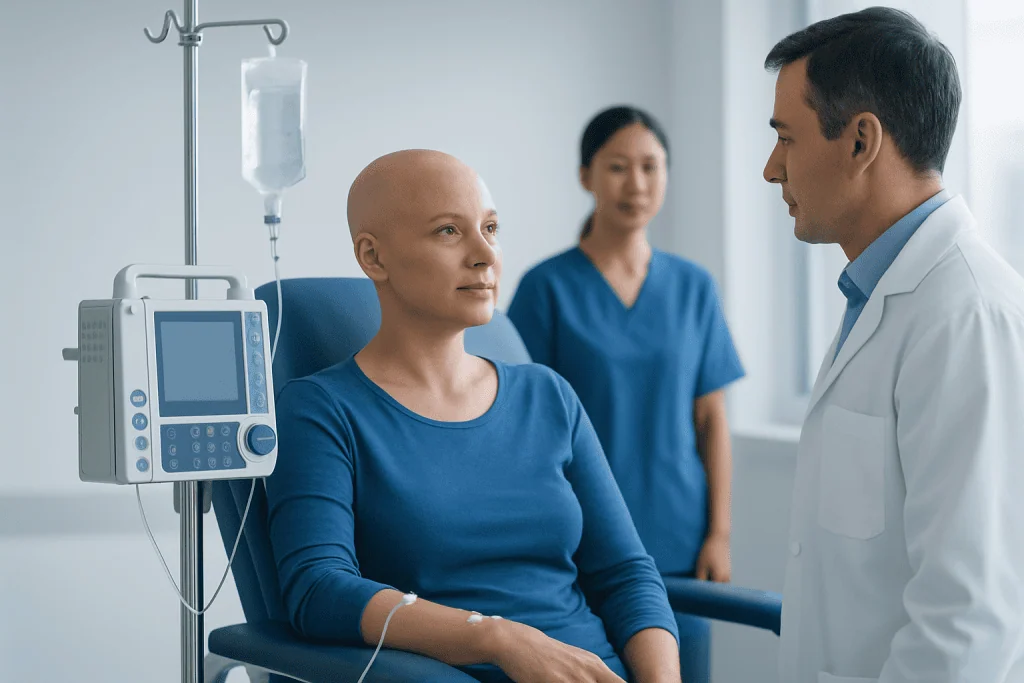
Before treatment begins, the team confirms the diagnosis and treatment plan, reviews consent, checks laboratory results and discusses side-effect management. Depending on the medicine, treatment may be given as an infusion into a vein, an injection under the skin, tablets or capsules taken at home, or occasionally through another route. Intravenous treatment may be administered through a temporary intravenous line or a surgically placed central venous access device.
Treatment is commonly organised in cycles. A cycle includes a period of treatment followed by time for the body to recover, although schedules vary considerably between medicines and cancer types. An infusion appointment may include a clinical assessment, blood tests, medicines to help prevent nausea or infusion reactions, and observation during or after treatment when needed.
At-home oral treatments require careful adherence. Patients should take medicines exactly as prescribed, avoid changing the dose without clinical advice, and tell the team about all prescription medicines, supplements and herbal products. Some interactions can change how a cancer medicine works or increase side effects.
Throughout treatment, oncology teams monitor symptoms, physical examination findings, blood counts and organ function. Scans or other tests are performed at planned intervals. A scan result is only one part of the assessment; symptoms, blood tests and the overall treatment goal also matter when deciding whether to continue, adjust or change therapy.
What is the most commonly used systemic therapy in cancer patients?
Chemotherapy has historically been the most widely used systemic therapy across many cancer types and remains an important treatment today. It may be used alone or combined with surgery, radiation therapy, immunotherapy, targeted therapy or hormone therapy. However, the most commonly used option for an individual patient depends strongly on the type of cancer and its biology.
For example, hormone therapy is central to treatment for many hormone receptor-positive breast and prostate cancers. Targeted therapies may be preferred when tumour testing identifies an actionable gene change or protein. Immunotherapy is used for selected cancers when clinical and laboratory features suggest it may be beneficial.
Modern cancer care is increasingly personalised rather than based on one medicine class for all patients. The medical oncologist explains why a particular treatment is being recommended and whether molecular testing or additional pathology review could influence the plan.
Benefits, risks and disadvantages of systemic therapy
The possible benefits of systemic therapy include reducing the size of a tumour, treating cancer cells that may have travelled elsewhere in the body, lowering recurrence risk after local treatment, prolonging disease control and easing symptoms caused by cancer. The expected benefit varies, and the team should explain it in the context of the individual diagnosis.
What are the disadvantages of systemic therapy? Because these medicines circulate throughout the body, they can affect healthy tissues as well as cancer cells. Possible side effects include fatigue, nausea, diarrhoea or constipation, mouth soreness, skin or nail changes, hair thinning or loss with some chemotherapy medicines, numbness or tingling, and changes in blood counts. Certain treatments can also affect the heart, lungs, liver, kidneys, thyroid or reproductive health, depending on the drug.
Immunotherapy can cause inflammation when an activated immune system affects healthy organs. Targeted therapies have their own pattern of effects, which may include skin reactions, high blood pressure, diarrhoea or laboratory changes. Not everyone experiences the same effects, and many can be reduced through preventive medicines, early reporting and treatment adjustments.
There are also practical and emotional disadvantages. Appointments, blood tests, travel, time away from work or family roles, uncertainty and financial or logistical concerns can be demanding. Supportive care, including symptom control, nutrition guidance, emotional support and rehabilitation, is an important part of cancer treatment from the beginning.
Recovery timeline, monitoring and self-care
Recovery during systemic therapy is not the same for everyone. Some people feel relatively well between cycles, while others need more time to regain energy. Side effects may begin during treatment, appear several days later or accumulate gradually. The recovery period after the final cycle can range from weeks to months, depending on the medicines received, treatment duration and a person’s baseline health.
Fatigue is common and may persist after treatment ends. Gentle activity as tolerated, regular rest, adequate fluids and balanced meals can support recovery. It is usually helpful to set realistic goals and accept practical help from family or friends. The oncology team can advise on safe activity, nutrition and return-to-work planning.
Patients should not assume that new or worsening symptoms are an unavoidable part of treatment. The care team may be able to offer anti-sickness medicines, pain management, treatments for bowel changes, skin care or adjustments to the treatment schedule. Vaccination advice, infection precautions and food-safety recommendations should be individualised, especially when blood counts are low.
After treatment, follow-up appointments may include physical examinations, imaging, laboratory tests and discussions about longer-term effects. The schedule varies by cancer type and treatment intent. Survivorship care also addresses emotional wellbeing, fertility or sexual health concerns, bone health and strategies for returning to daily routines.
What is the 62 day rule for cancer?
The 62 day rule is a United Kingdom National Health Service waiting-time standard. It refers to the aim for patients urgently referred with suspected cancer to start their first definitive cancer treatment within 62 days of the referral. It is a health-system performance target, not a medical rule that determines how quickly every person’s cancer will grow or how urgent each treatment decision must be.
Diagnostic steps sometimes take time because imaging, biopsies, pathology review, molecular testing and multidisciplinary planning are needed to choose the safest and most effective treatment. In many situations, these steps are clinically important rather than unnecessary delays.
Anyone concerned about the timing of cancer investigations or treatment should ask their clinical team what is planned next, why each step is needed and whether there are symptoms that should prompt urgent contact. Care pathways and waiting-time policies differ between countries and healthcare systems.
When to seek medical care
People receiving systemic therapy should contact their oncology team promptly for a fever or feeling suddenly unwell, chills, shortness of breath, chest pain, unusual bleeding or bruising, severe or persistent vomiting or diarrhoea, confusion, severe weakness, a new widespread rash, or pain and swelling around an infusion site. The team will provide specific contact instructions, including out-of-hours numbers, because some symptoms need urgent assessment.
It is also important to report side effects that are gradually worsening, even if they do not feel urgent. Early communication can prevent dehydration, infection, nutritional problems or treatment interruptions. Patients should not wait until the next scheduled appointment when they are concerned.
What do oncologists not tell you? A trustworthy oncology team should aim to discuss the benefits, uncertainties, side effects, alternatives and practical demands of treatment openly. However, appointments can be information-heavy, and individual concerns may not arise unless patients ask. It can help to bring written questions, take notes, invite a trusted support person where appropriate, and ask directly about prognosis, quality of life, fertility, work, sexual health, supportive care and what to expect if treatment does not work as hoped.
Acibadem International’s multidisciplinary specialists and JCI-accredited hospitals diagnose and treat cancer for international patients, with treatment plans developed around the individual diagnosis and clinical needs.
Frequently asked questions
Is systemic therapy the same as chemotherapy?
No. Chemotherapy is one type of systemic therapy, but systemic treatment also includes immunotherapy, targeted therapy and hormone therapy. These treatments work in different ways and are selected according to the cancer and the person’s clinical situation.
Can systemic therapy cure cancer?
In some settings, systemic therapy is used with curative intent, often alongside surgery or radiation therapy. In other situations, particularly when cancer has spread, the aim may be to control cancer growth, extend disease control or relieve symptoms. The treatment goal should be discussed clearly with the oncology team.
How do doctors know whether systemic therapy is working?
Doctors use a combination of symptoms, physical examinations, blood tests, tumour markers when appropriate, and scans. The timing of assessment depends on the treatment and cancer type. A change in treatment may be considered if tests show cancer growth, side effects are unacceptable or a better option becomes available.
Will all patients lose their hair during systemic therapy?
No. Hair loss is associated with some chemotherapy medicines but not with all systemic therapies. Targeted therapy, immunotherapy and hormone therapy may cause different hair or skin changes. The oncology team can explain the likely effects of a specific treatment before it starts.
Can a person work while receiving systemic therapy?
Some people continue working during treatment, sometimes with adjustments to hours or duties, while others need time away. This depends on the treatment schedule, side effects, type of work and personal circumstances. Discussing workplace needs early with the care team can help with planning.
Should vitamins or herbal supplements be taken during cancer treatment?
Patients should check with their oncology team before starting any vitamin, supplement or herbal product. Some products can interact with cancer medicines, affect bleeding risk or alter liver metabolism. A dietitian or pharmacist may provide individual guidance when needed.
References
- National Cancer Institute
- American Cancer Society
- European Society for Medical Oncology
- National Health Service
- World Health Organization
This article is for general information only and is not a substitute for professional medical advice. Please consult a qualified doctor about your individual situation.
Oncology care in Turkey — second opinion and treatment plan
JCI-accredited · board-certified surgeons · reply within 24h
Add us as a Preferred Source to see more of our trusted health content across Google Search, AI Overviews and Discover.

More from the Health Library



Related Specialists

Assoc. Prof. Dr. Fahrettin Kılıç (m)
Radiology
Assoc. Prof. Dr. Mustafa Kaplangöray
Cardiology
Assoc. Prof. Dr. Emrah Erdal
Cardiology
Dr. Sabuha Kara
Emergency Service