

Teen Bipolar Disorder Treatment: How It Works, Results and What to Expect

A careful specialist assessment is important because bipolar symptoms can overlap with other mental health and medical conditions. Treatment commonly includes medication, psychotherapy, family involvement and practical routines that support sleep and stability.
Key Takeaways
- A careful specialist assessment is important because bipolar symptoms can overlap with other mental health and medical conditions.
- Treatment commonly includes medication, psychotherapy, family involvement and practical routines that support sleep and stability.
- Improvement is usually gradual, and treatment plans often need adjustment as symptoms, side effects and life circumstances change.
- Parents and caregivers play an important role in monitoring changes, supporting appointments and creating a calm response plan.
- Urgent help is needed if a teenager has thoughts of self-harm, suicidal thoughts, severe agitation, psychosis or unsafe behaviour.
Teen bipolar disorder treatment is individualized care that usually combines mood-stabilizing medication, psychotherapy, family education and regular follow-up. The aim is not to change a young person’s personality, but to reduce episodes of mania, hypomania and depression while supporting safety, school, relationships and healthy development.
How teen bipolar disorder treatment works
Teen bipolar disorder treatment works by helping to stabilize significant shifts in mood, energy, activity and thinking. Care is usually delivered by a child and adolescent psychiatrist or another qualified mental health professional, working with the teenager, parents or caregivers, school supports and, when needed, other medical specialists. Treatment is tailored because bipolar disorder can look different from one young person to another.
Bipolar disorder involves episodes of depression and episodes of mania or hypomania. During mania, a teenager may have unusually high or irritable mood, much less need for sleep, rapid speech, racing thoughts, increased activity, impulsive decisions or risky behaviour. Depression may bring persistent low mood, loss of interest, fatigue, hopelessness, sleep changes and difficulty functioning. The treatment plan aims to reduce the frequency, severity and impact of these episodes and to help the family recognize early warning signs.
Most teenagers benefit from a combined approach rather than a single intervention. This may include medication to help stabilize mood, structured psychotherapy, education about the condition, family support, consistent daily routines and a written plan for responding to worsening symptoms. Progress is monitored over time, since treatment often requires thoughtful adjustments rather than producing immediate results.
Assessment and candidacy for treatment
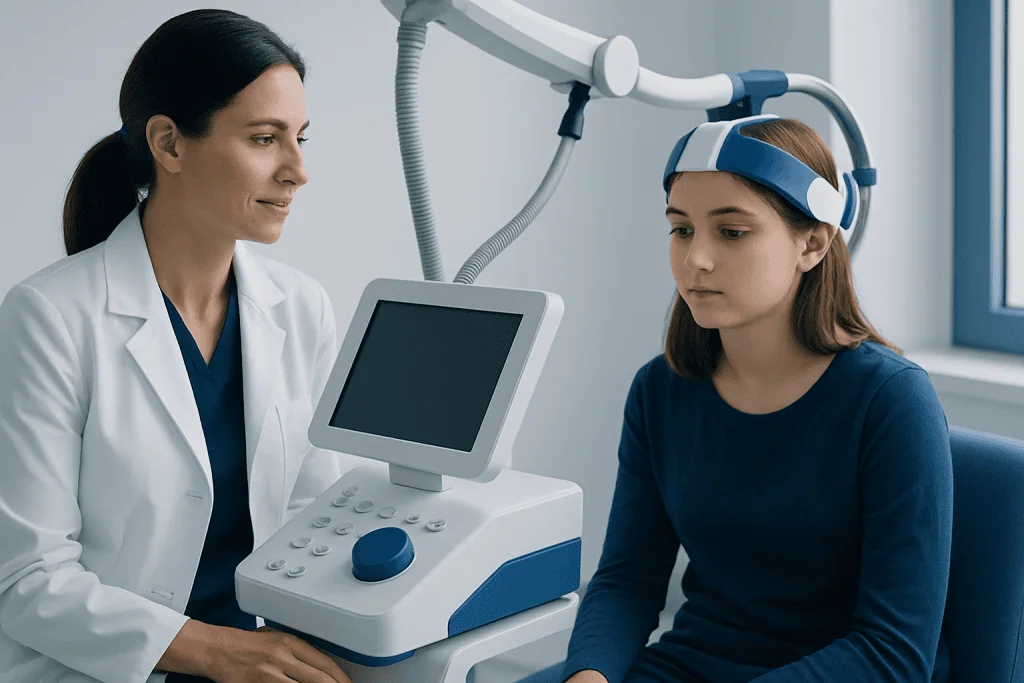
Any teenager with suspected bipolar disorder should receive a thorough assessment before treatment begins. Clinicians ask about mood episodes, sleep, energy, behaviour, school performance, relationships, substance use, physical health, medicines and family mental health history. They also speak with parents or caregivers and may request information from school, with appropriate consent.
Diagnosis can take time because symptoms may overlap with depression, anxiety disorders, attention-deficit/hyperactivity disorder, trauma-related conditions, substance use, autism spectrum differences or typical adolescent changes. A clinician also considers whether a medical condition or medication could be contributing to mood symptoms. This careful process helps avoid treating only one symptom while missing the wider pattern.
Treatment is appropriate when symptoms or episodes suggest bipolar disorder or when a specialist identifies a high level of concern requiring close monitoring. The plan is based on the teenager’s current symptoms, previous episodes, safety needs, physical health, preferences and family circumstances. Hospital-based care may be considered when symptoms are severe, when there is a major safety concern or when outpatient support is not sufficient.
What happens step by step during treatment

Care usually begins with a detailed evaluation and a conversation about goals. The clinical team explains the working diagnosis, discusses possible treatments and agrees on a safety plan. For many families, an early priority is improving sleep, reducing immediate risks and creating predictable support at home and school.
Medication may be recommended for acute mania, bipolar depression or prevention of future episodes. Depending on the clinical situation, a psychiatrist may consider mood stabilizers or certain antipsychotic medicines. The choice depends on symptoms, age, medical history, possible side effects and previous response to treatment. Antidepressants require particular caution in bipolar disorder because, for some people, they can contribute to mood elevation or instability if not used within an appropriate specialist-led plan.
Psychotherapy is an important part of care. Approaches may help the teenager understand mood patterns, develop coping skills, manage stress, improve communication and follow treatment consistently. Family-focused therapy, cognitive behavioural approaches, psychoeducation and interpersonal and social rhythm therapy may be used. Parents and caregivers often receive guidance on how to respond to symptoms without blame or conflict.
Follow-up appointments are usually more frequent early in treatment or after a medication change. At these visits, the clinician reviews mood, sleep, functioning, side effects, physical measurements when relevant and safety. A mood and sleep diary can make patterns easier to identify and can guide adjustments to the plan.
Benefits, limitations and possible risks
With consistent, individualized care, many teenagers experience fewer or less severe mood episodes and improved sleep, concentration, relationships and participation in school or activities. Treatment can also help families understand that concerning behaviours may be symptoms of illness rather than intentional defiance. Early support may reduce disruption and help a young person build skills for long-term self-management.
Results vary. Some young people improve within weeks, while others need longer-term monitoring and several treatment adjustments. Even when symptoms are well controlled, continued follow-up is often needed because adolescence brings changes in sleep, stress, hormones, school demands and social life that can affect mood stability.
All medicines can have side effects, and the risks depend on the specific medicine. Possible concerns can include changes in appetite or weight, tiredness, dizziness, stomach symptoms, movement-related symptoms or changes that require blood testing. A prescribing clinician should explain expected effects, warning signs and monitoring needs. Teenagers and families should not stop or change psychiatric medication suddenly without medical guidance, unless emergency services advise otherwise.
Psychotherapy can sometimes bring up difficult feelings while a teenager learns to discuss distressing experiences. This is usually managed through a paced, supportive therapeutic relationship. Open communication about worries, side effects and treatment preferences helps the team make care safer and more effective.
Recovery timeline and everyday support
Recovery from an episode is often gradual rather than linear. Acute symptoms may begin to settle after treatment starts, but returning to regular sleep, school attendance, confidence and social routines can take additional time. The team may recommend a phased return to demanding activities, particularly after a severe episode or hospital admission.
Stable daily rhythms can be highly protective. A regular sleep and wake schedule, consistent meals, planned activity, manageable school expectations and reduced late-night screen use may support mood stability. Alcohol, recreational drugs and stimulant misuse can worsen symptoms or interfere with treatment, so avoiding them is an important part of care.
Families can prepare a practical relapse-prevention plan. It may list early warning signs, such as sleeping less, becoming unusually driven or withdrawn, speaking more quickly, missing medicines or becoming increasingly irritable. It should also identify who to contact, how to reduce stressors and what immediate steps are needed if safety concerns develop.
Acibadem International’s multidisciplinary specialists and JCI-accredited hospitals support assessment and treatment planning for international patients with complex mental health needs. The most suitable care pathway should always be determined through an individual clinical evaluation.
When to seek medical care
A parent, caregiver or teenager should arrange a prompt mental health assessment if there are persistent periods of very low mood, marked irritability, unusually high energy, decreased need for sleep, impulsive behaviour, major changes in functioning or a family history of bipolar disorder alongside concerning symptoms. Early assessment is useful even when the symptoms are not clearly bipolar disorder, because other treatable conditions may be present.
Urgent medical help is needed if a teenager talks about wanting to die or harm themselves, has made a suicide plan, has harmed themselves, seems unable to stay safe, hears or sees things others do not, becomes severely agitated or confused, or behaves in a way that creates immediate danger. In these situations, caregivers should contact local emergency services, go to the nearest emergency department or use an available local crisis service.
Caregivers should take changes seriously without assuming that every mood change is bipolar disorder. A calm, non-judgmental conversation, removal of immediate hazards where possible and rapid contact with qualified professionals can help protect the teenager while a fuller assessment is arranged.
Living well with bipolar disorder: common questions
Is bipolar disorder hard to live with? Bipolar disorder can be challenging because symptoms may affect sleep, emotions, judgement, school, work and relationships. However, it is a manageable long-term condition for many people. A reliable treatment plan, supportive relationships, regular routines and early action when symptoms change can make daily life more predictable.
What are some positive traits that people with bipolar disorder can have? Bipolar disorder does not define a person’s character, abilities or value. People with the condition may be creative, thoughtful, energetic, resilient, empathetic or highly motivated, just as people without the condition may have these traits. It is important not to romanticize mood episodes, since mania and depression can be distressing and harmful, but strengths can be recognized and supported alongside treatment.
Can bipolar people be successful? Yes. Many people with bipolar disorder pursue meaningful education, relationships, careers, creative work and personal goals. Success looks different for each person, and it is often supported by appropriate medical care, practical accommodations when needed, healthy routines and a plan for responding early to returning symptoms.
What are some tips and tricks for managing bipolar disorder? Helpful strategies include taking medication exactly as prescribed, attending follow-up appointments, protecting regular sleep, tracking mood changes, avoiding alcohol and recreational drugs, planning for stress and involving trusted adults or friends in a support plan. Teenagers should also be encouraged to speak up about side effects, worsening symptoms or difficulty following a plan, as these are clinical issues that can be addressed rather than personal failures.
Frequently asked questions
Can bipolar disorder be diagnosed in teenagers?
Yes, bipolar disorder can be diagnosed during adolescence, but assessment should be comprehensive and completed by an appropriately qualified mental health professional. Symptoms may overlap with other conditions and normal developmental changes, so information from the teenager, caregivers and sometimes school is helpful.
What is the first-line treatment for teen bipolar disorder?
There is no single first treatment that is right for every teenager. Specialist-led care commonly combines medication for mood symptoms with psychotherapy, family education, safety planning and support for regular sleep and daily routines.
How long does treatment for bipolar disorder last?
Bipolar disorder is usually managed over the long term because symptoms can return after periods of stability. The intensity of treatment may change over time, but regular follow-up can help prevent relapse and address new concerns early.
Can therapy alone treat bipolar disorder in a teenager?
Therapy is valuable for coping skills, family communication, routine-building and recognizing early warning signs. However, for many teenagers with bipolar disorder, medication is also an important part of treatment, particularly during significant manic, hypomanic or depressive episodes.
Should parents monitor a teenager's medication?
Parents or caregivers often help teenagers remember medicines, observe changes and communicate with the clinical team, especially early in treatment. The approach should respect the young person’s growing independence while maintaining safety and following the prescriber’s advice.
What should a family do during a possible manic episode?
Families should remain calm, reduce stimulation where possible and contact the teenager’s treating clinician promptly for guidance. If there is unsafe behaviour, severe agitation, psychosis, suicidal thoughts or inability to stay safe, emergency care should be sought immediately.
References
- National Institute of Mental Health
- American Academy of Child and Adolescent Psychiatry
- National Institute for Health and Care Excellence
- World Health Organization
- American Psychiatric Association
This article is for general information only and is not a substitute for professional medical advice. Please consult a qualified doctor about your individual situation.
Bipolar Disorder in Turkey — costs, top hospitals & a free quote
JCI-accredited · board-certified surgeons · reply within 24h
Add us as a Preferred Source to see more of our trusted health content across Google Search, AI Overviews and Discover.

More from the Health Library



Related Specialists

Prof. Dr. Mustafa Herdem
Orthopedic Surgery & Traumatology
Fzt. Melis Eda Erkanlı
Physical Medicine & Rehabilitation
Dr. İpek Betül Özçivit Erkan
Gynecology & Obstetrics
Dr. Ünzüle Akpınar Sürenoğlu
Otorhinolaryngology