Telehealth: An Evidence-Based Guide for Patients
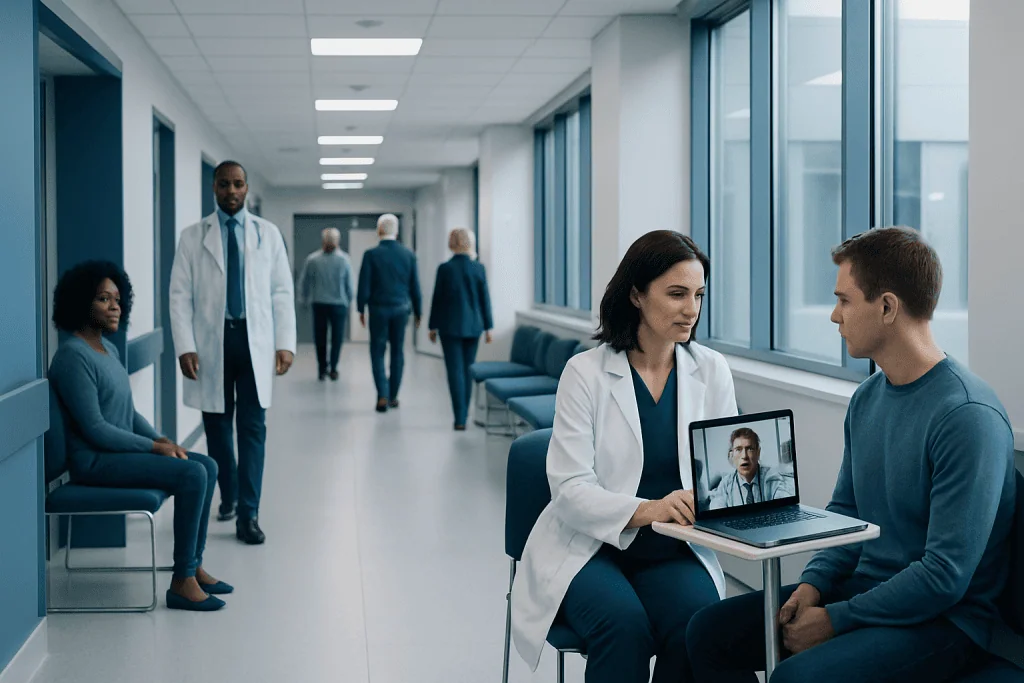
Telehealth includes video visits, phone calls, remote monitoring, and secure online messaging with clinicians. It works well for many non-emergency needs, including follow-up care, medication review, and some chronic disease management.
Key Takeaways
- Telehealth includes video visits, phone calls, remote monitoring, and secure online messaging with clinicians.
- It works well for many non-emergency needs, including follow-up care, medication review, and some chronic disease management.
- Some problems still require in-person assessment, testing, imaging, or urgent treatment.
- Patients can improve the quality of a telehealth visit by preparing symptoms, medications, questions, and a private space.
- Telehealth should be used through trusted healthcare providers and secure platforms that protect personal health information.
Telehealth is a way to receive healthcare remotely using phone, video, or secure messaging. For many routine and follow-up needs, telehealth can be safe, effective, and convenient, but it does not replace emergency care or every in-person examination.
What telehealth is and how it helps patients
Telehealth is healthcare delivered remotely through technology such as video calls, telephone visits, secure patient portals, and home monitoring devices. It allows patients to speak with a qualified clinician without traveling to a clinic or hospital. In practice, telehealth may be used for new concerns, follow-up appointments, medication management, preventive advice, review of test results, mental health support, and some aspects of chronic disease care.
For patients, the main value of telehealth is access. It can reduce travel time, make follow-up easier, and help people connect with specialists when distance, mobility, work, childcare, or mild illness make in-person visits difficult. It may also support continuity of care, because patients can check in sooner after a diagnosis, procedure, or treatment change.
Telehealth is not a separate kind of medicine. It is a different way of delivering medical care, and the same principles still apply: careful history-taking, appropriate examination when possible, evidence-based decision-making, privacy protection, and clear follow-up plans. A good telehealth visit should leave the patient understanding what is known, what is uncertain, and what happens next.
Types of telehealth visits and when they are commonly used
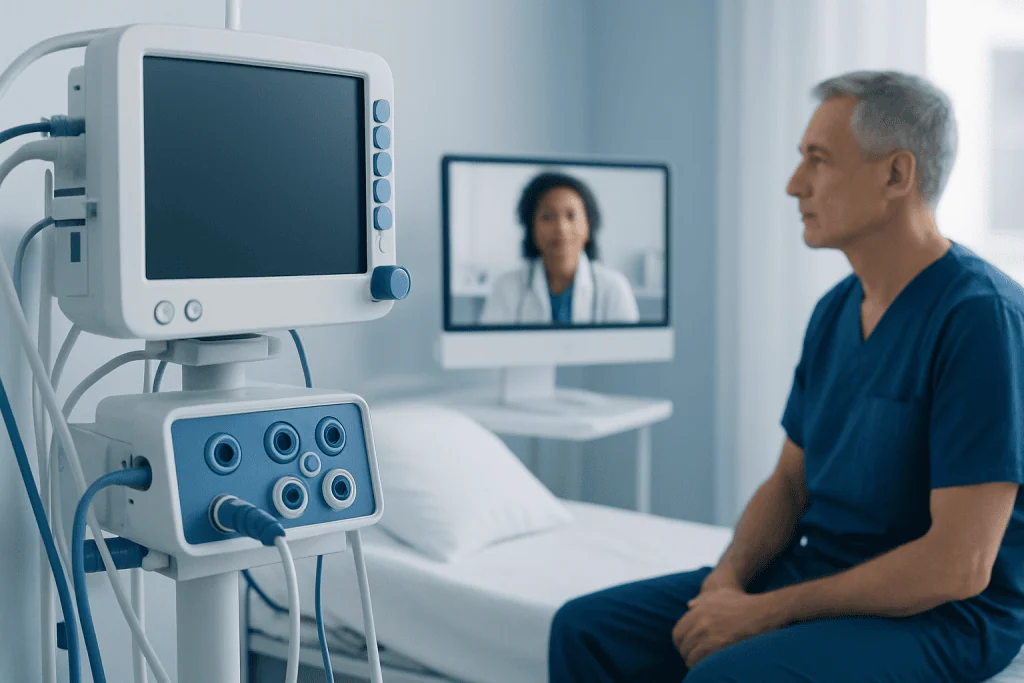
Telehealth is broader than a video call. Common forms include live video appointments, telephone consultations, secure messages through a patient portal, and remote patient monitoring. Monitoring may involve home devices that measure blood pressure, blood glucose, oxygen level, weight, or heart rhythm and share the information with the care team.
Many health issues are well suited to telehealth. These include medication reviews, discussions about symptoms that do not suggest an emergency, follow-up after a hospital stay or procedure, review of imaging or lab results, nutritional counseling, mental health care, sleep concerns, and management of ongoing conditions such as hypertension or diabetes. Some rehabilitation and postoperative check-ins may also be appropriate in selected cases.
Telehealth can also be helpful for triage. A clinician may be able to determine whether home care is reasonable, whether an in-person visit is needed soon, or whether the patient should go directly to urgent care or the emergency department. For example, a remote consultation may be part of ongoing support for conditions such as diabetes or high blood pressure, while more advanced evaluation can be arranged if symptoms change.
- Video visit: useful when visual assessment matters, such as skin changes, swelling, or movement.
- Phone visit: helpful when internet access is limited or the issue is straightforward.
- Secure messaging: best for brief follow-up questions, prescription clarifications, or sharing updates.
- Remote monitoring: often used for chronic condition management and recovery follow-up.
What telehealth can and cannot do
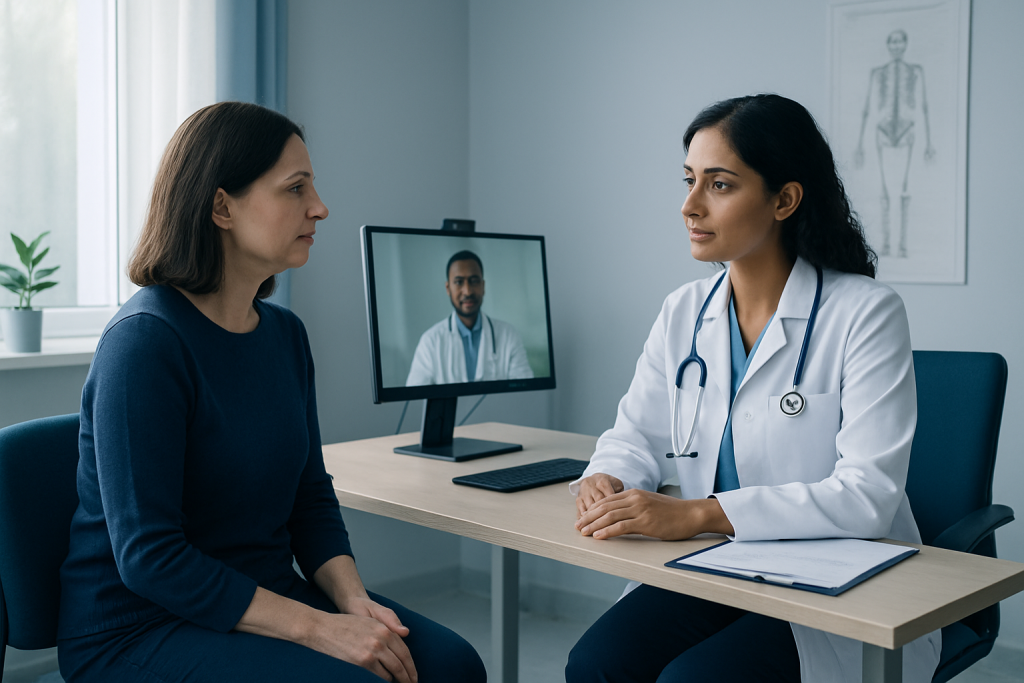
Evidence shows that telehealth can provide safe, effective care for many common outpatient needs when the right patient, problem, and setting are matched. It is especially useful when diagnosis depends mainly on history, visible findings, review of data, or counseling. Patients with stable long-term conditions may benefit from easier follow-up, more frequent check-ins, and better monitoring between visits.
However, telehealth has clear limits. Some diagnoses depend on a physical examination that cannot be done reliably through a screen or phone. A clinician may need to listen to the heart or lungs, examine the abdomen, test reflexes, check the eyes, or perform a procedure. Imaging, blood tests, and hands-on examination may be essential to confirm a diagnosis or rule out a serious problem.
Telehealth should not delay urgent or emergency treatment. Sudden chest pain, severe shortness of breath, new weakness on one side, major injury, heavy bleeding, severe allergic reactions, seizures, or loss of consciousness require immediate in-person care. In these situations, remote advice may be too limited and time-sensitive treatment is more important than convenience.
It is also important to understand that a telehealth clinician may recommend an in-person appointment even after a detailed remote assessment. This does not mean the telehealth visit failed. Rather, it means the remote consultation helped identify what level of care is safest and most appropriate.
How to prepare for a telehealth appointment
Patients can often make a telehealth visit more useful by preparing a few practical details in advance. A quiet, private room with good lighting and a stable internet or phone connection can improve communication. If possible, the device camera should be positioned at eye level, and the patient should keep any relevant home equipment nearby, such as a thermometer, blood pressure monitor, pulse oximeter, scale, or glucose meter.
Before the appointment, it helps to write down symptoms, when they started, what makes them better or worse, and any associated concerns such as fever, pain, rash, dizziness, breathing difficulty, or changes in appetite. A current medication list, including supplements and allergies, should be ready. If the visit is about a chronic condition, recent home readings can be especially valuable.
Patients may also wish to prepare photographs or records if the clinician has requested them, such as images of a skin change, a wound, or swelling. During the appointment, it is reasonable to ask what the likely diagnosis is, what warning signs to watch for, whether tests are needed, and when an in-person visit would be recommended. If a language interpreter is needed, this should be arranged beforehand whenever possible.
- Test the app, camera, microphone, and login details before the visit.
- Keep identification, insurance details if relevant, and pharmacy information available.
- Sit somewhere confidential, especially for sensitive health discussions.
- Have a family member or caregiver join if support is needed and the patient agrees.
Safety, privacy, and quality in telehealth care
Safe telehealth depends on both clinical quality and information security. Patients should use recognized healthcare providers, official hospital systems, or secure patient portals rather than unverified websites or social media messaging. A trustworthy service should identify the clinician clearly, explain the purpose of the visit, obtain consent as needed, and document the consultation in a medical record.
Privacy matters because telehealth often involves discussing personal symptoms, medications, and test results. Patients should try to join from a private location and avoid public Wi-Fi when possible. Headphones may help protect confidentiality. Clinicians and hospitals should use secure systems designed for healthcare communication and follow applicable privacy standards.
Quality telehealth also includes clear instructions for follow-up. The patient should know whether treatment is starting, what side effects or warning signs to monitor, and how to get help if symptoms worsen. If additional evaluation is needed, the clinician may arrange laboratory testing, imaging, or referral for in-person assessment such as MRI scanning or a structured check-up depending on the concern.
Telehealth may be especially useful when coordinated within a larger health system, because remote clinicians can review records, compare prior results, and arrange next steps more smoothly. Near the end of a care journey, some patients also benefit from blended care, with telehealth for follow-up and in-person services when physical examination or procedures are necessary. Acibadem International’s multidisciplinary specialists and JCI-accredited hospitals provide both remote consultation and in-person diagnosis and treatment for international patients when appropriate.
Telehealth for ongoing conditions, mental health, and follow-up care
One of telehealth’s strongest roles is in ongoing care rather than one-time urgent assessment. Patients living with long-term conditions often need regular review of symptoms, medications, and home measurements. Telehealth can support this by making follow-up more convenient and helping clinicians respond earlier when a pattern changes.
Examples include blood pressure management, diabetes review, headache follow-up, sleep-related concerns, nutritional counseling, and postoperative check-ins. Telehealth may also help patients understand whether a worsening symptom suggests a flare, a medication side effect, or a separate issue that requires examination. In some cases, follow-up after procedures can be combined with remote review and selective testing such as ultrasound or blood work arranged locally.
Mental health care is another area where telehealth can be highly valuable. Counseling, psychiatric follow-up, and behavioral support are often well suited to secure video or phone visits, provided privacy can be maintained and the patient is not in immediate crisis. Some patients find it easier to speak openly from home, while others may prefer in-person sessions; both approaches can be appropriate.
Even when telehealth is effective, it works best as part of a continuous care plan. The patient should know which clinician is responsible for ongoing management, how prescriptions will be renewed, and when periodic in-person review is needed. For patients with multiple symptoms or complex findings, telehealth may be the first step before more detailed evaluation, including neurological rehabilitation or specialist review if function, balance, or recovery are concerns.
When to seek medical care in person
Telehealth is not appropriate for every situation. Patients should seek urgent in-person care or emergency help for symptoms that may indicate a serious or rapidly worsening problem. These include chest pain, sudden trouble breathing, severe dehydration, confusion, fainting, seizures, major injuries, uncontrolled bleeding, severe burns, new weakness or numbness, or signs of stroke such as facial drooping or trouble speaking.
In-person care is also important when a problem needs hands-on examination, a procedure, or immediate testing. Persistent abdominal pain, a new lump, worsening infection, severe ear pain, eye pain with vision change, or high fever in a vulnerable person may need direct assessment. Infants, frail older adults, pregnant patients with concerning symptoms, and people with weakened immune systems may need a lower threshold for face-to-face medical review.
Patients should also arrange in-person follow-up if symptoms are not improving as expected after a telehealth visit, if the diagnosis remains uncertain, or if the clinician recommends examination. Telehealth is most effective when used thoughtfully: it can expand access and convenience, but good care still depends on choosing the right setting for the medical problem.
Frequently asked questions
Is telehealth the same as telemedicine?
The terms are often used interchangeably, but telehealth is slightly broader. Telehealth can include clinical care, patient education, remote monitoring, and secure messaging, while telemedicine sometimes refers more specifically to remote diagnosis and treatment by clinicians.
Can a doctor diagnose a condition through telehealth?
Yes, in many cases a clinician can make an initial assessment or diagnosis through telehealth based on symptoms, history, visible findings, and home measurements. However, some conditions require an in-person examination, imaging, or laboratory tests before a diagnosis can be confirmed safely.
What conditions are usually suitable for telehealth?
Telehealth is often useful for follow-up visits, medication review, mental health support, chronic disease management, minor symptom discussions, and review of test results. Whether it is appropriate depends on the patient’s symptoms, age, medical history, and the need for examination or procedures.
What should a patient do if symptoms get worse after a telehealth visit?
The patient should follow the clinician’s instructions for worsening symptoms and seek in-person care if warning signs appear or recovery is not going as expected. Emergency symptoms such as chest pain, severe shortness of breath, stroke-like signs, or loss of consciousness require immediate emergency care.
Is telehealth private and secure?
It can be, when it is provided through a recognized healthcare service using secure systems. Patients can improve privacy by using a private room, avoiding public networks when possible, and confirming that they are communicating through the provider’s official platform.
Do patients need special equipment for telehealth?
Usually, a smartphone, tablet, or computer with internet access is enough for a video visit, and a telephone may be enough for some consultations. Depending on the reason for the visit, home devices such as a thermometer, blood pressure monitor, glucose meter, or pulse oximeter may make the appointment more informative.
References
- World Health Organization
- U.S. Centers for Disease Control and Prevention
- American Medical Association
- National Institutes of Health
- Agency for Healthcare Research and Quality
This article is for general information only and is not a substitute for professional medical advice. Please consult a qualified doctor about your individual situation.
Explore treatments in Turkey — costs, top hospitals & a free quote
JCI-accredited · board-certified surgeons · reply within 24h
Add us as a Preferred Source to see more of our trusted health content across Google Search, AI Overviews and Discover.
Check your numbers in seconds
BMI, calories, due date, blood pressure and 30+ more clinical calculators — free, instant, doctor-reviewed ranges.