Temperatura: An Evidence-Based Guide for Patients

Temperatura is not a single fixed number; normal body temperature varies by age, time of day, activity, and measurement method. Fever is usually a sign that the body is responding to infection or inflammation, but it can also have noninfectious causes.
Key Takeaways
- Temperatura is not a single fixed number; normal body temperature varies by age, time of day, activity, and measurement method.
- Fever is usually a sign that the body is responding to infection or inflammation, but it can also have noninfectious causes.
- A very low or very high temperatura can be serious, especially in infants, older adults, or people with chronic illness.
- Accurate temperature measurement matters; oral, ear, forehead, underarm, and rectal readings may differ.
- Medical care is important if fever lasts, returns repeatedly, or occurs with breathing trouble, confusion, dehydration, severe pain, or rash.
Temperatura means body temperature, a basic vital sign that helps show how the body is functioning. A person's temperatura can vary during the day and by how it is measured, but persistent fever, very low temperature, or concerning symptoms should be assessed by a doctor.
Overview: What temperatura means
Temperatura refers to body temperature, one of the most familiar signs used to assess health. It reflects the balance between the heat the body produces and the heat it loses. The brain, especially a region called the hypothalamus, helps regulate this process so the body can function properly.
Many people think there is one “normal” number, but body temperature naturally varies. It can change with age, menstrual cycle, physical activity, sleep, stress, meals, and the surrounding environment. It also differs depending on whether it is measured in the mouth, ear, forehead, underarm, or rectum.
For most adults, a healthy body temperature is usually around 37°C (98.6°F), but a normal range is broader than that. A mild rise does not always mean illness, and a normal reading does not always rule illness out. What matters most is the full clinical picture, including symptoms, medical history, and how the person feels overall.
What is a normal body temperature?
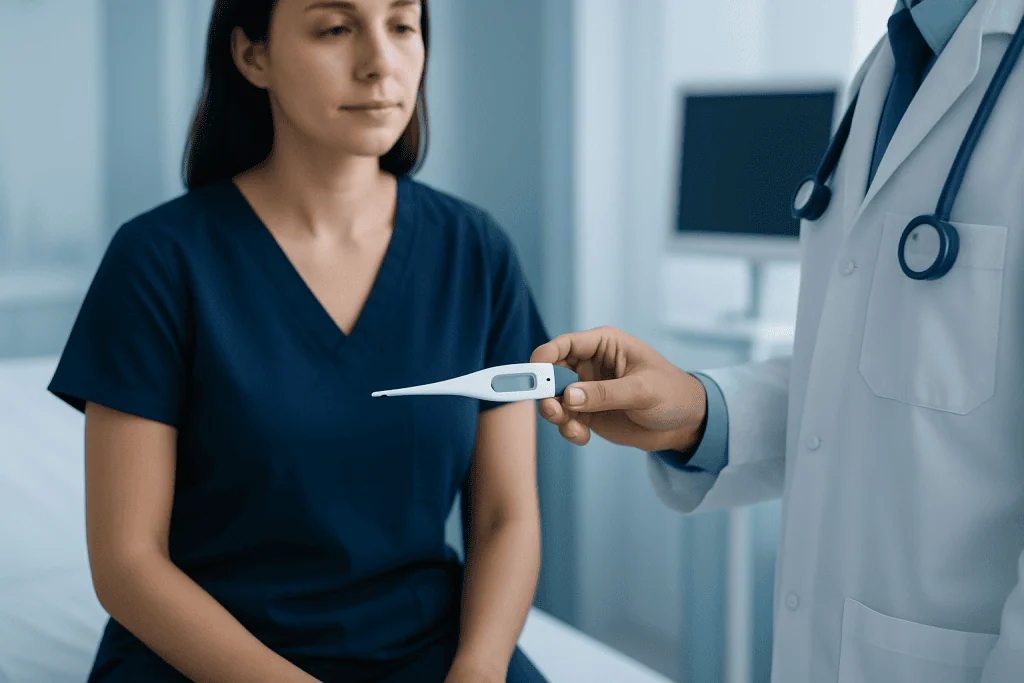
Normal temperatura is best understood as a range rather than a single point. In many adults, it commonly falls between about 36.1°C and 37.2°C (97°F to 99°F) when measured orally. Rectal readings tend to be slightly higher, while underarm readings are often a little lower.
Body temperature also changes through the day. It is usually lower in the early morning and a bit higher in the late afternoon or evening. Exercise, warm weather, heavy clothing, and recent hot or cold drinks can temporarily affect a reading. In children, temperature may rise more quickly during common infections.
Older adults may have a lower baseline temperatura, which means a significant infection can be present even without a high fever. In babies, especially newborns, temperature changes deserve extra care because their bodies do not regulate heat as efficiently as older children and adults.
- Oral: often used in older children and adults
- Rectal: generally the most accurate for infants
- Ear: quick and useful when done correctly
- Forehead/temporal: convenient, but technique matters
- Underarm: easy, but usually less precise
When temperatura is high or low

A raised temperatura is usually called a fever. In general, fever is a temporary increase in body temperature that often happens when the immune system responds to infection. Fever itself is not a disease; it is a sign that something may be affecting the body.
Common fever symptoms include feeling warm, sweating, chills, headache, tiredness, body aches, and reduced appetite. Some people may also have cough, sore throat, nasal symptoms, vomiting, diarrhea, or urinary discomfort depending on the cause. In young children, fever may simply appear as irritability, sleepiness, or poor feeding.
Low body temperature, called hypothermia when it drops significantly, can happen after cold exposure but may also be linked to infection, hormone problems, certain medications, poor circulation, or serious illness. Symptoms can include shivering, confusion, weakness, slow breathing, slurred speech, or unusual drowsiness. Very low or very high temperatura requires prompt medical attention.
Common causes and risk factors
Infections are the most common reason for a high temperatura. These include viral illnesses such as colds, influenza, or COVID-19, as well as bacterial infections affecting the throat, lungs, ears, skin, or urinary tract. Fever may also accompany stomach infections and childhood viral rashes.
Not every elevated temperature is caused by infection. Inflammatory or autoimmune conditions, heat exhaustion, some cancers, blood clots, medication reactions, and recent vaccinations can also raise body temperature. In some cases, the body may react to anesthesia, severe dehydration, or endocrine disorders. Conditions involving the thyroid or other hormonal systems can occasionally affect temperature regulation, although they are not the most common cause.
Certain people are more vulnerable to complications from temperature changes. These include infants, older adults, pregnant women, people with weakened immune systems, and those with chronic heart, lung, kidney, or neurological disease. Individuals with poor mobility or reduced awareness may be at higher risk during hot weather, cold exposure, or serious infection such as pneumonia.
How doctors evaluate an abnormal temperatura
Doctors begin with a careful history and physical examination. They ask how the temperature was measured, when symptoms began, whether fever comes and goes, and what other symptoms are present. Travel, sick contacts, medications, recent surgery, and underlying health conditions also help guide the evaluation.
In many cases, no extensive testing is needed, especially if symptoms suggest a short-lived viral infection. However, tests may be recommended if the person appears unwell, belongs to a high-risk group, or has fever without a clear source. Depending on the situation, this may include blood tests, urine tests, throat swabs, or imaging such as a chest X-ray.
The goal is not simply to lower temperatura, but to understand why it is abnormal. If a serious infection is suspected, a doctor may evaluate for complications such as dehydration, low oxygen, or spread of infection to the bloodstream. Persistent fever may sometimes need assessment by infectious disease, internal medicine, or other specialists.
Treatment and self-care
Treatment depends on the cause of the abnormal temperatura. If fever is due to a mild viral illness, rest, hydration, light clothing, and monitoring may be enough. Fever-reducing medicines can help comfort, but they do not treat the underlying cause. Antibiotics are only useful for bacterial infections and should be used only when prescribed.
People with suspected dehydration should increase fluid intake unless a doctor has advised fluid restriction. Lukewarm surroundings are usually more comfortable than heavy blankets or very cold baths, which can worsen shivering. It is also wise to avoid strenuous activity until the temperature and symptoms improve.
When the cause is more serious, treatment may include prescription medicines, intravenous fluids, oxygen support, or hospital observation. Diagnostic support such as a medical check-up or MRI may be used in selected cases when doctors need to investigate complications or another underlying condition. If a breathing-related infection is suspected, assessment by specialists in pulmonology care may be appropriate.
When to seek medical care
Most short-lived temperature changes improve without complications, but some situations need prompt medical advice. Medical care is important if a fever is high, lasts more than a few days, keeps returning, or occurs in someone who is frail, immunocompromised, or very young. The same is true if body temperature is unusually low without an obvious explanation.
Urgent evaluation is recommended for temperatura changes accompanied by difficulty breathing, chest pain, confusion, fainting, severe headache, stiff neck, a widespread rash, persistent vomiting, signs of dehydration, seizures, or worsening weakness. In infants under 3 months, any fever should be discussed with a doctor promptly.
If a person cannot keep fluids down, becomes less responsive, or seems significantly worse than expected for a common infection, emergency care may be needed. Near the end of the care pathway, some patients may benefit from multidisciplinary assessment; Acibadem International’s specialists in JCI-accredited hospitals diagnose and treat temperature-related illnesses for international patients when further evaluation is needed.
Frequently asked questions
Is 37°C always the normal temperatura?
No. While 37°C is a commonly cited average, normal body temperature varies from person to person and can change during the day. The method used to measure temperature also affects the number.
What temperature counts as a fever?
There is no single cut-off that fits every situation, because age and measurement method matter. In general, a clearly elevated reading above a person's usual range, especially with symptoms of illness, may be considered a fever and should be interpreted in context.
Why do I feel feverish even when my temperatura seems normal?
A person may feel chilled, flushed, or unwell before a fever fully develops or after it starts to come down. Stress, dehydration, hormonal changes, room temperature, and inaccurate measurement can also affect how someone feels compared with what the thermometer shows.
Can low body temperatura be dangerous?
Yes. A significantly low body temperature can be a medical emergency, especially if it causes confusion, shivering that becomes severe, sleepiness, or slow breathing. It can happen with cold exposure but also with serious infection, endocrine problems, or other illness.
How should temperature be measured accurately at home?
It is best to use a reliable digital thermometer and follow the device instructions carefully. Measuring in the same location each time, waiting after hot or cold drinks for oral checks, and positioning the thermometer correctly all improve accuracy.
Should every fever be treated with medicine?
Not always. Fever itself is part of the body's response to illness, and treatment is often aimed at improving comfort rather than simply normalizing the number. If symptoms are mild and the person is drinking fluids and resting well, close observation may be enough, but a doctor should advise if symptoms are concerning.
References
- World Health Organization
- Centers for Disease Control and Prevention
- American Academy of Pediatrics
- National Health Service
- Mayo Clinic
This article is for general information only and is not a substitute for professional medical advice. Please consult a qualified doctor about your individual situation.
Explore treatments in Turkey — costs, top hospitals & a free quote
JCI-accredited · board-certified surgeons · reply within 24h
Add us as a Preferred Source to see more of our trusted health content across Google Search, AI Overviews and Discover.

More from the Health Library

WBC White Blood: What Patients Need to Know

Blunt Trauma: What Patients Need to Know

Trisomy 23 — Explained by Medical Evidence, Not Myths

Distributive Shock: A Complete Medical Overview

Sleeping Pills: What Patients Need to Know