Temporary Tooth Cap: An Evidence-Based Guide for Patients
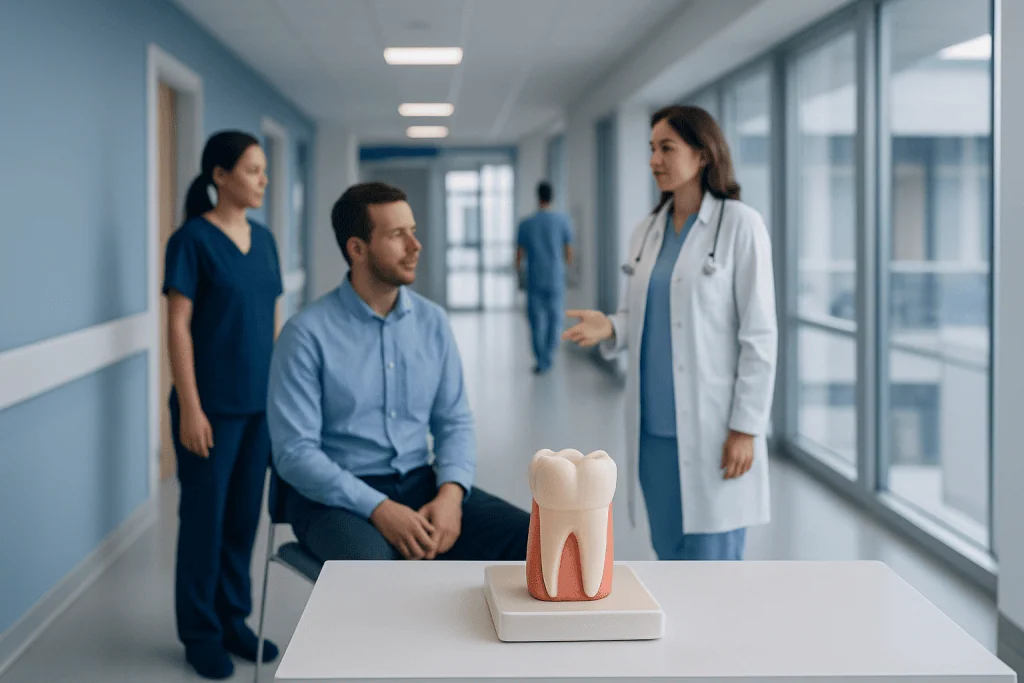
A temporary tooth cap, also called a temporary crown, protects a prepared tooth between dental visits. It is usually attached with temporary cement so the dentist can remove it safely at the next appointment.
Key Takeaways
- A temporary tooth cap, also called a temporary crown, protects a prepared tooth between dental visits.
- It is usually attached with temporary cement so the dentist can remove it safely at the next appointment.
- Avoid sticky, hard, and very chewy foods, and clean around the cap carefully to reduce the chance of loosening it.
- A cap that comes off, cracks, or causes persistent pain should be assessed by a dentist rather than repaired with household glue.
- Temporary caps are not permanent restorations and should be replaced with the planned final crown or other treatment on schedule.
A temporary tooth cap is a short-term covering placed over a tooth while a dental laboratory makes a permanent crown or another final restoration is planned. It helps protect the tooth, maintain its position, and support normal appearance and function, but it needs gentle care because it is not designed for long-term use.
What Is a Temporary Tooth Cap?
A temporary tooth cap is a protective shell fitted over a tooth for a limited period. Dentists often use the term temporary crown. It may be placed after a tooth has been shaped for a permanent crown, following root canal treatment, or while a damaged tooth is being assessed and a definitive restoration is prepared. The cap is commonly made from resin-based material, acrylic, or a preformed metal or plastic material.
Its role is practical and protective. A temporary cap covers exposed tooth surfaces, reduces sensitivity, helps the person chew more comfortably, and preserves the space and alignment needed for the final restoration. For front teeth, it can also support appearance and speech. It is typically secured with temporary cement, which is intentionally less strong than the cement used for a permanent crown.
A temporary cap should be regarded as a bridge between appointments, not as a durable long-term solution. The exact time it is worn varies with the treatment plan, the dental laboratory process, and the condition of the tooth. Keeping follow-up appointments is important because an uncovered or poorly fitting prepared tooth may become sensitive, shift slightly, fracture, or develop decay at its edges.
Why a Dentist May Place One
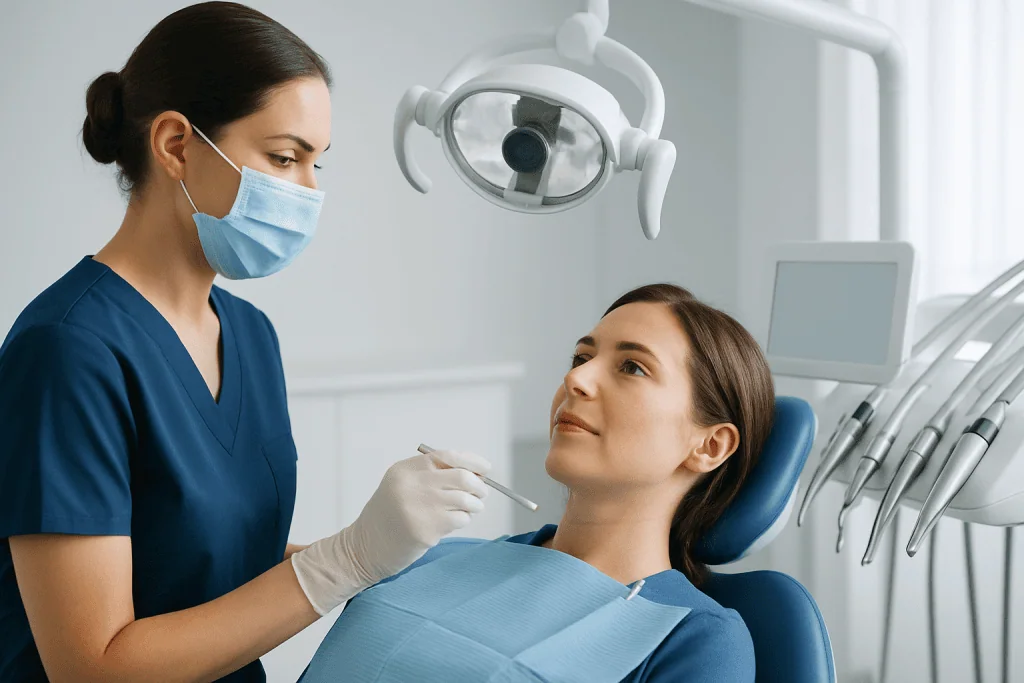
A dentist may recommend a temporary tooth cap when a tooth needs more coverage and strength than a filling can provide. This may happen when a tooth has a large cavity, an old restoration has failed, or a substantial portion of the tooth has cracked or broken. A cap may also be placed after a tooth is prepared for a crown so that the prepared surface remains protected until the permanent crown is ready.
Temporary crowns are also frequently used after root canal treatment, especially for back teeth that absorb strong chewing forces. Root canal treatment can leave a tooth more vulnerable to fracture when a large amount of natural structure is missing. The dentist will assess whether a crown is appropriate based on the tooth’s location, remaining structure, bite, and long-term outlook.
In some situations, a temporary cap is part of a staged plan. It can allow the dentist to check comfort, bite alignment, gum response, and appearance before the final crown is fitted. It may also be used while treating gum inflammation or planning care for more complex problems such as extensive tooth damage, tooth loss, or bite changes.
What to Expect During and After Placement
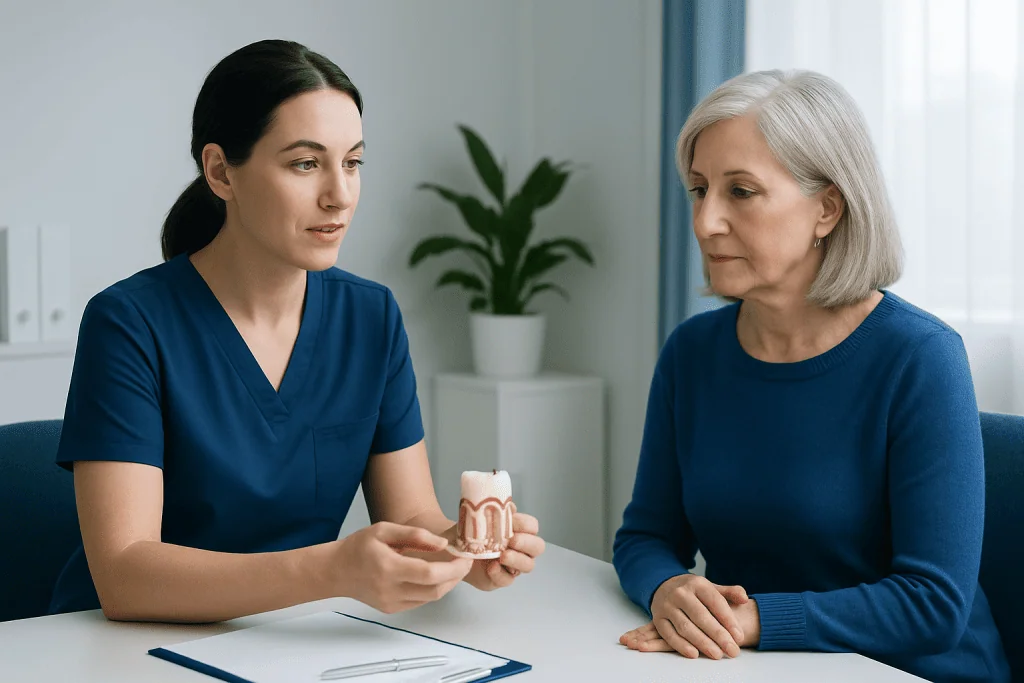
Before placing a temporary cap for a conventional crown, the dentist usually numbs the area and reshapes the tooth to create room for the final restoration. An impression or digital scan is then taken to guide the construction of the permanent crown. The temporary cap is shaped to fit over the prepared tooth and adjusted so it feels comfortable when biting together.
It is common to notice the cap with the tongue for a few days. Mild gum tenderness, temporary sensitivity to hot or cold temperatures, or slight discomfort after the anesthetic wears off can occur. These symptoms should generally improve rather than steadily worsen. The bite should feel balanced; a cap that feels too high can place excessive pressure on the tooth and jaw and should be adjusted by a dentist.
The temporary material may not match the color, translucency, or texture of a final ceramic crown exactly. It can also feel less smooth or less strong. This does not necessarily mean there is a problem. However, the cap should remain stable, cover the tooth fully, and allow the person to close their teeth normally without sharp pain or a persistent feeling that the bite is uneven.
How to Care for a Temporary Tooth Cap
Gentle daily care helps a temporary tooth cap remain in place. Brushing twice daily with a soft toothbrush and fluoride toothpaste is still important. The gumline around the cap should be cleaned carefully because plaque can collect where the cap meets the tooth. Good oral hygiene protects both the underlying tooth and the surrounding gums while the person waits for the permanent restoration.
It is sensible to avoid foods that may pull off or crack the cap. Sticky foods such as chewing gum, caramel, and toffee can dislodge temporary cement. Hard foods, including ice, hard candy, and unpopped popcorn kernels, can chip the material. Very chewy foods may also place strain on the cap. When possible, chewing on the opposite side of the mouth can reduce pressure, especially during the first day after placement.
Flossing may still be appropriate, but it should be done with care. Rather than lifting floss straight upward between teeth, the person can slide it out through the side after cleaning the contact area. This technique may lower the risk of catching the edge of a temporary cap. Individual instructions can differ, so the dentist’s advice should take priority, particularly when the cap is in a tight contact area or part of more extensive treatment.
- Choose softer foods if the tooth is tender.
- Do not use the capped tooth to open packaging or bite non-food objects.
- Limit very hot or cold foods if sensitivity is present.
- Wear a prescribed night guard if teeth grinding or clenching is a concern.
If the Temporary Cap Feels Loose or Falls Off
Temporary cement can weaken, and a temporary tooth cap may become loose or come off. This is not unusual, but it should not be ignored. If the cap comes off, the person should keep it in a clean container and contact the dental office promptly for advice. The dentist may recommend an earlier visit to recement it, adjust it, or assess whether the tooth needs a different temporary restoration.
Until professional advice is available, the exposed tooth should be kept clean and protected from hard or sticky foods. If the cap can be placed gently back over the tooth and fits fully without force, a dentist or pharmacist may advise on a temporary dental cement product. This should only be used as a short-term measure when professional guidance is not immediately available. The cap should never be forced into place.
Household glues, craft adhesives, and superglue should never be used in the mouth. They are not designed for oral tissues, may be harmful if swallowed, and can make later dental treatment more difficult. If the cap is lost, the dentist can usually provide an alternative temporary solution while the final crown is being made or treatment plans are reviewed.
Possible Problems and the Role of the Permanent Crown
Most people wear a temporary cap without major difficulties. Even so, temporary materials are more likely than permanent crowns to chip, stain, wear down, or loosen. Food can also become trapped at the edges, which may irritate the gums or contribute to decay if cleaning is difficult. A temporary cap is therefore best viewed as an important part of treatment, but not the treatment’s endpoint.
Persistent sensitivity, throbbing pain, swelling, or pain when biting may indicate that the tooth, nerve, gums, or bite needs reassessment. These symptoms do not always mean a serious problem, but a dentist should determine the cause. In some cases, the final plan may need adjustment, such as treating decay, addressing gum disease, modifying the bite, or considering root canal treatment before a permanent crown is fitted.
At the final appointment, the dentist removes the temporary cap, checks the permanent crown’s fit, shade, shape, and bite, and then bonds or cements it in place. A well-made permanent crown can protect a weakened tooth, but it still requires regular brushing, interdental cleaning, and dental check-ups. It can develop problems at the margins if plaque accumulates, and the natural tooth underneath remains susceptible to decay.
When to Seek Medical Care
A person should contact a dentist soon if a temporary tooth cap falls off, becomes noticeably loose, cracks, or feels high when biting. Prompt attention can help protect the prepared tooth and prevent the teeth from shifting before the final restoration is placed. New sensitivity that does not settle, gum bleeding around the cap, or a bad taste or odor should also be discussed with a dental professional.
Urgent dental assessment is advisable for severe or increasing tooth pain, facial or gum swelling, fever, pus, difficulty swallowing, or trouble breathing. These symptoms may point to an infection or another problem requiring timely care. Emergency medical services should be used for breathing difficulty, rapidly spreading swelling, or other severe symptoms.
For patients travelling for care or needing coordinated restorative treatment, Acibadem International’s multidisciplinary dental specialists and JCI-accredited hospitals can assess tooth problems and provide treatment planning for international patients. A dentist can explain whether a temporary cap, a permanent crown, or another restorative option is most appropriate for the individual tooth and overall oral health.
Frequently asked questions
How long can a temporary tooth cap stay on?
A temporary tooth cap is generally intended to be worn only until the planned final restoration is fitted. The timeframe varies, often depending on laboratory work and the tooth’s condition. The person should follow the dentist’s schedule and contact the clinic if an appointment needs to be delayed.
Can a person eat normally with a temporary tooth cap?
Many people can eat comfortably, but softer foods and careful chewing are often helpful. Sticky, hard, and very chewy foods can loosen or damage the cap. Chewing on the opposite side may reduce stress on the temporary restoration.
Is pain under a temporary crown normal?
Mild sensitivity or tenderness soon after treatment can occur, especially after a tooth has been prepared. Pain that is severe, persistent, worsening, or triggered by biting should be evaluated by a dentist. Swelling, fever, or drainage requires prompt dental advice.
What should a person do if a temporary tooth cap falls off?
The cap should be saved in a clean container, and the dental office should be contacted as soon as possible. The person should avoid chewing on the exposed tooth and should not use household glue. A dentist can advise whether short-term dental cement is suitable and arrange recementing or replacement.
Can a temporary tooth cap be brushed and flossed?
Yes, careful brushing is important to keep the gums and tooth margins clean. Flossing may also be possible, but the floss is often best slid out sideways rather than pulled upward, which can catch the cap. The dentist may give specific instructions based on the cap’s location and fit.
Why does a temporary cap feel different from the final crown?
Temporary caps are made from materials designed for short-term protection and easy removal, so they may feel less smooth or natural than permanent ceramic or metal-based crowns. They may also have a less exact color match. A loose fit, sharp edge, or uneven bite is not something a person needs to simply tolerate and should be checked.
References
- American Dental Association
- National Institute of Dental and Craniofacial Research
- British Dental Association
- Mayo Clinic
This article is for general information only and is not a substitute for professional medical advice. Please consult a qualified doctor about your individual situation.
Explore treatments in Turkey — costs, top hospitals & a free quote
JCI-accredited · board-certified surgeons · reply within 24h
Add us as a Preferred Source to see more of our trusted health content across Google Search, AI Overviews and Discover.

More from the Health Library



Related Specialists

Asst. Prof. Dr. Berkhan Yılmaz
Aesthetic Plastic & Reconstructive Surgery
Dr. İdris Avcı
Neurosurgery
Dr. Ergün Kuşku
Dermatology
Fzt. Asım Sakallı
Physical Medicine & Rehabilitation