Tension Headache Causes: Common Causes, Related Conditions, and When to See a Doctor

Tension headaches commonly relate to stress, neck and scalp muscle tension, posture problems, fatigue, and lifestyle triggers. They usually cause a dull, pressing, or band-like pain on both sides of the head rather than throbbing pain.
Key Takeaways
- Tension headaches commonly relate to stress, neck and scalp muscle tension, posture problems, fatigue, and lifestyle triggers.
- They usually cause a dull, pressing, or band-like pain on both sides of the head rather than throbbing pain.
- Frequent headaches can be linked to sleep problems, anxiety, medication overuse, jaw clenching, or other headache disorders.
- Most tension headaches are not serious, but new, severe, persistent, or neurologic symptoms need prompt medical review.
- Self-care such as hydration, regular meals, stress management, sleep, and posture correction can help reduce recurrences.
Tension headache causes most often involve stress, muscle tension, poor posture, eye strain, irregular sleep, or skipped meals rather than a dangerous underlying disease. These headaches are usually mild to moderate and manageable, but sudden, severe, or unusual headaches should be assessed by a doctor.
Overview: What tension headache causes usually mean
Tension headache causes are most often everyday factors that increase muscle tension or lower the body’s tolerance to pain. Common examples include emotional stress, poor posture, fatigue, long hours at a desk, jaw clenching, eye strain, dehydration, skipped meals, and not getting enough sleep. In many people, more than one trigger is present at the same time.
A tension headache, also called a tension-type headache, typically feels like a dull, tight, or pressing discomfort rather than a pulsating pain. Many people describe a band-like pressure around the forehead, temples, or back of the head. The pain may spread into the neck and shoulders, which is one reason these headaches are often linked with muscle strain.
Although tension headaches are usually not dangerous, recurring headaches should not be ignored. A careful review of headache pattern, triggers, and associated symptoms helps distinguish tension-type headaches from migraine, sinus-related pain, cervical muscle problems, and other conditions. If headaches are frequent or changing, a doctor may also assess for related disorders such as migraine or sleep disturbance.
Symptoms and how they differ from other headaches
The typical symptoms of a tension headache include mild to moderate pain, pressure on both sides of the head, tightness in the scalp, and soreness in the neck or shoulder muscles. The pain often builds gradually and may come later in the day, especially after stress, prolonged screen use, or sustained posture. Some people also notice difficulty concentrating because the discomfort is steady and tiring.
Unlike migraine, tension headaches are less likely to cause nausea, vomiting, or strong sensitivity to light and sound. The pain is often described as constant and squeezing rather than throbbing. Physical activity such as walking or climbing stairs usually does not make it much worse, whereas migraine often becomes more intense with movement.
Symptoms can overlap, so self-diagnosis is not always straightforward. Sinus pressure, jaw tension, neck-related pain, and medication overuse can all resemble tension headaches. If there is uncertainty, a clinician may evaluate whether the pain fits a primary headache disorder or whether it may relate to a separate issue affecting the head, face, neck, or nervous system.
Common causes and everyday triggers

The most common tension headache causes are linked to how the body responds to physical and emotional strain. Stress is one of the leading triggers. During stressful periods, muscles in the scalp, jaw, neck, and shoulders may tighten, and the nervous system can become more sensitive to pain. This does not mean the pain is “just stress”; it means that stress can contribute to real physical symptoms.
Muscle tension from posture is another frequent cause. Sitting for long periods, craning the neck toward a screen, driving for many hours, or sleeping in an uncomfortable position can place ongoing strain on the upper back and neck. Jaw clenching or teeth grinding, especially during sleep, may also lead to temple pain or morning headaches.
Lifestyle factors often add to the problem. Common triggers include dehydration, delayed or skipped meals, excess caffeine or caffeine withdrawal, poor sleep, overexertion, and eye strain from prolonged reading or digital devices. Environmental tension headache causes can include noise, mental overload, and prolonged concentration without breaks.
In some people, headaches become part of a cycle. A person may sleep poorly, feel stressed, tense the neck and shoulders, rely on caffeine, and then develop a headache that further increases fatigue and tension. Identifying this pattern is often more useful than searching for one single cause.
Related conditions that can contribute to frequent headaches
Frequent tension-type headaches may occur alongside other health conditions. Anxiety and depression can increase muscle tension, disrupt sleep, and lower pain tolerance. Sleep problems such as insomnia, poor sleep quality, or possible sleep apnea may also make headaches more common, especially in the morning or after restless nights.
Neck disorders and musculoskeletal strain can contribute as well. Tight cervical muscles, poor workstation setup, and repetitive strain may refer pain to the head. Some people who believe they have only headaches may actually have a combined pattern of neck-related pain and tension-type headache. A clinician may also ask about temporomandibular joint symptoms such as jaw clicking, facial soreness, or teeth grinding.
Another important related condition is medication-overuse headache. Taking pain relievers too often can lead to a pattern in which headaches occur more frequently and become harder to control. A doctor may also consider whether the symptoms overlap with headache disorders more broadly, especially if episodes are severe, one-sided, or associated with nausea, visual symptoms, or neurologic changes.
How doctors diagnose the cause
Diagnosis usually begins with a detailed history. The doctor will ask when headaches started, how often they happen, where the pain is located, how long it lasts, what it feels like, and what seems to trigger or relieve it. They may also ask about sleep, stress, work habits, posture, caffeine, medications, and family history of migraine or other headache conditions.
A physical and neurologic examination helps check for signs that suggest something other than a routine tension headache. The clinician may examine the head and neck muscles, jaw, posture, blood pressure, vision, and reflexes. In most people with a typical history and a normal examination, special tests are not necessary.
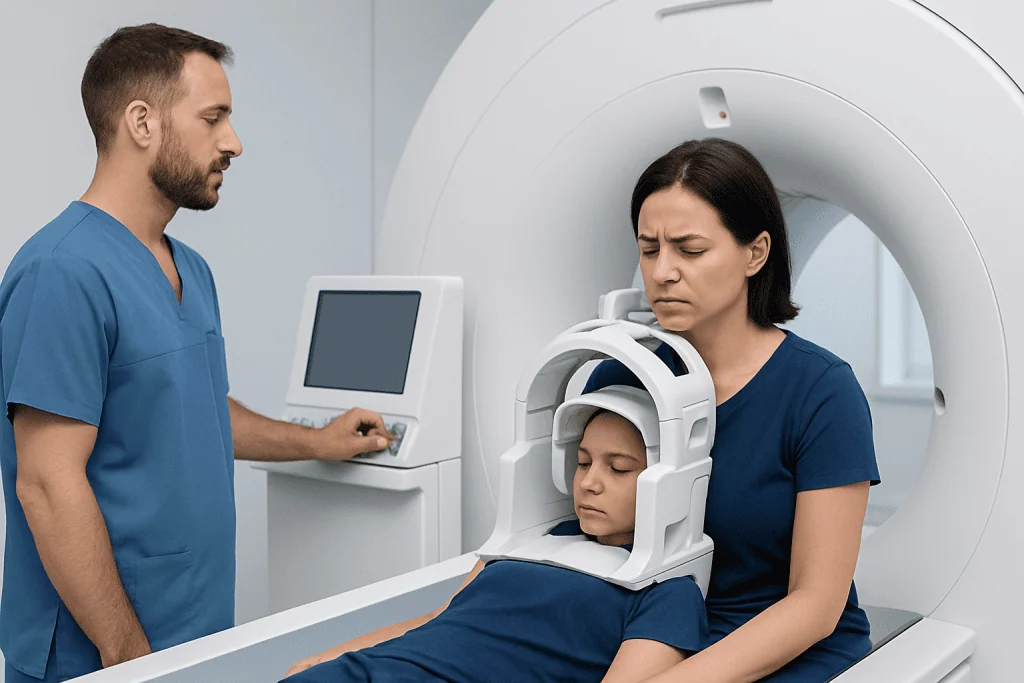
Imaging or further evaluation may be recommended if the headache pattern is new, unusual, worsening, or accompanied by red-flag symptoms. Depending on the situation, doctors may use MRI imaging or other tests to rule out structural causes. If symptoms suggest a nerve or brain-related disorder, assessment by neurology specialists may be appropriate.
Treatment options and ways to reduce recurrence
Treatment depends on how often headaches occur and what appears to trigger them. Occasional tension headaches often improve with rest, hydration, regular meals, gentle stretching, and short-term use of suitable over-the-counter pain relief as advised by a clinician or pharmacist. The goal is not only to stop the current headache but also to reduce the pattern that keeps bringing it back.
For frequent headaches, doctors may recommend a broader plan. This can include stress management, improved sleep habits, physical therapy, posture correction, ergonomic changes at work, or treatment for jaw clenching and related muscle tension. Some people benefit from relaxation training, breathing exercises, or cognitive behavioral strategies that help reduce the body’s stress response.
If headaches are frequent, prolonged, or difficult to distinguish from migraine, specialist evaluation can help guide care and prevent medication overuse. Depending on the clinical picture, physicians may consider whether a person needs headache treatment tailored to recurring symptoms or whether another problem is driving the pain. In selected cases, rehabilitation of neck and shoulder strain may also be part of treatment.
Near the end of the evaluation pathway, some patients benefit from coordinated care that includes neurology, pain management, physical therapy, sleep assessment, or mental health support. Acibadem International’s multidisciplinary specialists and JCI-accredited hospitals diagnose and treat headache conditions for international patients when more comprehensive assessment is needed.
Prevention and self-care
Prevention is often based on recognizing patterns. Keeping a simple headache diary can help identify whether episodes follow stress, poor sleep, prolonged screen time, missed meals, dehydration, or heavy caffeine use. Even a few notes on timing, triggers, and associated symptoms can make medical visits more useful.
Daily habits matter. Helpful measures include drinking enough fluids, eating at regular intervals, limiting long stretches at a desk, adjusting screen height, relaxing the shoulders, and taking movement breaks. Gentle neck stretching, regular exercise, and a consistent sleep schedule may reduce how often tension headaches occur.
It is also wise to use pain medication carefully. Frequent self-treatment can sometimes worsen the overall headache pattern. If headaches are happening often enough that medication is needed repeatedly, or if the pain is interfering with work, sleep, or normal activities, a doctor should review the pattern and offer a safer long-term plan.
- Practice regular sleep and wake times.
- Stay hydrated and avoid skipping meals.
- Take screen and posture breaks during the day.
- Address stress with relaxation techniques or counseling when needed.
- Ask about jaw clenching, teeth grinding, or neck strain if headaches are recurrent.
When to seek medical care
Most tension headaches improve with time and self-care, but some situations need medical attention. A person should seek prompt assessment if a headache is sudden and severe, starts after a head injury, or is clearly different from previous headaches. Medical review is also important if the headache is becoming more frequent, is waking someone from sleep, or is not responding to usual measures.
Emergency evaluation is needed if headache occurs with weakness, numbness, confusion, fainting, seizure, fever, stiff neck, vision loss, trouble speaking, chest pain, or shortness of breath. These symptoms can point to causes other than a simple tension headache. Headache during pregnancy, in older adults with a new pattern, or in people with cancer or weakened immunity also deserves prompt medical advice.
Even without red flags, it is reasonable to see a doctor if headaches are affecting quality of life, work performance, mood, or sleep. A proper diagnosis can identify preventable triggers, reduce unnecessary worry, and ensure that a more serious condition is not being missed.
Frequently asked questions
What is the most common cause of a tension headache?
The most common cause is a combination of stress and muscle tension, especially in the neck, shoulders, scalp, or jaw. Poor posture, fatigue, dehydration, and missed meals often contribute at the same time.
How can someone tell if a headache is tension-related or a migraine?
Tension headaches usually feel like a dull, pressing, band-like pain on both sides of the head. Migraine is more often throbbing, may affect one side, and can come with nausea, vomiting, or stronger sensitivity to light and sound.
Can poor posture really cause tension headaches?
Yes. Long periods of sitting, screen use, or straining the neck can tighten muscles and trigger pain that spreads into the head. Correcting workstation setup and taking regular movement breaks may help reduce recurrence.
Are tension headaches dangerous?
Most are not dangerous and improve with rest, hydration, and trigger management. However, a new, sudden, severe, or unusual headache should always be assessed by a doctor, especially if it comes with neurologic symptoms or fever.
Why do tension headaches keep coming back?
Recurring headaches often reflect ongoing triggers such as stress, poor sleep, jaw clenching, medication overuse, eye strain, or posture-related muscle tension. A doctor can help identify patterns and rule out other headache disorders.
When should someone see a doctor for frequent headaches?
A medical visit is a good idea if headaches are happening regularly, interfering with daily life, or requiring frequent pain medicine. Medical care is especially important if the pattern is changing or if there are symptoms such as weakness, confusion, fainting, or a stiff neck.
This article is for general information only and is not a substitute for professional medical advice. Please consult a qualified doctor about your individual situation.
Joint and spine care in Turkey — expert assessment & treatment
JCI-accredited · board-certified surgeons · reply within 24h
Add us as a Preferred Source to see more of our trusted health content across Google Search, AI Overviews and Discover.

More from the Health Library

How Long Can You Go Without Food? A Doctor-Reviewed Answer

Tooth Pain Relief Explained: Common Triggers and Red Flags

What Is Uncured Bacon? Causes, Explanations, and Next Steps

Are Eggs Dairy? A Doctor-Reviewed Answer

Poisoning Symptoms: Early Warning Signs and When to Get Emergency Help