Teratoma: Symptoms, Causes, and Treatment Options

A teratoma is a germ cell tumor that can form in the ovaries, testicles, tailbone area, chest, brain, or other midline structures. Some teratomas are benign, while others are immature or associated with cancer and need prompt specialist care.
Key Takeaways
- A teratoma is a germ cell tumor that can form in the ovaries, testicles, tailbone area, chest, brain, or other midline structures.
- Some teratomas are benign, while others are immature or associated with cancer and need prompt specialist care.
- Symptoms vary by location and may include pain, swelling, pressure symptoms, or an incidental finding on imaging.
- Diagnosis usually involves imaging tests, blood tumor markers, and review of tissue after surgical removal or biopsy.
- Treatment often includes surgery, and some patients also need chemotherapy depending on the type and stage.
- Early medical assessment is important for persistent pain, a new lump, abdominal swelling, or symptoms related to pregnancy or infancy.
Teratoma is a type of germ cell tumor that can contain different kinds of body tissue and may develop before birth, during childhood, or in adulthood. Treatment depends on where the tumor is located, whether it is mature or immature, and whether it shows signs of cancer.
What is a teratoma?
A teratoma is a tumor that starts in germ cells, the cells that normally develop into eggs or sperm. Because germ cells have the potential to form many different kinds of tissue, a teratoma may contain a mixture of tissues such as skin, hair, muscle, fat, or nerve tissue. This unusual appearance can sound worrying, but the most important clinical question is whether the teratoma is benign, immature, or linked with a cancerous germ cell tumor.
Teratomas can develop in several parts of the body. They are most often found in the ovaries or testicles, but they may also appear in the tailbone area of babies, in the chest between the lungs, in the brain, or in other midline locations. Some are discovered before birth on prenatal ultrasound, while others are found in children or adults during evaluation for pain, swelling, or an unrelated imaging test.
Doctors often classify teratomas into mature and immature types. A mature teratoma is usually benign, especially when it occurs in the ovary and is sometimes called a dermoid cyst. An immature teratoma contains less-developed tissue and is more likely to behave aggressively or require additional treatment. This distinction guides care and follow-up.
How teratoma can affect the body
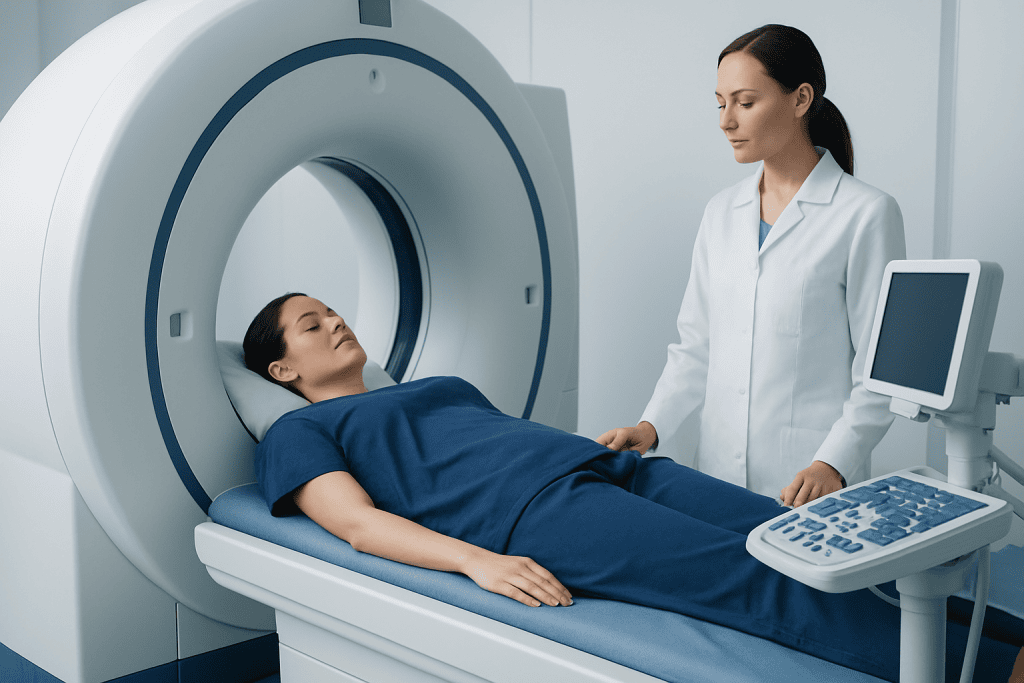
The effects of a teratoma depend mainly on its size, location, and biological behavior. A small mature teratoma may cause no symptoms at all. In contrast, a larger tumor can press on nearby organs, twist on its blood supply, or interfere with normal body functions. In infants, a teratoma near the tailbone can cause visible swelling. In adults, an ovarian teratoma may cause pelvic discomfort or be found during imaging for another reason.
Some teratomas produce complications because of where they grow rather than because they are cancerous. For example, an ovarian teratoma can lead to ovarian torsion, a painful twisting of the ovary that needs urgent medical attention. A chest teratoma may cause cough, chest pain, or shortness of breath if it presses on nearby structures. A testicular mass may present as painless enlargement, which should always be evaluated promptly.
Teratoma may also be part of the broader group of ovarian tumors or testicular germ cell tumors, where a tumor can include more than one cell type. In those situations, treatment planning considers the entire tumor profile rather than the teratoma component alone.
Teratoma symptoms

Teratoma symptoms can be very different from one person to another. Many people have no symptoms, especially if the tumor is small. When symptoms do occur, they usually reflect the area affected. A pelvic teratoma may cause lower abdominal pain, fullness, bloating, or pressure on the bladder or bowel. A testicular teratoma may appear as a lump, heaviness, or change in testicle size.
In babies and children, sacrococcygeal teratoma may show as a mass near the tailbone or buttocks. In the chest, symptoms may include chest discomfort, cough, breathing difficulty, or recurrent respiratory problems. Rarely, teratomas in the brain can cause headaches, visual changes, balance problems, or hormonal symptoms depending on their location.
Possible symptoms include:
- Abdominal, pelvic, or testicular pain
- A new lump or swelling
- Abdominal bloating or fullness
- Pressure on the bladder or bowel
- Chest pain, cough, or shortness of breath
- Headache or neurological symptoms in rare brain cases
- Symptoms found during pregnancy or prenatal scans
Sudden severe pain, especially in the pelvis or lower abdomen, can suggest a complication such as torsion or rupture and should be assessed urgently.
Causes and risk factors
Teratoma develops from germ cells, but in most individual cases there is no clear preventable cause. During early development, germ cells normally travel to specific parts of the body. Experts believe some teratomas arise when these cells grow in the wrong place or develop abnormally. This can happen before birth or later in life, depending on the tumor type and location.
Most teratomas are not caused by anything a person did or did not do. They are not generally linked to lifestyle choices such as diet or exercise. In adults, ovarian and testicular teratomas occur within the wider group of germ cell tumors. Certain age groups are affected more often: ovarian mature teratomas are common in reproductive-age women, testicular germ cell tumors are more often diagnosed in younger men, and sacrococcygeal teratomas are most often seen in newborns and infants.
Risk factors vary with the site of the tumor and may be limited. For testicular germ cell tumors overall, a history of undescended testicle can increase risk, though not all such tumors are teratomas. Family history may occasionally play a role in germ cell tumors, but most cases arise without a known inherited syndrome. For many patients, the focus is less on why it happened and more on accurate diagnosis and appropriate treatment.
How teratoma is diagnosed
Diagnosis starts with a medical history and physical examination, followed by imaging. The type of imaging depends on where the tumor is suspected. Ultrasound is often the first test for an ovarian or testicular mass, while CT or MRI may be used to define the size, content, and relationship of the tumor to nearby structures. Prenatal ultrasound can sometimes detect sacrococcygeal teratoma before birth.
Blood tests may help when doctors suspect a germ cell tumor. Tumor markers such as alpha-fetoprotein or beta-hCG can be useful in selected cases, especially for testicular or ovarian germ cell tumors, but they do not diagnose every teratoma. Imaging and laboratory findings are interpreted together with symptoms, age, and tumor location.
A definite diagnosis usually depends on pathology, meaning examination of tissue under a microscope after surgery or biopsy. Pathology shows whether the teratoma is mature or immature and whether there are other malignant germ cell components. In complex cases, patients may also need care from specialists in oncology, pathology, radiology, gynecology, urology, pediatric surgery, or neurosurgery. This team approach helps guide decisions about surgery, chemotherapy, and follow-up.
Treatment options for teratoma
Teratoma treatment is individualized. Surgery is the main treatment for many teratomas because it can remove the mass, relieve symptoms, and provide tissue for diagnosis. For a mature ovarian teratoma, surgery may be recommended if the cyst is large, painful, growing, or causing complications. For testicular tumors, surgery is also central and may be followed by further treatment depending on pathology and staging.
If the teratoma is immature or part of a malignant germ cell tumor, chemotherapy may be advised after surgery or sometimes before it in selected cases. Doctors consider tumor location, stage, age, fertility concerns, and overall health when recommending a plan. Some patients may be managed by specialists in gynecologic oncology or pediatric oncology when the tumor occurs in those settings.
Follow-up is an important part of care. Depending on the type of teratoma, follow-up may include physical examinations, repeat imaging, and blood marker testing. This helps confirm recovery, detect recurrence early, and monitor any long-term effects of treatment. When fertility preservation is relevant, this should be discussed before treatment whenever possible.
Near the end of the care pathway, some international patients seek coordinated evaluation at centers with multiple specialties. Acibadem International’s multidisciplinary specialists in JCI-accredited hospitals diagnose and treat teratoma and related germ cell tumors with plans tailored to the tumor type and patient needs.
Prevention, self-care, and living with a diagnosis
There is no proven way to prevent most teratomas because they arise from germ cells and are usually not related to lifestyle. Still, paying attention to new symptoms can lead to earlier evaluation. Persistent pelvic pain, testicular changes, unexplained swelling, or a mass found during pregnancy should not be ignored. Early assessment can make diagnosis more straightforward and may reduce the risk of complications.
Self-care mainly focuses on symptom awareness, attending follow-up visits, and understanding the treatment plan. Patients recovering from surgery should follow their clinician’s instructions about activity, wound care, and return to normal routines. It is also reasonable to ask whether future imaging, tumor marker tests, or fertility discussions are needed.
Living with the uncertainty of a tumor diagnosis can feel stressful, even when a teratoma is benign. Clear communication with the care team can help. Patients may benefit from asking for a written summary of the pathology report, the reason for any recommended additional treatment, and the schedule for future monitoring. If the diagnosis is associated with a broader germ cell cancer, referral for medical oncology care may be part of ongoing treatment planning.
When to seek medical care
Medical care should be sought if there is a new lump, ongoing pelvic or abdominal pain, swelling in the testicle, unexplained bloating, or pressure symptoms affecting the bladder or bowel. Evaluation is also important for persistent cough or chest discomfort when a chest mass is suspected, and for any neurological symptoms such as headaches or vision changes if a central nervous system lesion is being considered.
Urgent assessment is especially important for sudden severe pelvic or abdominal pain, vomiting, fever, or signs of rapidly increasing swelling. These symptoms may suggest complications such as ovarian torsion, rupture, bleeding, or pressure on nearby organs. In infants, a visible mass near the tailbone or feeding and breathing difficulties should be assessed promptly.
Pregnant patients or families receiving a prenatal diagnosis of teratoma should be guided by a maternal-fetal medicine and pediatric specialist team. Because diagnosis and treatment can vary so much by age and location, persistent symptoms should always be discussed with a qualified doctor rather than self-diagnosed.
Frequently asked questions
Is a teratoma always cancer?
No. Many teratomas, especially mature ovarian teratomas, are benign. However, some are immature or occur as part of a malignant germ cell tumor, so medical evaluation is needed to determine the exact type.
What is the difference between a mature and immature teratoma?
A mature teratoma contains well-developed tissue and is often benign. An immature teratoma contains less-developed tissue and has a greater chance of aggressive behavior, so it may require surgery plus additional treatment.
Can teratoma go away on its own?
Teratomas usually do not disappear on their own. Some small lesions may be monitored in selected situations, but many require surgery to confirm the diagnosis, prevent complications, or remove the tumor.
How is an ovarian teratoma treated?
Treatment often involves surgery, especially if the cyst is causing pain, growing, or raising concern for torsion or another diagnosis. The exact operation depends on the size of the tumor, age, fertility goals, and whether there are signs of an immature or malignant component.
Can men get teratoma?
Yes. Teratoma can occur in the testicles and is one type of testicular germ cell tumor. A testicular lump or enlargement should always be assessed promptly, even if it is painless.
Are teratomas common in babies?
Some teratomas, especially sacrococcygeal teratomas, are diagnosed in newborns or even before birth. These cases need specialist evaluation because the size and location of the tumor can affect delivery planning, surgery, and follow-up.
References
- National Cancer Institute
- American Cancer Society
- National Organization for Rare Disorders
- Merck Manual Professional Edition
- World Health Organization
This article is for general information only and is not a substitute for professional medical advice. Please consult a qualified doctor about your individual situation.
Hair transplant in Turkey — costs, graft counts & a free assessment
JCI-accredited · board-certified surgeons · reply within 24h
Add us as a Preferred Source to see more of our trusted health content across Google Search, AI Overviews and Discover.