Testosterone Booster — Explained by Medical Evidence, Not Myths

A testosterone booster may refer to supplements, lifestyle changes, or prescribed testosterone treatment. Symptoms alone do not confirm low testosterone; diagnosis requires medical history, examination, and blood tests.
Key Takeaways
- A testosterone booster may refer to supplements, lifestyle changes, or prescribed testosterone treatment.
- Symptoms alone do not confirm low testosterone; diagnosis requires medical history, examination, and blood tests.
- Many over-the-counter testosterone booster products have mixed or limited evidence for meaningful benefit.
- Sleep, weight management, exercise, and treating underlying illness can support healthy testosterone levels.
- Prescription testosterone therapy is appropriate only for certain patients and requires monitoring for benefits and side effects.
A testosterone booster is not a single treatment but a broad term used for supplements, lifestyle strategies, and prescription therapy aimed at raising testosterone levels. Medical evidence shows that some approaches help selected people, while many over-the-counter products have limited proof and should not replace proper evaluation.
Overview: What a Testosterone Booster Really Means
A testosterone booster is any product or strategy intended to increase testosterone, the main male sex hormone that also plays important roles in women. In everyday use, the term often refers to over-the-counter supplements marketed for energy, muscle gain, libido, or vitality. In medical practice, however, testosterone-related care is more precise and may include lifestyle measures, treatment of underlying conditions, or prescription hormone therapy when true deficiency is confirmed.
The most important evidence-based point is that feeling tired, gaining weight, or noticing lower sex drive does not automatically mean a person needs a testosterone booster. Many common health issues can cause similar symptoms, including poor sleep, stress, depression, obesity, thyroid disease, medication effects, and chronic illness. For that reason, safe care begins with finding the cause rather than choosing a product first.
Medical evidence also shows a clear difference between regulated prescription testosterone and nonprescription supplements. Prescription treatment may help people with documented low testosterone and related symptoms. By contrast, many commercial testosterone booster products contain herbs, vitamins, minerals, or other compounds with inconsistent research, variable quality, and uncertain results.
How Testosterone Affects the Body
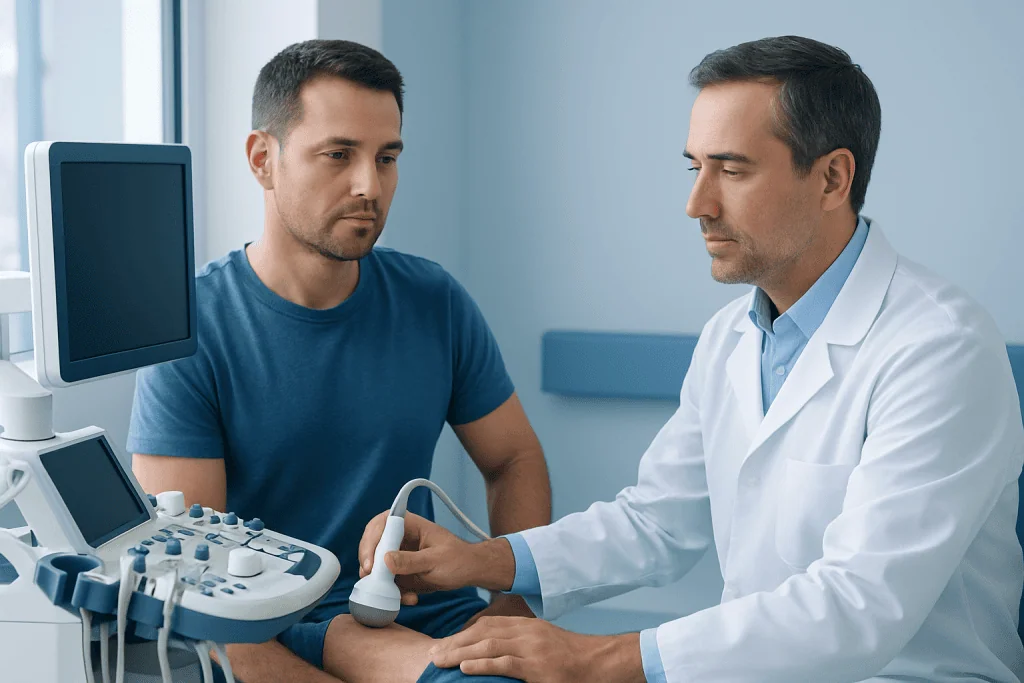
Testosterone helps regulate sexual development, libido, erectile function, sperm production, muscle mass, bone density, mood, and red blood cell production. Levels naturally change with age and can vary during the day, usually being highest in the morning. A single result outside the expected range does not always mean there is a long-term problem.
In men, low testosterone may contribute to reduced sexual desire, fewer morning erections, erectile difficulties, lower energy, depressed mood, reduced muscle strength, increased body fat, or decreased bone density. In adolescents, abnormal testosterone levels can affect puberty and development. In women, testosterone is present at much lower levels but still contributes to sexual function, mood, and general well-being.
Because testosterone affects multiple systems, concerns about low levels may overlap with other conditions. For example, erectile dysfunction may be linked to blood vessel disease, diabetes, medication effects, or psychological factors, not just hormones. In some cases, doctors may also assess related concerns such as erectile dysfunction or broader reproductive health issues.
Types of Testosterone Boosters: Supplements, Lifestyle, and Prescription Therapy

Over-the-counter testosterone booster products commonly include ingredients such as zinc, vitamin D, magnesium, fenugreek, ashwagandha, D-aspartic acid, tribulus, or blends of multiple substances. Some ingredients may support testosterone only in people with a true deficiency or under specific circumstances, such as low vitamin D or low zinc status. Overall, research on these products is mixed, and many studies are small, short-term, or funded in ways that make interpretation harder.
Lifestyle-based testosterone support has stronger medical credibility. Regular resistance exercise, maintaining a healthy body weight, getting enough sleep, limiting excess alcohol, and managing chronic stress can all support hormone balance. These measures do not act like a quick commercial testosterone booster, but they are often safer and more effective for overall health.
Prescription testosterone therapy is different from supplements. It is used when a doctor confirms low testosterone with symptoms and repeat blood testing, and when the benefits are expected to outweigh the risks. Depending on the person’s needs, care may involve hormone therapy or further endocrinology assessment to understand why levels are low.
- Supplements: variable ingredients, limited evidence, quality may differ between brands
- Lifestyle measures: often beneficial for general health and hormone support
- Prescription therapy: evidence-based for selected patients with confirmed deficiency
What Medical Evidence Says About Benefits and Limitations
Evidence does not support the idea that every healthy adult will benefit from a testosterone booster. In people with normal testosterone levels, supplements or testosterone treatment are unlikely to produce major health gains and may expose them to side effects. In people with confirmed low testosterone, treatment may improve sexual desire, energy, mood, bone health, and body composition, although response varies.
For over-the-counter products, the main limitation is that ingredient quality, dose consistency, and long-term safety may be uncertain. Some products may contain substances not clearly listed on the label or may interact with other medicines. Others may simply have no meaningful effect despite strong marketing claims.
Prescription testosterone can be helpful, but it is not suitable for everyone. It may reduce fertility by lowering sperm production, so it is not the first choice for people who want future fertility. In that setting, doctors may explore the underlying cause of low testosterone and discuss alternatives, sometimes alongside assessment by specialists in fertility care when reproductive planning is relevant.
Another important limitation is that testosterone treatment does not cure every related symptom. If fatigue is caused by sleep apnea, anemia, depression, or thyroid disease, a testosterone booster alone will not address the real problem. This is why evidence-based care focuses on accurate diagnosis before treatment selection.
Causes, Risk Factors, and Who Should Be Evaluated
Low testosterone can result from problems in the testes, the pituitary gland, or the hypothalamus, which help control hormone production. It may also be related to obesity, diabetes, chronic kidney or liver disease, sleep apnea, severe stress, overtraining, poor nutrition, inflammatory conditions, or some medications such as opioids and long-term corticosteroids. Aging can be associated with lower levels, but age alone does not explain every symptom.
Men who may benefit from medical evaluation include those with persistent low libido, erectile problems, reduced morning erections, infertility, reduced muscle mass, unexplained low bone density, or long-lasting fatigue accompanied by other hormone-related symptoms. A history of head injury, pituitary disease, testicular injury, chemotherapy, or radiation may also raise suspicion for hormone problems.
Evaluation is especially important when symptoms suggest a broader endocrine issue. For example, headache, vision changes, breast enlargement, or markedly reduced body hair may point to a more complex hormonal disorder. In selected cases, doctors may assess related concerns such as pituitary disease, metabolic disorders, or urologic conditions rather than assuming that a testosterone booster is the answer.
Diagnosis and Safe Treatment Options
Doctors usually diagnose testosterone deficiency by combining symptoms with blood tests, often measured in the morning on more than one occasion. Additional tests may include luteinizing hormone, follicle-stimulating hormone, prolactin, thyroid function, blood sugar, iron studies, or imaging when indicated. This helps identify whether the problem is in testosterone production itself or in the hormonal signals that control it.
Treatment depends on the cause. If obesity, poor sleep, medication effects, or untreated illness is contributing, correcting those factors may improve levels without hormone therapy. Weight reduction, resistance training, treatment of sleep apnea, and better management of diabetes or thyroid disease can be important parts of care.
When testosterone deficiency is confirmed and treatment is appropriate, doctors may prescribe gels, injections, patches, or other formulations and monitor blood counts, hormone levels, symptoms, and possible side effects over time. Some people may also need evaluation by specialists in urology or endocrinology, especially when sexual function, fertility, or urinary symptoms are also present. At the end of a personalized assessment, the goal is not simply to raise a lab number but to improve health safely.
For international patients seeking coordinated evaluation, Acibadem International’s multidisciplinary specialists and JCI-accredited hospitals diagnose and treat hormone-related conditions using individualized care plans.
Prevention, Self-Care, and When to Seek Medical Care
People interested in a testosterone booster can often start with habits that support hormone health naturally. Practical steps include sleeping seven to nine hours when possible, doing regular strength and aerobic exercise, maintaining a healthy waistline, eating a balanced diet, limiting smoking and excess alcohol, and reviewing medications with a clinician if symptoms began after a prescription change. These measures support overall well-being even when testosterone is not the main issue.
It is wise to be cautious with supplements that promise fast muscle gain, dramatic sexual improvement, or anti-aging effects. Patients should check ingredients carefully and discuss any product with a doctor or pharmacist, especially if they have heart disease, liver disease, kidney disease, high blood pressure, prostate concerns, or take multiple medications. “Natural” does not always mean harmless.
Medical care should be sought if symptoms persist for weeks to months, interfere with quality of life, or include fertility concerns, erectile problems, breast enlargement, loss of body hair, fractures, or severe fatigue. Prompt assessment is also important for symptoms such as headaches, vision changes, testicular pain or swelling, or signs of depression. If low testosterone is suspected, proper testing is safer and more reliable than self-treating with a commercial testosterone booster.
Frequently asked questions
Do testosterone booster supplements really work?
Some may help in narrow situations, such as correcting a vitamin or mineral deficiency, but many products have limited or inconsistent evidence. They should not be expected to reliably treat true testosterone deficiency without medical evaluation.
How can someone know if low testosterone is the problem?
Symptoms alone are not enough because fatigue, low mood, weight gain, and sexual problems can have many causes. A doctor usually confirms the diagnosis with a medical history, physical examination, and repeat morning blood tests.
Is prescription testosterone the same as a testosterone booster?
Not exactly. Prescription testosterone is a regulated medical treatment used for selected patients with confirmed low testosterone, while the term testosterone booster often refers to supplements or general lifestyle strategies.
Can testosterone treatment affect fertility?
Yes. Prescription testosterone can reduce sperm production and may make conception more difficult while treatment is being used. Anyone who wants future fertility should discuss this with a doctor before starting therapy.
Are there natural ways to support testosterone levels?
Yes. Healthy sleep, regular exercise, weight management, stress control, and treatment of conditions such as sleep apnea or diabetes can support hormone balance. These steps are often the safest first approach.
Is testosterone therapy safe for everyone?
No. It may not be appropriate for people with certain medical conditions, and it requires monitoring for side effects and treatment response. A clinician weighs possible benefits and risks for each individual case.
References
- Endocrine Society
- American Urological Association
- National Institutes of Health
- U.S. Food and Drug Administration
- Mayo Clinic
This article is for general information only and is not a substitute for professional medical advice. Please consult a qualified doctor about your individual situation.
Explore treatments in Turkey — costs, top hospitals & a free quote
JCI-accredited · board-certified surgeons · reply within 24h
Add us as a Preferred Source to see more of our trusted health content across Google Search, AI Overviews and Discover.
Check your numbers in seconds
BMI, calories, due date, blood pressure and 30+ more clinical calculators — free, instant, doctor-reviewed ranges.