Thalassemia Symptoms: Common Causes, Related Conditions, and When to See a Doctor

Thalassemia symptoms are caused by inherited changes that reduce normal hemoglobin production. Mild forms may cause few or no symptoms, while moderate to severe forms can lead to significant anemia and complications.
Key Takeaways
- Thalassemia symptoms are caused by inherited changes that reduce normal hemoglobin production.
- Mild forms may cause few or no symptoms, while moderate to severe forms can lead to significant anemia and complications.
- Typical symptoms include fatigue, pallor, shortness of breath, jaundice, bone changes, and growth delays in children.
- Diagnosis often involves blood tests, iron studies, and sometimes genetic testing to confirm the type of thalassemia.
- Treatment depends on severity and may include monitoring, blood transfusions, iron chelation, folic acid support, or specialist care.
Thalassemia symptoms usually relate to anemia, meaning the body cannot make enough healthy hemoglobin to carry oxygen efficiently. Common signs include fatigue, weakness, pale or yellowish skin, and delayed growth, but symptoms can range from very mild to severe depending on the type of thalassemia.
Overview: what thalassemia symptoms can look like
Thalassemia symptoms most often reflect anemia, a condition in which the blood carries less oxygen than usual. This happens because thalassemia is an inherited blood disorder that affects hemoglobin, the protein inside red blood cells that transports oxygen throughout the body. When hemoglobin production is reduced or unbalanced, red blood cells can break down more easily and may not work as effectively.
The symptoms are not the same for everyone. Some people, especially those with thalassemia trait or minor forms, may have no noticeable problems and only learn about the condition during routine blood work. Others, particularly people with more severe forms, can develop symptoms in infancy or early childhood and may need long-term specialist follow-up.
Understanding symptoms matters because fatigue or pallor alone do not automatically mean thalassemia. Similar complaints can occur in iron deficiency, other inherited blood disorders, chronic illness, or nutritional problems. A proper medical evaluation helps clarify the cause and prevents delays in the right care for thalassemia.
Common symptoms and how they may differ by severity
The most common thalassemia symptoms are linked to low hemoglobin levels. People may feel unusually tired, weak, or short of breath during activity because the body is not getting oxygen as efficiently as it should. Pale skin is also common, and some people may notice dizziness, headaches, or reduced exercise tolerance.
In moderate or severe thalassemia, symptoms can be more noticeable. Yellowing of the skin or eyes may develop if red blood cells break down faster than normal. Some children may grow more slowly than expected, have delayed puberty, or seem less energetic than their peers. In severe cases, the body may try to compensate by producing more blood cells in the bone marrow, which can contribute to bone changes over time.
Symptoms that may be seen include:
- Persistent tiredness or lack of stamina
- Pale or yellowish skin
- Shortness of breath, especially with exertion
- Fast heartbeat or palpitations
- Dizziness or headaches
- Poor growth or delayed development in children
- Enlarged abdomen from a bigger spleen or liver
- Bone pain or facial bone changes in more severe disease
It is also important to know that thalassemia symptoms can overlap with anemia from other causes. That is why symptom patterns, family history, and laboratory testing all play a role in identifying the correct diagnosis.
Why thalassemia happens: causes and risk factors

Thalassemia is caused by inherited gene changes that affect the production of alpha or beta globin chains, which are parts of hemoglobin. A person is born with these gene changes; thalassemia is not something that develops from diet, infection, or lifestyle. The severity depends on which genes are involved and whether the altered genes are inherited from one parent or both.
The two main types are alpha thalassemia and beta thalassemia. Within each type, there are milder and more severe forms. People with thalassemia trait may carry the gene and have mild anemia or no symptoms at all, while thalassemia major or intermedia can cause more significant health effects and may require ongoing treatment.
Family history is one of the strongest risk factors. Thalassemia is more common in people with ancestry from the Mediterranean region, the Middle East, South Asia, Southeast Asia, and parts of Africa. If both parents carry a thalassemia-related gene, the chance of having a child with a more severe form increases. For this reason, carrier screening and genetic counseling can be useful before pregnancy or early in family planning.
Related conditions and possible complications
Thalassemia does not only affect energy levels. Over time, ongoing anemia and increased red blood cell breakdown can place stress on multiple organs. The spleen may enlarge because it helps remove damaged blood cells from circulation. In some people, the liver may also become enlarged, and gallstones can develop due to increased bilirubin from red blood cell breakdown.
Children with more severe thalassemia may experience slower growth and bone changes. The body tries to make more red blood cells in the bone marrow, and this increased activity can affect bone shape and strength. In adults, longstanding disease may contribute to osteoporosis or other bone problems, particularly if anemia is not well controlled.
Another important issue is iron overload. Some people with thalassemia receive repeated blood transfusions, which can gradually raise iron levels in the body. Iron overload may damage the heart, liver, and hormone-producing glands if it is not monitored and treated carefully. This is different from iron deficiency, which means iron supplements should never be started without medical advice and blood test confirmation.
Doctors may also assess the heart, liver, and endocrine system when symptoms are significant or treatment is ongoing. If specialized care is needed, options may include hematology follow-up, transfusion support, and bone marrow transplantation in selected cases.
How doctors diagnose the cause of symptoms
Diagnosis begins with a medical history and physical examination. A doctor will ask about fatigue, growth, family history, ethnic background, prior blood test results, and whether symptoms started in childhood or appeared more recently. On examination, they may look for pallor, jaundice, changes in growth, or signs of an enlarged spleen.
Blood testing is central to diagnosis. A complete blood count can show anemia and often reveals that red blood cells are smaller than usual. Doctors usually order iron studies as well, because iron deficiency can look similar on routine blood work. Hemoglobin analysis, such as hemoglobin electrophoresis, helps identify some forms of thalassemia, especially beta thalassemia.
In certain situations, genetic testing may be recommended to confirm the diagnosis, define the subtype, or support family planning. Imaging studies are not always needed, but they can help assess enlarged organs or complications in more advanced disease. If a child or adult has unexplained anemia, a referral to specialists in hematology can help guide further evaluation.
Treatment options and long-term management
Treatment depends on how severe the thalassemia is and what symptoms are present. People with thalassemia trait or mild disease may only need regular checkups and blood tests. They often live normal lives without intensive treatment, but they still benefit from knowing their diagnosis, especially for family planning and to avoid unnecessary iron supplements.
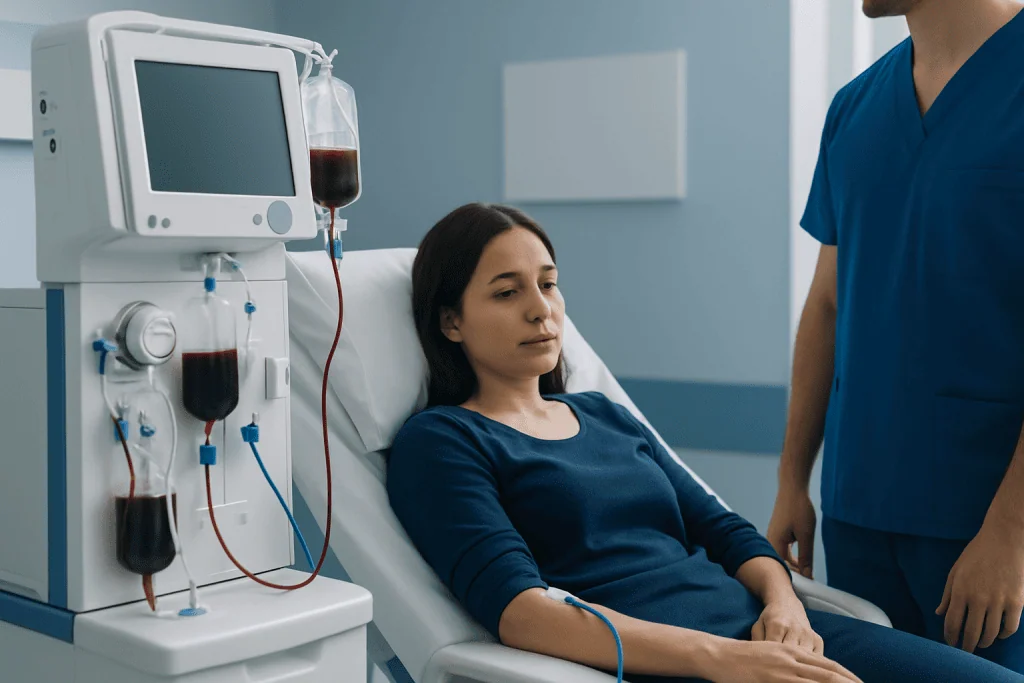
For moderate to severe thalassemia, treatment may include blood transfusions to maintain healthy hemoglobin levels and reduce symptoms such as fatigue, weakness, and poor growth. If transfusions are given repeatedly, iron levels are monitored closely because excess iron can build up in the body. In that situation, doctors may recommend iron chelation therapy to help remove extra iron and protect organs.
Some patients may also be advised to take folic acid, depending on their individual needs, because it supports red blood cell production. The care plan can include monitoring the heart, liver, bones, hormones, and spleen over time. In selected patients, especially younger individuals with severe disease, stem cell or bone marrow transplantation may be discussed as a potential treatment approach.
Management is usually long term and coordinated by a multidisciplinary team. Near the end of the care pathway, some international patients may seek evaluation at centers such as Acibadem International, where multidisciplinary specialists in JCI-accredited hospitals diagnose and treat thalassemia and its complications.
Self-care, family screening, and when to seek medical care
Self-care starts with understanding the condition and following the plan given by a qualified doctor. People with thalassemia should attend regular follow-up visits, keep scheduled blood tests, and ask before taking iron supplements or vitamins marketed for anemia. A balanced diet, appropriate physical activity, rest, and up-to-date vaccinations can all support general health, although they do not replace medical treatment when disease is moderate or severe.
Family screening is often an important part of care. Because thalassemia is inherited, relatives may also be carriers without knowing it. Genetic counseling can help couples understand the chance of passing on the condition and discuss reproductive options in a supportive, informed way.
Medical care should be sought promptly if there is worsening fatigue, shortness of breath, chest discomfort, fainting, fever, increasing abdominal swelling, yellowing of the eyes, or signs of severe anemia. Parents should arrange evaluation if a child has poor growth, persistent pallor, low energy, or delayed development. Even mild symptoms are worth discussing if they continue, because early diagnosis can help prevent complications and guide the most appropriate care.
Frequently asked questions
What are the first signs of thalassemia?
Early thalassemia symptoms often include tiredness, pale skin, and reduced stamina. In mild forms, there may be no obvious symptoms at all, and the condition may only be found through routine blood tests.
Can thalassemia symptoms be mild?
Yes. People with thalassemia trait or minor forms may have very mild anemia or no symptoms. Others may notice only occasional fatigue, while more severe forms can cause significant health problems.
Is thalassemia the same as iron deficiency anemia?
No. Thalassemia is an inherited disorder of hemoglobin production, while iron deficiency anemia happens when the body does not have enough iron. The symptoms can overlap, so blood tests are needed to tell them apart accurately.
At what age do thalassemia symptoms appear?
The timing depends on the type and severity. Severe forms may become noticeable in infancy or early childhood, while mild forms may not be recognized until adolescence or adulthood, or may never cause symptoms.
Can adults develop new thalassemia symptoms later in life?
Because thalassemia is inherited, the genetic condition is present from birth. However, symptoms may become more noticeable later if anemia worsens, during pregnancy, with illness, or when the condition is discovered during testing for fatigue.
When should someone see a doctor about possible thalassemia symptoms?
A doctor should be consulted if there is ongoing fatigue, pallor, shortness of breath, jaundice, poor growth in a child, or a family history of thalassemia. Prompt evaluation is especially important if symptoms are worsening or affecting daily activities.
References
- World Health Organization
- Centers for Disease Control and Prevention
- National Heart, Lung, and Blood Institute
- MedlinePlus
- American Society of Hematology
This article is for general information only and is not a substitute for professional medical advice. Please consult a qualified doctor about your individual situation.
Thalassemia in Turkey — costs, top hospitals & a free quote
JCI-accredited · board-certified surgeons · reply within 24h