Thalassemia Treatment
Thalassemia care focuses on confirming the type of inherited anemia, preventing complications, and managing severe disease with transfusions, iron chelation, and bone marrow transplant evaluation when appropriate.

Quick answer
Thalassemia is an inherited blood disorder that reduces production of haemoglobin, the oxygen-carrying protein in red blood cells. Mild carrier forms need no treatment, while severe forms cause anaemia from early childhood. Care ranges from monitoring and genetic counselling to regular blood transfusions, iron chelation therapy and, for selected patients, bone marrow (stem cell) transplantation.
Understanding Thalassemia and the Decisions Ahead
Thalassemia is a group of inherited blood disorders that reduce the body’s ability to produce haemoglobin, the protein in red blood cells that carries oxygen around the body. It is passed from parents to children through changes in the globin genes, and it spans an enormous range: at one end sits a silent carrier state that needs no treatment at all; at the other, a severe anaemia that appears in early childhood and requires lifelong specialist care. Treatment is matched to the type. Mild forms need accurate diagnosis and counselling. Severe forms need regular transfusions, iron control and structured monitoring, with stem cell transplant evaluation for selected patients.
Being told that you or your child may have thalassemia raises immediate and very personal questions. Is this a mild inherited trait or a serious lifelong blood disorder? Will transfusions be needed? Can complications be prevented? Is bone marrow transplantation a realistic option? For many families, these medical concerns arrive together with practical worries about coordinating records between hospitals, communicating clearly with the clinical team and making important decisions under pressure.
The answers depend on details, not generalisations. The right plan follows from the exact type of thalassemia, the severity of the anaemia, the patient’s age, the condition of the heart, liver and endocrine organs, the genetic findings, family planning goals and the treatment history so far. Two patients with what looks like the same diagnosis on paper can need very different care, and a plan copied from someone else’s experience is rarely the right one.
Modern thalassemia care rests on three priorities: confirming the diagnosis precisely, preventing avoidable complications, and treating severe disease with the appropriate combination of transfusion therapy, iron chelation, organ monitoring and transplant evaluation where suitable. With careful follow-up, many people with thalassemia study, work, travel and raise families. Untreated or poorly monitored severe disease, by contrast, can affect the heart, liver, bones, hormones, growth, fertility and overall quality of life. The difference between those two paths is usually organisation and consistency, not luck.
What is thalassemia?
Thalassemia is an inherited condition in which the body makes too little of one of the protein chains that form haemoglobin. Haemoglobin is built mainly from alpha and beta globin chains. When one chain is in short supply, red blood cells become smaller than normal, fragile and less effective at carrying oxygen. The bone marrow tries to compensate by producing more red cells, but many of these break down early or fail to mature properly. The result is anaemia of varying severity, together with the knock-on effects of a chronically overworked marrow.
Because the condition is genetic, it is present from birth. It does not develop from diet, infection or lifestyle, and it cannot be caught from another person. You may also see it written as thalassaemia in British sources, and it is occasionally misspelt as fallacemia in non-medical material online; all of these refer to the same group of inherited disorders.
The Main Types of Thalassemia
The two main categories are alpha thalassemia and beta thalassemia, named after the globin chain that is affected. Within each category there is a wide spectrum, from carriers with no symptoms to patients with severe, early-onset anaemia. Establishing where an individual sits on that spectrum is the first task of specialist care, because every later decision follows from it.
What is alpha thalassemia?
Alpha thalassemia is the form in which production of the alpha globin chain is reduced or absent. People normally inherit four alpha globin genes, two from each parent, and the number of affected genes shapes the clinical picture. One affected gene usually causes a silent carrier state with no symptoms. Two affected genes produce alpha thalassemia trait, which can cause small red blood cells and mild anaemia and is often identified during routine testing or pregnancy screening. Three affected genes cause haemoglobin H disease. When all four genes are affected, the most severe fetal form, hydrops fetalis, develops before birth. In German-language sources you may see the condition written as Alpha-Thalassämie; it is the same diagnosis.
Haemoglobin H disease deserves particular attention because it sits in the middle of the spectrum. It can cause moderate to severe anaemia, jaundice and an enlarged spleen, and the anaemia may worsen episodically during infections or pregnancy. Some people with haemoglobin H disease need only regular monitoring; others need transfusions at moments of physiological stress, and a smaller group needs ongoing treatment. This variability is exactly why the diagnosis needs to be pinned down rather than assumed.
What is beta thalassemia?
Beta thalassemia is the form in which production of the beta globin chain is reduced or absent; it is sometimes abbreviated in writing as b thalassemia or β-thalassemia. People inherit two beta globin genes, and the combination of mutations determines severity. Clinicians traditionally describe three levels: beta thalassemia minor, also called beta thalassemia trait, a carrier state with mild or no anaemia; beta thalassemia intermedia, a variable middle form; and beta thalassemia major, the severe form that usually becomes transfusion-dependent.
Beta thalassemia major typically declares itself in the first years of life. Newborns are protected by fetal haemoglobin, which does not rely on beta chains; as fetal haemoglobin falls and the body switches to adult haemoglobin production, the shortage of beta chains becomes apparent. Affected infants may feed poorly, grow slowly, look pale and develop an enlarged spleen. Beta thalassemia intermedia is less predictable. Some patients live for years with moderate anaemia and few interventions, while others develop complications over time, including bone changes, blood clots, pulmonary hypertension, leg ulcers or iron overload, even though they need few or no regular transfusions.
Transfusion-Dependent or Non-Transfusion-Dependent?
For patients and families, the most practical distinction is whether the condition is transfusion-dependent or non-transfusion-dependent. Transfusion-dependent thalassemia requires regular red blood cell transfusions to maintain safe haemoglobin levels, support growth, reduce symptoms and prevent the bone marrow from expanding excessively. Non-transfusion-dependent thalassemia does not need scheduled transfusions, although occasional transfusion may still be required during illness, surgery or pregnancy.
Non-transfusion-dependent does not mean harmless. Complications can still develop over the years, and iron overload can occur even without frequent transfusions, because the gut absorbs more iron in response to chronic anaemia. This is why patients who feel entirely well still benefit from structured periodic review, rather than assuming that no transfusions means no risk.
Who May Need Thalassemia Evaluation
Thalassemia evaluation is worth considering when a routine blood count shows anaemia with unusually small red blood cells, especially if iron deficiency does not fully explain the findings. It also matters for people with a family history of thalassemia, individuals with ancestry from regions where the condition is more common, couples planning a pregnancy, newborns or children with unexplained anaemia, and adults with a longstanding low haemoglobin or an enlarged spleen.
Thalassemia is more common among people with roots in the Mediterranean region, the Middle East, South Asia, Southeast Asia, Africa and parts of Central Asia. Migration and mixed ancestry, however, mean the condition can be found anywhere in the world, including in families who never considered themselves at risk. Ancestry raises or lowers suspicion; it never rules the diagnosis in or out on its own.
Symptoms vary enormously. Carriers may have no symptoms at all, or only a mild anaemia noticed incidentally on a blood test. More significant forms can cause fatigue, weakness, pale or yellowish skin, poor feeding in infants, delayed growth, breathlessness on exertion, dark urine, a sense of abdominal fullness from an enlarged spleen, bone changes and delayed puberty. In children with severe beta thalassemia, these features typically emerge in the first years of life as fetal haemoglobin declines and the body comes to depend on adult haemoglobin production.
People who already carry a diagnosis may also reach a point where fresh specialist review makes sense. Common reasons include transfusion needs that are increasing, iron levels that are proving difficult to control, emerging heart or liver concerns, growth or hormone problems, and the question of whether stem cell transplantation should be explored. A second opinion is particularly useful when the thalassemia type has never been genetically confirmed, or when treatment has been inconsistent across different centres over the years.
How to Diagnose Thalassemia
Diagnosing thalassemia combines an unhurried medical history, a physical examination, targeted laboratory tests and, where needed, genetic analysis. No single test tells the whole story; the diagnosis rests on the pattern that emerges across all of them.
How to test for thalassemia?
Testing for thalassemia starts with a complete blood count, which measures the haemoglobin level and the mean corpuscular volume, an index of red cell size; in thalassemia the cells are typically smaller than expected for the degree of anaemia. A blood smear examined under the microscope can reveal characteristic red cell changes, and a reticulocyte count shows how hard the bone marrow is working to compensate. Iron studies are essential at this stage, because iron deficiency anaemia can look very similar on a basic blood count, and the two conditions sometimes coexist in the same patient.
Haemoglobin analysis, using haemoglobin electrophoresis or high-performance liquid chromatography, identifies the proportions of the different haemoglobin types in the blood and supports the diagnosis of most beta thalassemia syndromes. One practical point worth knowing: alpha thalassemia trait can produce an entirely normal haemoglobin analysis, so a normal result on this test does not exclude the diagnosis.
Genetic testing confirms the specific alpha or beta globin gene changes. It clarifies uncertain cases, distinguishes look-alike conditions, defines the exact mutation for family counselling and answers questions that matter for donor searches and transplant planning. In many mild cases, genetic confirmation is not strictly necessary for day-to-day care; it becomes important whenever reproductive decisions or advanced treatment options are under discussion.
What does the doctor look for beyond the blood tests?
The clinical assessment carries as much weight as the laboratory results. Doctors review the age at which symptoms began, any transfusion history, family background, growth pattern, medications, infections, pregnancy history where relevant, and every previous laboratory report the patient can provide. Examination focuses on pallor, jaundice, spleen and liver size, bone changes and, in children, growth and developmental milestones. Old results are genuinely valuable: a haemoglobin that has been mildly low and stable for twenty years tells a very different story from one that has been falling for six months.
For couples planning a pregnancy, genetic counselling estimates the chance of having a child with a severe form of thalassemia and explains the reproductive options available. When both partners are carriers, this conversation is time-sensitive and is best held before conception rather than during a pregnancy that is already under way.
Conditions and Indications Addressed in Thalassemia Care
Comprehensive thalassemia care addresses both the inherited blood disorder itself and the complications that flow from chronic anaemia, increased bone marrow activity, transfusion exposure and iron overload. The indications for active treatment depend on the type and severity of the disease.
- Beta thalassemia major: The severe form that usually requires lifelong regular transfusions and iron chelation, with assessment of stem cell transplantation as a possible definitive option in selected patients.
- Beta thalassemia intermedia: A variable form that may not need regular transfusions but can cause anaemia, an enlarged spleen, bone changes, blood clots, pulmonary hypertension, leg ulcers or iron overload.
- Beta thalassemia trait: A carrier state that usually needs no treatment; an accurate diagnosis matters mainly to avoid unnecessary iron therapy and to support genetic counselling.
- Alpha thalassemia trait: A generally mild carrier condition that can cause small red blood cells and mild anaemia, often identified during routine testing or pregnancy screening.
- Haemoglobin H disease: A form of alpha thalassemia that may cause moderate to severe anaemia, jaundice and an enlarged spleen, with episodic worsening during infections or pregnancy.
- Transfusional iron overload: Excess iron accumulation from repeated transfusions, requiring monitoring and chelation therapy to protect the heart, liver and endocrine organs.
- Non-transfusional iron overload: Iron accumulation that can develop in some non-transfusion-dependent patients because chronic anaemia increases intestinal iron absorption.
- Growth, endocrine and fertility concerns: Delayed puberty, diabetes, thyroid problems, low bone density and fertility challenges may need coordinated specialist input.
- Pregnancy and family planning: Carrier testing, partner testing, genetic counselling and pregnancy management for affected individuals and carrier couples.
- Bone marrow transplant evaluation: Selected patients, particularly younger patients with severe transfusion-dependent disease and a suitable donor, may be evaluated for haematopoietic stem cell transplantation.
The overall aim is to match the intensity of care to the individual’s actual risk. Some patients need little more than reassurance, accurate records and periodic monitoring. Others need a structured lifelong programme of scheduled transfusions, chelation, imaging and specialist assessment.
How Thalassemia Care Is Planned and Performed
Initial Assessment and Preparation
The first step is a detailed review of the diagnosis and current health. When previous care has taken place at another centre, this often begins with a review of existing medical records, previous blood counts, haemoglobin studies, genetic reports, transfusion logs, iron measurements, imaging, medication history and any prior complications. If the diagnosis is incomplete or uncertain, additional testing is planned as part of the evaluation rather than assumed away. Gaps in the record are common when care has moved between hospitals; identifying them early prevents wasted time later.
Evaluation usually includes a complete blood count, reticulocyte count, blood smear, iron studies, bilirubin and liver function tests, kidney function, viral infection screening when transfusion or transplant is being considered, and haemoglobin analysis. Genetic testing may be added to define the exact mutation and support family counselling. For patients with moderate or severe disease, organ assessment is essential: heart evaluation, liver assessment, endocrine testing, bone health measurement and imaging techniques that can estimate iron levels in the heart and liver without invasive procedures in many cases.
For children, the team reviews growth, nutrition, vaccination status, school functioning and developmental milestones. For adults, the assessment also covers fertility, pregnancy plans, work and travel patterns, any previous splenectomy, clotting risk and long-term organ surveillance. This preparation lets the team decide whether the main focus should be observation, transfusion optimisation, iron chelation, complication management, transplant evaluation, or a combination of these.
Transfusion Therapy
Regular red blood cell transfusion is a cornerstone of care for transfusion-dependent thalassemia. The goal is to hold haemoglobin at a level that supports growth, energy, normal activity and protection from excessive bone marrow expansion. Schedules are individualised: patients with severe disease often attend every few weeks, with the exact interval depending on haemoglobin levels, symptoms, age and clinical goals.
Safe transfusion depends on careful blood typing and compatibility testing before every treatment. Extended antigen matching may be considered to reduce the risk of alloimmunisation, the situation in which the patient develops antibodies against donor red cells that make future matching progressively harder. Blood products are processed and screened according to established transfusion medicine standards. During the transfusion itself, the team monitors for reactions, vital sign changes and symptoms such as fever, rash, breathing difficulty or back pain, and the visit ends with a short observation period.
Transfusion can transform anaemia-related symptoms, but every unit of blood also delivers iron. The body has no natural mechanism for removing large amounts of excess iron, which is why iron chelation is treated as an inseparable partner of any long-term transfusion programme rather than an optional add-on.
Iron Chelation Therapy
Iron chelation therapy uses medications that bind excess iron so the body can remove it through urine or stool. In long-term transfusion-dependent thalassemia, chelation is central to preventing heart failure, liver disease, diabetes, delayed puberty, thyroid disease and other iron-related complications. Some non-transfusion-dependent patients also need chelation when iron accumulates gradually through increased absorption from the gut.
The choice of chelating agent depends on age, iron burden, where in the body the iron has settled, kidney and liver function, side effect profile, previous response and how realistically the regimen fits the patient’s daily life. Some chelators are taken by mouth; others are given by infusion. Whichever agent is used, monitoring continues alongside it: blood counts, kidney function, liver function and, depending on the medication, hearing and vision checks, together with regular measures of treatment response. All decisions about starting, adjusting or changing chelation belong to the treating team, guided by these results.
Modern practice uses serial laboratory markers and imaging-based iron assessment to steer chelation intensity, with the aim of reducing iron safely without over-treating. Consistency is one of the strongest modifiable influences on long-term health, which is why a workable regimen matters as much as a theoretically ideal one; difficulties with side effects or daily routines are worth raising with the treating doctor early, because the plan can often be adapted.
Monitoring for Complications
Thalassemia can affect multiple organ systems, particularly when anaemia or iron overload is not well controlled. A structured follow-up programme may include heart imaging and rhythm evaluation, liver iron assessment, endocrine testing, bone density measurement, growth and puberty tracking in children, and screening for infections related to transfusion history. Patients who have had the spleen removed follow a specific infection prevention plan, including vaccination and education about the significance of fever, because the spleen normally helps defend against certain bacteria.
Technology supports precision here. Advanced laboratory platforms characterise haemoglobin patterns, iron burden, immune antibodies and organ function. Imaging methods can measure iron deposition in the heart and liver and evaluate bone or abdominal complications. Shared digital records and coordinated specialist review help the team see trends over time rather than reacting to single results in isolation, which is how slowly developing complications are caught early.
Bone Marrow Transplant Evaluation
Haematopoietic stem cell transplantation, often called bone marrow transplantation, aims to replace the patient’s thalassemia-producing blood system with healthy blood-forming stem cells from a compatible donor. When it succeeds, the new marrow produces normal haemoglobin and regular transfusions may no longer be needed. It is not appropriate for every patient, and it carries significant risks, including infection, graft-versus-host disease, infertility, organ toxicity, graft failure and life-threatening complications of the procedure itself. It is generally considered for carefully selected patients, especially younger patients with severe transfusion-dependent disease and a well-matched donor.
Evaluation is thorough by design. It includes confirmation of the thalassemia diagnosis, assessment of heart, liver, kidney, lung and endocrine health, infection screening, donor search and compatibility testing, review of the transfusion and iron overload history, and detailed counselling with the transplant team. Where appropriate, fertility preservation is discussed before treatment begins, along with hospitalisation needs, caregiver requirements, immune suppression and the extended recovery period that follows.
The transplant itself follows a defined sequence:
- Step 1: Conditioning: treatment that prepares the body to accept donor stem cells.
- Step 2: Infusion: the donor stem cells are given through a vein, much like a transfusion.
- Step 3: Engraftment: the new marrow settles in and begins producing blood cells, under close daily monitoring.
- Step 4: Recovery and follow-up: a period of heightened infection risk, immune suppression and scheduled reviews that continues well after discharge.
Decisions about transplantation are made through specialist review and genuinely shared decision-making, weighing the expected course of the disease with continued transfusion and chelation against the potential benefits and real risks of the procedure. Choosing not to transplant can be as reasonable a decision as choosing to proceed; what matters is that the choice is informed.
How Long Does Treatment Take?
Thalassemia care is long-term rather than a single episode of treatment. Diagnostic evaluation can usually be completed over several days, depending on the complexity of testing and whether genetic results are required. Transfusions are typically outpatient treatments; the time each visit takes depends on the patient’s weight, haemoglobin level, the number of units needed and monitoring requirements. Chelation is ongoing and adjusted by the treating team according to response and tolerability.
Recovery after an individual transfusion is usually quick in terms of energy and breathlessness, although some patients feel tired on the day of treatment. Recovery after stem cell transplantation is much longer and more intensive, involving hospitalisation, immune recovery, infection precautions and months of close follow-up. Because these timelines vary so widely between individuals, every patient receives a written, individualised care plan before treatment begins rather than a generic schedule.
Why Acting Early Matters
Early and accurate thalassemia care can change the course of the disease. In severe forms, chronic anaemia places sustained stress on the body and can lead to poor growth, bone deformities, an enlarged spleen, fatigue, delayed development and reduced exercise tolerance. When transfusions are delayed in a child who genuinely needs them, the bone marrow expands in its attempt to produce more blood cells, which can affect the bones of the face and skull and increase the risk of long-term complications.
Iron overload is the second reason timing matters. Excess iron can build silently for years before symptoms appear, and the heart, liver and endocrine glands may already be affected before a patient feels seriously unwell. Once advanced organ damage has occurred, it is harder to reverse. Regular monitoring and appropriately guided chelation reduce this risk substantially compared with reacting only once problems declare themselves.
Delayed or imprecise diagnosis creates its own harms. Thalassemia trait is regularly mistaken for iron deficiency, leading to repeated courses of iron the body does not need: a particular problem in a condition already prone to iron accumulation. Conversely, genuine iron deficiency can coexist with thalassemia and deserves recognition and treatment in its own right. Genetic counselling is also time-sensitive: for couples planning a pregnancy, particularly when both partners are carriers, the options are widest before conception.
For patients who may be transplant candidates, early evaluation matters because outcomes are influenced by age, donor availability, iron burden, liver health and overall condition. Not every patient will choose or qualify for transplantation, but understanding the option early lets families weigh it calmly, rather than confronting it for the first time after complications have already progressed.
Living Well With Thalassemia
Between hospital visits, daily life carries its own part of the plan. Nutrition is a frequent question: doctors usually check iron status before recommending any supplement, because extra iron can be harmful in thalassemia, and folic acid is sometimes recommended by the treating team to support red cell production. A balanced diet, adequate calcium and vitamin D intake for bone health, and sensible limits on foods and drinks that sharply increase iron absorption are typically discussed as part of routine follow-up rather than left to guesswork.
Infection awareness matters, particularly for patients without a spleen or those recovering from transplantation, and keeping vaccinations current is a standard part of the care plan. Regular dental care, appropriate physical activity matched to the degree of anaemia, and attention to bone health all contribute to long-term wellbeing. School-age children generally attend school normally around their treatment schedule, and many adults work full time.
Travel is usually possible with planning. Patients on transfusion programmes coordinate their schedule around trips, carry an up-to-date medical summary, and know where care is available at their destination. For anyone managing thalassemia across more than one place of care, studying away from home, relocating, or moving between hospitals, a clear, portable record of diagnosis, transfusion history, antibody status and current medications is one of the most valuable documents they own.
Benefits of Thalassemia Treatment
The benefits of structured thalassemia care depend on the severity of the disease, but the central aims are consistent: reduce anaemia-related symptoms, prevent organ damage and support a full, ordinary life.
| Benefit | What It Means for You |
|---|---|
| Clear diagnosis | Knowing the exact type of thalassemia avoids unnecessary treatment and sets the right level of monitoring, family counselling and long-term planning. |
| Better anaemia control | For patients who need transfusions, a structured schedule can improve energy, growth, exercise tolerance and daily functioning. |
| Iron overload prevention | Monitoring and chelation therapy help protect the heart, liver, endocrine system and other organs from excess iron. |
| Early complication detection | Regular heart, liver, hormone, bone and infection screening identifies problems before they become advanced. |
| Informed transplant decisions | Specialist evaluation clarifies whether bone marrow transplantation is medically appropriate and which risks and benefits apply to you specifically. |
| Family and pregnancy guidance | Genetic counselling clarifies carrier status, reproductive risks and the options available to couples planning a family. |
Recovery and Follow-Up Timeline
Because thalassemia management is ongoing, recovery is best understood as a repeating pattern of treatment, response and prevention rather than a single event with a finish line.
| Time Period | What Patients Can Expect |
|---|---|
| Day 1 | Initial consultation with record review, examination, blood tests and planning of further diagnostic or organ assessment tests. If transfusion is needed, monitoring occurs during and after treatment. |
| First week | Most diagnostic results become available. The team refines the diagnosis, reviews transfusion needs, assesses iron status and begins or adjusts chelation where appropriate. |
| First month | A structured plan is established, covering transfusion schedule, chelation monitoring, imaging or specialist evaluations and genetic counselling where needed. |
| First 3 to 6 months | Treatment response, haemoglobin stability, iron trends, medication tolerance and organ monitoring are reviewed, and the plan is adjusted for safety and practicality. |
| Longer term | Periodic follow-up continues to prevent complications, maintain quality of life, address family planning and reassess transplant options if relevant. |
Factors That Influence Outcomes
Thalassemia outcomes vary because the condition itself varies. A person with thalassemia trait may need nothing beyond diagnosis and counselling, while someone with transfusion-dependent beta thalassemia needs lifelong specialist management or evaluation for definitive treatment. The single most important factor is matching the intensity of care to the true severity of the disease, neither over-treating a mild form nor under-treating a severe one.
Genetic type shapes the clinical course, including how much haemoglobin the body can produce and whether transfusion dependence is likely. Age at diagnosis matters too. Children identified early can begin monitoring and treatment before growth, bone or organ complications take hold. Adults who have lived for years with unrecognised anaemia or accumulating iron may need more extensive assessment and a period of treatment adjustment before the plan settles.
For transfusion-dependent patients, the consistency and quality of transfusion support carry real weight. Maintaining appropriate haemoglobin levels reduces symptoms and limits excessive bone marrow activity, while careful blood matching and monitoring reduce transfusion-related risks, though no transfusion programme can remove those risks entirely, and honest care acknowledges that.
Chelation consistency is among the strongest modifiable factors in long-term health. Even an effective medication cannot protect the organs if the regimen is not followed or if follow-up testing is irregular. Side effects and practical difficulties deserve early discussion with the treating doctor, because the medication, timing, dose or monitoring plan can often be adapted by the team to fit real life; a plan that survives contact with daily routine outperforms a perfect plan that does not.
Organ health at the start of care influences prognosis. Heart iron, liver iron, liver fibrosis, endocrine function, bone density and infection status all feed into the risk picture. Patients who already have established complications can still benefit meaningfully from careful treatment, but prevention and early detection remain better than late intervention.
For stem cell transplantation, outcomes are influenced by donor match, patient age, iron burden, liver condition, prior complications, infection history, the transplant protocol and the quality of post-transplant care. The decision is highly individual: a good result depends not only on technical execution but on careful candidate selection, preparation, family support and disciplined long-term follow-up afterwards.
Communication is the quiet factor behind all of the above, especially for patients whose care has moved between hospitals or physicians over the years. The treating team needs accurate records, transfusion dates, medication lists, allergy history, genetic reports and prior imaging. Between visits, coordination with the patient’s local physicians keeps the plan intact, maintains monitoring and allows a prompt response when anything changes.
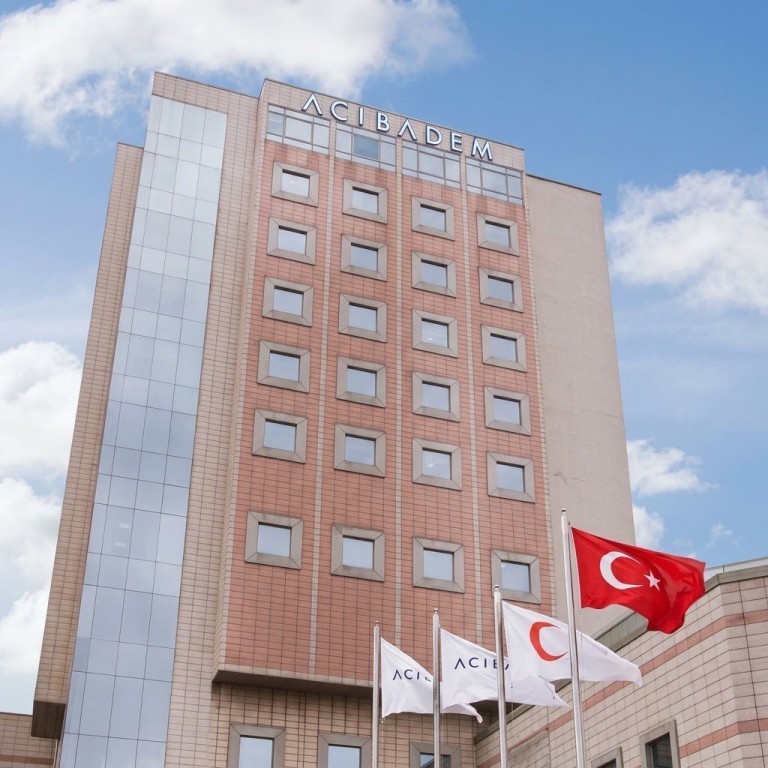
How Thalassemia Care Is Organised at Acibadem
Thalassemia does not belong to a single specialty, so care at Acibadem is organised around the complexity of inherited blood disorders rather than a single appointment or laboratory result. Depending on the individual case, the pathway brings together haematology, paediatric haematology, genetics, transfusion medicine, radiology, cardiology, endocrinology, hepatology, infectious diseases and bone marrow transplant teams.
Multidisciplinary discussion is particularly valuable in complex cases. A child with severe beta thalassemia, an adult with liver iron and endocrine complications, a patient with antibodies after years of transfusions, or a family weighing transplantation may each need input from several disciplines at once. Coordinated review keeps the plan aligned with evidence-based treatment approaches while adapting it to the individual patient’s history and goals, rather than handing the patient a series of disconnected opinions.
Diagnostic pathways can include advanced haematology testing, haemoglobin analysis, molecular genetic evaluation, detailed blood compatibility studies and imaging-based assessment of organ iron. These tools exist to answer practical questions: What type of thalassemia is present? Is iron affecting the heart or liver? Is the transfusion programme optimised? Is chelation working? Does a transplant evaluation make medical sense for this patient at this point?
For patients receiving transfusions, the clinical process emphasises compatibility testing, monitoring for reactions and planning around iron management. For patients on chelation, laboratory and imaging follow-up guide safe adjustment. For transplant candidates, evaluation covers donor options, organ readiness, infection risks, fertility considerations, hospitalisation needs and the follow-up that continues after discharge.
The practical side of care is treated as part of the medicine: coordinated records, structured appointment planning and a clear written care plan, so that assessments fit together efficiently and monitoring and treatment can continue seamlessly with the patient’s own doctors between visits.
Moving Forward With Clarity
Thalassemia care begins with understanding. Once the exact diagnosis is established, the path forward becomes far more manageable: observation for mild carrier states, regular monitoring for moderate disease, transfusion and chelation programmes for severe anaemia, and transplant evaluation for the selected patients who may benefit from that route. The earlier the plan is organised, the greater the opportunity to prevent avoidable complications and protect long-term health.
None of this requires a family to become experts overnight. It requires an accurate diagnosis, a plan proportionate to the real severity of the disease, honest information about the benefits and limits of each option, and follow-up that continues consistently, wherever the patient happens to live.
Preparation
- Preparation includes blood tests, hemoglobin analysis, iron level assessment, genetic counseling, and evaluation of organ function. Patients should share prior transfusion records, medications, infections, and family history. If bone marrow transplant is considered, donor matching and detailed pre-transplant screening are required.
Aftercare
- Aftercare usually includes regular hematology visits, transfusion scheduling, iron chelation monitoring, and screening for heart, liver, and endocrine complications. Patients should follow infection prevention advice and report fever or unusual symptoms promptly. After transplant, close monitoring for graft function, infections, and immune-related complications is essential.
Frequently Asked Questions
What affects the cost of thalassemia care?
Cost depends on the thalassemia type, anemia severity, transfusion needs, iron chelation plan, organ monitoring, complication management, and whether transplant evaluation is required. Travel, interpreter support, accommodation, and follow-up arrangements may also affect the total budget.
How can I get a personalised quote?
A personalised quote is prepared after reviewing medical records such as blood counts, hemoglobin analysis, iron studies, imaging reports, transfusion history, current medicines, and specialist notes. Acibadem International can arrange a free consultation to help define the required pathway.
What is usually included in an international patient care plan?
A care plan may include hematology consultation, diagnostic testing, iron overload assessment, transfusion planning, chelation review, complication screening, translation support, and coordination with relevant departments. The exact inclusions should be confirmed before travel.
Does every patient with thalassemia need transfusions?
No. Some patients need monitoring only, while others require planned transfusions and iron chelation. The decision depends on symptoms, hemoglobin levels, growth, organ health, and the confirmed thalassemia type.
When is bone marrow or stem cell transplant considered?
Transplant evaluation may be considered for selected patients with severe disease, especially when a suitable donor and acceptable medical risk profile are present. A transplant specialist must review eligibility, risks, benefits, and alternatives.
Is this information medical or financial advice?
No. This is general educational information. A hematology specialist should assess the patient, and the hospital team should provide an individualized quote before any treatment or travel decision is made.
Medically reviewed by the Acıbadem International Medical Board September 1, 2026
See our medical review board →
Update history
- PublishedJune 8, 2026
- Medical review approvedSeptember 1, 2026
- Last content updateSeptember 8, 2026
References2
- Thalassemia medlineplus.gov
- Thalassemias cdc.gov
Trusted care for international patients
From the Acibadem Blog

Regular Transfusions for Thalassemia: How Scheduling Works and What Each Visit Involves
Most people with transfusion-dependent thalassemia receive red blood cells every two to five weeks, timed so hemoglobin does not fall below roughly 9 to…