The Brain Is a Part of: What Patients Need to Know
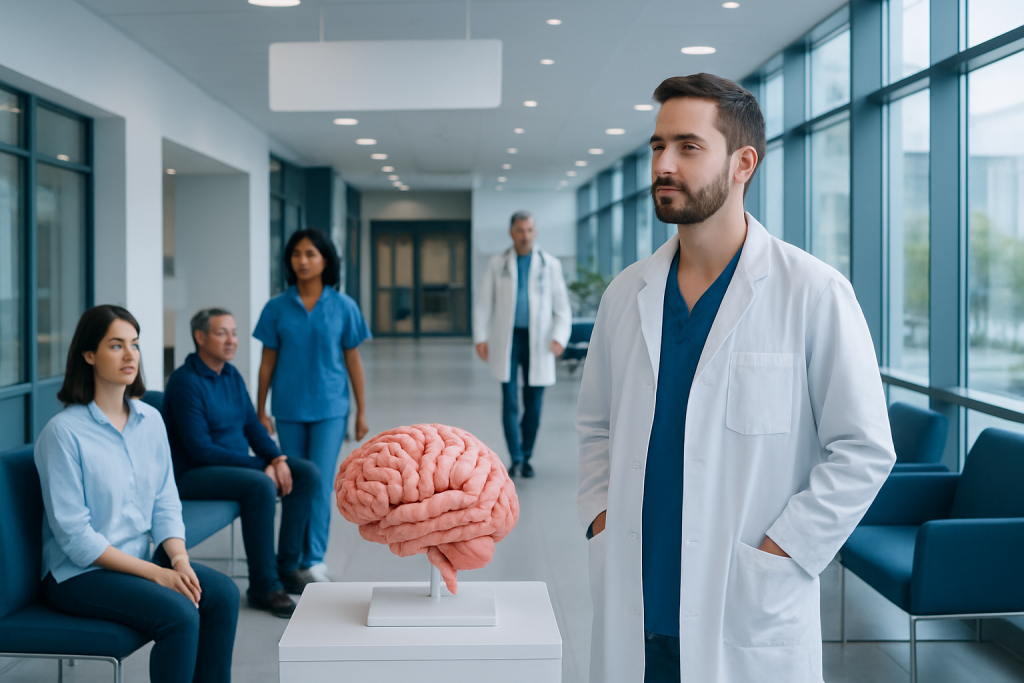
The brain belongs to the central nervous system, not the circulatory or digestive system. It works closely with the spinal cord and peripheral nerves to send and receive signals throughout the body.
Key Takeaways
- The brain belongs to the central nervous system, not the circulatory or digestive system.
- It works closely with the spinal cord and peripheral nerves to send and receive signals throughout the body.
- Different brain regions help manage thinking, speech, movement, balance, emotions, and vital automatic functions.
- Symptoms such as sudden weakness, severe headache, confusion, or seizures need prompt medical attention.
- Brain health is supported by sleep, exercise, blood pressure control, a balanced diet, and avoiding smoking.
The brain is a part of the central nervous system, together with the spinal cord. It serves as the body’s control center, helping regulate movement, sensation, memory, emotions, and many automatic functions such as breathing and heart rate.
Overview: the brain is a part of the central nervous system
The brain is a part of the central nervous system. This means it works together with the spinal cord to receive information, process it, and send instructions to the rest of the body. In simple terms, the brain acts as the body’s main control center.
Many people ask this question when learning basic anatomy or trying to understand a diagnosis. The answer matters because the central nervous system is responsible for some of the body’s most important functions, including movement, sensation, memory, speech, emotions, and automatic processes such as breathing and blood pressure regulation.
The brain does not work alone. It communicates with the peripheral nervous system, which includes nerves that travel from the brain and spinal cord to muscles, skin, organs, and glands. Together, these systems allow a person to think, feel, move, and respond to the environment.
How the brain fits into the nervous system
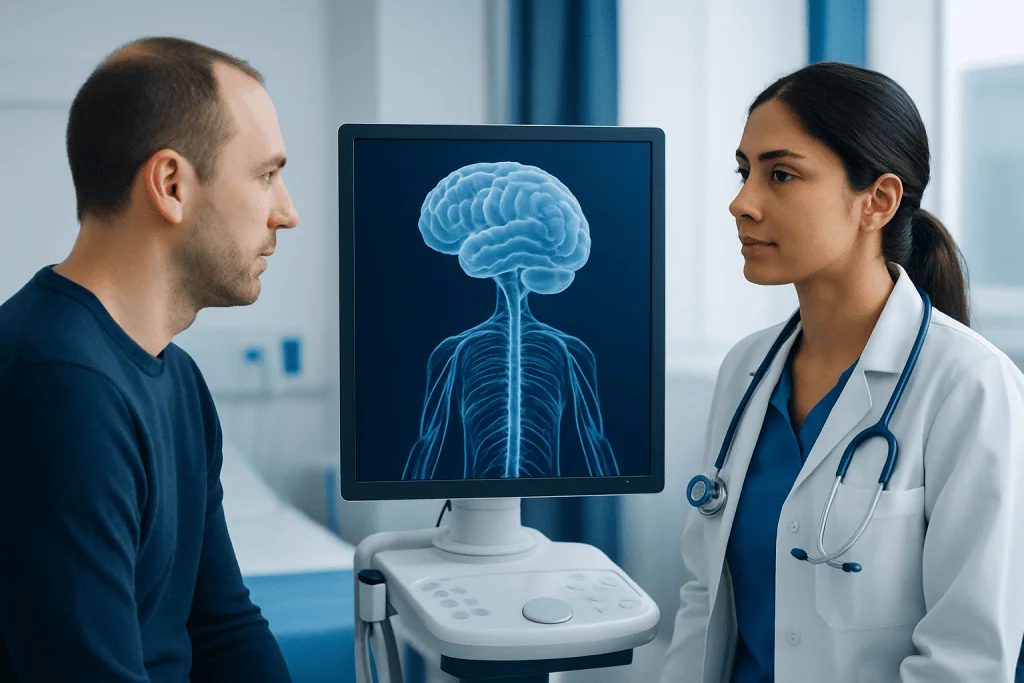
The nervous system is often divided into two major parts: the central nervous system and the peripheral nervous system. The central nervous system includes the brain and spinal cord. The peripheral nervous system includes the network of nerves outside the brain and spinal cord that carry signals back and forth.
The brain receives sensory information from the eyes, ears, skin, nose, and other organs. It interprets this input and decides how the body should respond. For example, if a hand touches something hot, the nervous system helps the body pull away quickly while also creating the sensation of pain.
The brain also controls functions that happen without conscious effort. These include breathing rhythm, swallowing, sleep-wake cycles, and aspects of heart and blood vessel control. Because it oversees both voluntary and involuntary functions, the brain plays a role in nearly every part of health.
- Central nervous system: brain and spinal cord
- Peripheral nervous system: nerves outside the brain and spinal cord
- Autonomic nervous system: helps regulate automatic functions such as digestion, heart rate, and sweating
What the brain does for the body
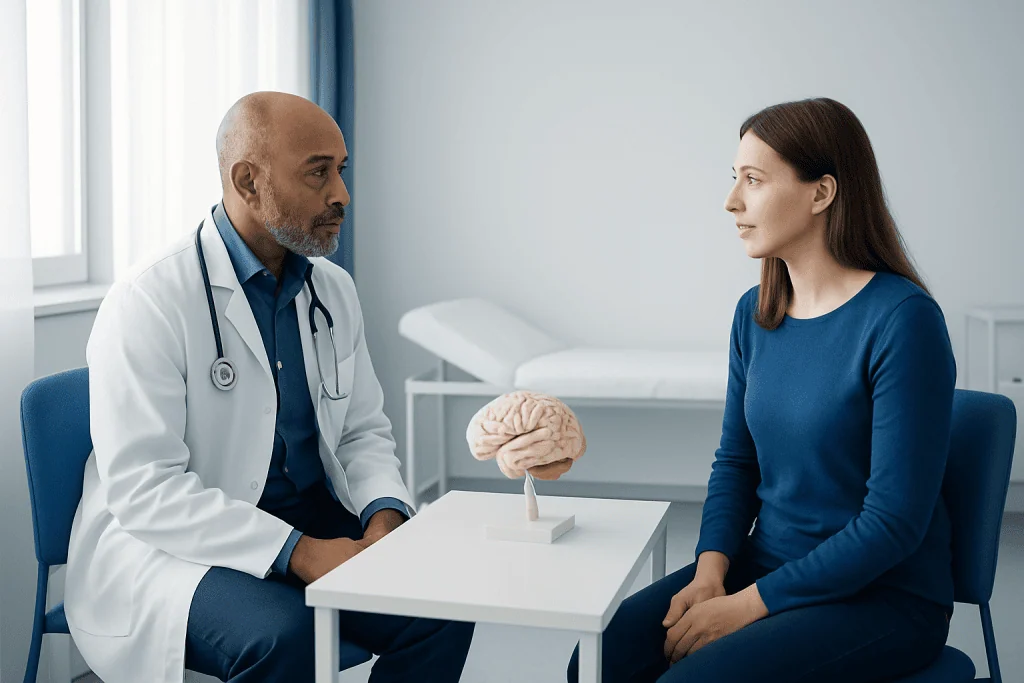
The brain helps organize both simple and highly complex tasks. It allows a person to speak, understand language, plan, solve problems, remember information, and control body movement. It also supports mood, behavior, attention, and social interaction.
Different brain areas carry out different jobs, but they work in close coordination. The cerebrum is involved in thought, memory, sensation, and voluntary movement. The cerebellum helps with balance, posture, and coordinated movement. The brainstem controls essential functions such as breathing, heart rate, and alertness.
The brain also acts as a communication hub. Billions of nerve cells, called neurons, send electrical and chemical signals to one another. These signals allow the body to react quickly and adjust continuously to internal and external changes.
When this communication is affected by injury or disease, symptoms may appear in different ways. Depending on the area involved, a person may notice headaches, weakness, numbness, speech changes, tremor, balance problems, or changes in thinking and behavior.
Common conditions that can affect the brain
Because the brain has many roles, a wide range of medical conditions can affect it. Some are sudden and urgent, while others develop slowly over time. Examples include stroke, traumatic brain injury, infections, tumors, epilepsy, migraine, and neurodegenerative diseases.
A stroke happens when blood flow to part of the brain is interrupted or when bleeding occurs in or around the brain. This can lead to sudden symptoms such as facial drooping, arm weakness, speech difficulty, vision changes, or confusion. Patients who want to understand this emergency in more detail may read about stroke.
Other conditions may involve ongoing or repeated symptoms. For example, seizures can occur when abnormal electrical activity develops in the brain, and persistent headaches may be linked to several causes, from tension and migraine to less common structural problems. Brain tumors may cause pressure-related symptoms, while infections such as meningitis or encephalitis can lead to fever, severe headache, or confusion.
Evaluation depends on the person’s age, symptoms, medical history, and examination findings. In many cases, imaging such as MRI scans or CT scans helps doctors look at the brain’s structure and identify urgent problems.
Symptoms that may suggest a brain or nervous system problem
Not every headache or episode of dizziness points to a serious brain disorder. Still, certain symptoms deserve attention, especially if they are sudden, severe, progressive, or different from usual patterns. Brain-related symptoms can affect movement, sensation, speech, memory, behavior, coordination, or consciousness.
Common symptoms that may suggest a neurological problem include ongoing headaches, fainting, seizures, numbness, tingling, unexplained weakness, balance problems, vision changes, confusion, memory decline, tremor, or difficulty speaking. These symptoms can come from the brain itself, the spinal cord, or the nerves that connect the body to the brain.
A doctor may use a neurological exam to check strength, reflexes, coordination, sensation, eye movements, and mental status. If symptoms suggest a structural or electrical problem in the brain, further tests may be needed. Depending on the situation, this may include electroencephalography (EEG) to assess brain electrical activity.
- Sudden weakness on one side of the body
- New trouble speaking or understanding speech
- Seizures or loss of consciousness
- Severe or unusual headache
- New confusion, memory change, or personality change
- Persistent dizziness, imbalance, or coordination problems
How doctors diagnose brain-related conditions
Diagnosis starts with a careful conversation about symptoms. A doctor usually asks when the problem began, whether symptoms came on suddenly or gradually, how long they last, what makes them better or worse, and whether there are related symptoms such as fever, nausea, vision changes, or weakness.
The next step is a physical and neurological examination. This may include checking speech, memory, eye movements, facial symmetry, muscle strength, walking, coordination, and reflexes. The findings help guide which tests are most useful.
Brain imaging is often a key part of evaluation. CT scans may be used in emergencies because they are fast and can quickly identify bleeding or major injury. MRI gives more detailed images of brain tissue and can be especially helpful for tumors, inflammation, multiple sclerosis, some strokes, and other structural problems.
Other tests may include blood tests, EEG, spinal fluid analysis, or specialized vascular imaging. In more complex cases, care may involve neurologists, neurosurgeons, radiologists, rehabilitation physicians, and other specialists working together.
Protecting brain health in everyday life
Brain health is supported by many of the same habits that protect overall health. Good sleep, regular physical activity, balanced nutrition, stress management, and avoiding tobacco all help support healthy blood flow and nerve function. Managing chronic conditions such as high blood pressure, diabetes, and high cholesterol is especially important because these can increase the risk of stroke and other vascular problems.
Safety habits also matter. Wearing a seatbelt, using helmets during activities with injury risk, reducing fall hazards at home, and limiting alcohol misuse can help lower the chance of brain injury. For older adults, regular hearing and vision care may also support mobility, confidence, and cognitive function.
It is also wise to take symptoms seriously when they persist or change. A person with repeated headaches, worsening balance, memory concerns, or fainting episodes should not self-diagnose. Early evaluation can clarify whether symptoms are related to a common condition, a medication effect, or a neurological disorder that needs treatment.
For international patients who need coordinated neurological assessment, Acibadem International’s multidisciplinary specialists in JCI-accredited hospitals diagnose and treat a wide range of brain and nervous system conditions, including advanced imaging and brain surgery when appropriate.
When to seek medical care
Prompt medical care is important if symptoms suggest a sudden brain problem. Emergency evaluation is needed for signs of stroke, a seizure lasting several minutes, loss of consciousness, a severe head injury, or a sudden severe headache unlike any previous headache. These situations should not be watched at home.
Medical review is also recommended for symptoms that are not emergencies but still need attention. Examples include recurrent headaches, new numbness or weakness, persistent dizziness, worsening memory, tremor, repeated falls, or unexplained changes in speech or behavior. Even when symptoms seem mild, they can provide useful clues about brain, spinal cord, or nerve function.
Seeking help early often makes diagnosis clearer and treatment more effective. A qualified doctor can determine whether symptoms are related to the brain itself, another part of the nervous system, or a non-neurological cause.
Frequently asked questions
The brain is a part of which body system?
The brain is a part of the central nervous system. The central nervous system includes the brain and spinal cord, which work together to control and coordinate body functions.
Is the brain part of the spinal cord or separate from it?
The brain and spinal cord are separate structures, but both belong to the same system. They are closely connected and constantly exchange information to help the body move, sense, and respond.
What is the difference between the central and peripheral nervous system?
The central nervous system includes the brain and spinal cord and acts as the main processing center. The peripheral nervous system includes the nerves outside these structures that carry messages between the body and the central nervous system.
What are the main functions of the brain?
The brain helps control thinking, memory, emotions, language, movement, sensation, and balance. It also regulates many automatic functions, including breathing, sleep, and aspects of heart and blood vessel control.
Can brain symptoms come from causes outside the brain?
Yes. Symptoms such as dizziness, weakness, numbness, confusion, or headache can come from problems in the brain, spinal cord, peripheral nerves, blood vessels, infections, medications, or other medical conditions. This is why proper evaluation is important.
When should someone worry about neurological symptoms?
Sudden symptoms such as one-sided weakness, trouble speaking, seizures, loss of consciousness, or a severe unusual headache need urgent medical care. Persistent or worsening symptoms, such as memory changes, balance problems, or repeated headaches, should also be assessed by a doctor.
References
- National Institute of Neurological Disorders and Stroke
- World Health Organization
- MedlinePlus
- Mayo Clinic
- Centers for Disease Control and Prevention
This article is for general information only and is not a substitute for professional medical advice. Please consult a qualified doctor about your individual situation.
Joint and spine care in Turkey — expert assessment & treatment
JCI-accredited · board-certified surgeons · reply within 24h
Add us as a Preferred Source to see more of our trusted health content across Google Search, AI Overviews and Discover.
Check your numbers in seconds
BMI, calories, due date, blood pressure and 30+ more clinical calculators — free, instant, doctor-reviewed ranges.