The Hair Growth Cycle: Anagen, Catagen, and Telogen Phases Explained

The hair growth cycle has three main phases: anagen, catagen, and telogen. Hair shedding is normal and often occurs during a separate step called exogen.
Key Takeaways
- The hair growth cycle has three main phases: anagen, catagen, and telogen.
- Hair shedding is normal and often occurs during a separate step called exogen.
- Stress, illness, hormones, nutrition, and genetics can disrupt the hair growth cycle.
- A doctor can help if shedding is sudden, patchy, prolonged, or linked to scalp symptoms.
- Treatment depends on the cause and may include medical evaluation, scalp care, and targeted therapies.
The hair growth cycle is the repeating process that guides how each hair grows, transitions, rests, and eventually sheds. It is usually described in three main phases—anagen, catagen, and telogen—with shedding often discussed as a separate step called exogen.
Overview of the hair growth cycle
The hair growth cycle is the natural pattern each hair follicle follows as it grows, changes, rests, and sheds. In simple terms, hair is not all growing at the same time. Instead, each follicle works on its own schedule, which helps explain why healthy hair can look full even though some hairs are always being shed.
The cycle is usually divided into three main phases: anagen, catagen, and telogen. Many specialists also describe a fourth step, exogen, to refer to the actual shedding of the hair fiber. Understanding these phases can make common concerns such as seasonal shedding, stress-related hair loss, or slow regrowth easier to understand.
This matters because changes in timing can affect the appearance and density of the hair. If more follicles enter the resting or shedding stage at once, the scalp may seem thinner even if the follicles are still alive. In other situations, the growth phase may become shorter, so hairs do not grow as long or as thick as before.
What happens in anagen, catagen, telogen, and exogen
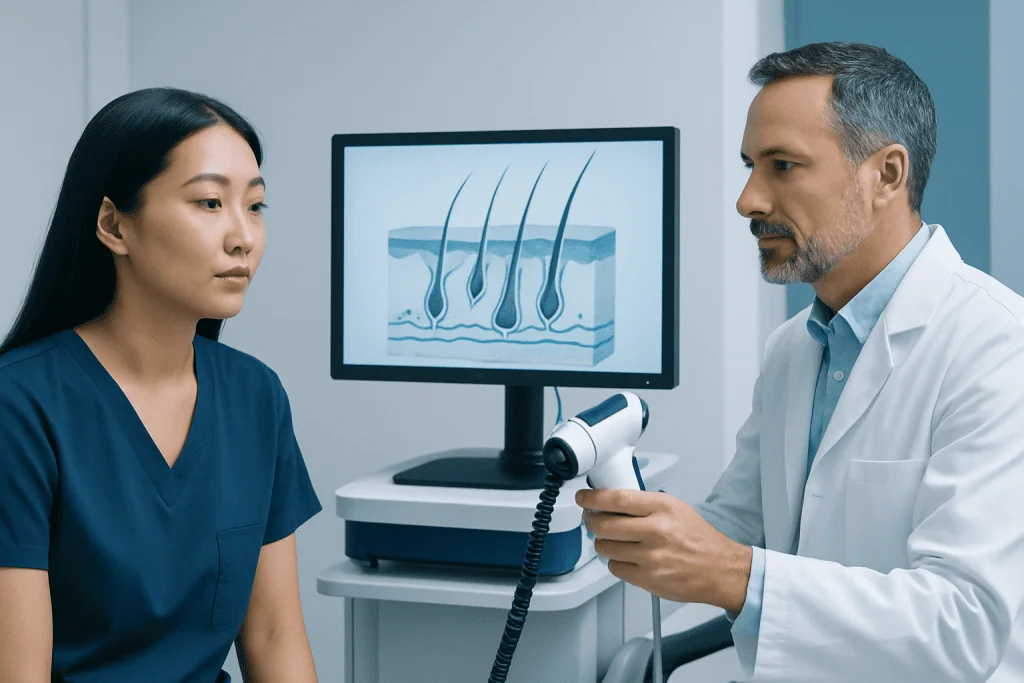
Anagen is the active growth phase. During this stage, cells in the hair root divide rapidly and the hair shaft lengthens. For scalp hair, anagen can last for years, which is why some people can grow their hair much longer than others. Genetics, age, hormones, and general health all influence how long this phase lasts.
Catagen is a short transition phase. The follicle begins to shrink, growth slows, and the lower part of the hair detaches from its blood supply. This is a normal part of the cycle and does not usually cause noticeable shedding on its own.
Telogen is the resting phase. The hair remains in the follicle but is no longer actively growing. After telogen, the follicle may enter exogen, the stage in which the old hair is released so a new anagen hair can emerge. Daily shedding is often part of this process and does not automatically mean disease.
- Anagen: active growth
- Catagen: brief transition
- Telogen: resting period
- Exogen: release and shedding of the hair
Why the cycle varies from person to person

The hair growth cycle does not look exactly the same in everyone. Scalp hairs spend much more time in anagen than eyebrow or body hairs, which is why scalp hair can grow longer. Even on the scalp, follicles are at different points in the cycle at any given moment, helping maintain overall coverage.
Genetics play a major role in cycle length and hair characteristics such as thickness, curl pattern, and maximum length. Age can also affect the cycle. Over time, some follicles may produce finer hairs, and the growth phase may shorten, making hair seem less dense or slower to recover after shedding.
Hormonal changes are another important factor. Pregnancy, childbirth, menopause, thyroid disorders, and androgen-related conditions can all influence how many follicles remain in growth versus resting phases. This is one reason hair changes may occur during broader shifts in the body rather than from scalp problems alone.
What can disrupt the hair growth cycle
Many forms of hair loss happen when the normal balance of the cycle is disturbed. A common example is telogen effluvium, in which more hairs than usual enter the resting phase after a trigger such as high fever, surgery, significant emotional stress, childbirth, rapid weight change, or illness. Shedding often appears weeks to months after the event, which can make the connection easy to miss.
Nutritional issues may also affect the cycle. Low iron stores, inadequate protein intake, or deficiencies related to restrictive diets can reduce healthy hair production. Certain medications, scalp inflammation, and chronic medical conditions may have similar effects. Because hair reflects overall body function, a doctor may consider general health as well as scalp findings.
Pattern hair loss is different from temporary shedding. In genetically influenced hair loss, follicles gradually become smaller over time, and each cycle may produce a thinner, shorter hair. This process is often described in androgenetic alopecia. Patchy loss can point to other causes, such as alopecia areata, which needs medical assessment.
How doctors assess changes in hair shedding and growth
Diagnosis begins with a careful history. A doctor may ask when shedding started, whether it is diffuse or patchy, and whether there were recent illnesses, medications, dietary changes, or hormonal events. Questions about family history, scalp symptoms, and hair styling practices can also help narrow down the cause.
A scalp examination looks for signs such as miniaturized hairs, broken hairs, redness, scaling, or smooth bald patches. In some cases, a pull test, dermoscopy, or laboratory tests may be used to evaluate possible triggers such as thyroid disease, iron deficiency, or other systemic conditions. These steps help distinguish normal shedding from medically significant hair loss.
When the pattern suggests longer-term follicle miniaturization or permanent loss, early evaluation can be useful. Timely care may help preserve existing hair and guide expectations about regrowth. If a structural solution is needed after assessment, options such as hair transplant treatment may be discussed in suitable candidates.
Treatment options and supporting healthy regrowth
Treatment depends on the reason the hair growth cycle has changed. If the cause is temporary, such as stress-related shedding or recovery after an illness, the main approach is often to address the trigger and allow time for the follicles to re-enter anagen. In these cases, regrowth usually happens gradually rather than all at once.
If a medical condition is contributing, treatment may focus on that underlying issue. This could include correcting nutritional deficiencies, reviewing medications, managing hormonal problems, or treating scalp inflammation. Some people may benefit from medical therapies designed to support regrowth or slow further loss, but these should be chosen with professional guidance.
For people with advanced pattern hair loss, procedural options may sometimes be considered as part of a broader care plan. Depending on the clinical picture, a specialist may discuss restorative approaches alongside medical treatment, such as PRP treatment for hair loss or other individualized strategies. Realistic expectations are important, because response varies by cause, follicle health, and stage of loss.
Prevention and self-care for the hair growth cycle
Not every change in the hair growth cycle can be prevented, especially when genetics are involved. Still, gentle habits may help reduce avoidable stress on the hair and scalp. This includes avoiding excessive heat styling, harsh chemical processing, and tight hairstyles that pull on the roots over time.
General health supports hair health. A balanced diet with adequate protein, iron, vitamins, and minerals is important, especially during times of illness recovery or major lifestyle change. Good sleep, stress management, and treatment of medical conditions can also help maintain a healthier cycle.
It is often helpful to take a long view. Hair grows slowly, and improvements may take months to become visible because follicles need time to move back into active growth. Tracking shedding patterns, scalp symptoms, and any major life events can provide useful information for a medical appointment if concerns continue.
When to seek medical care
Medical advice is a good idea if hair shedding is sudden, severe, or lasts for several months. A person should also seek assessment if thinning is patchy, the part line is widening quickly, or the scalp feels itchy, painful, inflamed, or scaly. These features can suggest a condition that needs diagnosis rather than simple observation.
Care is also important when hair changes occur along with fatigue, weight change, menstrual irregularities, signs of hormonal imbalance, or recent serious illness. These clues may point to a wider health issue affecting the follicles. Early evaluation can help identify reversible causes and guide appropriate treatment.
For international patients seeking evaluation of hair loss and scalp disorders, Acibadem International’s multidisciplinary specialists in JCI-accredited hospitals diagnose and treat these conditions with individualized care plans. In some cases, supportive consultation may also include broader restorative options such as stem cell therapy when clinically appropriate and recommended by the treating team.
Frequently asked questions
What are the 3 stages of the hair growth cycle?
The three main stages are anagen, catagen, and telogen. Many doctors also describe exogen as the shedding step, which happens after the resting phase. Together, these phases explain how hair grows, pauses, and is naturally replaced.
How long does each phase of the hair growth cycle last?
Anagen usually lasts the longest and can continue for years on the scalp. Catagen is short, often lasting only a few weeks, while telogen lasts for several months before shedding occurs. Timing varies between individuals and can be influenced by genetics, age, and health.
Is it normal to lose hair every day?
Yes, some daily shedding is a normal part of the hair growth cycle. Hair that has reached the exogen stage is released so a new hair can begin growing. Shedding becomes more concerning when it is sudden, heavy, prolonged, or associated with visible thinning.
Can stress affect the hair growth cycle?
Yes, physical or emotional stress can shift more hairs into the resting phase. This may lead to increased shedding weeks or months later, a pattern often seen in telogen effluvium. In many cases, regrowth begins after the trigger improves, although recovery can take time.
Does the hair growth cycle change with age?
It can. With age, some follicles spend less time in active growth and may produce finer hairs. This can make hair appear thinner or slower to regrow, especially when combined with hormonal or genetic influences.
Can damaged hair follicles recover?
It depends on the cause. Follicles affected by temporary stressors or reversible medical problems often recover once the trigger is treated or removed. If follicles have been permanently scarred or significantly miniaturized, recovery may be limited and specialist assessment is important.
References
- American Academy of Dermatology
- National Institute of Arthritis and Musculoskeletal and Skin Diseases
- British Association of Dermatologists
- Mayo Clinic
- DermNet
This article is for general information only and is not a substitute for professional medical advice. Please consult a qualified doctor about your individual situation.
Hair transplant in Turkey — costs, graft counts & a free assessment
JCI-accredited · board-certified surgeons · reply within 24h
Add us as a Preferred Source to see more of our trusted health content across Google Search, AI Overviews and Discover.
Check your numbers in seconds
BMI, calories, due date, blood pressure and 30+ more clinical calculators — free, instant, doctor-reviewed ranges.

More from the Health Library



Related Specialists
Prof. Dr. Hatem Hakan Selçuk
Interventional Neuroradiology
Dr. İsmet Topaç
Emergency Service
Psk. Elvan Memiç
Psychology
Prof. Dr. Metehan Özen
Pediatric Infectious Diseases