The Human Brain Across the Lifespan: How It Changes With Age

Brain development and aging are lifelong processes that affect memory, attention, speed, mood, and movement. Normal aging may slow processing speed and recall, but it does not automatically mean dementia.
Key Takeaways
- Brain development and aging are lifelong processes that affect memory, attention, speed, mood, and movement.
- Normal aging may slow processing speed and recall, but it does not automatically mean dementia.
- Sleep, exercise, social activity, blood pressure control, and nutrition all support brain health.
- Sudden confusion, major memory decline, weakness, speech problems, or personality change should be assessed promptly.
- Regular medical review can help identify treatable causes of cognitive or neurological symptoms.
The brain changes continuously from infancy to older adulthood. Some changes are expected with age, while others may signal a medical problem and deserve professional evaluation.
Overview: how the brain changes over a lifetime
The human brain across the lifespan is never completely static. From before birth through older age, the brain grows, forms connections, strengthens important pathways, and removes less-used ones. These changes support learning, emotional development, language, movement, and the ability to adapt to daily life.
In childhood and adolescence, the brain develops rapidly. Regions involved in sensation and movement mature early, while areas that support planning, judgment, impulse control, and complex decision-making continue developing into young adulthood. This is one reason why attention, emotional regulation, and risk assessment often improve with age and experience.
During adulthood, the brain usually becomes more efficient at using established networks. Many people deepen skills related to language, knowledge, and problem-solving. Later in life, some processes may become slower, and certain structures may gradually shrink. Even so, the aging brain remains capable of learning, adapting, and creating new neural connections, a property often called neuroplasticity.
What changes are considered normal with brain aging?
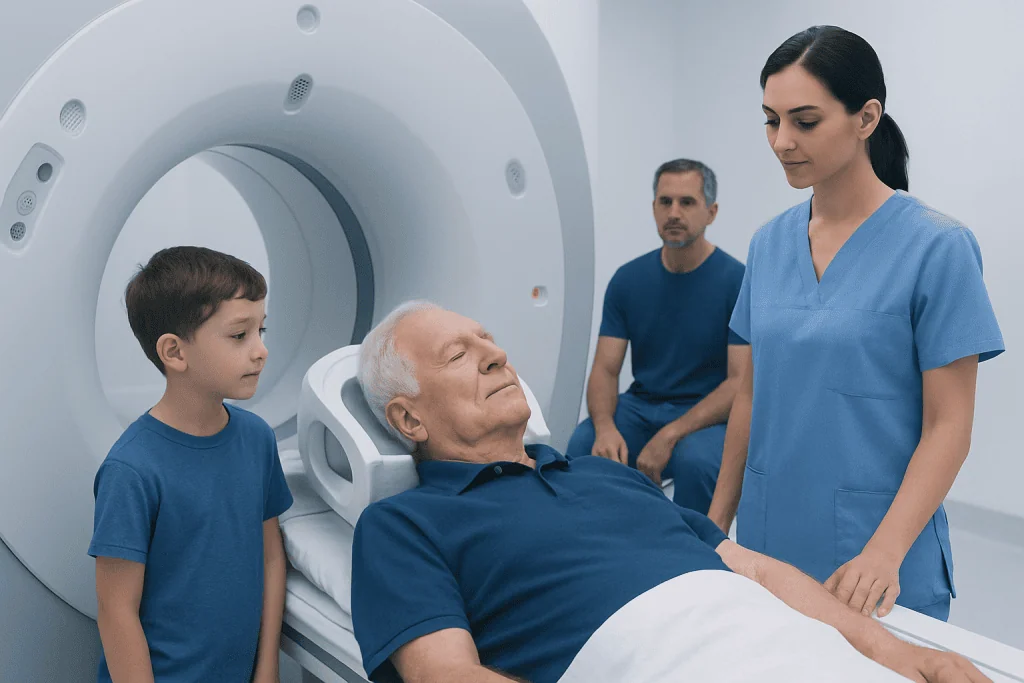
Normal brain aging can bring subtle changes in thinking and daily function. A person may take longer to learn unfamiliar technology, need more time to recall a name, or find multitasking more tiring than before. Processing speed and working memory often change first, while vocabulary and general knowledge may remain stable for many years.
Age-related changes can also affect sleep patterns, balance, and reaction time. Some adults notice lighter sleep, earlier waking, or a greater need for routines. Mild forgetfulness, such as misplacing items occasionally but later finding them, is common and not the same as serious memory disease.
Typical age-related brain changes may include:
- Slower recall of recently learned information
- Reduced mental flexibility during complex tasks
- Mild changes in attention, especially with distractions
- Slower physical reaction time
- Changes in sleep quality or timing
These changes should still allow a person to manage usual activities, relationships, and personal care. When thinking changes begin to interfere with medication management, finances, safety, language, or independent living, a medical assessment is important to look for causes beyond normal aging.
How the brain develops from infancy to adulthood
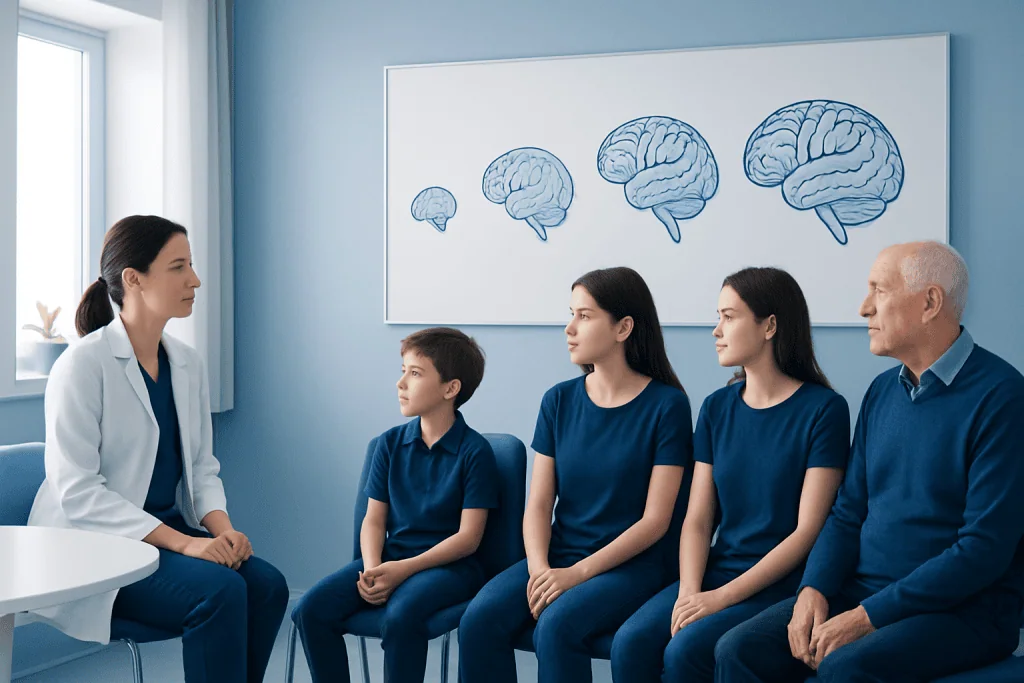
Early life is a period of remarkable brain growth. In infancy and early childhood, the brain rapidly forms synapses, which are the connections between nerve cells. Experiences such as talking, reading, touch, play, sleep, and nutrition help shape these developing networks. A safe and stimulating environment supports language, memory, and social skills.
As children grow, the brain becomes more specialized and efficient. Not every early connection is kept. Through a normal process sometimes called pruning, frequently used pathways are strengthened while less-used ones are reduced. This helps the brain work more effectively, although development may differ from one child to another.
Adolescence brings another major phase of brain change. The emotional and reward-related systems may mature earlier than the frontal regions involved in planning and impulse control. This helps explain why teenagers can be creative and quick learners, yet still be more vulnerable to risk-taking, stress, poor sleep, or the effects of alcohol and drugs.
By young adulthood, the brain’s major networks are usually more integrated. Attention, self-regulation, and decision-making often become more consistent. Even at this stage, lifestyle remains important, because chronic sleep loss, head injury, substance use, and untreated mental health conditions can affect brain function.
Why the aging brain changes: common causes and risk factors
Brain aging reflects a combination of biology, lifestyle, and medical conditions. Over time, blood vessels may become less flexible, inflammation may increase, and some brain cells may communicate less efficiently. These shifts do not affect everyone in the same way. Genetics matter, but daily habits and overall health also play a major role.
Several health conditions can speed cognitive decline or worsen brain function. High blood pressure, diabetes, high cholesterol, obesity, smoking, untreated sleep apnea, hearing loss, depression, and social isolation are all linked with poorer brain health. Repeated head injuries and heavy alcohol use can also contribute.
Some changes in memory or concentration are not caused by aging itself but by treatable problems. Examples include thyroid disorders, vitamin deficiencies, medication side effects, infections, chronic stress, severe anxiety, and poor sleep. In some people, symptoms may be related to neurological disease, including Alzheimer's disease or other forms of dementia.
Vascular health is especially important because the brain depends on steady blood flow. Conditions that raise the risk of stroke or silent vessel damage can gradually affect memory, planning, mood, and walking. Preventing or treating stroke and vascular disease is therefore an important part of healthy brain aging.
When brain changes may be a sign of a medical problem
Not all brain-related changes are expected. Memory loss that repeatedly disrupts daily life, confusion about familiar places, major personality changes, new difficulty speaking, or trouble handling routine tasks should be evaluated. Family members often notice these changes before the person affected does.
Warning signs can also include losing track of time frequently, asking the same questions over and over, getting lost in known areas, poor judgment, or increasing dependence for everyday activities. Symptoms such as tremor, balance problems, fainting, severe headaches, or new weakness can point to neurological conditions rather than typical aging alone.
Some symptoms need urgent medical attention. Sudden facial droop, arm weakness, speech difficulty, sudden confusion, vision loss, or a severe unusual headache may be signs of a stroke or another emergency. Rapid assessment can be critical.
Changes in mood and behavior also matter. Depression, anxiety, apathy, irritability, and sleep disturbance may appear alongside cognitive symptoms or even mimic them. A full medical review helps separate emotional, metabolic, neurological, and medication-related causes.
How doctors assess age-related brain changes
Evaluation usually begins with a detailed medical history and conversation about symptoms. Doctors ask when changes began, how quickly they have progressed, and whether they affect work, home life, safety, or independence. Input from a family member or caregiver can be very helpful, especially if memory is a concern.
A neurological examination may assess reflexes, strength, coordination, sensation, balance, speech, and eye movements. Short cognitive screening tests can check memory, attention, language, and executive function. Depending on the situation, more in-depth neuropsychological testing may be recommended to clarify patterns of strength and weakness.
Blood tests are often used to look for treatable causes such as low vitamin B12, thyroid problems, infection, or metabolic imbalance. Brain imaging may also be useful, especially if symptoms are unusual, sudden, progressive, or associated with injury. In some cases, doctors may recommend MRI imaging or CT scanning to look for structural changes, bleeding, stroke, tumors, or pressure-related problems.
If symptoms suggest a sleep-related issue, doctors may also evaluate sleep quality, breathing during sleep, and daytime fatigue. Hearing and vision tests can be important too, because sensory loss can worsen concentration, communication, and memory performance.
Treatment and support for brain health at different ages
Treatment depends on the cause of the problem. For normal cognitive aging, care focuses on protecting brain function and preserving independence. If symptoms are linked to a medical condition, treatment may involve controlling blood pressure, improving blood sugar levels, correcting deficiencies, adjusting medications, or treating depression, anxiety, or sleep disorders.
When a neurodegenerative condition is suspected, care often includes specialist evaluation, ongoing monitoring, and support for both the person and family. Some patients may benefit from assessment by a neurology specialist or from structured neuropsychological testing to better understand cognitive changes. Rehabilitation strategies, memory aids, occupational therapy, speech therapy, and caregiver education may also help.
Healthy routines remain valuable at every stage. Physical activity supports circulation and may improve mood, sleep, and attention. Cognitive stimulation through reading, language learning, music, hobbies, or social engagement can help maintain mental flexibility. Good hearing and vision care also reduce cognitive strain.
For international patients who need evaluation or treatment, Acibadem International offers multidisciplinary assessment in JCI-accredited hospitals, where specialists diagnose and treat neurological and age-related brain conditions.
Prevention, self-care, and when to seek medical advice
No single habit can prevent every brain disorder, but a combination of healthy choices supports long-term brain health. Regular exercise, balanced nutrition, consistent sleep, social connection, and management of blood pressure, cholesterol, and diabetes all make a meaningful difference. Avoiding smoking and limiting alcohol are also important.
Daily routines that challenge the brain can be simple and enjoyable. Reading, conversation, puzzles, creative work, volunteering, and learning new skills all engage different brain networks. Managing stress through relaxation techniques, counseling, or mindfulness may also improve focus and emotional well-being.
It is a good idea to arrange medical review if there is persistent memory loss, confusion, repeated falls, new tremor, changes in behavior, or reduced ability to manage daily tasks. Early assessment can identify reversible causes and allow timely support when a chronic condition is present.
Emergency care is needed for sudden neurological symptoms such as one-sided weakness, slurred speech, severe sudden headache, seizure, fainting, sudden vision loss, or abrupt confusion. These symptoms should never be explained away as simple aging.
Frequently asked questions
Does aging always cause memory loss?
Aging can cause mild changes in recall speed and attention, but it does not always lead to significant memory loss. Many older adults remain mentally active and independent, especially when overall health is well managed.
What is the difference between normal forgetfulness and dementia?
Normal forgetfulness may include occasionally misplacing items or taking longer to remember a name, while daily function remains intact. Dementia usually involves progressive decline that interferes with language, judgment, safety, finances, medications, or independent living.
Can the brain still learn new things in older age?
Yes. The brain keeps some ability to adapt and form new connections throughout life. Learning a language, starting an exercise routine, practicing music, or building new social habits can still support brain function in later years.
Which lifestyle habits best support healthy brain aging?
Regular physical activity, good sleep, a balanced diet, social connection, and control of blood pressure, cholesterol, and blood sugar are all important. Avoiding smoking, limiting alcohol, and treating hearing loss, depression, and sleep disorders can also help protect brain health.
When should someone see a doctor for brain-related changes?
A doctor should be consulted if memory, behavior, speech, balance, or thinking changes are persistent, worsening, or affecting daily life. Urgent evaluation is needed for sudden confusion, weakness, speech problems, seizures, or a severe sudden headache.
Can stress and poor sleep affect the brain like aging does?
Yes, chronic stress and poor sleep can worsen attention, mood, and memory, and sometimes these effects can resemble age-related cognitive problems. The good news is that these causes may improve when they are identified and treated.
References
- World Health Organization
- National Institute on Aging
- Centers for Disease Control and Prevention
- National Institute of Neurological Disorders and Stroke
- Alzheimer's Association
This article is for general information only and is not a substitute for professional medical advice. Please consult a qualified doctor about your individual situation.
Explore treatments in Turkey — costs, top hospitals & a free quote
JCI-accredited · board-certified surgeons · reply within 24h
Add us as a Preferred Source to see more of our trusted health content across Google Search, AI Overviews and Discover.
Check your numbers in seconds
BMI, calories, due date, blood pressure and 30+ more clinical calculators — free, instant, doctor-reviewed ranges.