

Thick Hair: A Complete Medical Overview

Thick hair is usually defined by high hair density, larger strand diameter, or a combination of both. Genetics are the main reason some people naturally have thick hair, but age, hormones, nutrition, and scalp health also play a role.
Key Takeaways
- Thick hair is usually defined by high hair density, larger strand diameter, or a combination of both.
- Genetics are the main reason some people naturally have thick hair, but age, hormones, nutrition, and scalp health also play a role.
- Healthy thick hair can still develop problems such as dryness, breakage, scalp buildup, or inflammation.
- A doctor may evaluate sudden changes in hair texture, patchy loss, scalp pain, itching, or excessive shedding.
- Hair care works best when it balances cleansing, moisture, gentle handling, and treatment of any underlying scalp condition.
Thick hair usually means a person has more hair follicles per area, wider hair strands, or both. It is often a normal trait, but changes in hair thickness, texture, shedding, or scalp symptoms can sometimes signal an underlying medical issue.
Overview: What Thick Hair Really Means
Thick hair usually refers to hair that looks fuller and feels more substantial than average. In medical and hair-care terms, this may be due to high hair density, meaning more hairs growing from the scalp, a larger diameter of each hair strand, or both. Because people often use the term loosely, it helps to separate appearance from biology.
A person can have many fine strands and still appear to have thick hair because the overall density is high. Another person may have fewer individual hairs, but each strand is coarse or wide, which also creates a thick look. Curl pattern can add volume as well, so visually thick hair does not always mean the scalp contains more follicles.
Most of the time, thick hair is simply a normal inherited characteristic. It is not a disease and does not need treatment. However, people with thick hair may still experience medical or practical concerns such as scalp oil buildup, dandruff, itching, breakage, tangling, or difficulty noticing early hair loss because the hair still looks full.
From a health perspective, the more important question is not whether the hair is thick, but whether it has changed. A sudden shift in hair texture, new shedding, scalp inflammation, or areas of thinning may deserve assessment to rule out conditions affecting the skin, hormones, or general health.
How Hair Thickness Is Measured
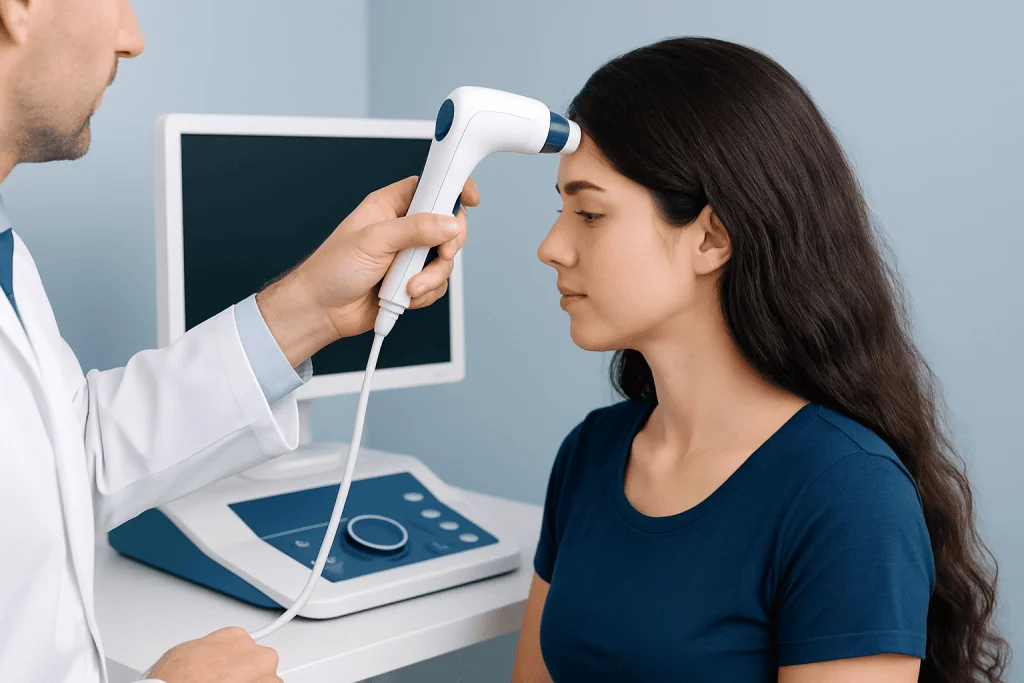
Hair thickness is not one single feature. Clinicians and hair specialists usually think about three related factors: strand diameter, density, and overall scalp coverage. Strand diameter describes how wide each hair shaft is. Density refers to how many hairs grow in a given area of scalp. Coverage is the visible result of density, diameter, color contrast, and styling pattern.
Hair grows in cycles. At any time, some follicles are actively growing while others are resting or shedding. This means a person’s hair can seem thicker or thinner at different times of life, even without a change in the number of follicles. Seasonal variation, temporary shedding after illness, and age-related changes can all influence how full the hair appears.
Doctors may examine the scalp visually or with magnification if there is a concern about texture or hair loss. This can help distinguish normal thick hair from conditions that alter the shaft or growth pattern. For example, some people with naturally coarse hair have healthy strands, while others have rough or brittle hair due to chemical damage, inflammation, or structural problems in the hair shaft.
Understanding this difference helps guide care. Thick hair that is healthy mainly needs supportive grooming habits. Thick hair that is suddenly dry, weak, patchy, or hard to manage may need evaluation for a scalp disorder or another underlying cause, including hair loss.
What Influences Thick Hair

Genetics are the strongest influence on whether someone has thick hair. Family background often affects follicle number, strand shape, hair diameter, and growth pattern. Ethnic variation also plays a role, and there is a wide normal range in how hair looks and behaves across populations.
Hormones can influence how hair feels and grows throughout life. Puberty, pregnancy, menopause, thyroid disorders, and other endocrine changes may alter strand diameter, shedding, or oil production. In some cases, changes in hair are one of several clues that the body is adjusting to a hormonal shift rather than developing a scalp disease.
Nutrition and general health matter too. Hair depends on adequate protein, iron, zinc, certain vitamins, and overall calorie intake. When the body is under stress from illness, surgery, restrictive dieting, or chronic disease, more hairs may enter the shedding phase. Even in someone with naturally thick hair, that can lead to reduced fullness over time.
Scalp health is another major factor. Inflammation, excessive oil, product buildup, seborrheic dermatitis, or infections can affect how hair grows and how manageable it feels. Treating the scalp often improves the quality of the hair itself. If the scalp is persistently itchy, flaky, painful, or inflamed, the issue may be more than a cosmetic concern.
Common Challenges for People With Thick Hair
Thick hair is often seen as desirable, but it can bring its own set of concerns. Because there is more hair to wash, dry, and style, people may spend more time on hair care and may be more likely to use heat or heavy products. Over time, that can contribute to dryness, split ends, buildup, or breakage.
Some people with thick hair notice that the scalp feels oily while the ends feel dry. This happens because scalp oils do not always spread evenly through dense hair. Others may experience tangling, matting, scalp sensitivity from tight hairstyles, or discomfort when hair stays damp for long periods after washing.
Thick hair can also make some conditions harder to notice early. Mild dandruff, scalp redness, folliculitis, or thinning beneath the surface may be hidden by overall fullness. In this way, abundant hair can delay recognition of a problem that would otherwise be easy to spot in thinner hair.
It is also important to distinguish thick hair from unhealthy swelling or roughness of the shaft. Hair that feels bulky because it is damaged, frizzy, or repeatedly exposed to harsh treatments may not truly be healthier or stronger. If thick hair becomes increasingly fragile or unmanageable, a dermatologist may look for scalp disease, traction injury, or environmental damage.
When Thick Hair Changes: Possible Medical Causes
A stable pattern of thick hair is usually normal. The main reason to look deeper is when the hair or scalp changes noticeably. Sudden increased shedding, patchy thinning, widening of the part, scalp itching, scaling, tenderness, or areas of broken hairs can suggest an underlying condition rather than a normal variation.
Possible causes include thyroid disease, iron deficiency, inflammatory scalp disorders, autoimmune disease, fungal infection, medication effects, and stress-related shedding. Some conditions affect the scalp directly, while others change the hair cycle throughout the body. A doctor will usually consider recent illness, diet changes, hormone symptoms, family history, and hair styling habits.
In some cases, thick hair may coexist with hair loss. For example, a person can have naturally dense hair but still develop gradual thinning from androgen-related hair loss over time. Medical assessment may help distinguish normal aging from treatable conditions such as alopecia.
Problems around the root of the hair may also involve the scalp skin itself. Persistent flaking, redness, pustules, or inflamed areas may need a dermatologic diagnosis and targeted treatment. If a person is considering restoration options because fullness has clearly declined, specialists may also discuss approaches such as hair transplant in carefully selected cases.
Diagnosis and Professional Evaluation
Evaluation begins with a medical history and scalp examination. A doctor may ask when the hair changed, whether shedding has increased, which products or chemical treatments are used, whether hairstyles create tension, and whether there are symptoms such as itching, pain, or scaling. General health questions often include menstrual history, weight changes, recent illness, medications, and family history of hair disorders.
The physical exam may assess hair density, shaft quality, scalp inflammation, and the distribution of thinning or breakage. Sometimes the clinician performs a simple pull test to estimate active shedding. Magnified examination can help identify miniaturized hairs, scalp scale, or signs of follicle damage.
If an internal medical cause is suspected, blood tests may be recommended to check factors such as iron status, thyroid function, or other relevant markers. Not everyone with thick hair needs testing. Investigations are generally guided by symptoms, examination findings, and whether the change appears sudden, severe, or linked to another health issue.
When a structural or persistent scalp problem is present, referral to dermatology can be useful. The goal is not only to explain why the hair appears thick or different, but to protect long-term follicle health and prevent avoidable damage. In complex cases, a center with dermatology and related specialties can coordinate care; Acibadem International’s multidisciplinary specialists in JCI-accredited hospitals diagnose and treat hair and scalp conditions for international patients.
Care, Treatment, and Supporting Healthy Thick Hair
Healthy thick hair usually does not need medical treatment, but it does benefit from an approach tailored to density and texture. Gentle cleansing helps remove oil and product buildup from the scalp, while conditioner or moisturizing products help protect the length of the hair. The right washing frequency varies from person to person based on scalp oiliness, activity level, and styling routine.
People with thick hair may benefit from detangling carefully, reducing excessive heat exposure, and avoiding very tight hairstyles that place prolonged tension on the roots. Air drying when practical, using wide-tooth combs, and limiting harsh chemical processing can help reduce breakage. If thick hair feels dry rather than oily, a doctor or dermatologist may suggest scalp-friendly products that support barrier function without causing buildup.
Medical treatment depends on the cause if there is an underlying problem. Scalp inflammation may need medicated shampoos or prescription therapies. Hormonal or nutritional issues are managed by addressing the medical condition rather than the hair alone. If hair thinning develops, treatment may overlap with options used for hair loss, and in selected situations doctors may discuss restorative procedures such as Sapphire FUE hair transplant or DHI hair transplant.
Supplements should be used cautiously. They are not automatically helpful for everyone, and taking unnecessary products can sometimes be unhelpful or unsafe. It is better to seek medical advice if there is concern about deficiency, sudden shedding, or a change in texture that does not improve with gentle care.
Prevention, Self-Care, and When to Seek Medical Care
For most people, the best way to support thick hair is consistent scalp and hair care rather than aggressive treatment. A balanced diet, enough protein, good sleep, and management of physical or emotional stress support normal hair cycling. Protecting the scalp from sun exposure and avoiding repeated tight styles may also reduce avoidable strain on follicles.
Self-care is especially important after illness, childbirth, major weight change, or periods of high stress, when temporary shedding may occur. It helps to be patient, because hair grows slowly and visible improvement can take time. Taking regular photos of the scalp or part line can make changes easier to track than relying on memory alone.
A person should seek medical care if hair becomes suddenly thinner or much more brittle, if there is patchy loss, if the scalp is persistently itchy or painful, or if flaking, redness, sores, or pustules develop. Review is also sensible when shedding increases for more than a few weeks, when other symptoms suggest a hormone or nutritional issue, or when hairstyles are causing tenderness or breakage.
Prompt evaluation can be reassuring even when the cause turns out to be temporary. Early care may also help preserve hair density when an underlying scalp or systemic condition is present, allowing treatment to focus on the root cause rather than the appearance alone.
Frequently asked questions
Is thick hair a sign of good health?
Not necessarily. Thick hair is often a normal inherited trait related to hair density or strand diameter. While good nutrition and overall health support hair quality, thick hair alone does not prove that a person is healthier than someone with finer hair.
What is the difference between thick hair and coarse hair?
Thick hair usually describes fullness, which may come from many hairs, wider strands, or both. Coarse hair refers more specifically to the diameter and texture of individual strands. A person can have fine but dense hair, or coarse hair that is not especially dense.
Can thick hair still fall out or thin over time?
Yes. Naturally thick hair can still be affected by age, hormones, stress, nutritional issues, medications, or scalp conditions. Because thick hair may keep its full appearance for a while, early thinning is sometimes harder to notice.
Why does thick hair sometimes feel dry or frizzy?
Dense hair can be harder for natural scalp oils to coat evenly from root to tip. Heat styling, chemical treatments, harsh shampoos, and friction can also damage the hair shaft. This may make thick hair feel rough, dry, or difficult to manage even when it still looks full.
Should someone with thick hair wash it less often?
There is no single best schedule. Washing frequency depends on scalp oiliness, sweat, exercise, and product use rather than thickness alone. The goal is to keep the scalp comfortable and clean without over-drying the hair lengths.
When should a person worry about changes in thick hair?
Medical review is a good idea when there is sudden shedding, patchy loss, scalp pain, persistent itching, visible inflammation, or a major texture change. It is also sensible to seek advice if hair changes are accompanied by symptoms such as fatigue, menstrual changes, or unexplained weight change.
References
- American Academy of Dermatology
- National Institutes of Health
- National Health Service
- Mayo Clinic
- British Association of Dermatologists
This article is for general information only and is not a substitute for professional medical advice. Please consult a qualified doctor about your individual situation.
Hair transplant in Turkey — costs, graft counts & a free assessment
JCI-accredited · board-certified surgeons · reply within 24h
Add us as a Preferred Source to see more of our trusted health content across Google Search, AI Overviews and Discover.
Check your numbers in seconds
BMI, calories, due date, blood pressure and 30+ more clinical calculators — free, instant, doctor-reviewed ranges.

More from the Health Library



Related Specialists
Dr. Serap Gülşeni
Occupational Medicine
Mehmet Akif Aracı
Physical Medicine & Rehabilitation
Dr. Hakan Özbay
Orthopedic Surgery & Traumatology
Dr. Kadir Yavaşoğlu
Orthopedic Surgery & Traumatology