Thinning Hair Chemotherapy: How It Works, Results and What to Expect
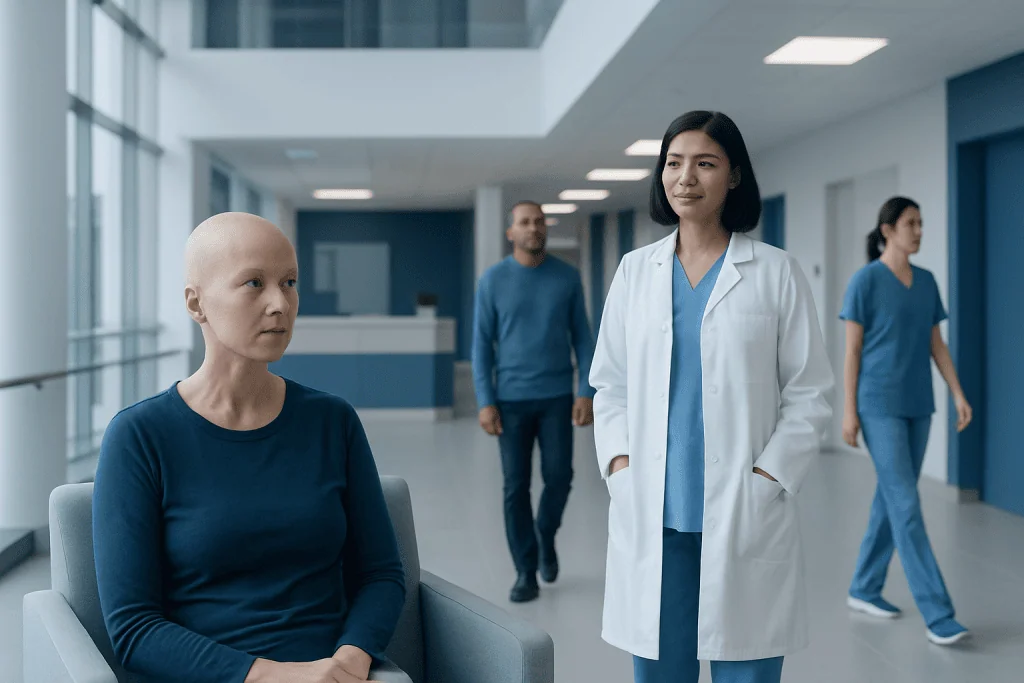
Chemotherapy-related thinning may range from mild shedding to near-complete hair loss, depending on the medicines and doses used. Hair loss often starts about two to three weeks after the first chemotherapy treatment, but timing differs between individuals.
Key Takeaways
- Chemotherapy-related thinning may range from mild shedding to near-complete hair loss, depending on the medicines and doses used.
- Hair loss often starts about two to three weeks after the first chemotherapy treatment, but timing differs between individuals.
- Scalp cooling may reduce hair loss for some people receiving certain chemotherapy regimens, although it cannot prevent it in every case.
- Hair usually begins to regrow within weeks to months after chemotherapy ends, sometimes with temporary changes in texture or color.
- The oncology team can explain the expected hair effects of a specific treatment plan and suggest supportive care options.
Thinning hair during chemotherapy happens because some cancer medicines temporarily affect rapidly dividing cells in hair follicles. The amount and timing of hair loss vary by treatment plan, and for most people hair begins to grow back after chemotherapy is completed.
Overview: What Does Thinning Hair Chemotherapy Mean?
Thinning hair chemotherapy refers to hair shedding or reduced hair density caused by chemotherapy medicines. These medicines are designed to target cancer cells, which divide quickly. Because hair-follicle cells also divide rapidly, some chemotherapy medicines can temporarily interrupt normal hair growth and cause the hair shaft to weaken or shed.
Hair changes may affect the scalp, eyebrows, eyelashes, beard, and body hair. Some people notice only increased shedding or overall thinning, while others lose most or all scalp hair. The pattern depends mainly on the specific medicines, their dose and schedule, and individual sensitivity.
Chemotherapy-related hair loss is medically known as anagen effluvium. It is usually temporary, but it can feel emotionally difficult and can make the experience of cancer treatment more visible. Discussing this possibility before treatment begins allows a person to make practical and personal choices that feel right for them.
How Chemotherapy Causes Hair Thinning
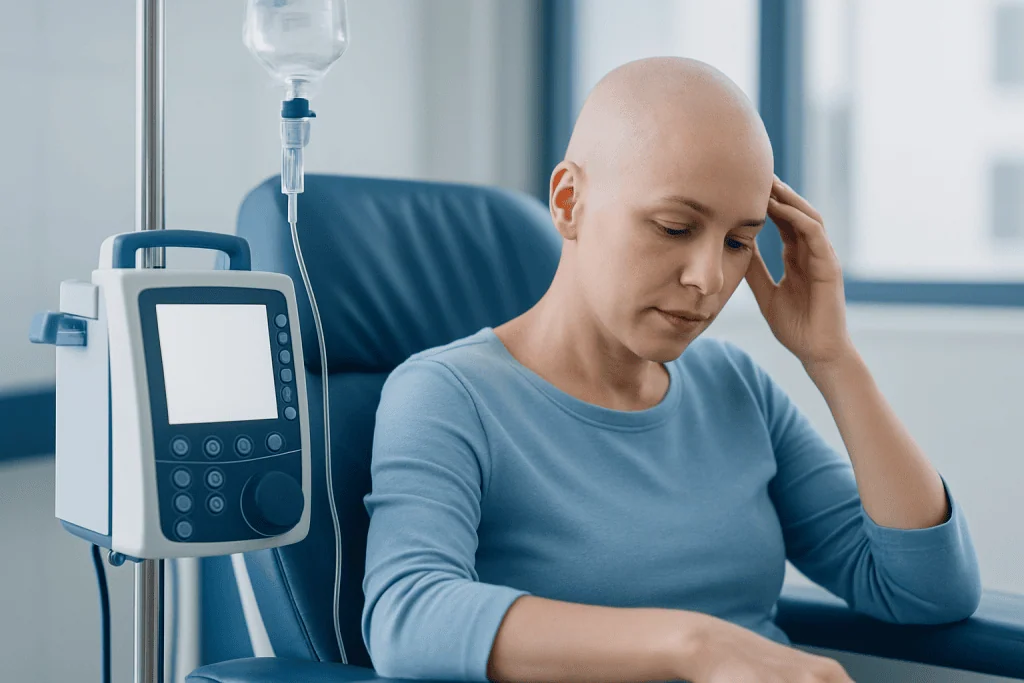
Hair follicles cycle through stages of growth, rest, and shedding. Most scalp hair is normally in the active growth phase, called anagen. Chemotherapy can damage the rapidly multiplying cells that form the growing hair, causing the strand to narrow, break, or detach from the follicle.
Not every chemotherapy medicine causes the same degree of hair loss. Some regimens cause little or no visible thinning, while others commonly cause substantial loss. Treatment is selected for its expected benefit against a particular cancer; avoiding hair loss alone is generally not a reason to change an effective treatment plan, although the oncology team can sometimes discuss appropriate alternatives.
Other cancer treatments and health factors may also contribute to thinning. Radiation therapy causes hair loss only in the area being treated, and hormone therapy, targeted therapy, immunotherapy, nutritional changes, thyroid conditions, stress, or certain medications can also affect hair. A clinician can help identify the most likely cause when hair changes are unexpected.
How Fast Is Hair Loss With Chemo?
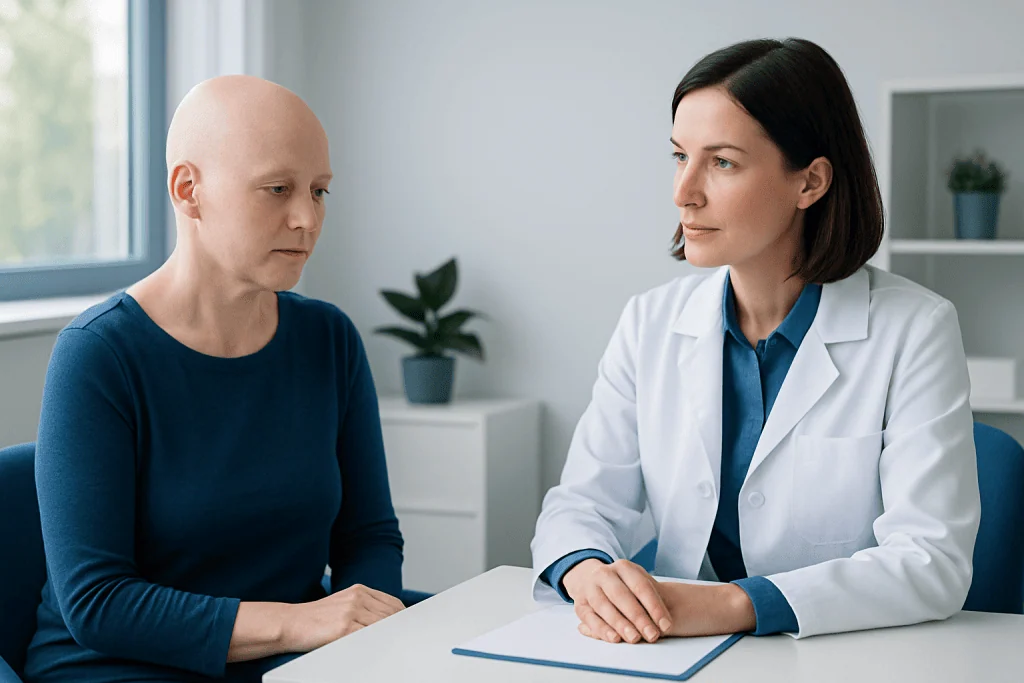
When hair loss occurs, it commonly begins around two to three weeks after the first chemotherapy session. A person may initially notice more hair on a pillow, in a brush, or in the shower drain. The scalp can feel tender, itchy, dry, or unusually sensitive before or during shedding, although these symptoms do not occur for everyone.
Shedding may become most noticeable over the following one to two treatment cycles. For many people, the change develops over several weeks rather than overnight. However, faster loss can occur with some medicines, and others cause only gradual thinning throughout treatment.
The oncology team is the best source of individualized expectations. Before treatment starts, patients can ask whether their regimen is likely to cause no hair loss, partial thinning, or more complete loss, and whether scalp cooling is a suitable option.
Which Chemo Is Worst for Hair Loss?
Chemotherapy medicines differ greatly in their likelihood of causing hair loss. Drugs from groups commonly called anthracyclines and taxanes are among those more often associated with substantial scalp-hair loss. Examples may include doxorubicin, epirubicin, paclitaxel, and docetaxel, particularly when medicines are combined or given at higher-intensity schedules.
Other medicines may cause milder thinning, and some are not usually associated with noticeable scalp-hair loss. The overall effect is influenced by the complete regimen, dose, frequency, treatment duration, and personal response. It is not possible to predict the precise experience of one individual based only on a drug name.
Hair loss should not be used to judge whether chemotherapy is working. Some people have little hair loss despite an effective response, while others lose hair even when treatment response is limited. Treatment monitoring relies on examinations, symptoms, blood tests, and imaging when appropriate.
Candidacy and Scalp Cooling During Chemotherapy
Scalp cooling is a supportive option that may help reduce chemotherapy-related hair loss for some patients. A cooled cap is worn before, during, and after chemotherapy. Cooling narrows blood vessels in the scalp and may reduce the amount of chemotherapy medicine reaching hair follicles, while also slowing follicle-cell activity.
Scalp cooling does not guarantee hair preservation. Its effectiveness varies by chemotherapy regimen, cap fit, cooling protocol, and individual factors. Even with cooling, some thinning is common, and results may range from modest preservation to substantial retention of hair.
It is not appropriate for everyone. The oncology team considers the cancer type, treatment plan, overall health, and local clinical guidance before recommending it. People who are interested can ask their care team about scalp cooling during chemotherapy before the first infusion, since planning is usually needed in advance.
What Happens Step by Step With Scalp Cooling?
If scalp cooling is suitable, the care team explains how to prepare and what the treatment day will involve. Hair is generally lightly dampened and conditioned to improve contact between the cap and scalp. A close fit is important because uncovered areas may be more likely to shed hair.
The cooling cap is placed before chemotherapy begins, remains on during the infusion, and stays in place for a period afterward. The required timing depends on the chemotherapy medicines and the cooling system used. The first minutes of cooling can feel intensely cold, but many people find the sensation becomes more manageable with blankets, warm drinks, relaxation techniques, or simple distraction.
During the course of chemotherapy, hair care is usually adapted to reduce breakage. The team may advise gentle washing, avoiding very hot water, limiting heat styling and chemical processing, and using a soft brush or wide-tooth comb. These measures cannot stop medicine-related shedding but can protect fragile hair and improve comfort.
What Week of Chemo Is the Hardest?
There is no single hardest week of chemotherapy for everyone. Side effects depend on the type of cancer, medicines, treatment schedule, other health conditions, and whether treatments such as surgery or radiation are also being given. Some people find the days immediately after an infusion most difficult, while others notice fatigue building across several cycles.
Hair loss often becomes emotionally challenging when it starts to be visible, frequently during the first month of treatment. However, emotional responses are highly personal. Some people prefer to cut their hair shorter, shave it, or use scarves, hats, wigs, or hairpieces; others prefer not to change their appearance in advance.
New or worsening symptoms should always be discussed with the cancer team rather than endured alone. Supportive care can address nausea, fatigue, mouth discomfort, skin changes, sleep concerns, and emotional wellbeing. Cancer care may include cancer care support from oncology, nursing, nutrition, psychology, and other specialists as needed.
Recovery Timeline, Benefits, Risks, and When to Seek Medical Care
After chemotherapy ends, hair follicles usually recover. Fine, soft new growth may appear within several weeks, although fuller coverage often takes several months. Regrowth can initially be curlier, straighter, finer, thicker, or a different shade than before; these changes are often temporary. Eyebrows and eyelashes may take longer to return than scalp hair.
The main benefit of scalp cooling is the possibility of retaining more hair and reducing the practical and emotional impact of visible hair loss. Its limitations include discomfort from cold, headache, a sense of heaviness, and the time required before and after treatment. The oncology team can explain potential benefits and limitations in the context of an individual treatment plan.
A person should contact their oncology team promptly for scalp pain that is severe or persistent, a spreading rash, sores, signs of infection such as increasing redness or drainage, sudden patchy hair loss unrelated to the expected treatment pattern, or distress that is affecting daily life. Urgent medical advice is important for fever or any symptom the cancer team has identified as needing immediate attention.
Acibadem International’s multidisciplinary specialists and JCI-accredited hospitals support international patients through cancer diagnosis, treatment, and symptom management, including discussions about chemotherapy-related hair changes and supportive options.
Frequently asked questions
Can chemotherapy cause thinning rather than complete hair loss?
Yes. Chemotherapy can cause anything from mild diffuse thinning to near-complete scalp-hair loss. The degree of change depends on the medicines, doses, treatment schedule, and the individual person’s response.
Why did Kate Middleton not lose hair during chemo?
The Princess of Wales has not publicly shared detailed information about the specific chemotherapy regimen she received or its expected effects on hair. Not all chemotherapy causes visible hair loss, and some people have only mild thinning. Hair changes cannot be used to determine what treatment a person received or how well it is working.
Does hair always grow back after chemotherapy?
For most people, hair begins to regrow after chemotherapy is completed because the follicles recover. Growth commonly starts within weeks to months, though it may take longer for hair to regain previous fullness. Rarely, certain intensive treatments can lead to long-lasting thinning, so individual concerns should be discussed with an oncologist.
Can scalp cooling prevent chemotherapy hair loss?
Scalp cooling can reduce hair loss for some people receiving certain chemotherapy regimens, but it does not work equally well for everyone. The cap must fit closely and be used according to the prescribed timing. An oncology team can advise whether it is appropriate for a particular treatment plan.
Should someone cut their hair before chemotherapy?
Cutting hair short is a personal choice, not a medical requirement. Some people find shorter hair makes shedding less noticeable and easier to manage, while others prefer to keep their usual hairstyle. A person can choose the approach that feels most comfortable to them.
Can hair dye or heat styling be used during chemotherapy?
Hair and scalp can become more fragile during chemotherapy, so gentle care is usually recommended. It may be best to avoid bleach, permanent dyes, chemical straightening, tight hairstyles, and high-heat styling unless the care team says otherwise. Mild shampoo, lukewarm water, and gentle brushing can help limit breakage.
References
- American Cancer Society
- National Cancer Institute
- Cancer Research UK
- Oncology Nursing Society
- Macmillan Cancer Support
This article is for general information only and is not a substitute for professional medical advice. Please consult a qualified doctor about your individual situation.
Chemotherapy in Turkey — costs, top hospitals & a free quote
JCI-accredited · board-certified surgeons · reply within 24h
Add us as a Preferred Source to see more of our trusted health content across Google Search, AI Overviews and Discover.

Medical Oncology Department
Medical treatment of cancer with chemotherapy, immunotherapy and targeted therapies under a multidisciplinary tumor board.
60 specialists in this unit