Thoracic: What Patients Need to Know

Thoracic means related to the chest area between the neck and abdomen. The thoracic region includes the lungs, heart, airways, esophagus, ribs, and thoracic spine.
Key Takeaways
- Thoracic means related to the chest area between the neck and abdomen.
- The thoracic region includes the lungs, heart, airways, esophagus, ribs, and thoracic spine.
- Thoracic symptoms can range from mild muscle strain to conditions affecting breathing, circulation, digestion, or the spine.
- Evaluation may involve a physical exam, imaging, blood tests, or breathing and heart tests depending on symptoms.
- Prompt medical care is important for chest pain, trouble breathing, coughing blood, or sudden severe symptoms.
Thoracic refers to the chest region of the body, including important structures such as the lungs, heart, esophagus, ribs, and thoracic spine. For patients, understanding the term helps make sense of symptoms, tests, and treatments related to chest organs and the upper back.
What thoracic means
Thoracic is a medical term that means “related to the chest.” The thoracic area sits between the neck and the abdomen. It includes the rib cage and many vital organs and tissues, so the word may appear in discussions about breathing, chest pain, back pain, digestion, imaging tests, or surgery.
Patients may hear terms such as thoracic spine, thoracic cavity, thoracic surgery, or thoracic disease. These all describe something located in or affecting the chest region. In everyday care, understanding this word can make medical explanations easier to follow and help patients ask more informed questions.
The thoracic region is complex because several body systems meet there. A symptom in this area does not always come from the same organ. For example, discomfort may begin in the muscles or ribs, but similar symptoms can also come from the lungs, heart, esophagus, or nerves. That is why evaluation often starts broadly and becomes more focused over time.
Which body parts are in the thoracic region
The thoracic region contains structures that protect and support breathing, circulation, and movement. The rib cage surrounds the chest and helps protect the organs inside. The diaphragm, a major breathing muscle, forms the lower boundary of the thoracic cavity.
Important organs and tissues in the thoracic area include the lungs, heart, large blood vessels, trachea and bronchi, esophagus, pleura, ribs, chest wall muscles, and the thoracic spine. The thoracic spine is the middle portion of the spine, connecting with the ribs and helping support posture and movement.
Because so many structures are present in one area, thoracic problems may involve more than one specialty. Depending on the cause, care may involve pulmonology, cardiology, gastroenterology, orthopedics, neurology, radiology, or thoracic surgery. Some patients being evaluated for a chest mass, persistent cough, or lung-related concern may also be assessed for lung cancer or other chest conditions.
- Lungs and pleura
- Heart and major blood vessels
- Airways such as the trachea and bronchi
- Esophagus
- Ribs and chest wall muscles
- Thoracic spine and nearby nerves
Common thoracic symptoms and what they can suggest

Thoracic symptoms vary widely. Some are related to the lungs or airways, such as cough, wheezing, shortness of breath, chest tightness, or pain that worsens with breathing. Others are linked to the musculoskeletal system, including upper or mid-back pain, rib pain, stiffness, or discomfort after lifting, exercise, or prolonged sitting.
Symptoms can also come from the heart, digestive tract, or nerves. Pressure in the chest, palpitations, burning behind the breastbone, trouble swallowing, or pain that radiates to the back, shoulder, or arm may need further evaluation. Numbness, tingling, or band-like pain around the chest can sometimes suggest nerve irritation or a thoracic spine problem.
It is important not to assume that all thoracic pain has the same cause. Mild strain and posture-related pain are common, but chest symptoms can also reflect infections, inflammation, reflux, blood vessel conditions, fractures, or tumors. Symptoms that persist, return often, or interfere with daily life deserve medical attention.
In some patients, thoracic complaints overlap with conditions such as pneumonia or pleural disease, while others may have pain related to the spine or chest wall rather than the lungs themselves. The pattern of symptoms, medical history, and examination usually guide the next steps.
Causes and risk factors
Thoracic symptoms may result from many different causes. Common non-emergency causes include muscle strain, poor posture, overuse injuries, rib irritation, viral infections, acid reflux, and inflammation of the lining around the lungs. Degenerative changes in the thoracic spine can also lead to pain or stiffness, especially with age.
Respiratory causes include bronchitis, asthma, pleurisy, pneumonia, collapsed lung, and chronic lung disease. Cardiovascular causes may include angina, pericarditis, or problems affecting major blood vessels. Digestive causes such as reflux or esophageal spasm can create chest discomfort that can feel similar to heart or lung symptoms.
Risk factors depend on the condition but often include smoking, long-term exposure to air pollution or workplace irritants, previous lung disease, weak bone health, injury, poor ergonomics, obesity, and chronic medical conditions. Family history may matter in some cancers, heart conditions, and inherited connective tissue disorders.
Age also plays a role. Younger adults are more likely to have muscular or inflammatory causes, while older adults may be more likely to have heart, lung, or degenerative spine conditions. Even so, symptoms should be assessed based on the full clinical picture rather than age alone.
How thoracic problems are diagnosed
Diagnosis starts with a detailed medical history and physical examination. A doctor will ask where the symptom is felt, how long it has been present, what makes it better or worse, and whether it is linked to breathing, movement, meals, exercise, fever, cough, or injury. This first step is often very helpful in narrowing the possibilities.
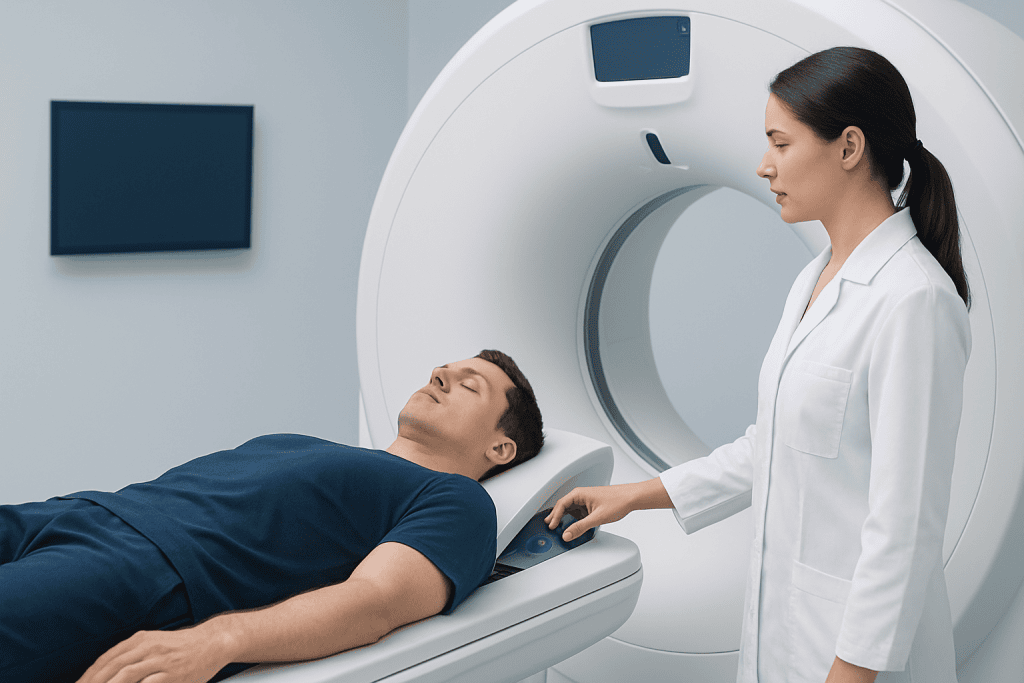
Tests are chosen based on the suspected cause. A chest X-ray may help assess the lungs, ribs, or certain heart-related findings. Computed tomography can offer more detail, while MRI may be useful for the thoracic spine, nerves, or soft tissues. In some cases, ultrasound is used to evaluate fluid around the lungs or guide procedures.
Doctors may also order blood tests, electrocardiography, echocardiography, pulmonary function tests, or endoscopy. If a suspicious area is found in the chest, further evaluation may include biopsy or bronchoscopy. Some patients may need advanced imaging such as MRI scanning or procedures linked to thoracic surgery when structural problems are suspected.
The goal of testing is not simply to label the symptom as “thoracic,” but to identify the exact source. Once the origin is known, treatment can be targeted more effectively and unnecessary interventions can be avoided.
Treatment options for thoracic conditions
Treatment depends entirely on the underlying diagnosis. For muscle strain, posture-related pain, or mild inflammation, care may include rest, activity modification, gentle stretching, heat or cold, and medicines recommended by a doctor. Physical therapy is often helpful for thoracic spine and chest wall problems because it can improve posture, flexibility, and breathing mechanics.
If the cause involves the lungs or airways, treatment may include inhaled medications, antibiotics when a bacterial infection is confirmed or strongly suspected, drainage of fluid, or specialist monitoring. Heart-related causes require a different approach, often involving cardiac testing and urgent treatment when needed. Digestive causes such as reflux may improve with diet changes and medical therapy.
Some conditions need procedural or surgical treatment. Examples include removing a tumor, treating a collapsed lung, taking a biopsy, or addressing severe structural problems. Depending on the diagnosis, patients may be evaluated with PET-CT or considered for robotic surgery as part of a personalized treatment plan.
Near the end of the care pathway, multidisciplinary planning can be especially useful for complex thoracic problems. Acibadem International’s multidisciplinary specialists in JCI-accredited hospitals diagnose and treat thoracic conditions for international patients when advanced evaluation or treatment is needed.
Self-care and prevention
Not all thoracic conditions can be prevented, but some healthy habits can lower risk and support recovery. Avoiding smoking is one of the most important steps for lung and heart health. Good posture, regular movement, and safe lifting habits can help reduce strain on the thoracic spine and chest wall muscles.
Respiratory infections may be reduced with hand hygiene, staying up to date with recommended vaccines, and avoiding close contact with people who are ill when possible. Managing reflux, maintaining a healthy weight, and treating chronic conditions such as asthma or osteoporosis can also help prevent recurrent thoracic symptoms.
At home, self-care should remain cautious. Rest, hydration, gentle activity, and following a doctor’s guidance are generally reasonable for mild symptoms, but persistent chest pain, ongoing cough, or repeated shortness of breath should not be managed with home remedies alone. It is safer to seek medical advice if the cause is not clear.
When to seek medical care
Medical care should be sought promptly for thoracic symptoms that are severe, sudden, or worsening. This includes chest pain or pressure, shortness of breath, fainting, bluish lips, coughing up blood, high fever with breathing difficulty, or pain after a significant injury. These symptoms do not always signal a dangerous problem, but they should be assessed without delay.
Patients should also arrange a medical review if symptoms are persistent or recurrent. Examples include a cough lasting more than a few weeks, unexplained weight loss, frequent wheezing, upper back pain that does not improve, pain with swallowing, or repeated chest discomfort during activity. Early assessment often makes diagnosis and treatment more straightforward.
If there is concern about a serious lung, heart, or spine condition, it is best not to self-diagnose. Thoracic symptoms can overlap, and a careful evaluation is the safest way to determine the cause and choose the right treatment.
Frequently asked questions
What does thoracic mean in medicine?
In medicine, thoracic means related to the chest area. This includes the organs, bones, muscles, nerves, and spaces located between the neck and the abdomen.
Is thoracic pain the same as back pain?
Not always. Thoracic pain may come from the thoracic spine or muscles in the upper and middle back, but it can also come from the lungs, ribs, heart, esophagus, or chest wall. The exact location and associated symptoms help guide the diagnosis.
Which organs are in the thoracic region?
The thoracic region includes the lungs, heart, major blood vessels, trachea, bronchi, esophagus, ribs, pleura, and the thoracic spine. Because several systems are present there, symptoms may have many different causes.
When is a thoracic symptom an emergency?
Sudden chest pain, severe shortness of breath, fainting, coughing blood, or chest symptoms after a major injury should be treated as urgent. These symptoms need prompt medical evaluation to rule out serious heart, lung, or vascular problems.
How are thoracic conditions diagnosed?
Diagnosis usually begins with a physical exam and discussion of symptoms, medical history, and possible triggers. Depending on the situation, tests may include chest X-ray, CT, MRI, blood tests, ECG, lung function tests, endoscopy, or biopsy.
Can thoracic problems be treated without surgery?
Yes, many thoracic problems improve without surgery. Treatment may involve medicines, physical therapy, breathing support, lifestyle changes, monitoring, or treatment of infections or reflux, depending on the cause.
References
- World Health Organization
- American Lung Association
- National Heart, Lung, and Blood Institute
- American College of Radiology
- MedlinePlus
This article is for general information only and is not a substitute for professional medical advice. Please consult a qualified doctor about your individual situation.
Joint and spine care in Turkey — expert assessment & treatment
JCI-accredited · board-certified surgeons · reply within 24h
Add us as a Preferred Source to see more of our trusted health content across Google Search, AI Overviews and Discover.