Thorax — Explained by Medical Evidence, Not Myths
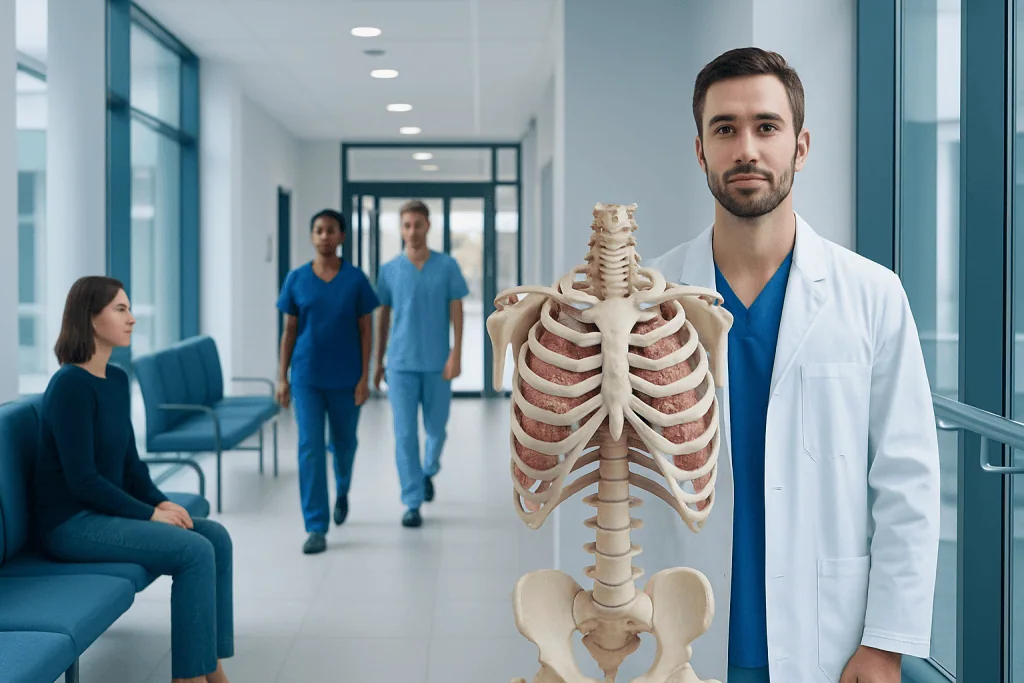
The thorax is more than the rib cage; it includes bones, muscles, nerves, lungs, heart, and major blood vessels. Its main roles are protection, breathing, circulation support, and helping the shoulders and upper body move.
Key Takeaways
- The thorax is more than the rib cage; it includes bones, muscles, nerves, lungs, heart, and major blood vessels.
- Its main roles are protection, breathing, circulation support, and helping the shoulders and upper body move.
- Thoracic symptoms can come from muscles, bones, lungs, heart, the digestive tract, or nerves.
- Chest pain, shortness of breath, or sudden injury-related symptoms should be assessed promptly by a doctor.
- Evaluation may include a physical exam, imaging, heart tests, and lung function tests depending on symptoms.
The thorax is the chest region between the neck and abdomen. It includes the rib cage, sternum, thoracic spine, muscles, lungs, heart, and major blood vessels, helping protect vital organs while supporting breathing and upper-body movement.
What the thorax is
The thorax is the area commonly called the chest. In medical terms, it is the part of the body between the neck and the abdomen, enclosed mainly by the ribs, breastbone, thoracic spine, and surrounding muscles. This region contains and protects essential organs, especially the heart and lungs.
People often use “thorax” to mean only the rib cage, but the term is broader. It includes the chest wall, the pleural spaces around the lungs, the mediastinum in the center of the chest, major blood vessels, nerves, lymphatic structures, and the diaphragm that separates the chest from the abdomen.
Understanding the thorax helps make sense of many common symptoms, such as chest pain, shortness of breath, rib discomfort, cough, or pain that worsens with movement or deep breathing. Because several body systems are located in this one region, symptoms from the thorax can have very different causes, from mild muscle strain to conditions that need urgent medical care.
How the thorax is built and what it does
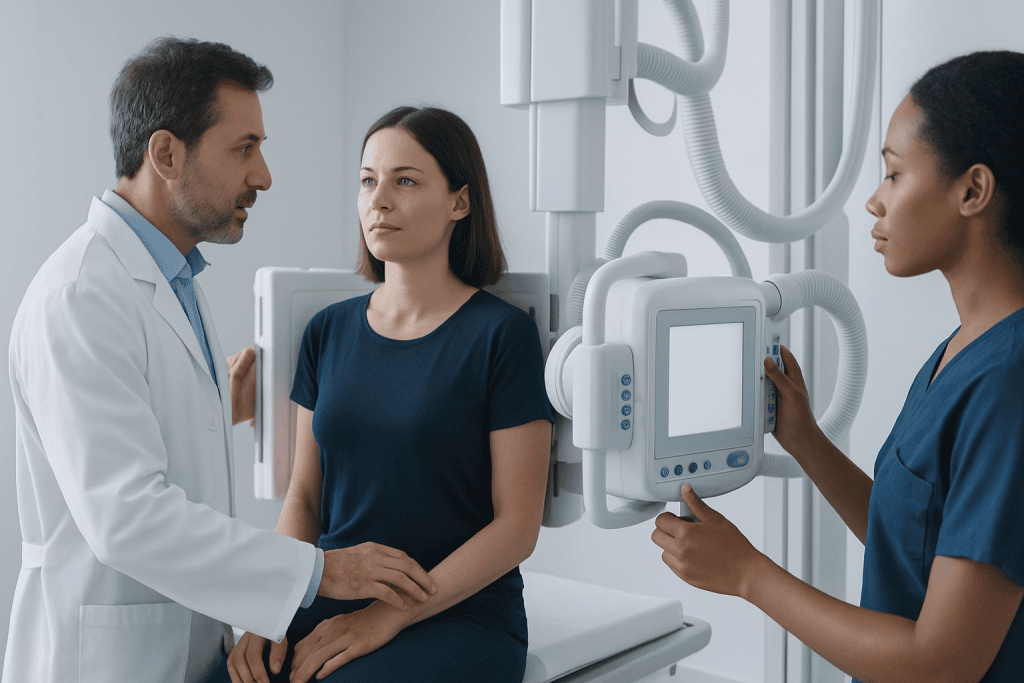
The thorax has a strong but flexible framework. The sternum sits in the front, the thoracic vertebrae form the back, and the ribs curve around the sides. Intercostal muscles lie between the ribs, while the diaphragm forms the floor of the chest cavity. Together, these structures allow the chest to expand and contract with breathing.
Inside this framework are the lungs on either side and the mediastinum in the middle. The mediastinum contains the heart, major blood vessels such as the aorta, parts of the esophagus and trachea, lymph nodes, and other important tissues. Thin membranes called pleura line the lungs and chest wall, helping the lungs move smoothly during breathing.
The thorax serves several vital functions:
- Protection: It shields the heart, lungs, and large blood vessels from injury.
- Breathing: Rib and diaphragm movement allows air to enter and leave the lungs.
- Circulation support: It houses the heart and the vessels that carry blood to and from the body.
- Movement and posture: It helps support the shoulders, upper back, and trunk.
Because these roles are closely connected, a problem affecting one thoracic structure can influence others. For example, inflammation around the lungs may cause sharp pain with breathing, while a spinal or muscle problem may create chest discomfort that feels alarming even when the heart is not involved.
Common thorax symptoms and what they may mean

Symptoms arising from the thorax vary widely. Some come from the chest wall, such as muscle strain, rib irritation, or inflammation where the ribs meet cartilage. Others come from the organs inside the chest, including the lungs, airways, heart, or esophagus. The same symptom can have several possible explanations, so context matters.
Common thoracic symptoms include chest pain, chest tightness, shortness of breath, pain with deep breathing, cough, wheezing, palpitations, upper back pain, and tenderness over the ribs or sternum. Some symptoms feel local and clearly linked to movement, while others are more diffuse or associated with exertion.
Examples of possible causes include:
- Musculoskeletal causes: muscle strain, poor posture, rib injury, costochondral inflammation
- Lung and pleural causes: infection, asthma, pleurisy, collapsed lung, fluid around the lung
- Heart and vessel causes: angina, inflammation around the heart, vascular problems
- Digestive causes: acid reflux, esophageal spasm, swallowing-related discomfort
- Nerve-related causes: shingles, nerve irritation, referred pain from the spine
Not every symptom from the thorax is dangerous, but chest symptoms should not be dismissed. Pain that is severe, new, unexplained, or associated with breathlessness, fainting, sweating, or pain spreading to the arm, back, jaw, or upper abdomen needs prompt medical assessment.
Causes and risk factors affecting the thorax
Many different conditions can affect the thorax because it contains structures from several organ systems. Some problems start in the chest wall itself, such as trauma, repetitive strain, arthritis of the spine, or inflammation at the rib joints. Others begin in the lungs, airways, heart, or digestive tract and are felt in the chest.
Infections are a common example. A respiratory infection may involve the bronchi or the lungs and lead to cough, fever, and chest discomfort. When a doctor suspects deeper lung involvement, evaluation for pneumonia may be needed. Chronic airway disease can also affect the thorax by causing wheeze, chest tightness, and breathlessness, as seen in asthma.
Risk factors depend on the underlying cause but may include smoking, exposure to air pollution or workplace irritants, recent infection, heavy lifting, sports injury, poor posture, underlying heart or lung disease, obesity, and aging-related changes in the spine and chest wall. Gastroesophageal reflux can also cause symptoms that people feel in the thorax, especially burning or discomfort behind the breastbone.
Because chest symptoms may come from many sources, self-diagnosis is often unreliable. A careful medical history, physical examination, and selected tests help distinguish between muscle and bone problems, lung disease, heart conditions, and other causes.
How doctors evaluate thorax problems
Assessment usually begins with a detailed discussion of symptoms. A doctor may ask where the discomfort is felt, how long it lasts, whether it is related to movement or exercise, and whether there are other symptoms such as cough, fever, wheezing, trauma, nausea, or palpitations. Personal medical history and risk factors are also important.
The physical examination may include listening to the heart and lungs, checking breathing rate and oxygen levels, pressing on the chest wall to identify tenderness, and evaluating posture, spinal movement, and circulation. These steps often help narrow down whether the problem is likely to be musculoskeletal, respiratory, cardiovascular, or digestive.
Depending on findings, tests may include a chest X-ray, blood tests, electrocardiogram, echocardiography, or advanced imaging. When more detailed evaluation of the chest structures is required, a doctor may request CT scanning or MRI to look at bones, soft tissues, lungs, or the mediastinum in greater detail.
If breathing symptoms are prominent, lung function testing may be useful. If a doctor needs direct airway assessment for persistent cough, bleeding, or suspected blockage, bronchoscopy may be considered. The exact test plan depends on the symptom pattern and the level of urgency.
Treatment options for thorax-related conditions
There is no single treatment for “the thorax” because care depends entirely on the cause of the symptoms. Musculoskeletal pain may improve with rest, activity modification, heat or cold, posture correction, and clinician-guided pain relief. Rib injuries and chest wall strain often heal over time, although recovery may take several weeks depending on severity.
Respiratory causes are treated according to the diagnosis. This may include inhaled medicines for airway narrowing, antibiotics when a bacterial infection is confirmed or strongly suspected, drainage of fluid or air around the lungs in selected cases, or specialist care for ongoing lung disease. Heart-related causes require their own targeted evaluation and management, sometimes urgently.
Digestive causes such as acid reflux may be managed with dietary changes and medication under medical guidance. If symptoms arise from the thoracic spine or nerves, treatment may involve physical therapy, rehabilitation, and sometimes additional imaging or specialist referral. The safest approach is to treat the proven cause rather than assuming all chest discomfort is from the same source.
Near the end of the care pathway, some patients benefit from multidisciplinary assessment, especially when symptoms overlap. Acibadem International’s multidisciplinary specialists in JCI-accredited hospitals diagnose and treat thorax-related conditions for international patients, coordinating respiratory, cardiology, imaging, and rehabilitation care when needed.
Prevention and self-care for a healthy thorax
Not every thoracic problem can be prevented, but many everyday habits support chest health. Avoiding tobacco is one of the most important steps for protecting the lungs, airways, blood vessels, and heart. Regular physical activity supports breathing efficiency, posture, and chest wall mobility, while also improving overall cardiovascular health.
Good posture matters more than many people realize. Long hours sitting, repeated overhead activity, or weak upper-back muscles can contribute to chest wall and thoracic spine discomfort. Stretching, strengthening, and ergonomic adjustments may reduce strain on the ribs, sternum, shoulders, and back.
Helpful self-care measures include:
- staying physically active within comfortable limits
- using proper lifting technique
- seeking treatment for persistent cough or wheezing
- keeping vaccinations up to date when recommended
- managing reflux, allergies, and chronic conditions with medical guidance
- wearing appropriate protective equipment during sports or physically demanding work
Self-care has limits, however. Chest symptoms that are severe, recurrent, or unexplained should be assessed rather than managed at home for too long. Early evaluation can identify a simple cause or rule out a more serious one.
When to seek medical care
Medical care should be sought promptly for any new or worrying symptom involving the thorax. This includes chest pain that feels heavy, pressure-like, or persistent; shortness of breath; fainting; coughing up blood; high fever with breathing difficulty; or sudden pain after an injury. Symptoms that spread to the arm, shoulder, jaw, or back also need urgent attention.
Even when symptoms seem milder, a routine medical appointment is sensible if chest discomfort keeps returning, if cough lasts more than a few weeks, if breathing feels limited during usual activity, or if rib or upper-back pain does not improve. Ongoing symptoms deserve evaluation because the thorax contains several organs and structures that can produce similar sensations.
In general, it is better to have chest symptoms checked and find a benign explanation than to ignore a problem that may need treatment. A qualified doctor can assess the pattern of symptoms, decide whether tests are needed, and guide the next steps safely.
Frequently asked questions
Is the thorax the same as the chest?
In everyday language, yes, the thorax is the chest. In medical use, the term is more precise and includes the chest wall, lungs, heart, major blood vessels, pleura, and other structures between the neck and abdomen.
What organs are inside the thorax?
The thorax contains the lungs and the heart, along with major blood vessels, parts of the trachea and esophagus, lymphatic structures, nerves, and the pleural membranes. It also includes the diaphragm at the lower boundary of the chest cavity.
Can thorax pain come from something other than the heart?
Yes. Thorax pain can come from muscles, ribs, cartilage, lungs, the pleura, the esophagus, or the thoracic spine, not only the heart. Because different causes can feel similar, medical evaluation is important when symptoms are new, severe, or unexplained.
What is the difference between the thorax and the rib cage?
The rib cage is the bony framework of the chest, made mainly of the ribs, sternum, and thoracic vertebrae. The thorax is broader and includes the rib cage plus the muscles, organs, membranes, nerves, and vessels within the chest region.
What tests are used to check thorax problems?
Doctors may use a physical examination, chest X-ray, blood tests, electrocardiogram, or other imaging such as CT or MRI. The choice depends on the symptom pattern and whether the concern is related to the chest wall, lungs, heart, or another structure.
When is chest or thorax discomfort an emergency?
Emergency assessment is important for chest pain with shortness of breath, fainting, sweating, severe weakness, or pain spreading to the arm, jaw, or back. Sudden symptoms after injury, coughing up blood, or severe breathing difficulty also need urgent care.
References
- National Heart, Lung, and Blood Institute
- American Lung Association
- Mayo Clinic
- MedlinePlus
- Cleveland Clinic
This article is for general information only and is not a substitute for professional medical advice. Please consult a qualified doctor about your individual situation.
Joint and spine care in Turkey — expert assessment & treatment
JCI-accredited · board-certified surgeons · reply within 24h
Add us as a Preferred Source to see more of our trusted health content across Google Search, AI Overviews and Discover.

More from the Health Library



Related Specialists

Dr. Özlem Akın Çakıcı
Dermatology
Prof. Dr. Faruk Buyru
Gynecology & Obstetrics
Dr. Seval Eren
Inpatient Clinic Physicians
Dr. Aysun Bozbaş
Gastroenterology