Thrombectomy Recovery: Hospital Stay, Aftercare, and What Improvements to Expect

Recovery after thrombectomy is different for each person and depends on stroke severity, how quickly treatment was given, and overall health. Most patients stay in the hospital for monitoring, repeat scans when needed, and assessment by rehabilitation specialists.
Key Takeaways
- Recovery after thrombectomy is different for each person and depends on stroke severity, how quickly treatment was given, and overall health.
- Most patients stay in the hospital for monitoring, repeat scans when needed, and assessment by rehabilitation specialists.
- Improvement may happen quickly in some people, but strength, speech, balance, and thinking can also recover gradually over time.
- Aftercare often includes blood pressure control, stroke-prevention medicines, rehabilitation, and follow-up appointments.
- Urgent medical attention is needed if new stroke symptoms, severe headache, chest pain, or sudden worsening develops after discharge.
Thrombectomy recovery usually begins in the hospital with close monitoring, brain and blood vessel care, and early rehabilitation. Improvement can continue for weeks to months, and recovery is often best supported by medicines, therapy, and regular follow-up.
Overview of thrombectomy recovery
Thrombectomy is a procedure used to remove a blood clot from a blood vessel, most often in the brain during an ischemic stroke caused by a large artery blockage. Recovery after thrombectomy starts immediately after the procedure and continues well beyond the first hospital stay. The main goals are to protect the brain, prevent complications, identify the cause of the clot, and help the person regain as much function and independence as possible.
Every recovery is different. Some people improve noticeably within hours or days because blood flow returns to an area of the brain that was at risk but not permanently damaged. Others recover more slowly, especially if the stroke affected speech, movement, swallowing, vision, or thinking. Improvement often continues over weeks and months as the brain heals and rehabilitation progresses.
It is also important to remember that thrombectomy treats the blocked vessel, but it does not erase the stroke itself. The amount of recovery depends on many factors, including how long the vessel was blocked, which part of the brain was affected, the success of restoring blood flow, age, other medical conditions, and whether complications occurred.
Hospital stay after thrombectomy
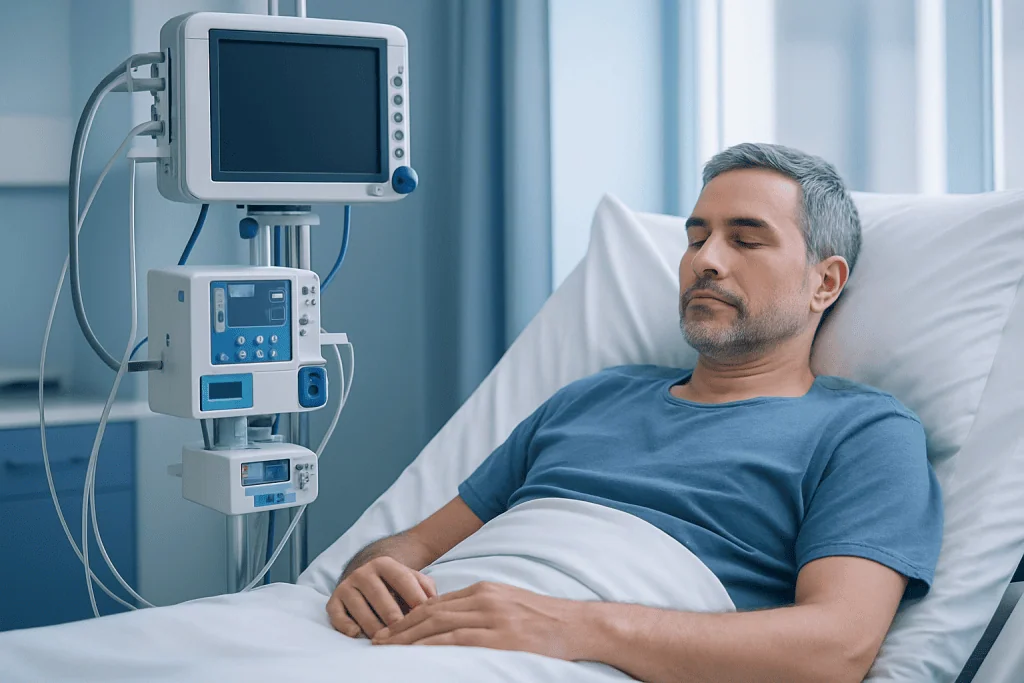
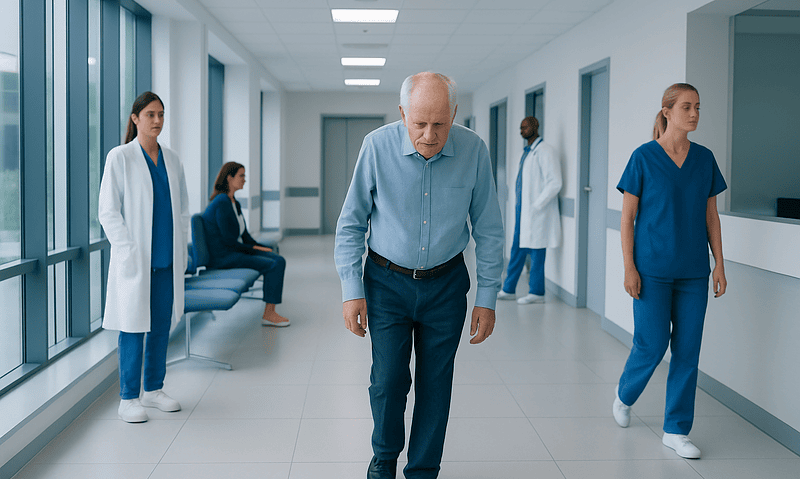
After thrombectomy, the patient is usually observed in a stroke unit, intensive care unit, or another closely monitored hospital setting. During this time, the care team watches blood pressure, heart rhythm, oxygen levels, blood sugar, and neurological status. This careful monitoring helps the team detect brain swelling, bleeding, changes in consciousness, or a return of symptoms as early as possible.
The length of hospital stay varies. Some patients who recover quickly and have few complications may leave within several days, while others need a longer stay because of weakness, swallowing problems, confusion, infections, or the need for further testing and rehabilitation planning. Repeat brain imaging may be done to check the treated area and look for bleeding or swelling.
Hospital care after thrombectomy often includes:
- Neurological checks to assess speech, strength, sensation, and alertness
- Blood pressure management to support safe brain recovery
- Evaluation for swallowing problems before eating or drinking
- Medication review, including stroke-prevention treatment
- Physical, occupational, and speech therapy assessments
- Tests to look for the cause of the stroke, such as heart rhythm monitoring or blood vessel imaging
Many patients and families also receive education before discharge. This may cover warning signs of another stroke, how to take medicines correctly, which risk factors need treatment, and what type of rehabilitation or home support is needed next.
What symptoms and improvements to expect
Recovery after thrombectomy can involve both early improvements and ongoing challenges. Some people regain movement, speech, or awareness soon after blood flow is restored. Others still have symptoms related to the stroke, such as weakness on one side, facial droop, trouble speaking, difficulty finding words, poor balance, numbness, vision changes, fatigue, or problems with memory and concentration.
There is no single timeline that fits everyone. Early improvement in the first 24 to 48 hours is encouraging, but recovery may continue for a long time through rehabilitation and natural brain healing. It is common for progress to happen in small steps rather than all at once. A person may improve physically before speech or thinking skills recover, or the reverse may be true.
Common areas of improvement may include:
- Stronger movement in the arm or leg
- Better walking and balance
- Clearer speech or language comprehension
- Safer swallowing and eating
- Improved attention, memory, or problem-solving
- Greater independence in dressing, bathing, and daily activities
Recovery can also include emotional adjustment. Anxiety, frustration, mood changes, and depression are not unusual after stroke treatment. Recognizing these symptoms early matters because emotional health can affect motivation, therapy participation, sleep, and quality of life.
Aftercare at home and rehabilitation
Once the patient leaves the hospital, aftercare becomes a key part of recovery. Many people continue rehabilitation in an inpatient rehab unit, outpatient clinic, or home-based program. Therapy plans are individualized and may include physical therapy for mobility and strength, occupational therapy for daily activities, and speech-language therapy for communication or swallowing.
Daily routines often need to be adjusted for safety. Depending on the person’s symptoms, the home may require fall-prevention changes such as removing loose rugs, improving lighting, or using mobility aids. Family members and caregivers may help with medicines, meals, appointments, and observation for any sudden changes in condition.
Self-care during recovery usually focuses on rest, gradual activity, and consistency with treatment. Patients are often advised to take medicines exactly as prescribed, attend follow-up visits, and continue therapy exercises between sessions. A balanced eating pattern, smoking cessation, good sleep, and management of conditions such as high blood pressure, diabetes, and high cholesterol can all support healing and lower the risk of another stroke.
For some patients, rehabilitation is part of broader stroke recovery planning. If swallowing remains difficult, if mobility is limited, or if speech is affected, the care team can adjust therapy goals over time. When thrombectomy was part of emergency stroke treatment, long-term care still matters because prevention and rehabilitation are essential for the best possible outcome.
Medicines, follow-up, and preventing another stroke
Thrombectomy removes the clot, but doctors also need to understand why the clot formed. Follow-up care often includes tests of the heart, blood vessels, and blood clotting factors. For example, an irregular heart rhythm such as atrial fibrillation may require specific treatment, while narrowing in the neck arteries may need additional evaluation. These steps help lower the chance of another event.
Many patients are prescribed medicines after thrombectomy, although the exact plan depends on the cause of the stroke and the person’s overall health. These may include antiplatelet medicines, anticoagulants in selected cases, cholesterol-lowering treatment, or medicines to control blood pressure and diabetes. Patients should not start, stop, or change these medications without medical advice.
Follow-up appointments are used to review recovery, adjust medicines, and check for any complications. Some people need additional evaluation with neurologists, cardiologists, rehabilitation specialists, or vascular experts. If the stroke was related to carotid artery disease, doctors may discuss whether further management is needed, sometimes including carotid artery treatment in carefully selected cases.
Stroke prevention usually centers on several long-term habits:
- Controlling blood pressure
- Managing diabetes and cholesterol
- Stopping smoking and avoiding tobacco exposure
- Maintaining regular physical activity as advised
- Following a heart-healthy eating pattern
- Taking prescribed medicines consistently
- Attending rehabilitation and medical follow-up
Possible complications and when recovery may take longer
Although many people do well after thrombectomy, recovery can be delayed by complications. These may include bleeding in the brain, brain swelling, infection, swallowing problems, pneumonia, blood clots in the legs, or ongoing heart rhythm problems. Some patients also have residual disability because part of the brain tissue was already injured before blood flow could be restored.
Recovery may be slower if the stroke was severe, if treatment happened later, or if there were pre-existing health problems such as advanced heart disease, uncontrolled diabetes, or previous strokes. Older adults may also need more time and support, though meaningful recovery is still possible. The presence of cognitive changes, severe weakness, or neglect on one side of the body can increase the need for structured rehabilitation.
Families sometimes worry if progress seems uneven. This is common. Fatigue, poor sleep, infections, medication changes, and emotional stress can all affect day-to-day function. It helps to judge progress over weeks rather than from one day to the next, while keeping the clinical team informed about any sudden or major change.
When to seek medical help
After discharge, any possible new stroke symptom should be treated as an emergency. Sudden facial drooping, arm weakness, speech difficulty, severe confusion, vision loss, new numbness, or sudden trouble walking needs urgent medical care right away. Time remains critical even after a previous thrombectomy.
Other warning signs also need prompt medical advice, including severe headache, repeated vomiting, chest pain, fainting, shortness of breath, seizure, fever, or sudden worsening of weakness or alertness. These symptoms may point to complications that should not be ignored.
Patients should also contact their doctor if they are unable to take medicines, are not eating or drinking safely, have signs of depression, or are struggling with caregiving needs at home. A follow-up plan can often be adjusted to include more therapy, home support, or specialist input. For international patients who need coordinated evaluation and rehabilitation planning, Acibadem International’s multidisciplinary specialists in JCI-accredited hospitals diagnose and treat stroke-related conditions, including care after procedures such as thrombectomy.
Frequently asked questions
How long is the hospital stay after thrombectomy?
The hospital stay after thrombectomy varies depending on the severity of the stroke, the patient’s general health, and whether complications occur. Some people are discharged within a few days, while others need a longer stay for monitoring, testing, and rehabilitation planning.
How soon can improvement happen after thrombectomy?
Some patients show improvement within hours or the first day after the procedure because blood flow has been restored. Others improve more gradually over weeks or months, especially if they need rehabilitation for movement, speech, or swallowing.
Can a person still have symptoms after a successful thrombectomy?
Yes. A successful thrombectomy removes the clot, but it cannot always reverse brain injury that already occurred before treatment. Ongoing symptoms may include weakness, speech difficulty, balance problems, fatigue, or changes in thinking, though these may improve with time and therapy.
What kind of rehabilitation is needed after thrombectomy?
Rehabilitation depends on the person’s symptoms and can include physical therapy, occupational therapy, and speech-language therapy. The aim is to improve mobility, self-care, communication, swallowing, and independence in daily life.
What medicines are commonly used after thrombectomy?
Doctors often prescribe medicines to reduce the risk of another stroke, such as antiplatelet drugs, anticoagulants in selected cases, cholesterol-lowering treatment, and blood pressure medication. The exact combination depends on the cause of the clot and the patient’s medical history.
When should someone go back to the hospital after thrombectomy?
Emergency care is needed for any new stroke warning sign, such as facial drooping, one-sided weakness, or sudden speech trouble. Severe headache, seizure, fainting, chest pain, breathing difficulty, or a sudden decline in alertness also require urgent evaluation.
References
- World Health Organization
- American Stroke Association
- National Institute of Neurological Disorders and Stroke
- Society of NeuroInterventional Surgery
- European Stroke Organisation
This article is for general information only and is not a substitute for professional medical advice. Please consult a qualified doctor about your individual situation.
Explore treatments in Turkey — costs, top hospitals & a free quote
JCI-accredited · board-certified surgeons · reply within 24h
Add us as a Preferred Source to see more of our trusted health content across Google Search, AI Overviews and Discover.
Check your numbers in seconds
BMI, calories, due date, blood pressure and 30+ more clinical calculators — free, instant, doctor-reviewed ranges.